














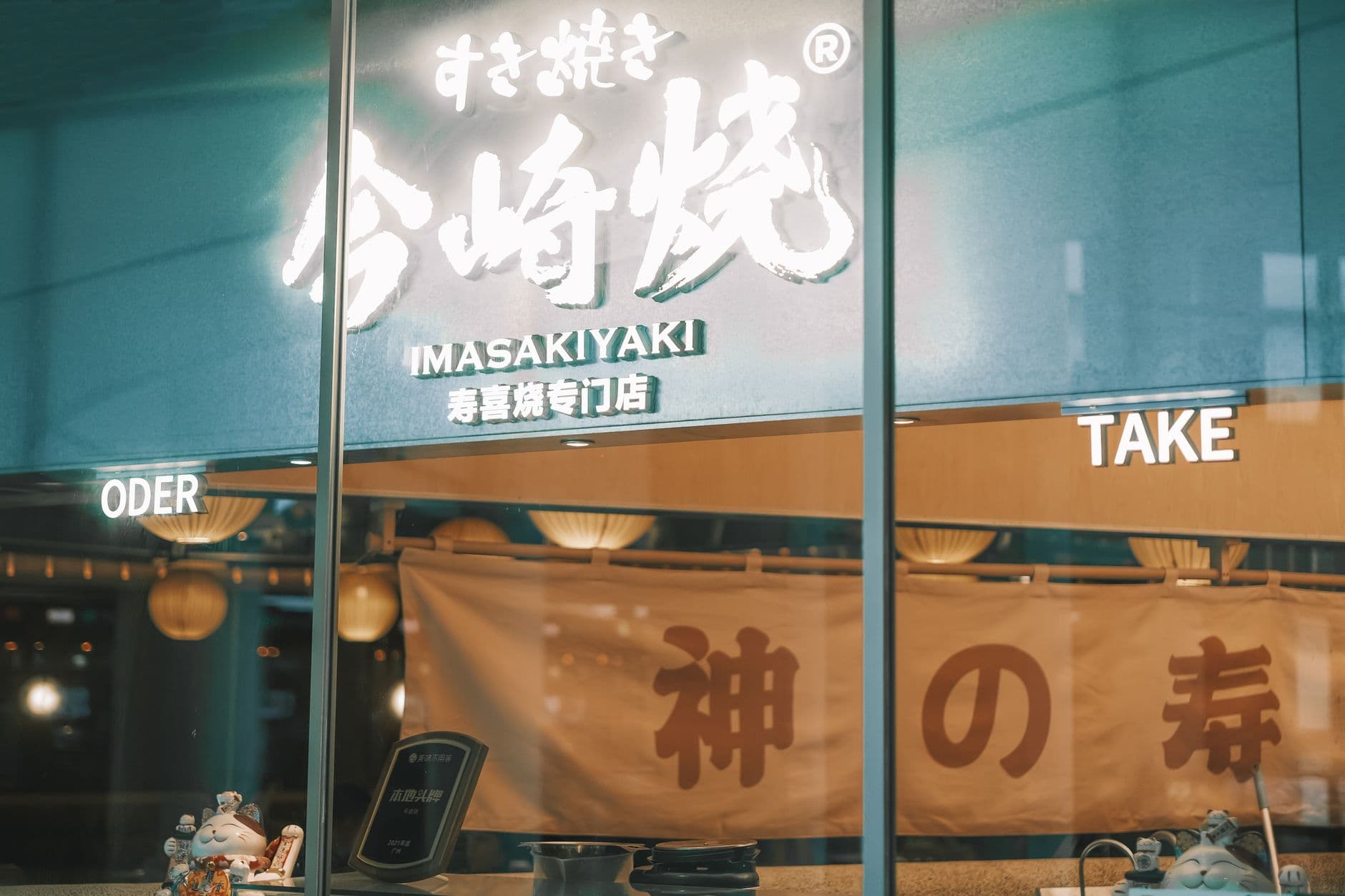
A restaurant rebranding decision usually doesn't start with a plan. It starts with an owner walking past their own storefront and noticing the sign looks like it belongs to a different, older restaurant than the one inside.
Inconsistent branding across locations is its own warning sign. If two outlets of the same restaurant run different logo versions or clashing color schemes, regulars notice the drift before head office does.
Signs your restaurant rebranding is overdue
The signage specialist Flexlume flags faded colors, dim lighting and a style that no longer matches the current menu as some of the clearest tells.
A few of these on their own aren't a crisis. Several at once usually mean something else: the brand stopped keeping up with the business a while ago.
- The logo or color scheme hasn't changed since the menu, the space or the ownership has.
- Interior design and exterior signage tell two different stories about what kind of restaurant this is.
- Multiple locations no longer look like they belong to the same brand.
- The menu or the audience has shifted, but the visual identity still describes the old version.
None of these show up on a P&L directly. They show up as a diner who scrolls past a listing because the photos don't match what a friend described.
What a rebrand is actually fixing
Rebrands rarely happen for their own sake. Burger King's 2021 overhaul is a useful example of the business problem sitting underneath the design one.
Same-store sales at the chain had fallen 7% the previous quarter. Its new owners wanted a visual identity built for a digital-first future, not the drive-thru era the old logo was designed for.
That's a chain-sized version of a problem independent restaurants face too. A brand built for how people ordered years ago doesn't automatically work for delivery apps and listings on someone else's app.
Rapha Abreu, the chain's global head of design, put the underlying point plainly: design is one of the tools a restaurant has for communicating who it actually is now, not who it used to be.
Changing the brand without losing your regulars
Photo by Anete Lusina on Pexels
GloriaFood's guide to restaurant rebranding walks through surveying current customers before touching the logo, checking what nearby restaurants are doing, then updating the visual identity. Keep one recognizable element and loyal customers still know it's the same place.
Staff buy-in matters more than most owners expect. The guide points to Starbucks bringing employees into focus groups during its own redesign, which gave staff a stake in explaining the change to customers instead of just absorbing complaints about it.
Getting the visual identity right is only half the job. Our creative team handles the logo, signage and menu side of a rebrand. A new look still needs a digital marketing and growth plan to reach people who have the old one bookmarked.
It's also worth checking that customers can still find you. A restaurant AI search case study found most local restaurants never turn up when people ask an AI tool for a recommendation, which makes a rebrand a good moment to fix your listings too.
The same tipping point shows up well outside restaurants: healthcare practices hit it for almost identical reasons.
None of this needs to happen overnight. A rebrand that rolls out over a few weeks, with an explanation for regulars along the way, keeps the goodwill a sudden overnight change tends to spend.
Cover photo by rao qingwei on Pexels