








Restaurant sales are projected to reach $1.55 trillion in 2026, and the National Restaurant Association found that only 10% of operators consider themselves technology leaders. Most of the rest are running the kitchen, the floor and the marketing at once.
A full-service digital agency restaurant owners can actually rely on exists to close that gap. It connects the website, the ordering system, the reservations flow and the local search presence instead of leaving each to whoever has a spare hour.
The same National Restaurant Association report splits operators into three groups: 60% call themselves mainstream technology users, close to 30% say they're behind, and the same top 10% consider themselves ahead of the curve. That leading group spends first on online ordering and payment, then marketing, then customer feedback tools.
The website and the ordering system have to work as one
A restaurant site that looks good but sends orders to a different system than the kitchen runs on is worse than no site at all.
Someone has to keep the menu, the hours and the ordering flow in sync across the website, the app and the point-of-sale system, and update it the same afternoon a dish sells out.
That's the less glamorous half of restaurant web and e-commerce work. Not building the site once and walking away, but wiring it into the systems the business already runs on, so a menu change doesn't need three separate updates.
Direct ordering changes who owns the customer, too. A marketplace order comes with a cut taken off the top, and a customer record the restaurant never sees again.
Ordering through the restaurant's own site keeps more of the ticket, plus an email or phone number worth marketing to next time.
Local search decides who gets tried first
Reviews carry more weight than most owners assume. In BrightLocal's 2026 Local Consumer Review Survey, 97% of consumers said they read reviews before choosing a local business, and 41% now always do, up from 29% last year.
Star ratings have gotten less forgiving, too. Nearly a third of the same respondents said they'd only use a business rated 4.5 stars or higher. On a block with three competitors, that's the gap between showing up in Google's first three results and not showing up at all.
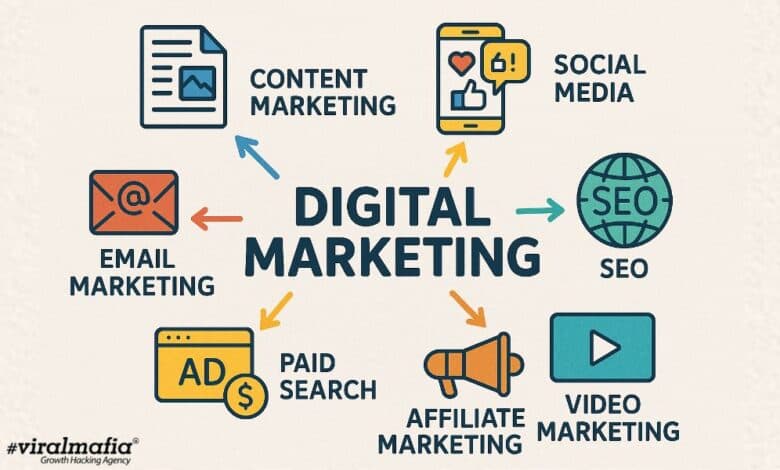
This is digital marketing and growth work as much as it's reputation management: claiming and maintaining the Google Business Profile, answering reviews, and keeping the menu and hours accurate everywhere a diner might look.
Automation covers what a short-staffed floor can't
Photo by BI ravencrow on Pexels
A host stand running short on a Friday night still has to confirm reservations and follow up with regulars who haven't booked in a month. None of that needs someone free to do it by hand.
AI and automation work for a restaurant usually starts small, something like an automatic booking confirmation or a review request sent the morning after a table left happy.
None of it replaces service. It just keeps the marketing calendar running when nobody on the floor has five minutes to post it.
Branding and design have to survive more than one format
A menu that reads differently on the website than it does printed at the table looks careless, even when the food is excellent. Consistent photography and layout across the site and the printed menu make a restaurant look like one team runs it, not a mix of templates.
That's where creative and UI/UX work meet. The brand has to survive being translated into a checkout flow and a printed table tent, and still read as the same restaurant on both.
The real test for any agency pitching this work isn't the mockups. It's what happens the next time the menu changes at four on a Friday: whether the price updates everywhere by six, or whether someone's still editing three files by hand as the dinner rush starts.
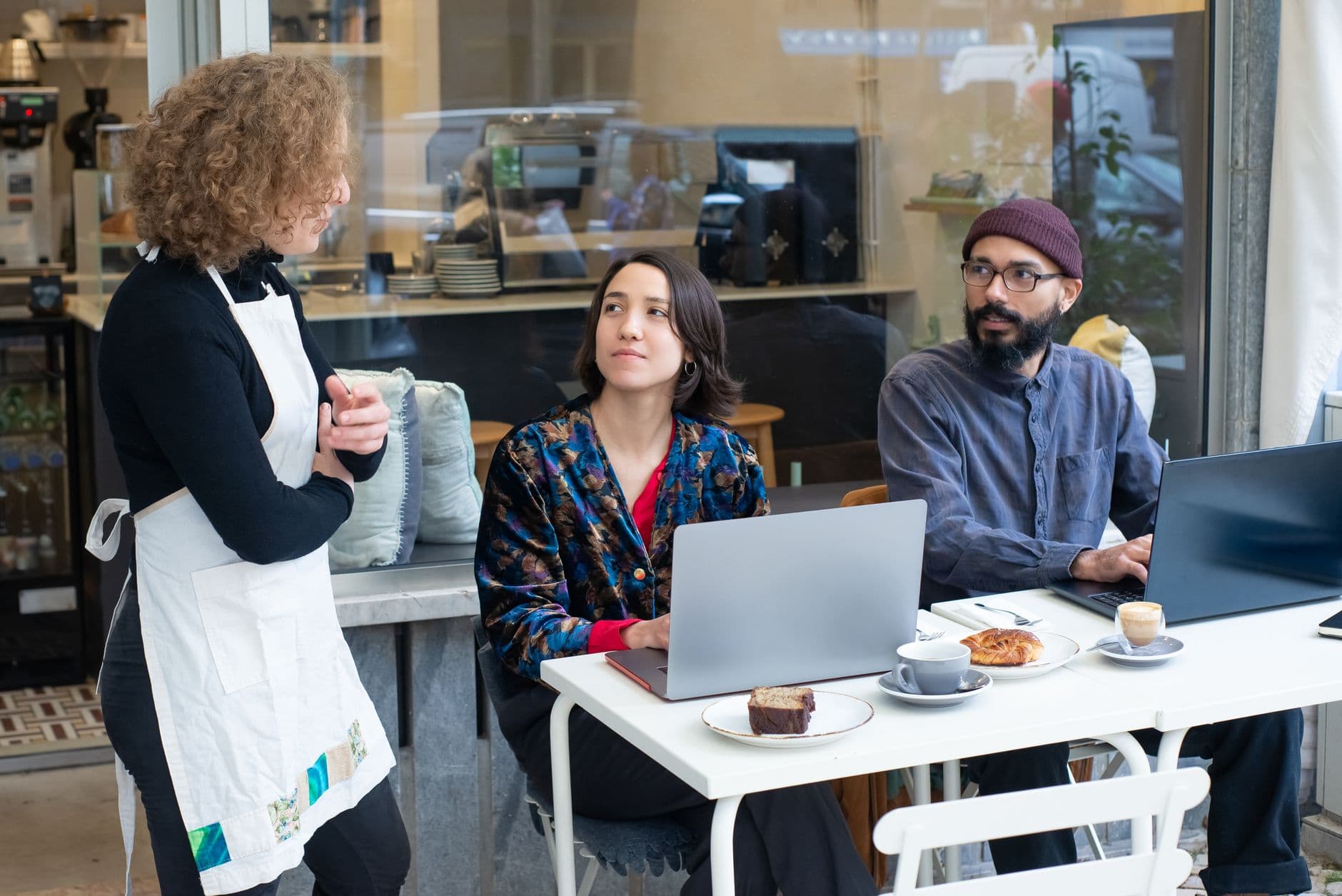
Cover photo by Kampus Production on Pexels
Sources
- Report: Sales to Hit $1.55T in 2026 Despite Challenging Business Environment — National Restaurant Association
- Local Consumer Review Survey 2026 — BrightLocal