









A manufacturer that has added product lines, moved into new markets or changed ownership since its logo was drawn is telling everyone who sees that logo an outdated story.
That gap between what a company actually does and what its brand still says is usually what forces manufacturing rebranding onto the agenda. It's rarely a desire for a fresh coat of paint.
Mergers, new leadership and quiet shifts in what a shop actually builds are the most common triggers. A business that stopped being a commodity supplier and became a specialized, engineered-solutions provider, without updating the materials that describe it, is running on borrowed identity.
A few situations show up again and again:
- Ownership or leadership has changed enough that longtime customers still describe the company by an identity that no longer applies.
- Capabilities have expanded past the original niche, so the brand undersells what the shop can now build.
- The visual identity, the website and the sales materials each tell a slightly different version of who the company is.
None of those need a research report to spot. They're visible from inside the building, usually before a customer says anything.
Why manufacturing rebranding matters for hiring, not just sales
Most conversations about a company's brand focus on customers. For manufacturers, the more urgent audience might be the workforce.
Deloitte and The Manufacturing Institute's 2022 Manufacturing Perception Study found that the image many Americans still carry of manufacturing, dark, dirty and disappearing, is wildly outdated. That impression is strongest in high schools and among the career counselors who steer students toward or away from a trade.
The same study found more people now see manufacturing work as innovative than they did back in 2017. Perception is moving. It hasn't caught up to what a modern shop floor looks like, and a company's own branding can either close that gap or keep feeding it.
Stakes keep sharpening on the hiring side. The Manufacturing Institute's February 2025 workforce data projects a shortfall of roughly 1.9 million workers by 2033, against about 3.8 million positions expected to open as the industry grows and current staff retire.
A brand that still reads like a decades-old commodity shop is competing for that shrinking pool with one hand tied. Average total compensation already runs past $102,000 a year, which makes an outdated first impression expensive to leave uncorrected.
What a rebrand should actually fix
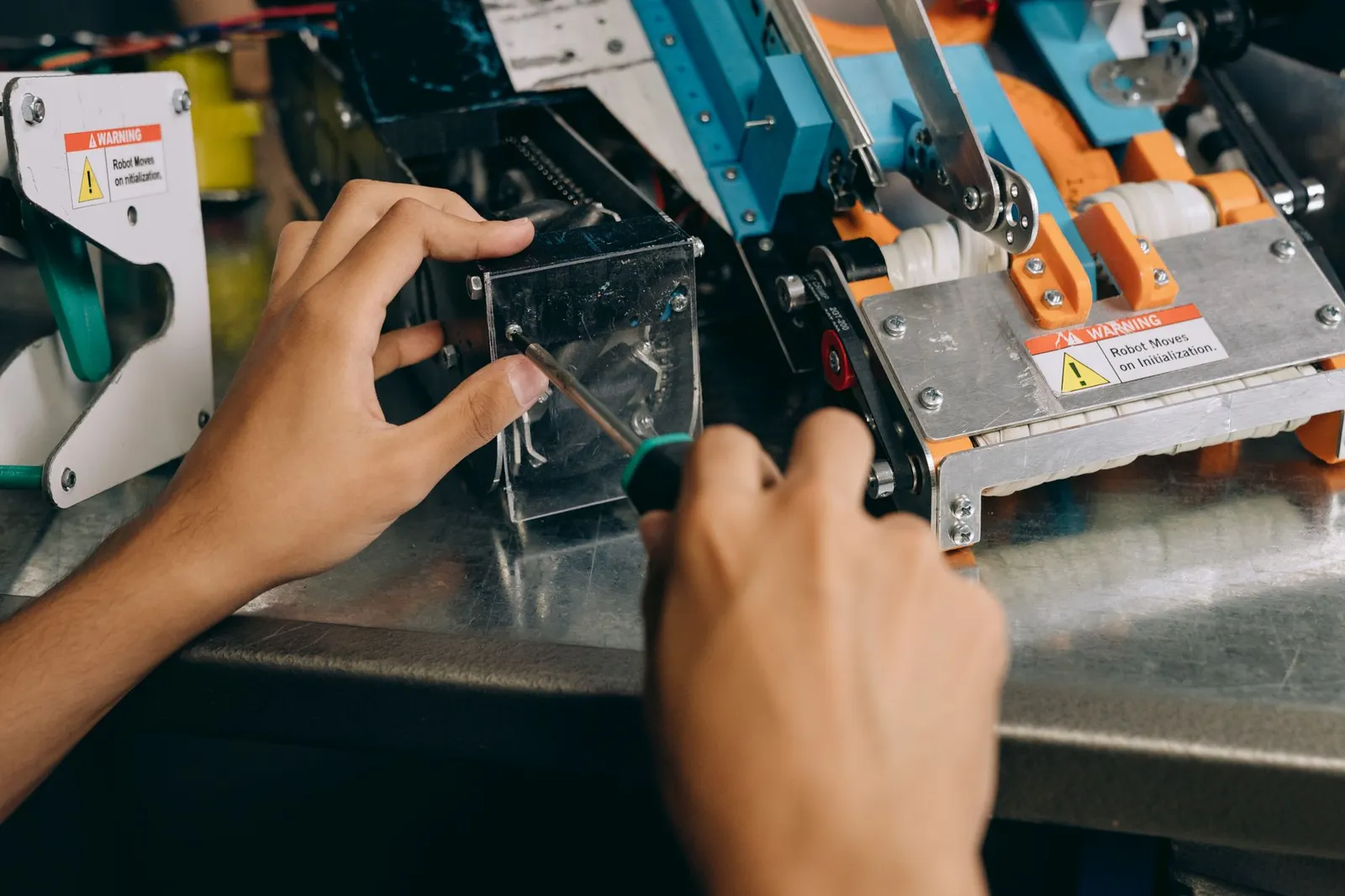
Photo by Mikhail Nilov on Pexels
A project that only swaps out a logo skips the part that matters. If capability, ownership or market position has genuinely shifted, the name, identity, website and sales materials need to catch up together, not just the piece a designer touches first.
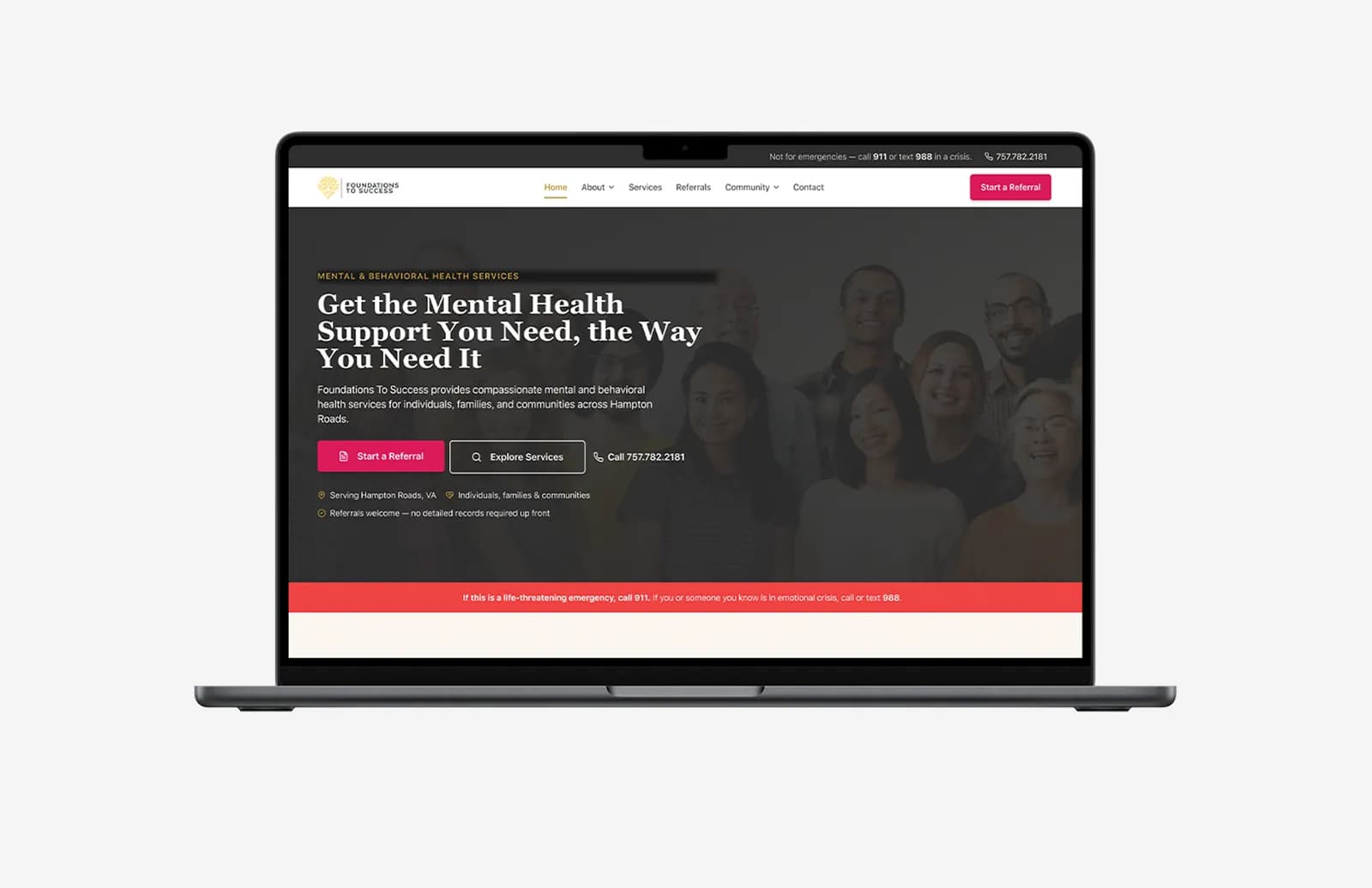
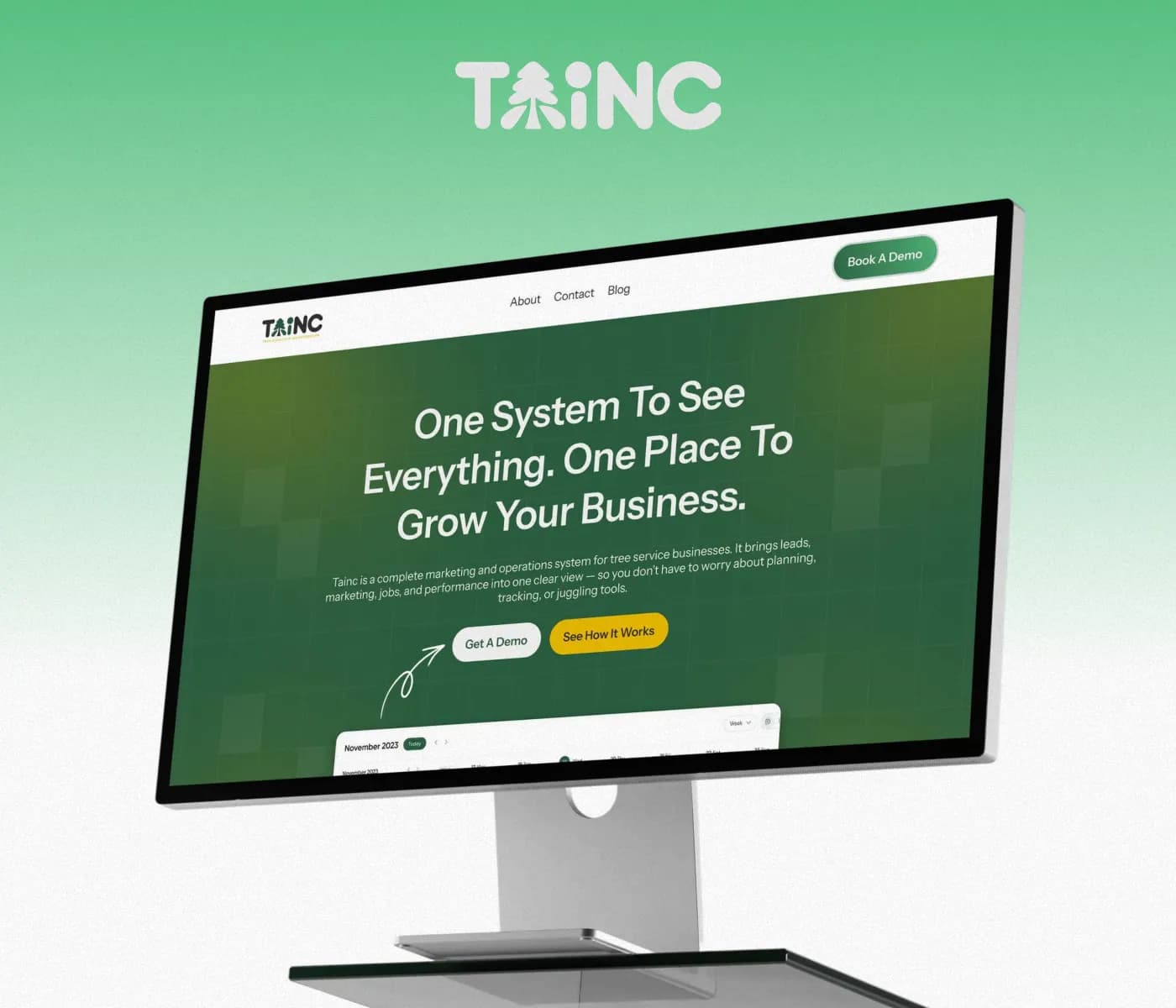
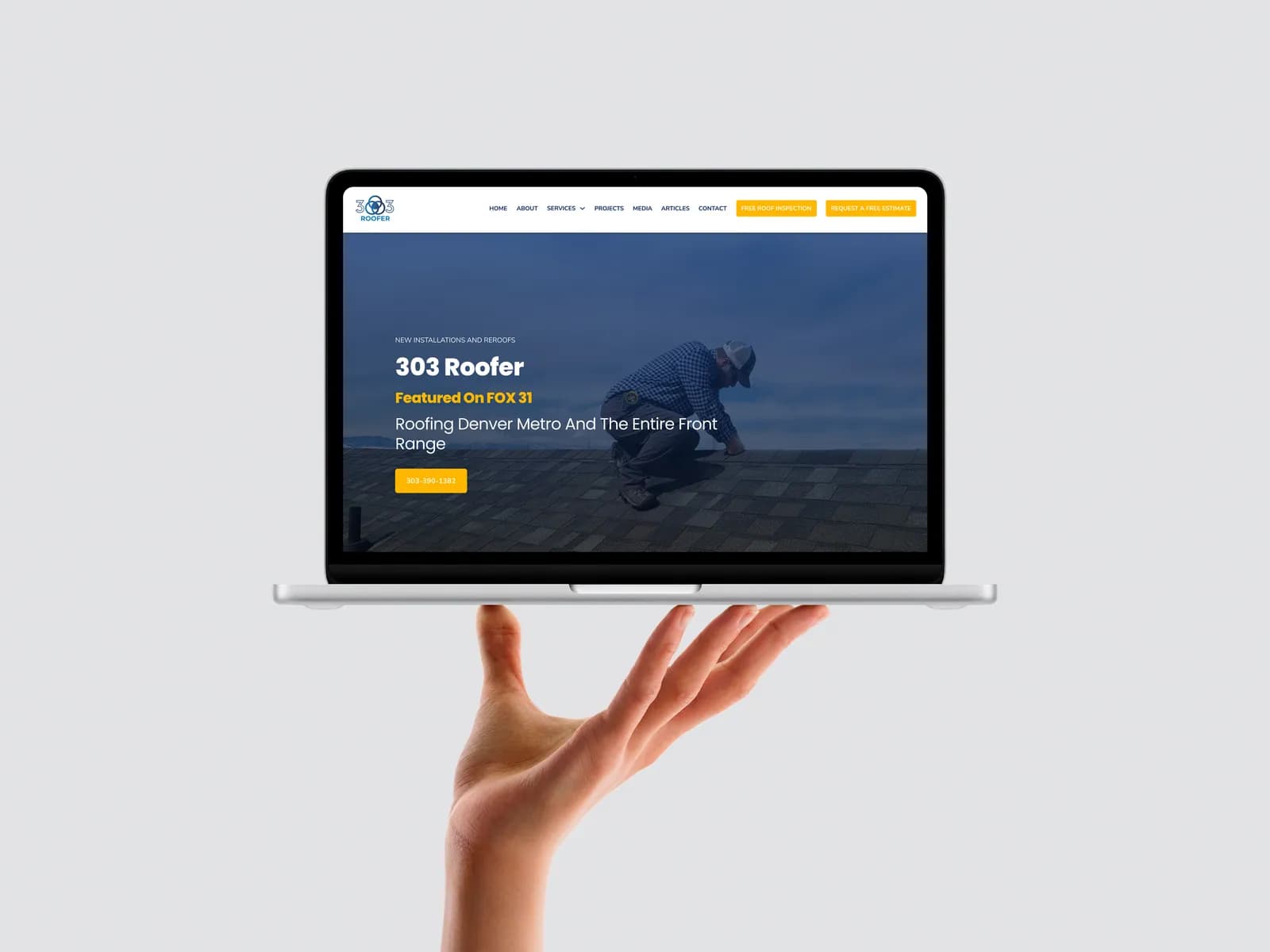
That's usually creative and identity work sitting alongside a rebuilt site and a go-to-market plan. Our creative team and UI/UX work exist for that pairing, so identity and digital experience change on the same timeline instead of drifting apart again within a year.
The launch matters as much as the redesign. Pairing identity work with a go-to-market push and a site built on modern web infrastructure is what turns a new logo into a new reputation, rather than a new coat of paint on an old story.
The signs rarely look dramatic alone. A recruiter noting candidates seem surprised by the shop floor, a rep explaining the same capability gap on every call, a website silent on the newest product line: each one is small.
Together, they're the clearest signal the brand stopped describing the business, and the fix is overdue rather than optional.
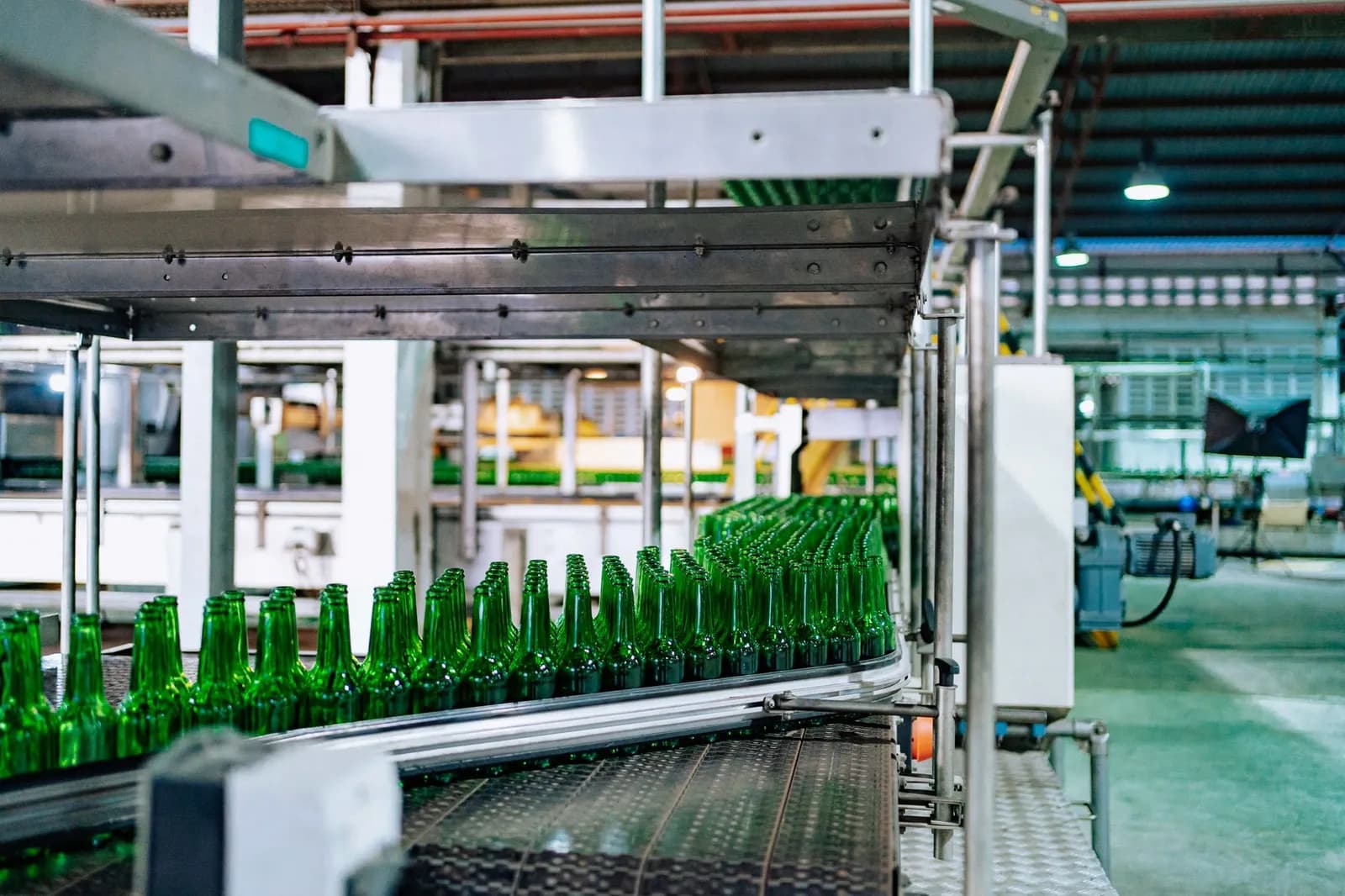
Cover photo by Keegan Checks on Pexels
Sources
- Public perception of the manufacturing industry — Deloitte
- The State of the Manufacturing Workforce in 2025 — National Association of Manufacturers