











A homeowner searching for a plumber often decides who to call before the phone ever rings. Researching how homeowners choose contractors, ImproveIt360's look at 2026 homeowner behavior found that a company's digital presence and reputation now do part of the selling before anyone on the crew says a word.
That's why home service visual branding carries more weight than most owners assume. The truck's logo, the uniform's color, and the website's layout are the only evidence a stranger has that the business is real.
Keep those consistent and trust starts building before the first call. Skip it, and the name from a friend's text doesn't match the truck idling outside the house.
What Home Service Visual Branding Actually Means
Housecall Pro's 2026 report on home service industry trends makes a point worth sitting with. Branding for a service business isn't really about logos or color swatches. It's whether every touchpoint delivers the same experience, from the first call to the truck in the driveway.
Still, the visual side is where that experience shows up first. A homeowner can't see a company's internal processes, only whether the truck, the invoice, and the website look like they belong together.
That consistency has a real payoff. A Lucidpress study of more than 200 organizations found that consistent branding across every channel can lift revenue by as much as 33%.
Few home service businesses will hit that ceiling from a truck wrap alone. But mismatched branding still costs more than it looks like it should.
Where the Visual Signals Actually Show Up
For a home service business, the visual identity lives in a handful of places, and homeowners notice when they don't match.
- The vehicle: one logo, one color palette, a phone number and website readable from across the street.
- The crew: matching shirts or jackets, not whatever happens to be clean that morning.
- The paperwork: estimates, invoices, and follow-up texts carrying the same logo and colors as the truck.
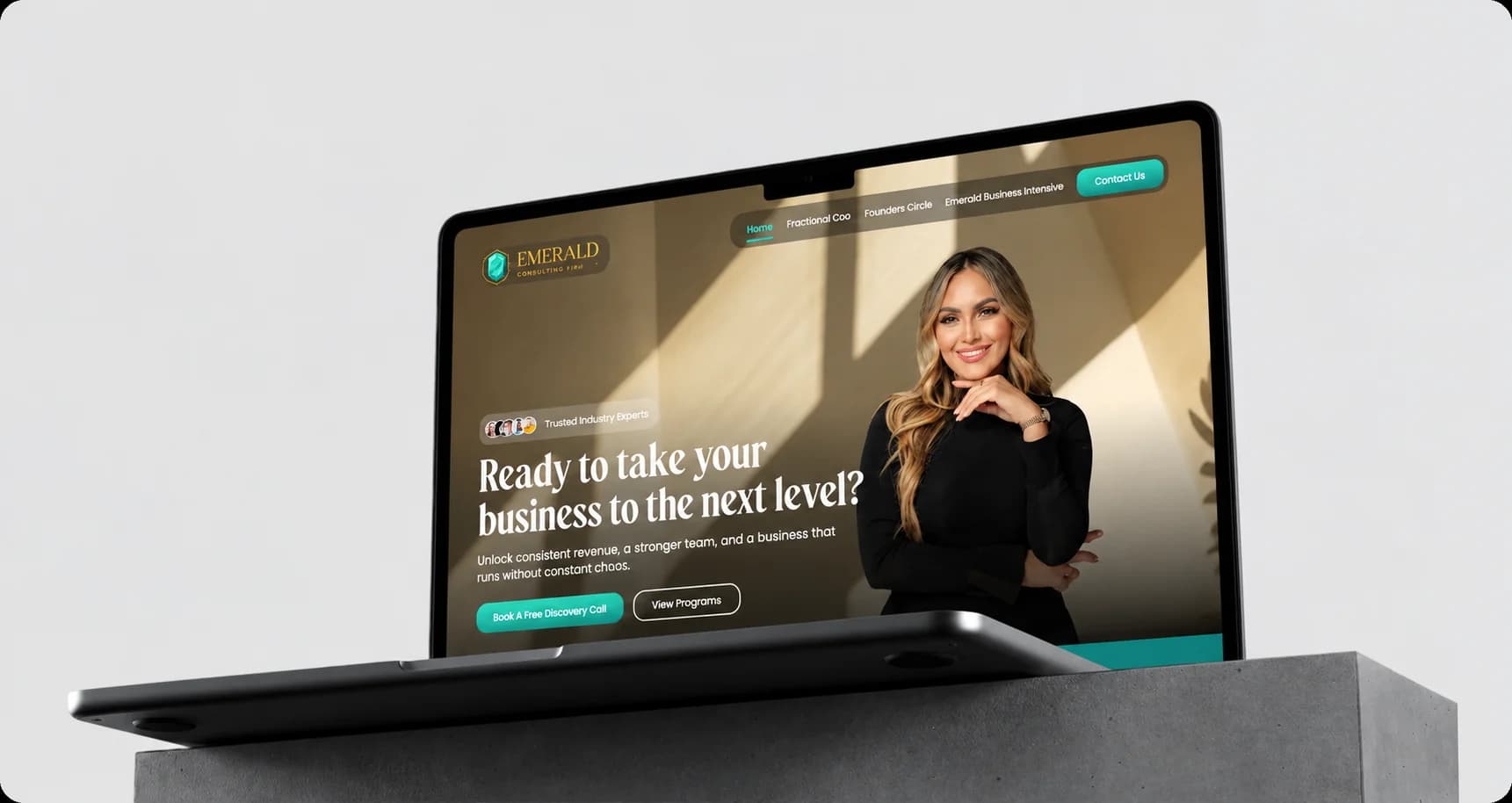
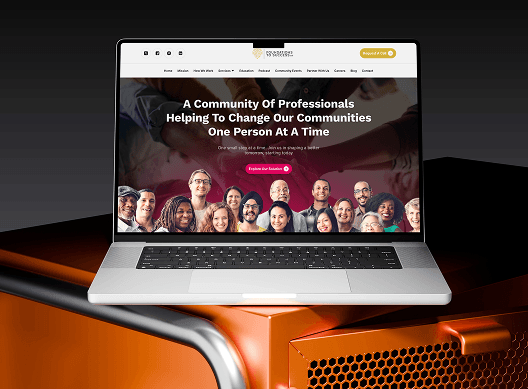
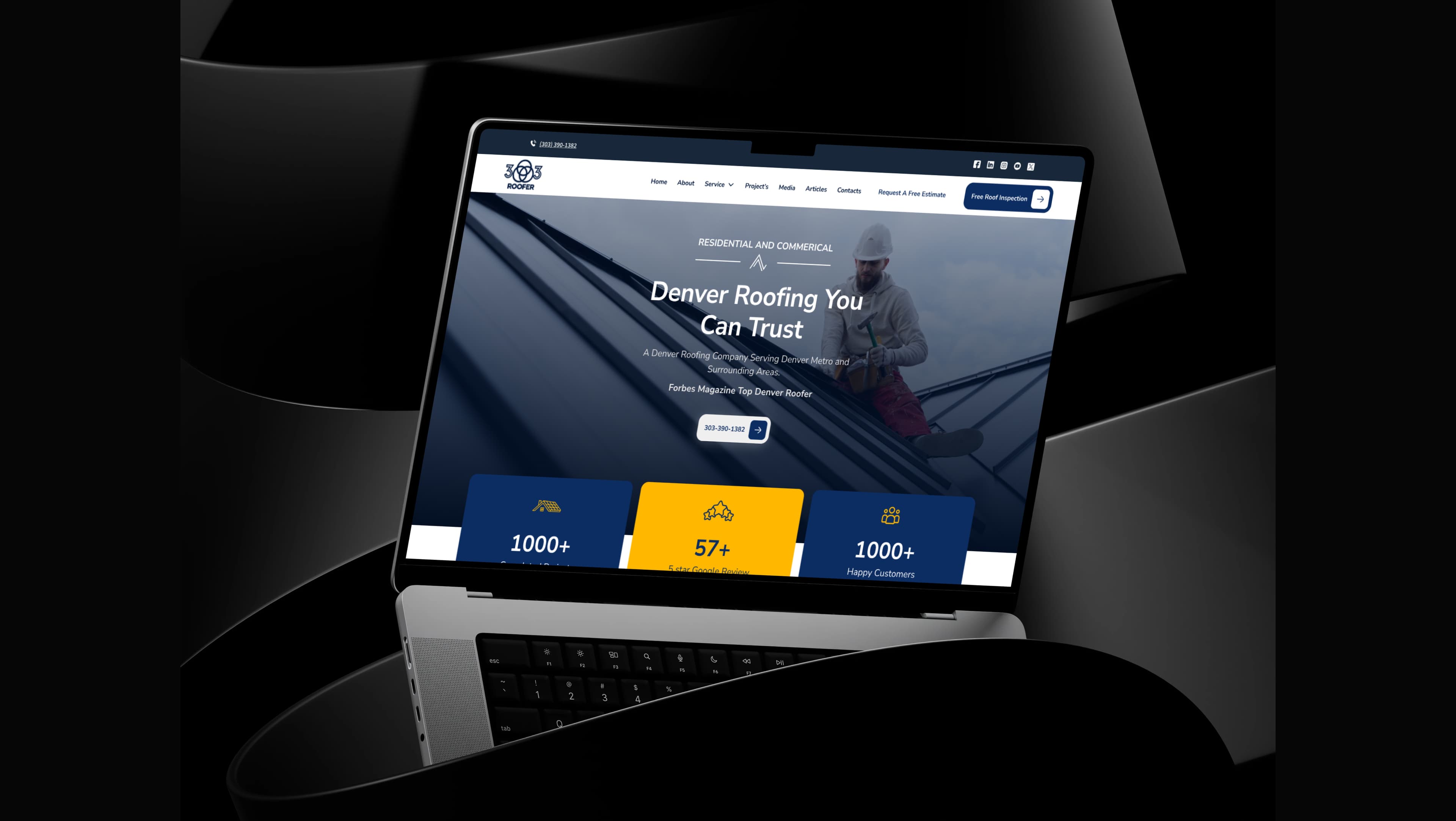
- The website and social profiles: the same palette and logo, so a homeowner who looked the business up recognizes the truck when it pulls up.
None of this requires a full rebrand. It requires picking one look and using it everywhere, which is usually more discipline than budget.
A visual identity built for the field, not just for a homepage, is what makes the truck and the invoice look like they came from the same company.
The Proof Homeowners Actually Want
ImproveIt360 also found that homeowners now compare fewer contractors than before, often just two or three quotes, but expect more proof from each one. They want recent project photos, certifications, and a business that looks established.
A website that matches the branding a homeowner already saw on the vehicle confirms what they'd started to believe. One that doesn't raises the exact doubt Housecall Pro's report describes: is this really the business I was told about?
Consistency Across Channels, Not Just the Truck

Photo by Towfiqu barbhuiya on Pexels
Visual branding doesn't stop at signage. Marketing needs the same colors and logo the truck wears, or an ad someone clicks won't feel connected to the crew that shows up. Octopi's approach to marketing consistency across channels treats every campaign as one system.
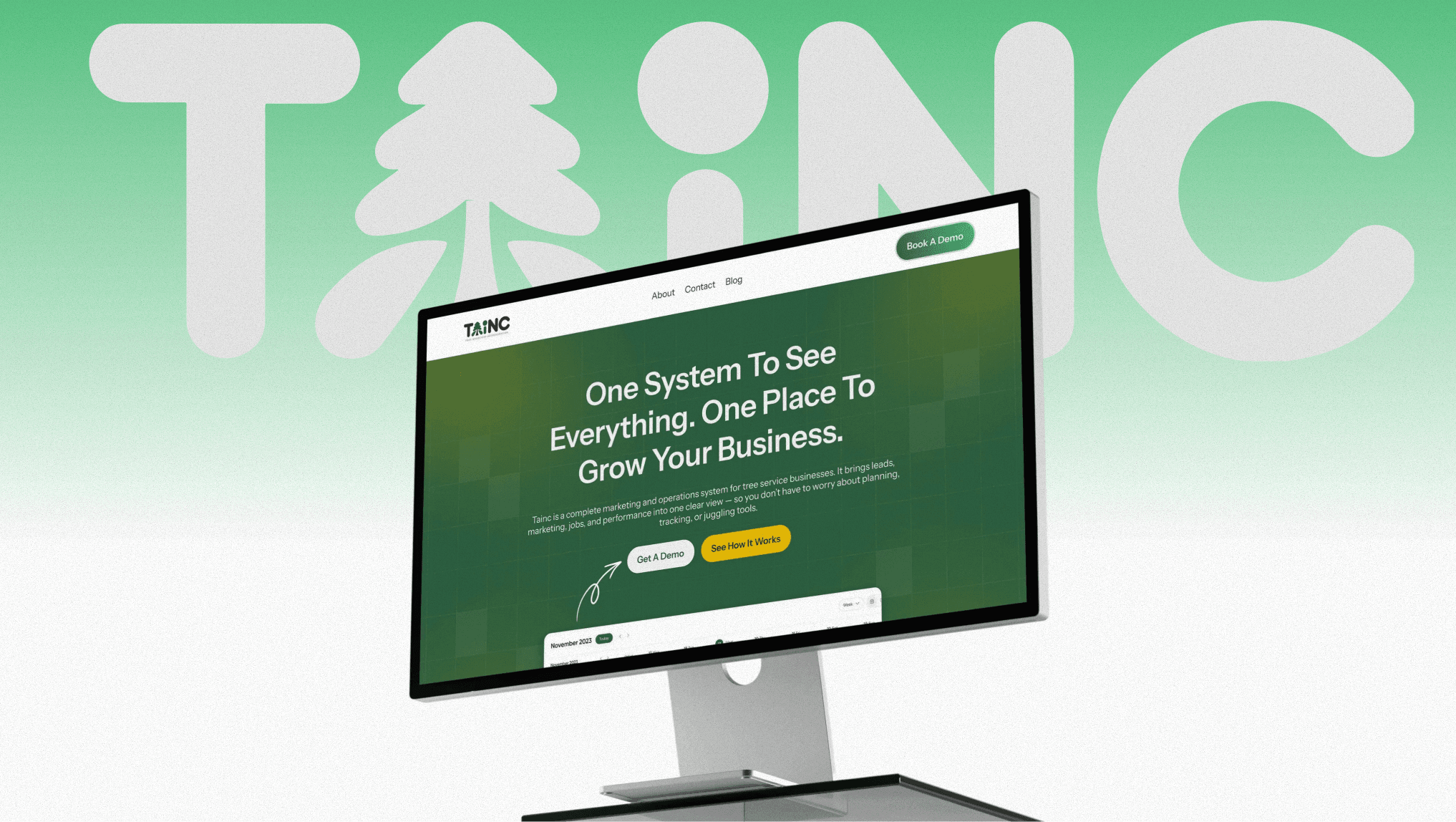
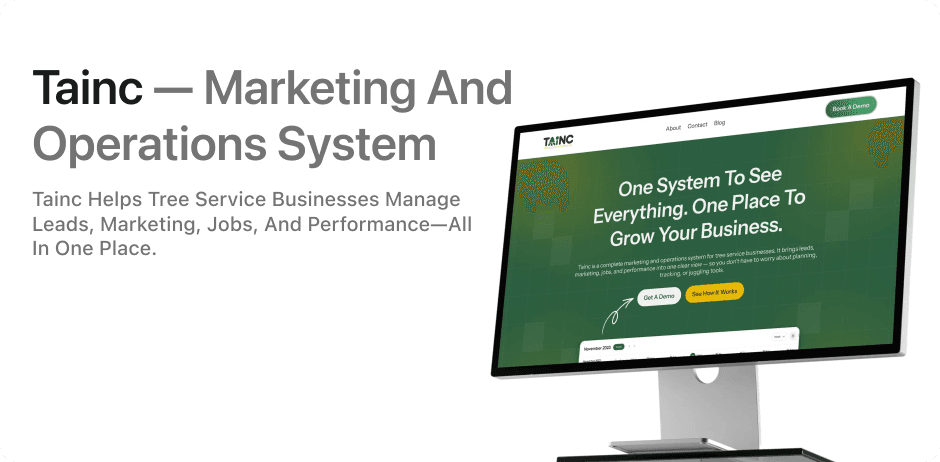
The tree service company behind Octopi's all-in-one growth platform shows what that looks like for a home service business: one brand, applied the same way everywhere a customer runs into it.
Why This Shows Up in the Close Rate, Not Just the First Impression
Visual consistency isn't only about looking polished. It's what lets a homeowner trust the number on the estimate before meeting the crew. Octopi has written before about how branding decisions move conversion rate in a different trust-heavy field, and the same logic holds here.
Start with whichever touchpoint gets seen first, usually the truck, and work backward until the invoice, the uniform, and the website all tell the same story.
Cover photo by Viridiana Rivera on Pexels
Sources
- 2026 Forecast: 5 Field & Home Service Industry Trends to Watch — Housecall Pro
- Major Shifts in How Homeowners Choose Contractors — ImproveIt360