

















Users often abandon a webpage within 10 to 20 seconds unless something on it signals real value fast, according to research from the Nielsen Norman Group. For a clinic or practice, that window closes before a visitor reads a line about symptoms or services.
A dated logo, a cluttered homepage, or a name that no longer matches the business can burn through it fast. Healthcare rebranding earns its spot on the priority list once that gap grows too wide to ignore.
When Healthcare Rebranding Actually Makes Sense
Growth is the most common trigger. A single-location practice that adds a second office, a new specialty, or a telehealth arm often keeps running on visual branding sized for a business a third its current scale.
Mergers push the same problem further. Two organizations combining have to decide fast whether they operate under one name or several.
Service-line expansion causes the same drift on a smaller scale. A dermatology practice built around acne treatment that later adds medical aesthetics, or a physical therapy clinic that adds a sports medicine track, reaches a point where the old name undersells what the front desk books every day.
Patients researching care expect the site to describe what's on offer now, not what was offered five years back.
What Patients Read Into an Outdated Brand
Monigle surveyed 30,492 American adults for its healthcare brand report, published through Advisory Board in May 2026. The finding that stands out is how many people no longer take their provider's judgment on faith.
Twenty-eight percent of respondents said they distrusted their provider to make sound decisions on their behalf.
That number matters because a website or a set of materials that reads as generic, inconsistent, or out of step with the care being delivered is one of the fastest ways to plant that doubt before a first appointment happens.
A meaningful share of respondents in the same survey had already switched providers after losing trust in one, and rushed or impersonal care was the most common reason given.
Millennials and Gen Z respondents trusted providers less and avoided healthcare more than older generations did. That matters for any practice building a patient base through search and social rather than referrals, where the first few seconds on a site do more persuading than a front-desk conversation ever could.
The Rebrand Work Nobody Sees

Photo by Elīna Arāja on Pexels
A rebrand that stops at the logo misses the parts that actually decide whether new patients find the business at all.
Google's own guidance for Business Profiles treats a name change as either minor or significant. A minor edit, where the proper nouns and the services described stay the same, can usually be updated in place.
A significant change, the kind a real rebrand produces, requires closing the existing profile and verifying a new one from scratch. Old reviews and old search rankings don't carry over automatically, which is exactly what tripped up the practices in our own healthcare local SEO case study.
Every directory, insurance listing, and piece of signage has to match exactly, down to how a suite number or a phone number is formatted, or the inconsistency itself becomes the thing patients and search engines notice.
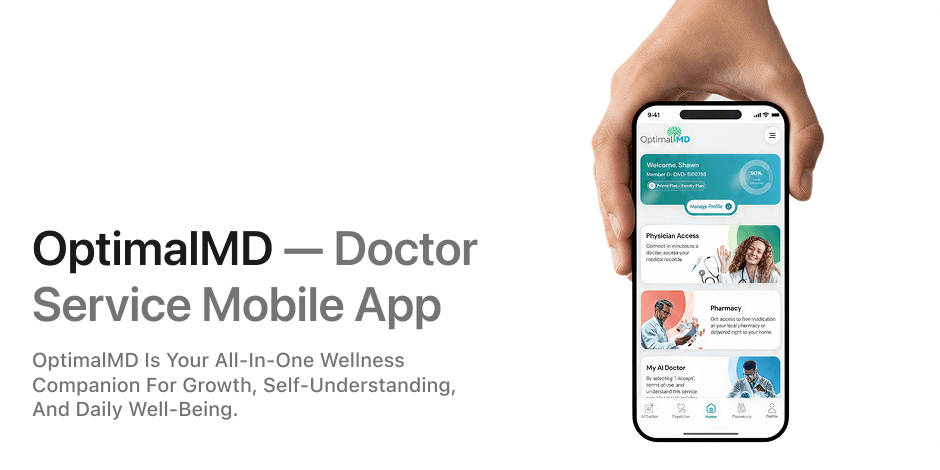
Our work with OptimalMD is a case in point. The visual identity was never the hard part. Getting every listing, login, and page to agree with it was.
The name and the logo are the visible parts of healthcare rebranding. What protects the return on it is the audit nobody sees: every listing, every login, every place a patient might land, checked and matched before the new site goes live.
Cover photo by Antoni Shkraba on Pexels
Sources
- Nielsen Norman Group: 20 Years — Nielsen Norman Group
- The 20 most-trusted brands in healthcare, according to Monigle — Advisory Board