


















A tree crew can be the best climbers in the county and still lose a removal job to a rival with a sharper Google listing and three more recent reviews.
That's the gap most tree service marketing ideas miss. Owners sink money into a truck wrap or a mailer, then wonder why the phone stays quiet.
Homeowners calling about a downed limb rarely shop around the way they would for a kitchen remodel. They pick fast, based on trust signals they can check in under a minute: a Google Business Profile, a few recent reviews, a truck that says "licensed and insured."
Trust signals matter more in tree care than in most trades
Every storm season, state consumer protection offices repeat the same warning.
Wisconsin's Department of Agriculture, Trade and Consumer Protection cautioned homeowners about crews promising that insurance would cover the whole bill, then billing far more than insurance paid. Some threatened a lien if the homeowner didn't pay within 30 days.
That reputation is what every legitimate tree service competes against. Someone who's heard even one story like it wants proof before letting a stranger near their roofline.
The fix is mostly about what you show, not what you say:
- License and insurance numbers, visible on the website and the truck, not buried in a footer.
- Photos from your own recent jobs, not stock shots of someone else's oak tree.
- A written estimate before any work starts, with scope and price on paper.
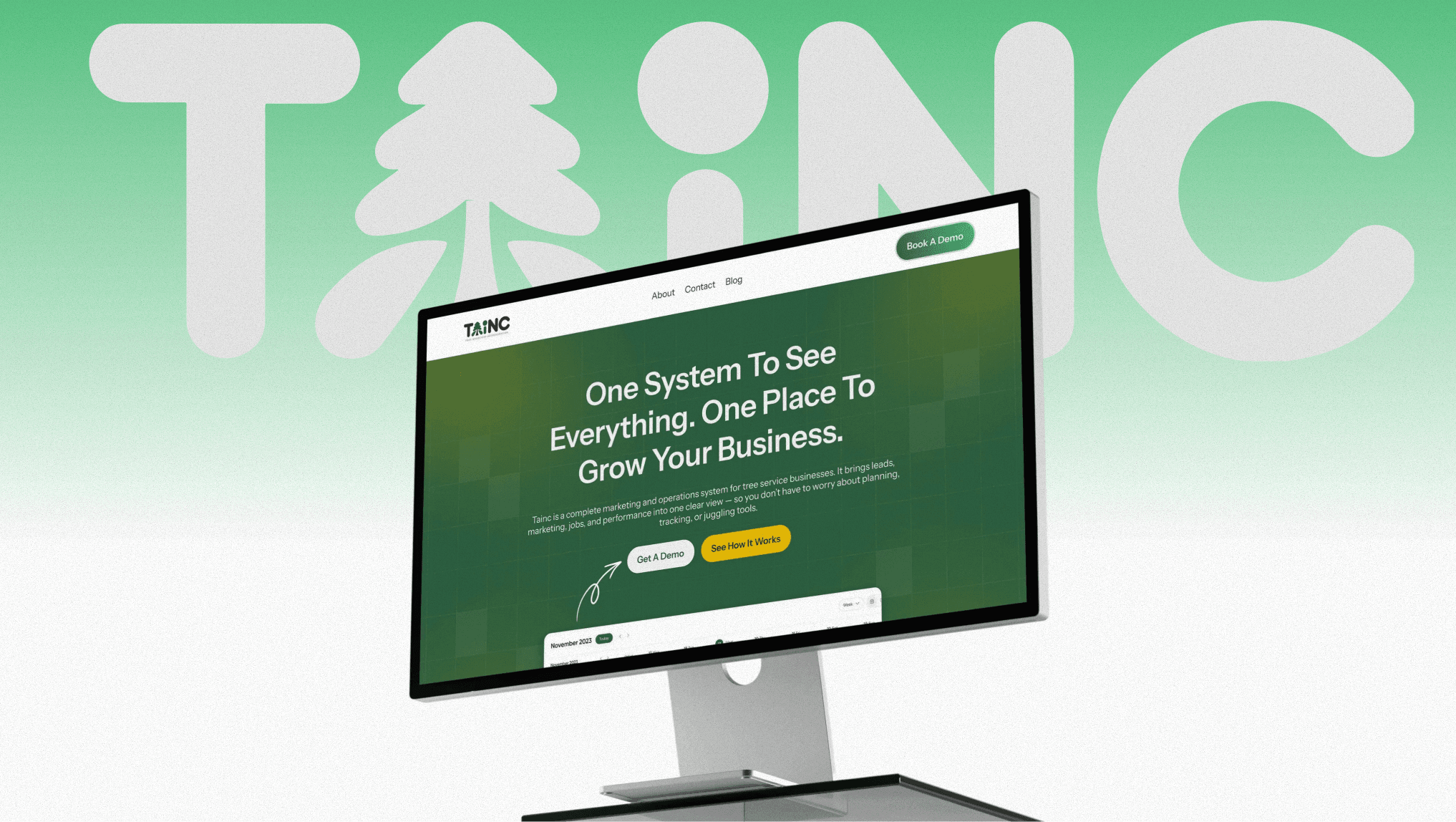
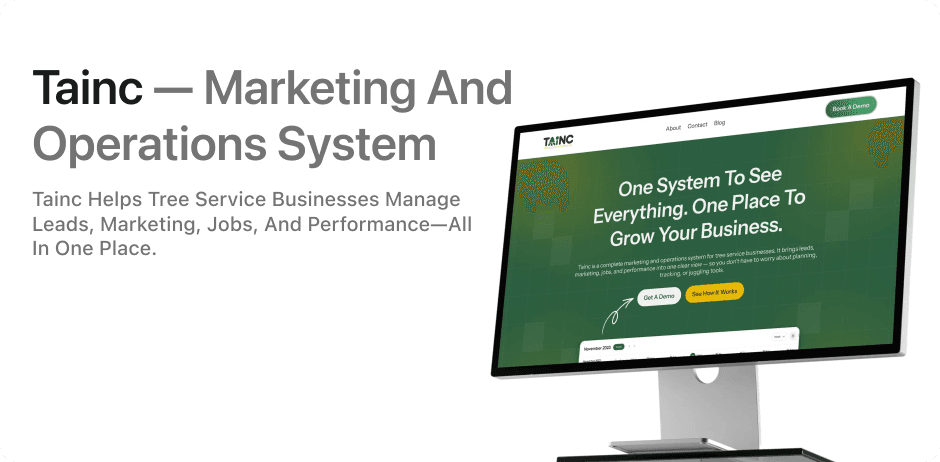
None of that costs much. It has to be visible before the phone rings. One tree service company rebuilt its site around exactly that, in an all-in-one growth platform built for tree service businesses, and started winning calls that used to go elsewhere.
Local search is where most tree service marketing ideas start and stop
Once trust is visible, the next fight is getting found at all. BrightLocal's 2026 Local Consumer Review Survey found that most homeowners read reviews before calling anyone, and 68% now won't consider a business rated under four stars.
Recency matters too. That same survey found people want reviews from the last few months, not ones untouched for years.
Competition for that visibility isn't shrinking, either. The Tree Care Industry Association ended 2024 with 1,370 member companies, well below its ten-year average, a drop it tied to rising costs and to mergers folding smaller operators into larger ones.
Fewer independent shops means the ones left are fighting harder for the same searches.
A claimed, regularly updated Google Business Profile, backed by real photos and a trickle of reviews, is the cheapest way to keep showing up.
Keeping it current is work most crews don't have time for, so it usually goes to a digital marketing and growth partner instead of getting squeezed between jobs.
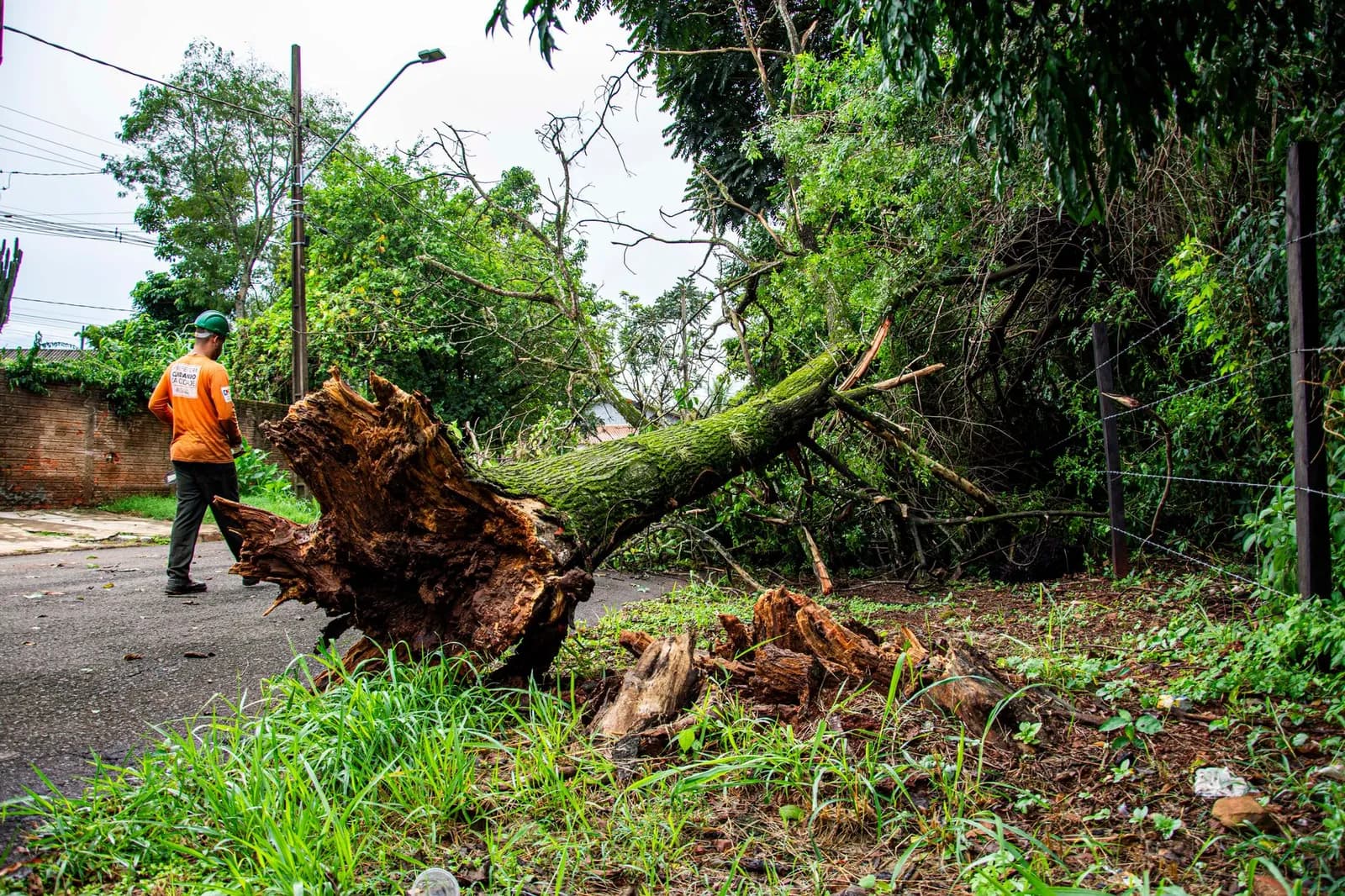
Turn one storm job into five years of pruning work

Photo by Markie Mad on Pexels
The homeowner who called about storm damage this spring is also next year's pruning customer, if anyone remembers to ask.
Email earns its keep here. The UK's Data & Marketing Association, in its Email Benchmarking Report 2026 published in July, recorded record click-through rates and falling unsubscribe rates across the channel.
A short sequence, sent every spring and fall, reminding past customers that storm season is coming or that pruning now beats a bigger bill later, does most of the work on its own.
The part that takes effort is remembering who to send it to, a job for the CRM that already tracks the invoice, not a spreadsheet updated twice a year.
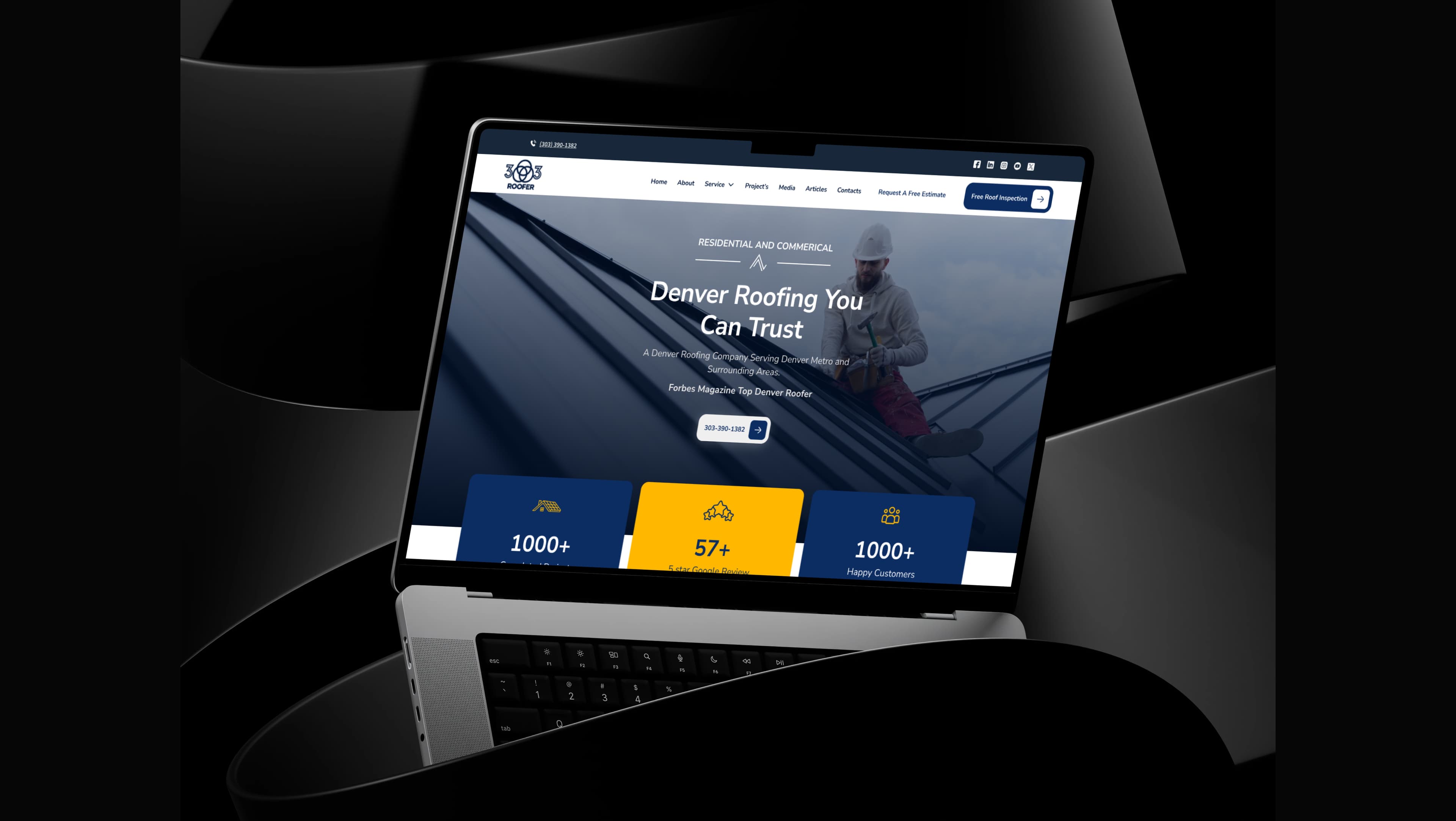
We've set up exactly this for service businesses before: a GoHighLevel CRM setup that keeps follow-ups running on their own, paired with automation for jobs owners can't get to that sends that email the day a job closes.
It doesn't need a bigger ad budget. What it needs is someone remembering to ask a customer who trusts you for the next job.
Cover photo by Gastón Mousist on Pexels
Sources
- Consumer Alert: Tree Removal Scammers Reported After Storms — Wisconsin DATCP
- Local Consumer Review Survey 2026 — BrightLocal