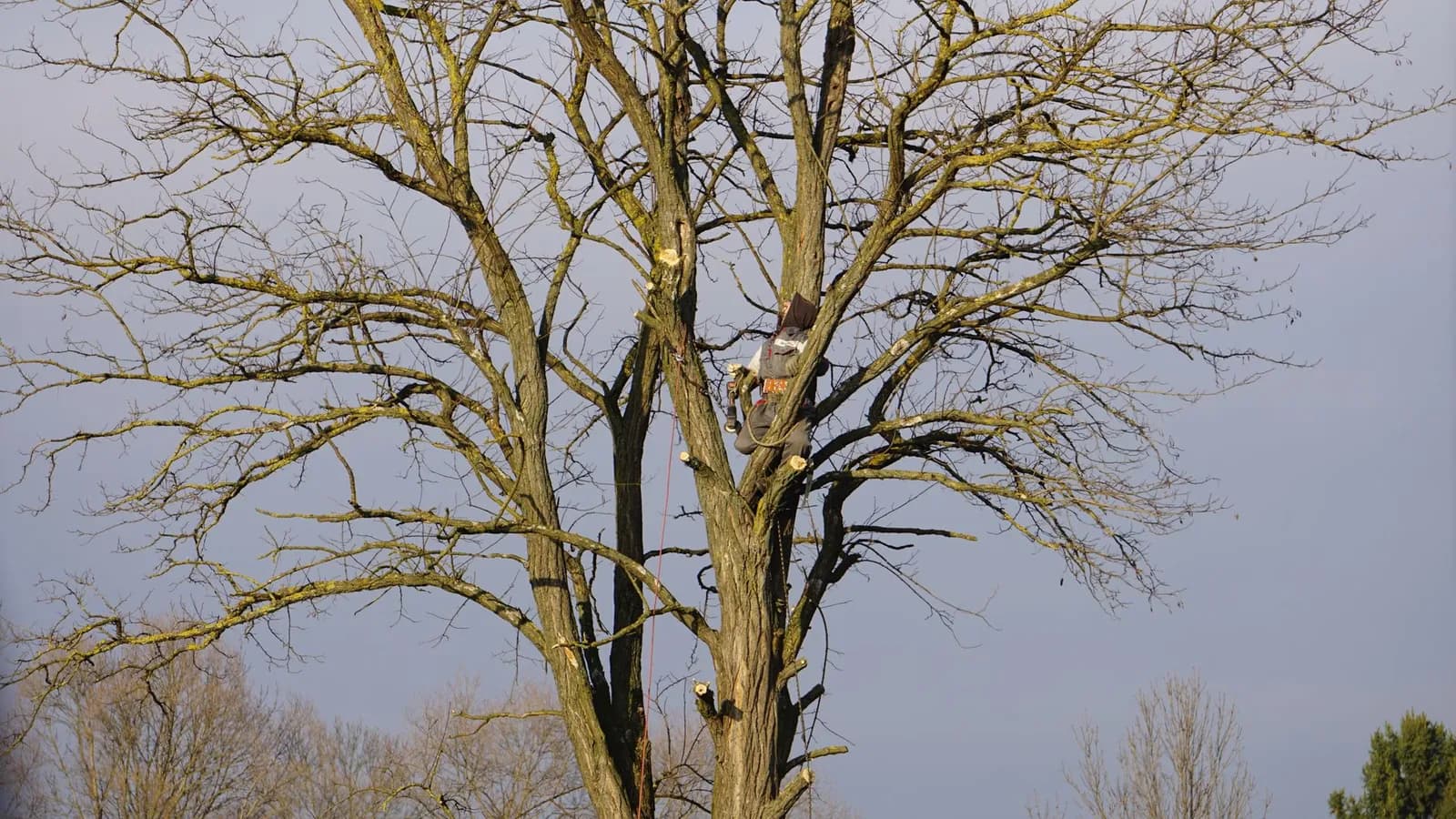

















A homeowner with a cracked limb over the driveway doesn't comparison-shop for long. They call whoever shows up first with a verified badge, a stack of recent reviews, and a credential they recognize.
That's where most arborist marketing strategies go wrong. Money goes into ads before the Google Business Profile, the certification, and the review history are even in order, so the ad sends traffic to a page that doesn't convert it.
Fix the order and the rest gets easier.
The Arborist Marketing Strategies That Start With Google Business Profile
Google decides how a tree company ranks locally using two main signals. Relevance is how well your profile matches what someone typed in, built from complete and detailed business information. Prominence is closer to reputation: how many sites link to you, and how many reviews you've collected.
That second signal is why a four-year-old profile with forty reviews can outrank a brand-new one with sharper photos.
Google's own guidance on local ranking is specific about it. More reviews and positive ratings help a business's local ranking, and responding to them shows you value the feedback rather than ignoring it.
Service area pages, categories and photos matter, but they mostly feed relevance. Reviews and backlinks feed prominence. A digital marketing strategy built for tree work usually needs both moving at once, not one finished before the other starts.
None of this happens automatically. A profile with outdated hours, a vague category, or no photos from real job sites weakens both signals at once, no matter how much gets spent on ads pointing at it.
Why Google's Local Services Ads Are Worth the Screening
Local Services Ads place a business above the regular organic results and the paid search ads beneath them, but only after it clears a screening process Google runs on the business, the owner, and every field worker on the roster.
The checks cover identity and criminal history, cross-referenced against national sex offender and sanctions registries.
Google is explicit that none of it involves a credit pull. Businesses also have to submit active licenses and proof of insurance, and those documents need to stay valid for at least fourteen days to be accepted.
None of that costs the business anything. Google states plainly that businesses aren't charged for the background check itself, whether or not they end up with the badge.
For an arborist, that screening is the pitch, not the obstacle. A homeowner who can't tell one tree company from another will trust a verified badge over a yard sign, because someone other than the company vouched for it.
Our guide to Google Ads and PPC for tree service companies covers how to run the paid side of this alongside it.
Put Your ISA Certification Where Homeowners Can See It
The International Society of Arboriculture built its certification specifically so consumers can tell a qualified tree care professional from someone with a chainsaw and a truck. That's the credential's stated purpose, in ISA's own words.
Earning it takes real time. Candidates need three years of full-time arboriculture experience, or a mix of related coursework and practical hours, before they're eligible to sit the exam.
The ISA's own program guide lays out a 200-question written exam covering ten knowledge areas: tree biology, tree identification and selection, soil management, pruning and more.
Most arborists who hold the credential bury it in an about page footer. Put it where an estimate actually gets read: the proposal template, the email signature, the Google Business Profile description. A credential nobody sees doesn't do any marketing work at all.
The same goes for crew certifications and safety training tied to a specific job. A homeowner comparing three quotes rarely asks about them directly, but seeing them listed answers the question before it gets asked.
Reviews Change Where You Rank, Not Just How You Look
It's tempting to treat reviews purely as reputation management. Google's own documentation says otherwise. Reviews feed directly into the prominence factor that decides local ranking, alongside how many sites link back to the business.
A thin review count doesn't just look sparse to a homeowner scrolling past it. It signals to the ranking system that the business is less established than a competitor three listings down with triple the review count.
Ask for the review right after the job, while the stump grinder is still loading onto the trailer. Our lead generation guide for tree services covers the timing and scripts that actually get a review written instead of promised and forgotten.
Use Nextdoor the Way It's Actually Built to Work

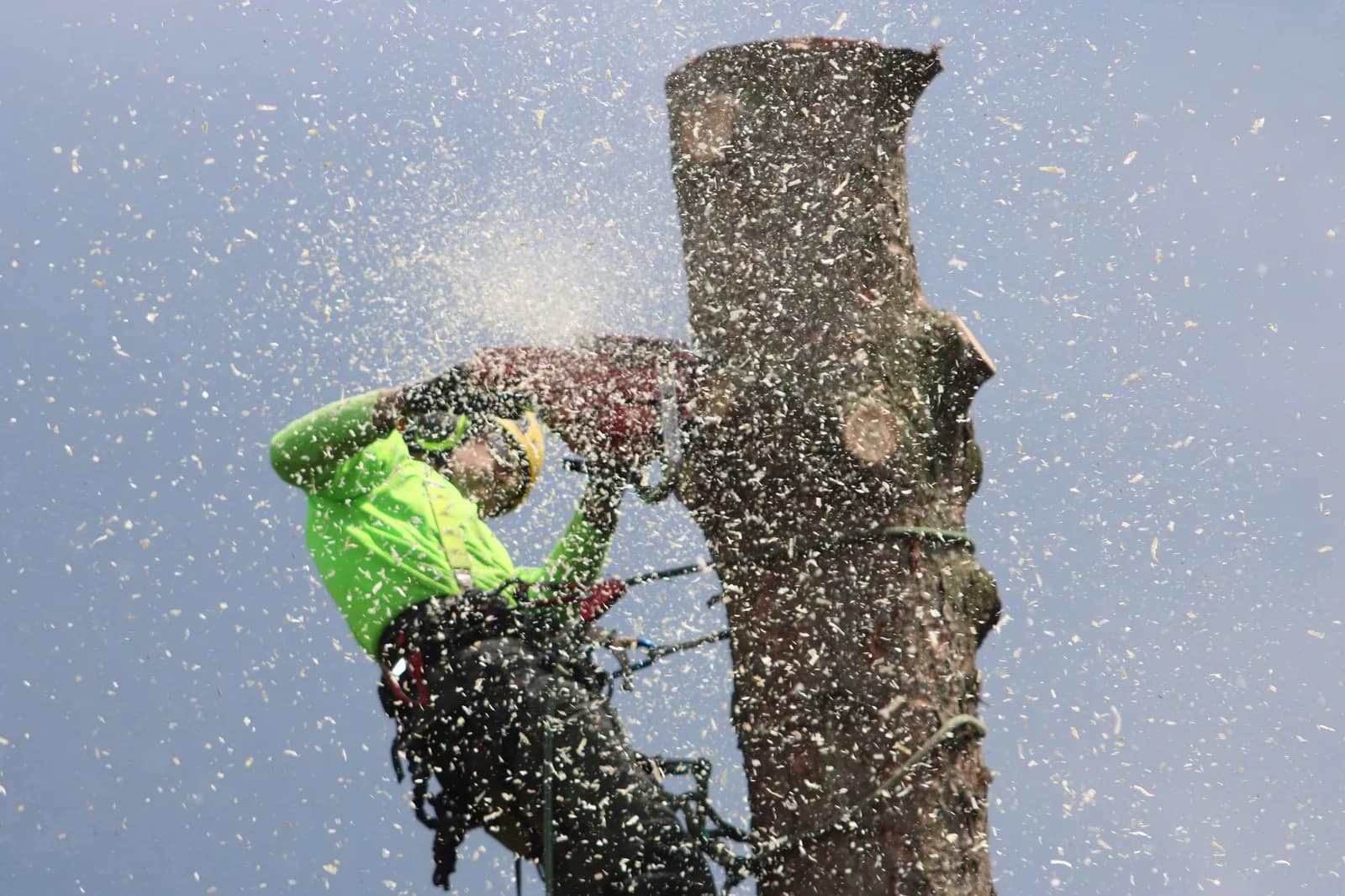
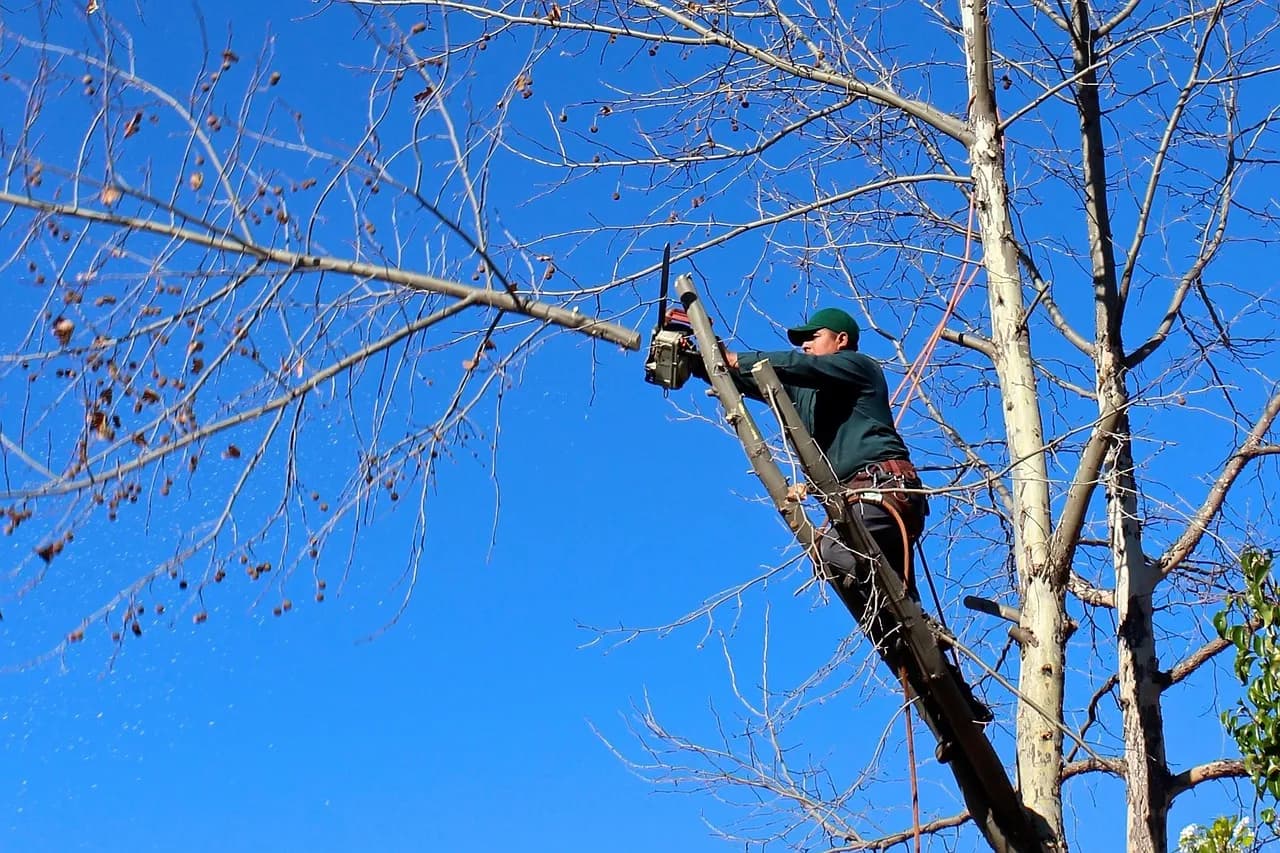
Photo by Liliana Drew on Pexels
Nextdoor's own pitch rests on one idea: neighbors trust a recommendation from someone on their own street more than they trust an ad. The platform builds four separate tools around that, not one generic listing.
- A Business Page, the free profile neighbors find when they search for or recommend a company like yours.
- Business Posts, which Nextdoor calls the most visible spot on the platform, useful for storm cleanup availability or seasonal pruning reminders.
- Local Deals, the paid option with neighborhood-level targeting for driving calls during a slow stretch.
- Neighborhood Sponsorships, a paid placement meant to keep one company top-of-mind as the local expert.
Start with the free page and posts before paying for placement.
Storm damage work especially spreads by word of mouth on Nextdoor faster than on almost any other channel, because the whole platform runs on neighbors talking to neighbors. Our roundup of tree service marketing ideas has more on turning one finished job into the next three.
Don't Let a Good Lead Go Cold Waiting on a Callback
None of the above matters much if a lead sits in a voicemail inbox for six hours. Tree jobs are often urgent, and the company that answers first usually wins the estimate.
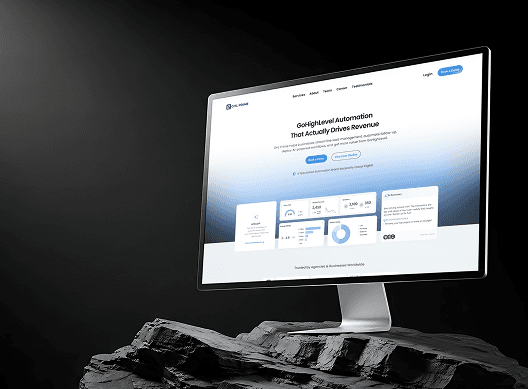
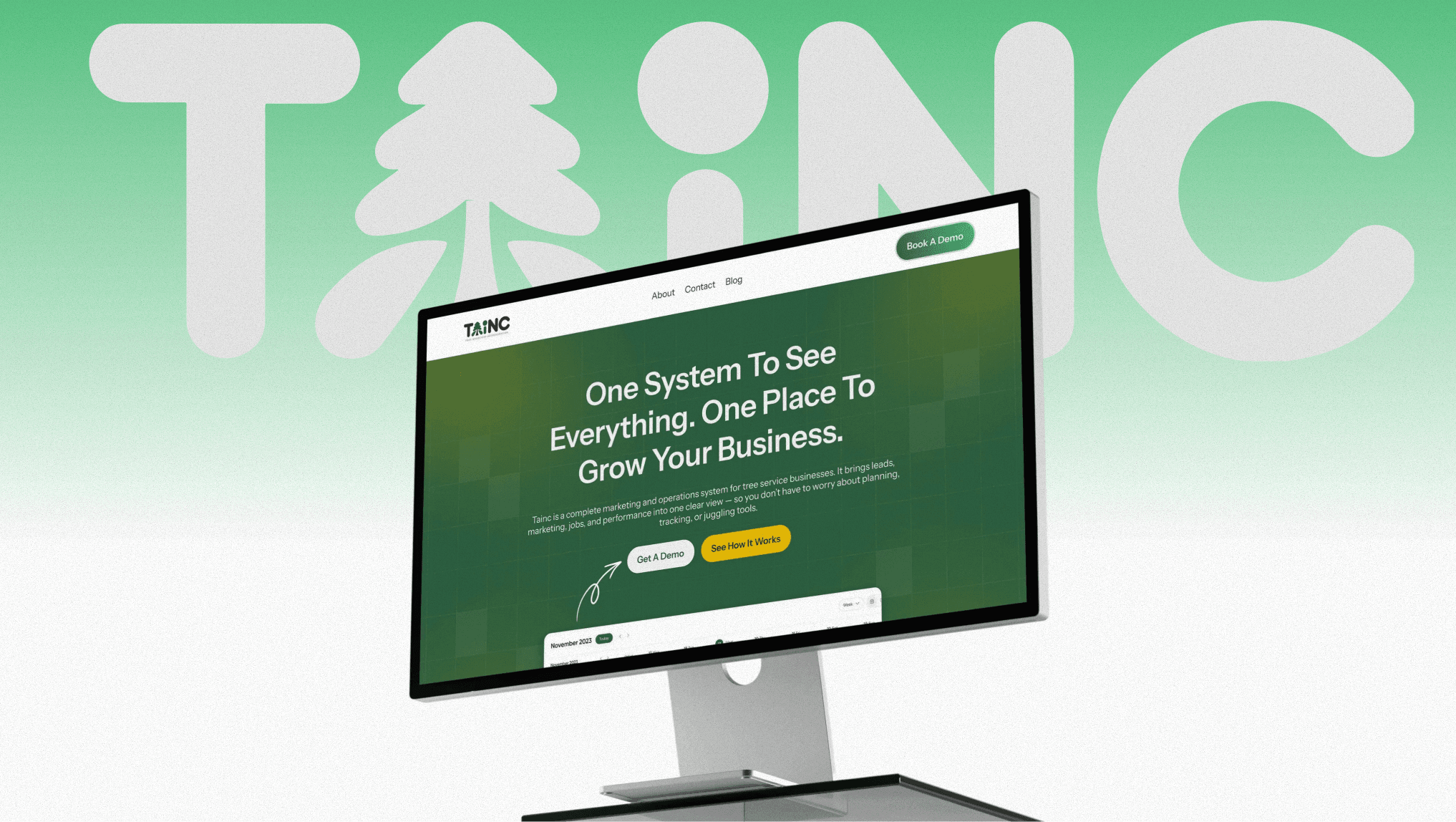
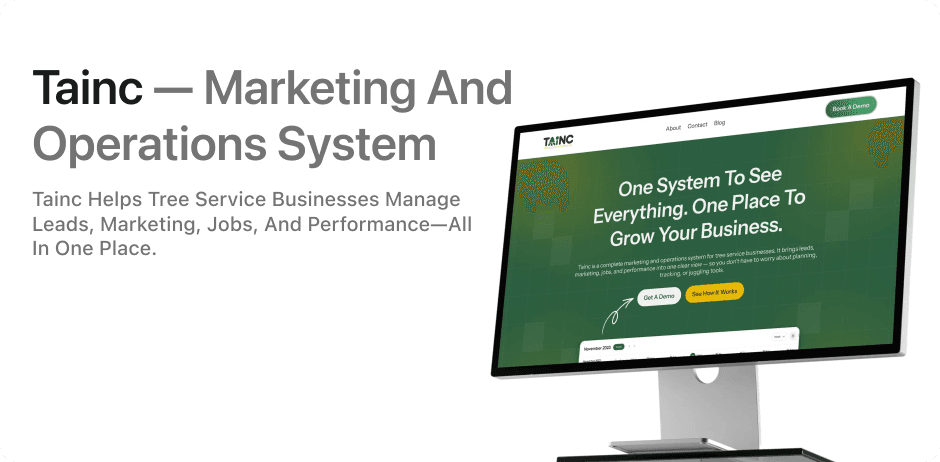
When we built TAINC's growth platform, the business was losing leads to slow manual response and marketing spend nobody could trace back to a closed job.
One dashboard now handles lead capture, crew scheduling, AI-assisted proposals and billing in one place, launched in 2026 and offered to tree service companies at tiered pricing from $99 to $399 a month.
That kind of automation protects the return on everything above it.
A lead captured from a Google Business Profile or a Nextdoor post is only worth as much as how fast the first reply goes out. Read the full case study, or see how we approach AI and automation for service businesses more broadly.
Frequently asked questions
Does Google charge for the Local Services Ads background check?
No. Google states that businesses aren't charged for the background check, regardless of whether the business ends up approved for the badge.
What does the ISA Certified Arborist exam actually cover?
It's a 200-question written exam spanning ten knowledge areas, including tree biology, tree identification and selection, soil management, installation and establishment, and pruning. Candidates need three years of full-time arboriculture experience, or a combination of related coursework and practical hours, before they're eligible to sit it.
Can I use Nextdoor without paying for ads?
Yes. A Business Page and ordinary Business Posts are free, and Nextdoor positions them as the starting point. Local Deals and Neighborhood Sponsorships are the paid tools, built for neighborhood-targeted ads and top-of-mind placement rather than basic visibility.
Do reviews really affect ranking, or just reputation?
Both. Google's own ranking documentation lists reviews as a direct input into the prominence factor that determines local search position, separate from how complete or accurate the profile information is.