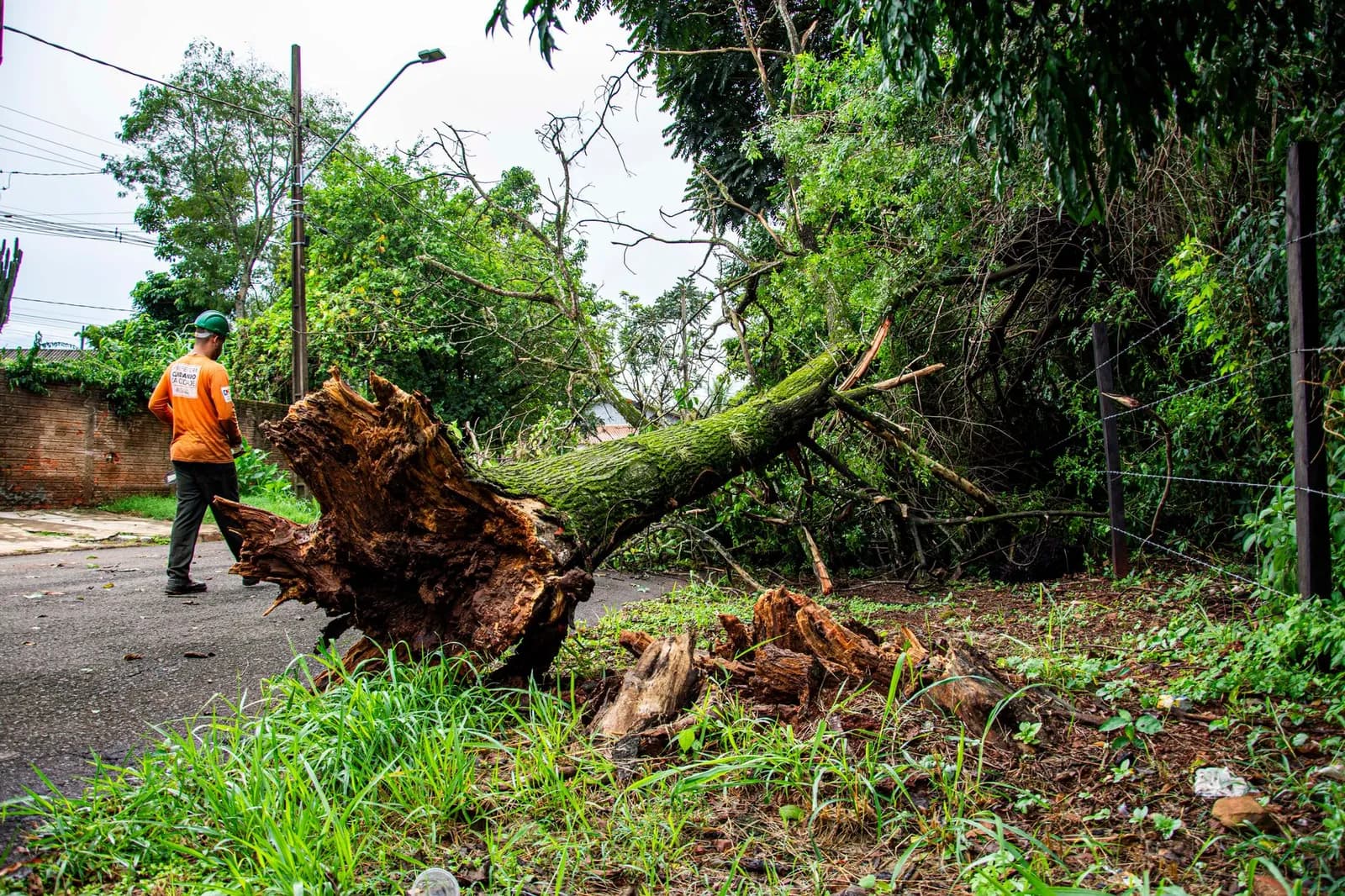
















A homeowner with a leaning oak after a storm doesn't scroll past the first three results on Google Maps.
This tree service SEO guide 2026 looks at what actually moves a tree care company into those top three spots, based on surveys published this year rather than folklore passed between marketing agencies.
Most of that folklore focuses on the wrong things. Blog frequency and keyword density get talked about far more than they get rewarded. What actually moves the needle is narrower, and it's measurable.
Tree Service SEO Guide 2026: Where the Points Actually Go
Whitespark's 2026 Local Search Ranking Factors report surveyed 47 local search experts across 187 individual ranking factors, scoring each one for its impact on map pack visibility.
The results put a handful of Google Business Profile details well ahead of everything else.
| Factor | Whitespark score | What it means for a tree crew |
|---|---|---|
| Primary GBP category | 227 | List as "Tree Service," not "Landscaper" |
| Proximity to the searcher | 225 | Largely fixed by your yard's address |
| Keywords in the business title | 223 | Your legal name on the profile, not a slogan |
| Physical address in the search city | 213 | A real address beats a service-area-only listing |
| Open at the time of the search | 189 | Hours set correctly for storm-call urgency |
None of that requires a redesign. It requires someone to sit down with the profile and get the category, the name field, and the hours right, then leave it alone.
Reviews Carry More Weight Than They Did Two Years Ago
The BrightLocal Local Consumer Review Survey, run in February 2026 across 1,002 US adults, found that 74% of people look for reviews written within the last three months.
Star ratings have moved too: 31% of consumers now say they'll only use a business rated 4.5 stars or higher, sharply up from the year before.
That shift matters for a seasonal trade. A crew that filled up with reviews during a busy spring and went quiet through the fall is competing against companies whose profiles look active every month.
Building that habit into a digital marketing and growth routine, rather than a once-a-year push, keeps a profile inside the window people are actually checking.
Responding matters as much as collecting. BrightLocal also found that consumers are far more likely to use a business that replies to its reviews, though generic, copy-pasted replies put off about half of them.
A short, specific reply to a real cleanup job beats a template thanking everyone the same way.
The Three Factors Google Says It Actually Uses

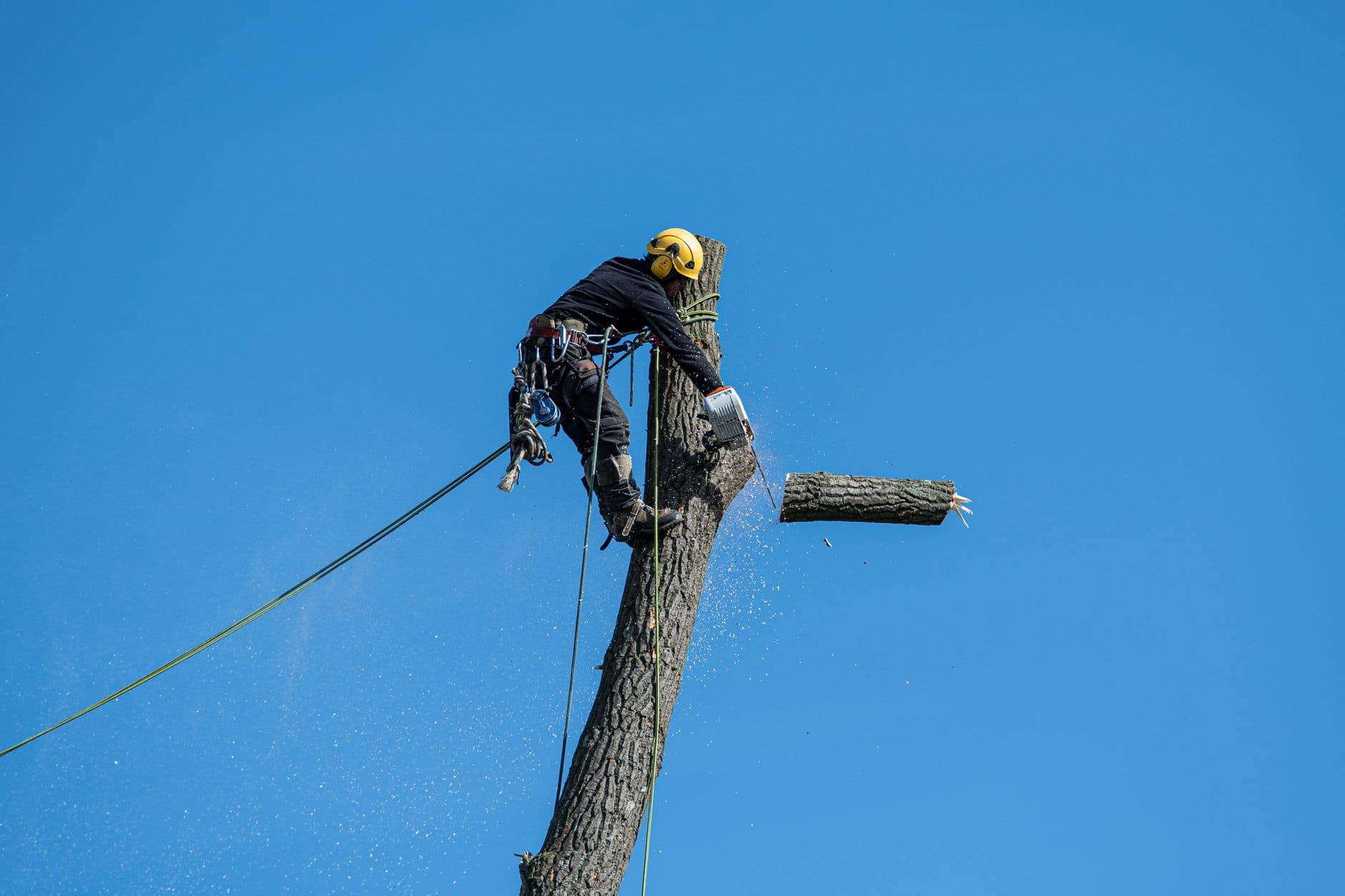
Photo by Sarah Blocksidge on Pexels
Google's own help documentation for Business Profile ranking names three factors: relevance, distance, and prominence.
Relevance comes from how completely a profile describes the business. Distance is mostly fixed by the searcher's location. Prominence is built through reviews and through other websites linking to the business.
That third one, prominence, is where a tree service's website does real work instead of just existing.
A site with a dedicated storm-damage removal page, written for the actual job someone is searching for rather than a generic "services" list, gives Google something specific to match against a specific query.
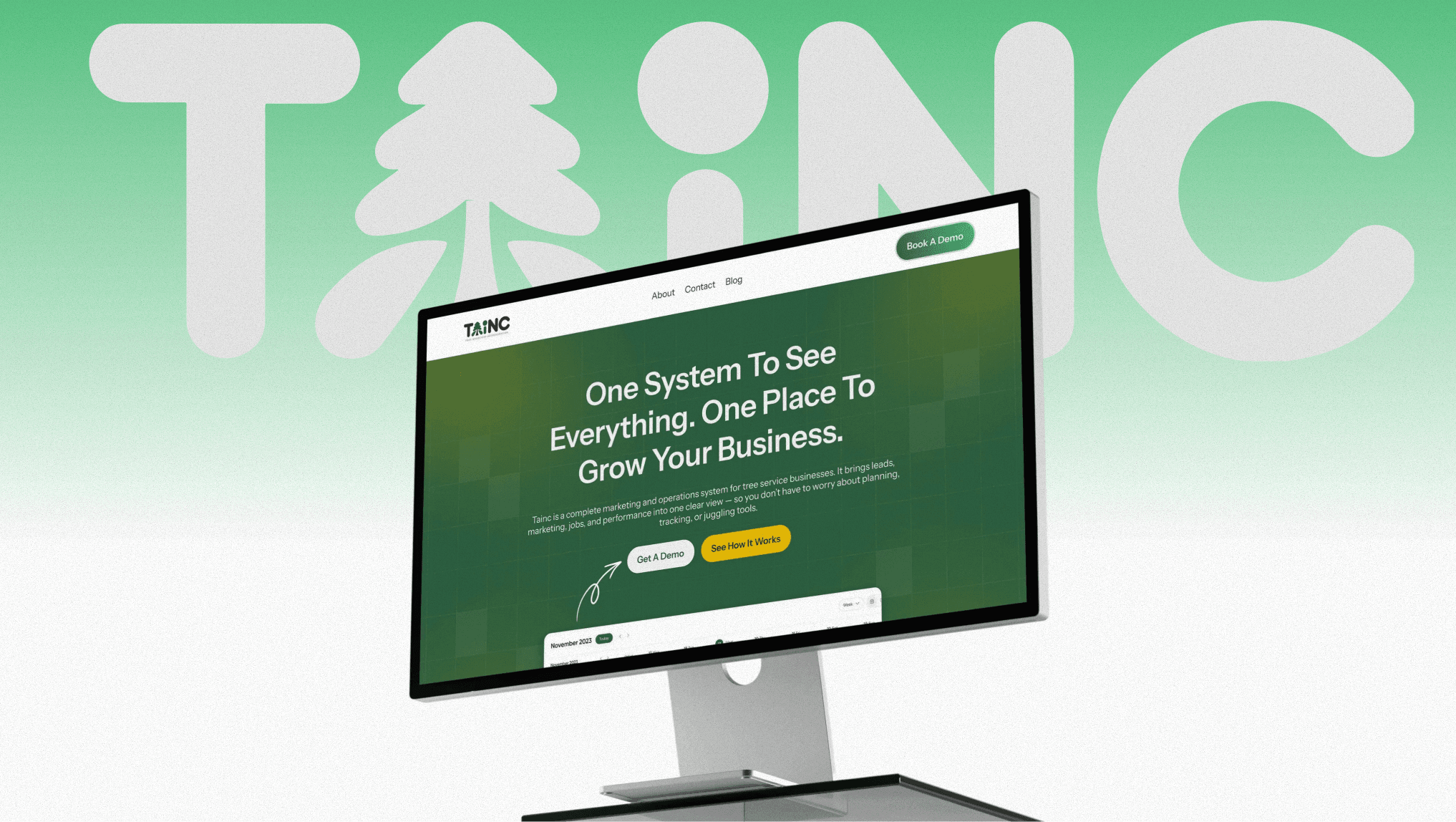
We built exactly that kind of structure for one client in our growth platform work for a tree service business, tying the booking flow to the pages ranking for the jobs people were actually searching.
None of the three factors Google names rewards a blog post stuffed with keywords. They reward a complete profile, a site that answers the actual question, and a review pipeline that doesn't go quiet between storms.
Our own rundown of tree service marketing ideas that actually bring in jobs covers the lead-generation side of the same problem. Start with the profile, keep the reviews current, and let the website carry the rest.
Sources
- 2026 Local Search Ranking Factors Report — Whitespark
- Local Consumer Review Survey 2026 — BrightLocal