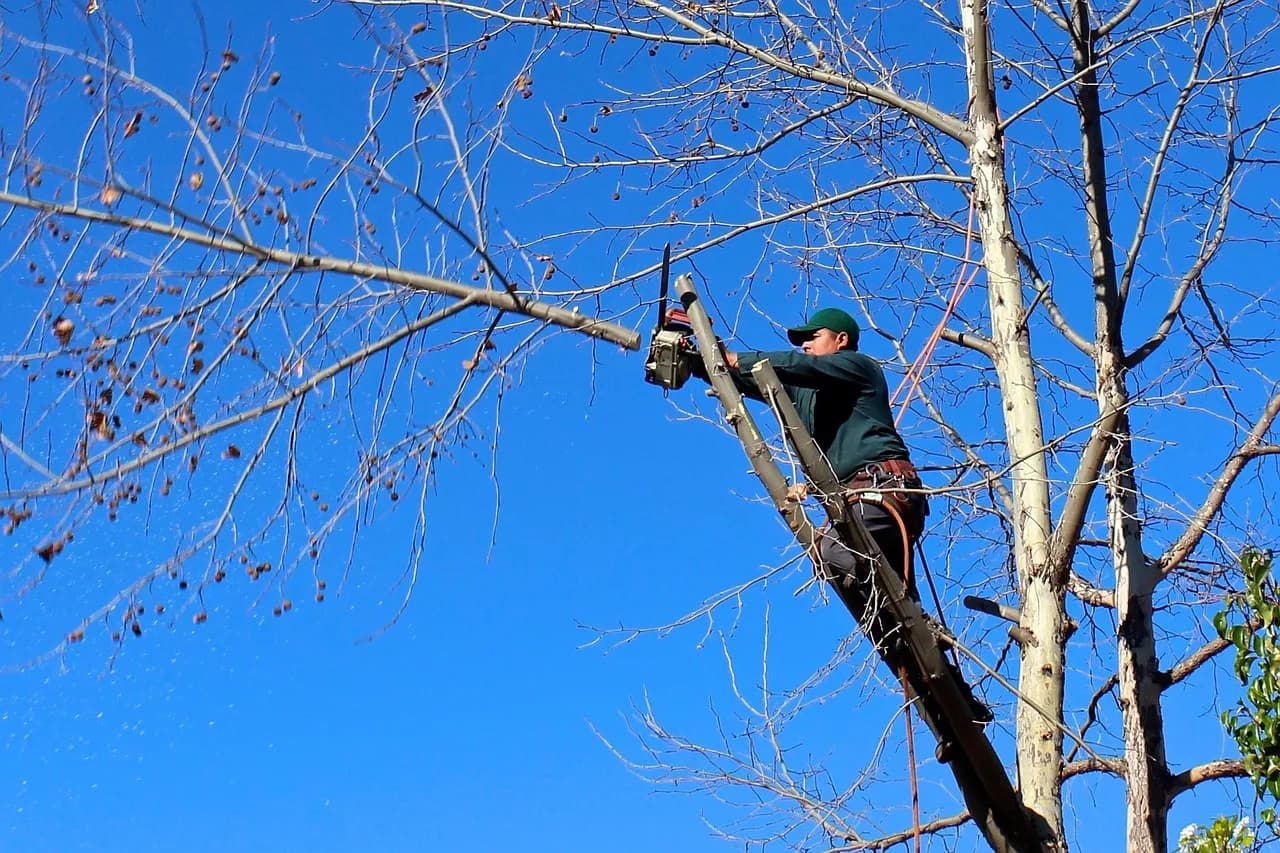












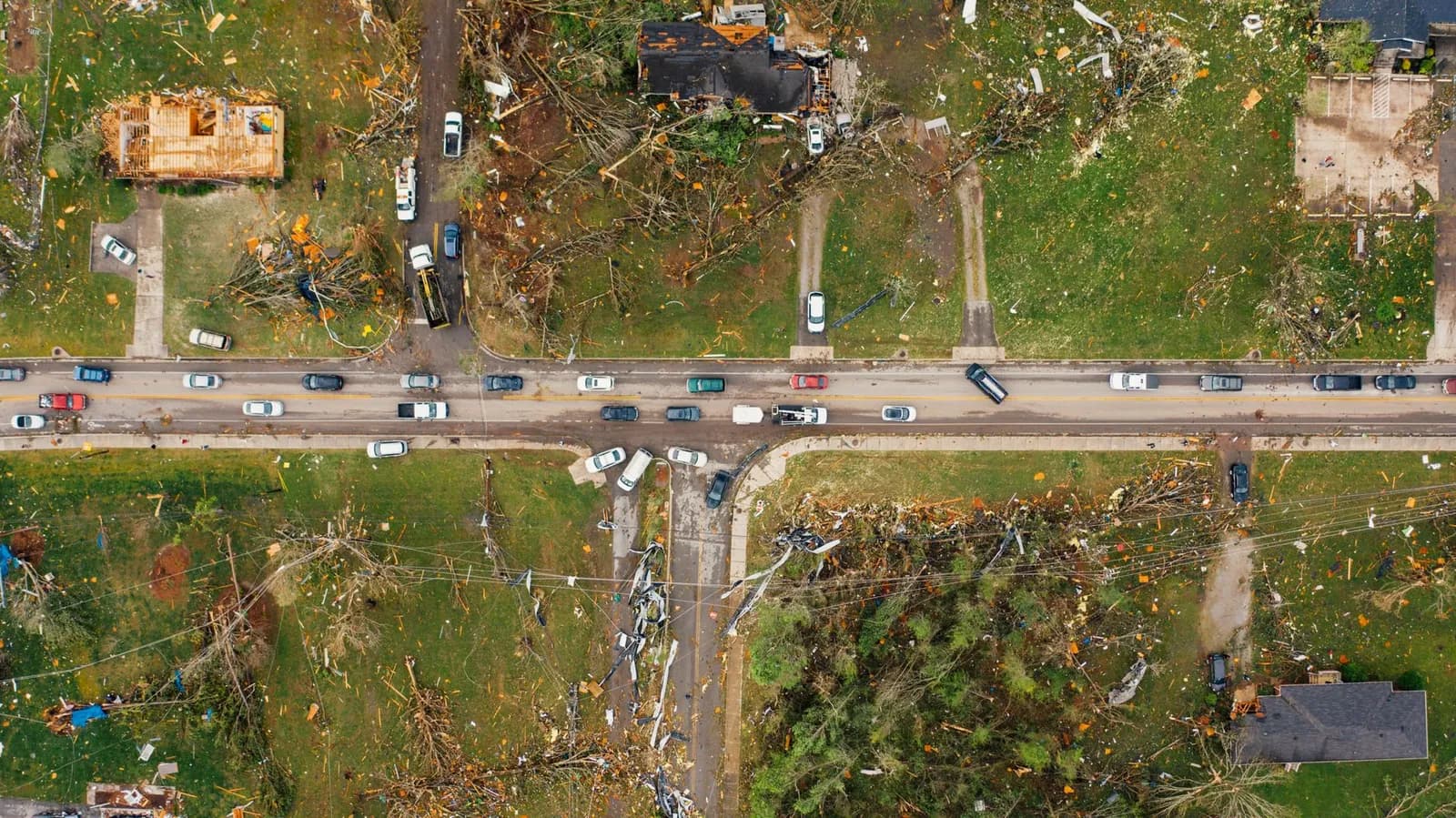
A homeowner with a trunk across the driveway isn't comparing five quotes. They're calling the first company that looks real and picks up, which makes storm damage tree removal marketing a contest of speed and visibility, and most of it has to be built before the first branch falls.
This guide covers what to set up in the quiet weeks, where paid ads fit, and how to stand out from the out-of-town crews who arrive the day after.
Why storm damage tree removal marketing is won on speed
Emergency demand arrives all at once and expires quickly. A hazard tree over a bedroom or a limb through a fence gets a call within hours, and the searcher takes whichever result shows a phone number, a service area that includes their street and a business that seems local.
That changes what you spend on. Polished brand work matters less in the week after a storm than three plain things: being findable for the search, looking trustworthy at a glance, and answering the phone or text before a competitor does.
For the year-round side of the picture, our guide to tree removal marketing that gets the phone to ring covers what keeps leads steady between storms. This piece is about the spike.
Build a storm page before the storm
A dedicated emergency page does a job your homepage can't. It speaks to one person in one situation, and it can carry a phone number at the top, a short form and a list of the towns you cover.
Keep that form to a name, a phone number and a street address. Someone standing in a yard with a dead phone battery will not fill in eleven fields, so every field beyond those three is a lead you chose to lose.
Put the page live in the off-season. A page created the morning after a storm has no history with search engines and nothing linking to it, so it starts behind every company that prepared. If your main site is still weak on mobile, fix that first, and what makes a tree service website convert visitors is the place to start.
Get your Google Business Profile ready for emergency searches
For a person searching on their phone, the map result is often the whole decision. Your profile needs to say plainly that you handle emergency and storm work, not only routine pruning, and it needs accurate hours, the right service areas and recent photos of real jobs.
Reviews that mention a fast response carry weight here, because speed is what this searcher is buying. Ask for them after urgent jobs, while the customer's relief is fresh.
We go through every field in our breakdown of what to optimize on a tree service Google Business Profile, and the neighbourhood side of ranking is in how tree services rank in their own area.
Local Services Ads or search ads: which to run in storm season
If you can only fund one paid channel, start with Google's Local Services Ads. Google describes them as pay-per-lead: you pay only for leads related to your business and the services you offer, not for every click. In a week when curious and panicked people tap everything on the screen, that matters.
There's a catch that suits companies who already answer quickly. Google says that if you regularly fail to answer calls or respond to messages, your ad ranking may be affected. An ad budget with nobody on the phone works against itself.
Regular search ads give you more control over wording and landing pages, and they're where a storm page earns its keep: send emergency keywords to that page instead of your homepage. They also reward someone watching the account, because a campaign left alone after a storm can spend budget on terms that don't match the work your crews can take.
The honest recommendation is to run Local Services Ads as the baseline, add search ads aimed at your storm page when a forecast or event makes the demand obvious, and keep both paused or capped when your crews are full. Setup, bidding and call tracking are work our digital marketing and growth team does for service businesses, and the PPC detail is covered in our post on tree service Google Ads strategy.
Answer fast, then follow up

Photo by Brett Jordan on Pexels
Speed to answer is the part of storm marketing most companies underfund. If calls roll to voicemail at 9 p.m. while the crew is cutting, the lead calls the next number on the list and you never learn it existed.
Three fixes cost little. Route storm numbers to a person or an answering service. Send an automatic text to missed calls with a promise of when someone will call back. And log every inquiry in one place so a quote request on Tuesday isn't forgotten by Friday.
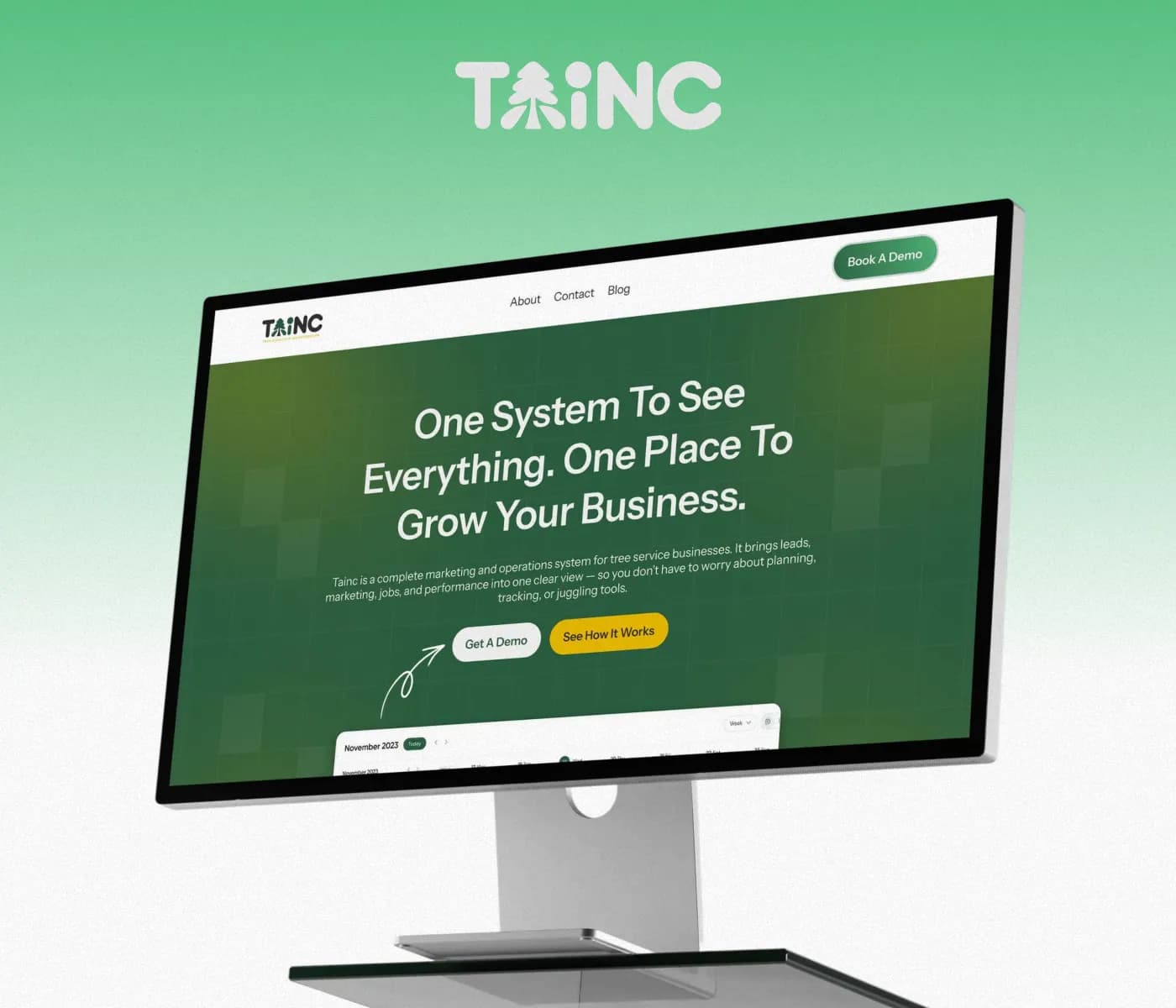
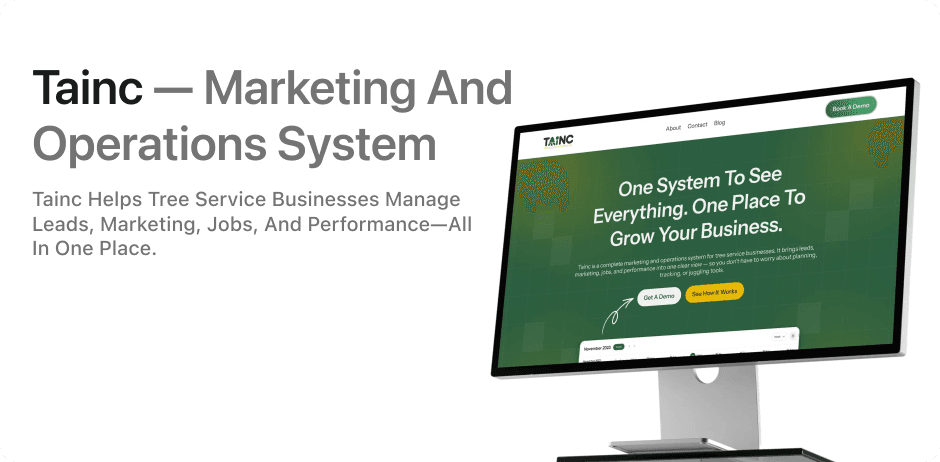
That last problem is the one we aimed at when we built the platform for TAINC. It puts lead capture, crew scheduling, AI-assisted proposals and billing in one dashboard, so a new lead and the crew that could take it are visible together.
A storm fills the phone faster than any person can keep up with, which is why the follow-up has to be automatic rather than something an owner does at night.
Look legitimate next to the storm chasers
Homeowners are warned after every storm to be careful about who they hire, and your marketing should answer that worry directly. The Better Business Bureau's Ericka Dilworth told local news that unscrupulous contractors take advantage of people's emotions after hail storms, and that people should be wary of anyone demanding cash or asking for papers so they can contact the insurer directly.
Iowa's consumer fraud office gives homeowners a checklist you can turn into proof on your own site. It tells them to check registration and bonding, ask for a copy of the contractor's liability insurance certificate, and avoid companies with only a post office box or office suite address.
So put those answers where a worried person lands. Show your license and insurance on the storm page, give a real local address and years in the area, and show reviews from named streets or towns. A competitor can't copy a ten-year history in a weekend.
Payment terms are part of the pitch too. Dilworth advises homeowners not to pay more than one-third to one-half upfront, so a clear written estimate with a modest deposit makes you the easy yes. Never lean on cash-only discounts or pressure to sign today, since those are the exact signals people have been told to run from.
Frequently asked questions
Should my crews knock on doors after a storm?
No. Door-to-door pitches are what homeowners are being warned about, and the Iowa guidance tells people to deal with established local businesses rather than door-to-door contractors. Spend that effort on your profile, your storm page and your response time.
Can I pause ads when my crews are fully booked?
Yes. Google's Local Services Ads help notes that you can pause your ad if you're too busy to accept new leads, and you can adjust your budget as the week goes on.
Do I need to change my Google Business Profile hours during a storm?
Google lets you set special hours for temporary periods that affect when you're open, and it asks businesses to keep their information accurate and up to date. If you're taking emergency calls outside normal hours, show it.
What deposit should I ask for on an emergency job?
The BBB's advice to homeowners is not to pay more than one-third to one-half upfront and to hold the rest until the job is done. Staying inside that range, in writing, matches what customers have been told to expect.
Sources
- Getting started with Local Services Ads — Google
- Google Business Profile hours — Google