


















Most guides to tree removal marketing assume a buyer who has time to shop around. In practice, a lot of tree removal gets bought in a single afternoon. A storm drops a limb on the driveway, a homeowner grabs their phone, and whichever company answers first and looks trustworthy gets the job. That changes what actually works: speed and trust beat clever copywriting almost every time.
How Tree Removal Marketing Works When Buyers Are in a Hurry
Someone with a tree leaning over the roof isn't researching for a week. They're searching, scanning the first few results, and calling the company that looks like it can show up today. Tree removal marketing has to be built around that reality: a fast-loading page, a phone number that's easy to find, and enough proof on the page that the company won't disappear with a deposit.
The category itself keeps growing, so the competition for that attention isn't going away. Research and Markets put the global tree services market at $1.7 billion in 2026, projecting it to reach $2.86 billion by 2030 on a near-14% annual growth rate, with rising awareness of tree safety risk and urban residential development among the drivers it names.
Who You're Actually Competing For
Not every tree removal customer buys the same way. The Business Research Company splits tree services demand into residential, municipal and commercial buyers, and each one runs on a different clock.
When storm damage is involved, a residential customer wants someone today. A municipality or a commercial property manager is usually working from a maintenance contract or a bid process decided months earlier. Marketing built purely for the emergency homeowner will miss that second group entirely, and a company chasing only contracts will lose same-day residential jobs to whoever answers the phone first.
Reviews and Your Google Business Profile Decide Who Gets the Call

Photo by Brett Jordan on Pexels
Once someone searches, what they see next decides who gets the call. According to BrightLocal's 2026 local search research, 97% of consumers read reviews before choosing a local business, most starting on Google, and enough of them rule a business out over a bad rating or stale reviews that a weak profile can cost the job before the phone rings.
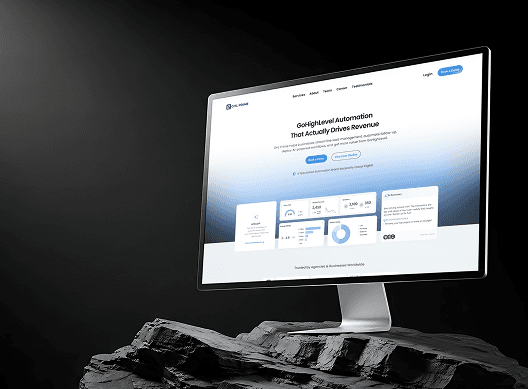
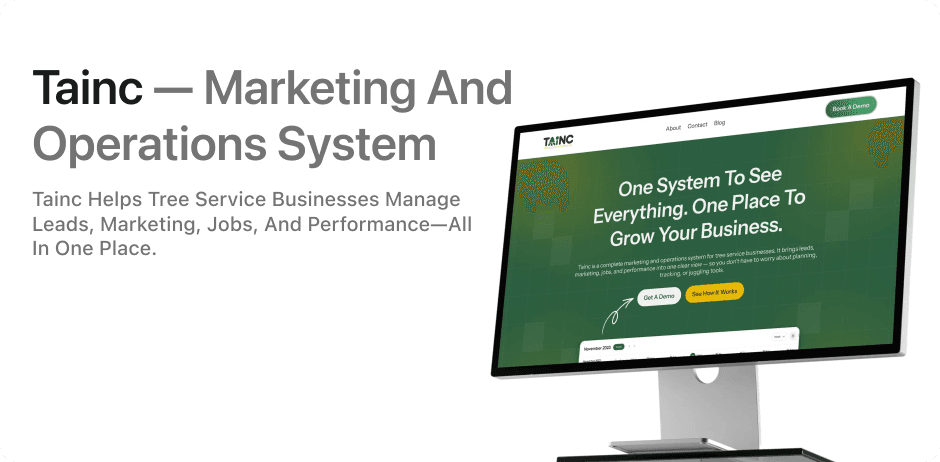
A current Google Business Profile worth more than almost anything else in a tree company's marketing budget. Photos of finished jobs, a name matching the license on file, and a reply to every review shape that first impression before a homeowner reaches the website. One company built its growth plan around exactly this kind of visibility, covered in this all-in-one growth platform case study.
The Website and Local Pages That Back It Up
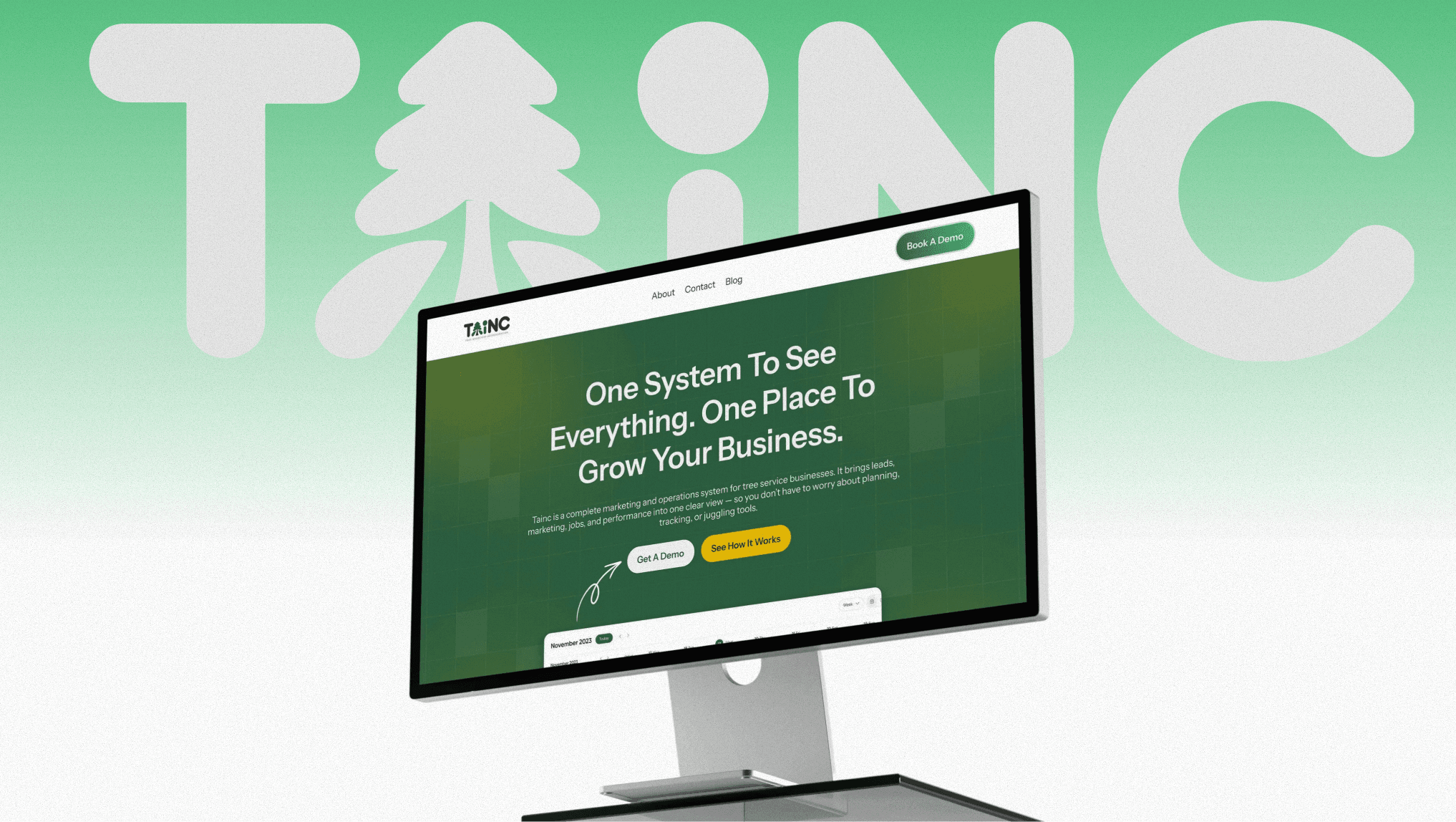
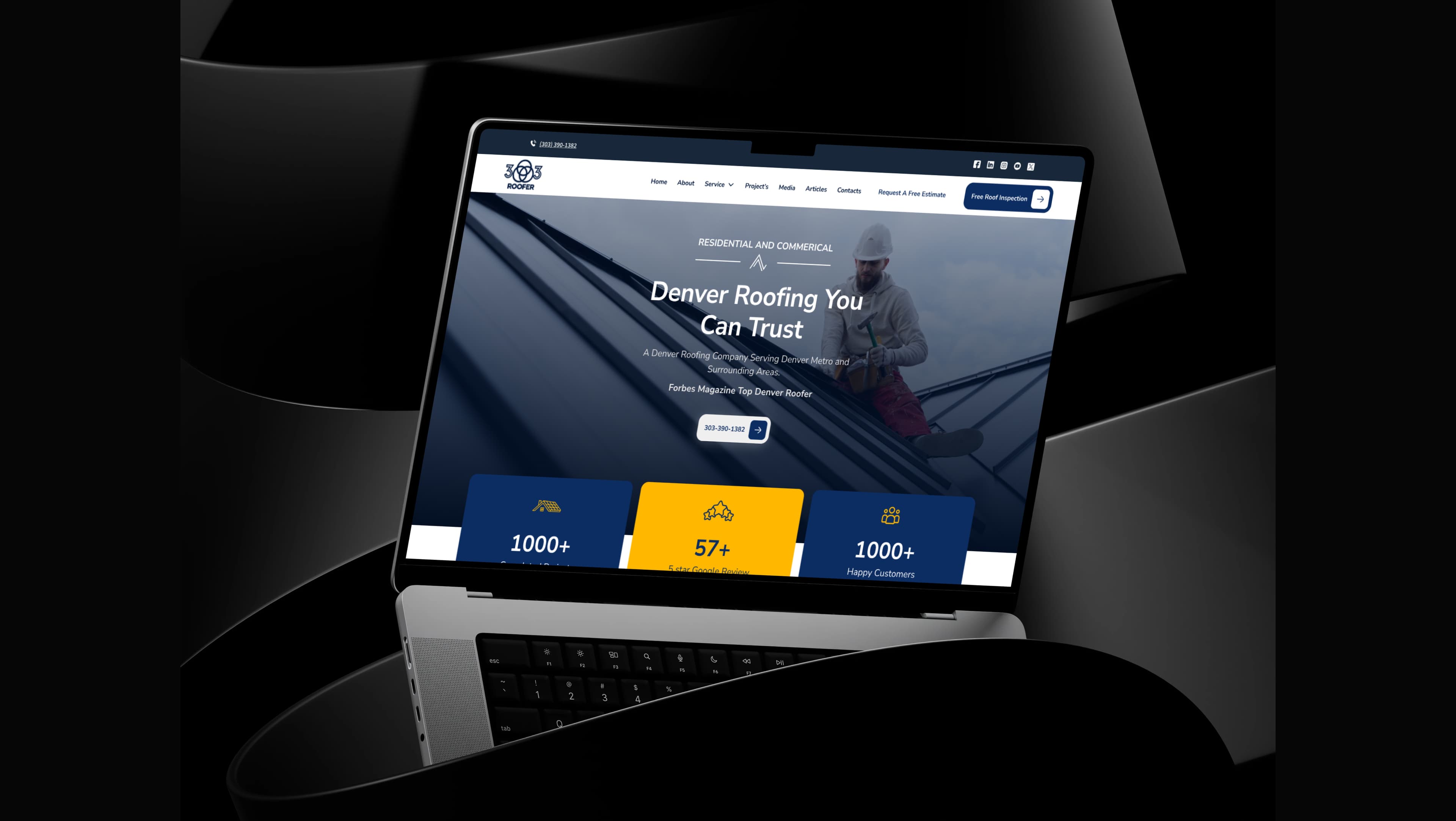
A strong profile earns the click. The website has to close it. That means a phone number above the fold, real job photos instead of stock art of a chainsaw, and a dedicated page for each service area rather than one generic list buried in the footer, all detailed in this breakdown of tree service website design.
Local search adds another layer on top of that. Ranking for "tree removal" in a specific town takes more than a homepage with a city name in the title tag. It takes the kind of on-page and citation work covered in this guide to tree service local SEO. Getting the profile, the reviews and the site working together is usually a bigger lever than any single ad campaign, though paid search still has a place for a company that wants faster volume. That's the kind of mix our digital marketing and growth team builds for tree service clients.
None of this needs to be complicated. A tree company that keeps its profile current, asks for a review after every job, and has one solid page per service area is already ahead of most of the local competition it's actually losing jobs to.
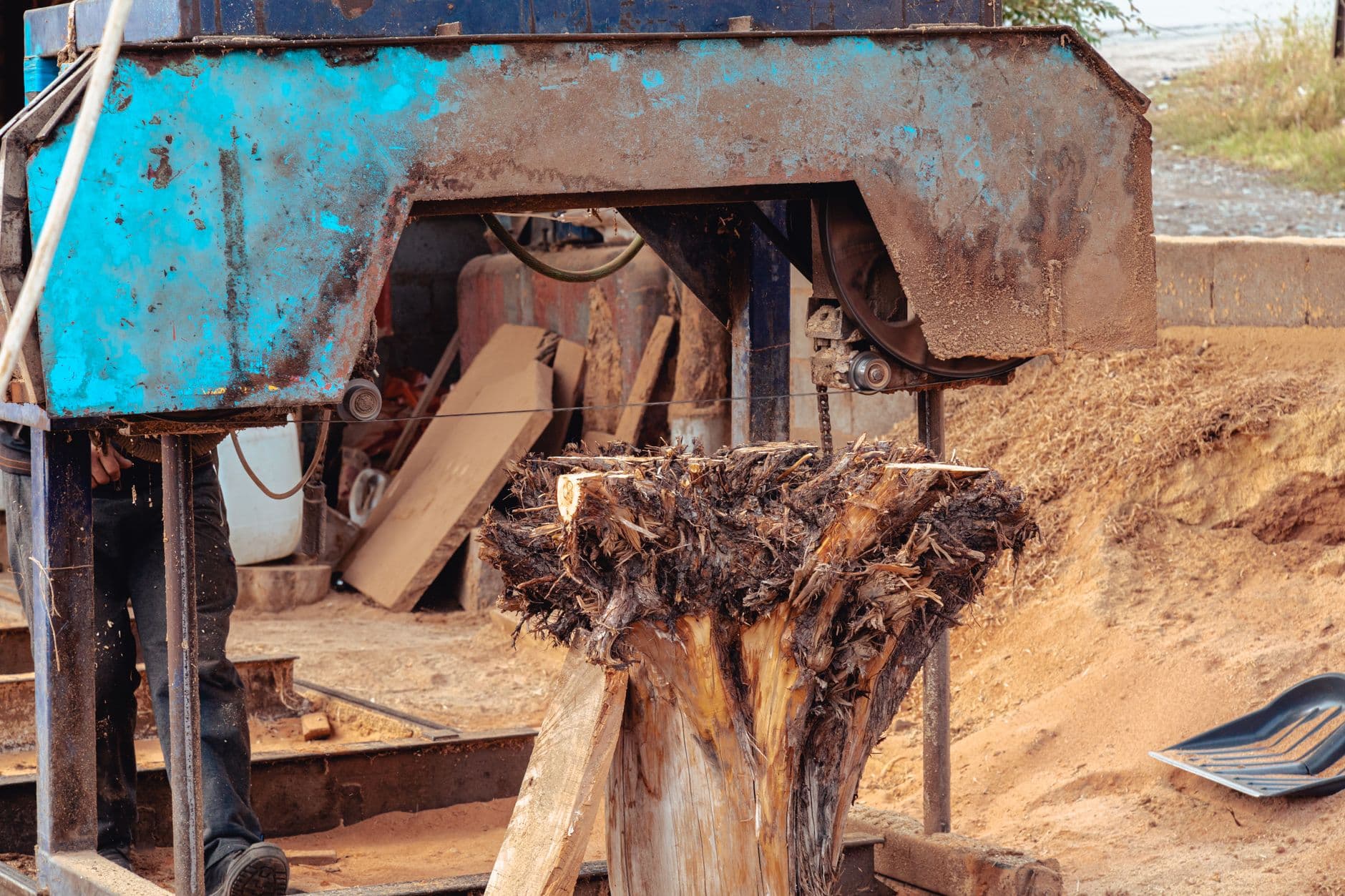
Cover photo by Collab Media on Pexels
Sources
- Tree Services Market Report — Research and Markets
- Tree Services Global Market Report — The Business Research Company