












Picking a pricing model is one of the first structural decisions a SaaS startup makes. Reversing it later means renegotiating with every customer already on the old plan.
The main SaaS pricing models on the market today, flat-rate, per-seat, usage-based, tiered, freemium and hybrid, each tie revenue to a different signal, a distinction Spendflo's pricing guide breaks down model by model.
Basecamp charges one flat fee no matter how many people use it. Slack and Asana bill by seat, while AWS, Mailchimp and Stripe meter actual usage instead.
The right starting point depends on what predicts what it costs you to serve a given customer, not on what looks standard in your category.
How the main SaaS pricing models actually work
Each model charges for a different unit, and that unit decides how revenue moves once a customer's usage changes.
| Model | What it charges for | Example | Where it fits |
|---|---|---|---|
| Flat-rate | One fee, unlimited use | Basecamp, $299/month | Simple sales process, predictable cost for the buyer |
| Per-seat | Price times number of users | Slack, Asana | Value genuinely scales with headcount |
| Usage-based | Metered consumption: calls, data, transactions | AWS, Mailchimp, Stripe | Value tracks activity, not who's logged in |
| Tiered | Fixed price points unlocking more features or capacity | Datadog, Drift | Buyers self-select by how much they need |
| Freemium | Free core product, paid upgrade | Dropbox, Evernote, Hootsuite | Product-led growth, low-touch sales motion |
Hybrid pricing just combines two of these instead of picking one. A subscription with a seat allowance plus metered overage once usage crosses a threshold is the most common version.
Usage-based and hybrid pricing keep gaining ground
Pure per-seat pricing is losing ground as products get used by automated processes as much as by people, and a headcount fee doesn't map to that kind of usage.
Chargebee's review of pricing trends found usage-based pricing adoption climbing from 45% of SaaS businesses in 2021 to roughly 60% by 2023, a shift too large to call noise.
Most of that growth is layering rather than replacement. Companies keep the seat-based subscription and add metered usage on top instead of ripping seats out entirely.
Matching the model to how the product delivers value

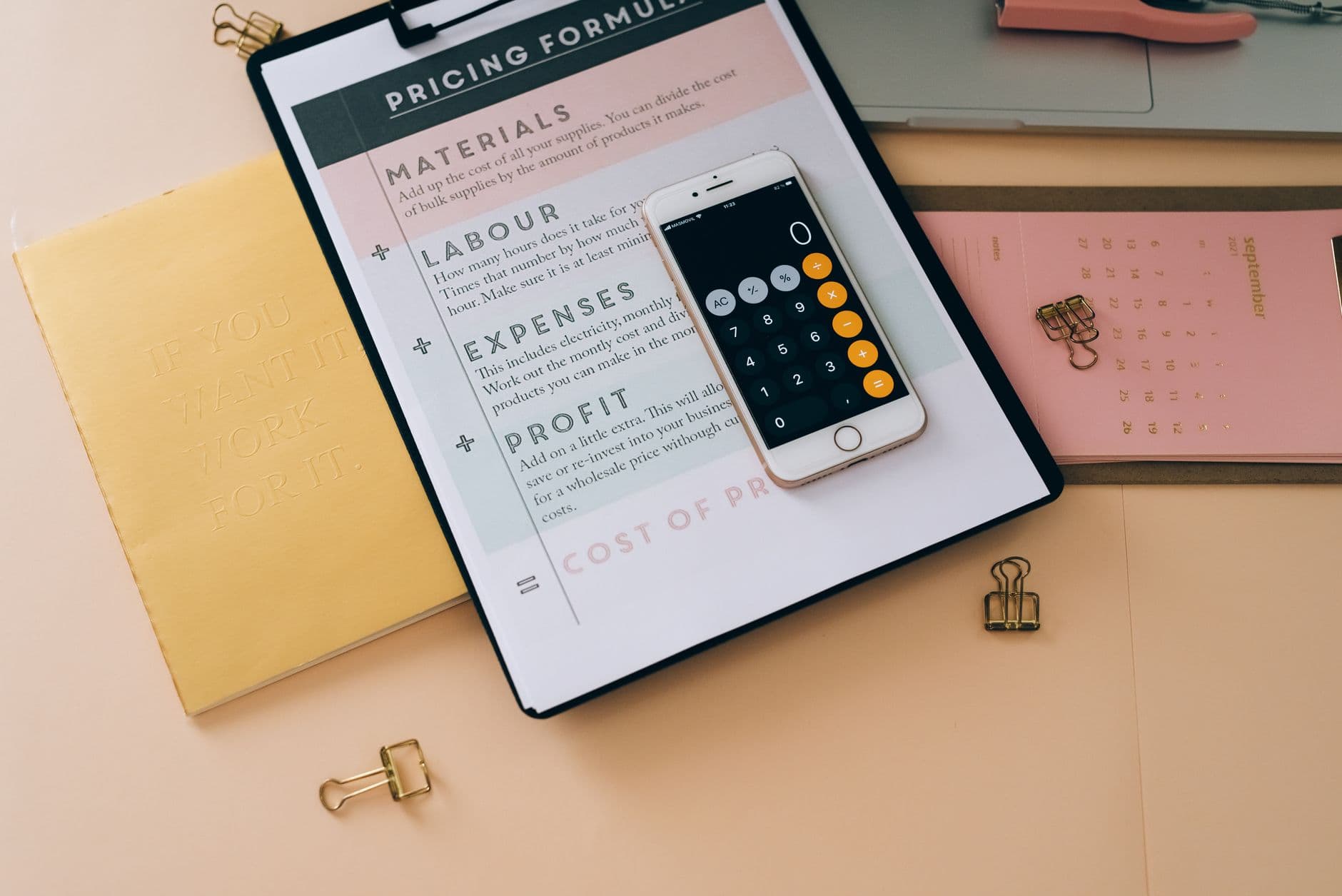
Photo by Artem Podrez on Pexels
The honest test is whether what you charge for is also what costs you money or signals real value to the customer.
Gartner found that 78% of developer-tools and infrastructure companies expected to have consumption elements in their pricing by 2025. That tracks: those products have a cost that rises directly with usage, so a flat seat fee undercharges the heaviest accounts.
Younger, smaller products tend to go the other way. ProfitWell's 2024 pricing study found 72% of companies under $50M in ARR offering a free tier that upgrades into paid features, betting on adoption before monetization.
Where the pricing page has to catch up
A hybrid model is only as good as the page explaining it, and a pricing table with several dimensions and no clear default confuses buyers faster than a single flat number ever did.
That's a UI/UX problem as much as a pricing one, which is why we treat UI/UX work on the pricing and billing flow as part of building a SaaS product, not something bolted on once the model is decided.
It also shows up earlier, in whether you build a native app, a web app, or both, since that choice changes what usage you can even meter cleanly. We've written about that trade-off in what a SaaS startup should build first.
It's one of the things our apps and SaaS team walks through with founders before any billing code gets written.
None of these models is permanent. Pick the one that fits how your product delivers value today, build the billing logic so it can change, and expect to revisit it once real usage data shows you where the current one is wrong.
Cover photo by Leeloo The First on Pexels