















A hospital system emailing a patient about a discounted cosmetic procedure needs a signed authorization first. Reminding that same patient to refill a prescription doesn't.
That line, drawn by the HIPAA Privacy Rule's definition of marketing, decides what healthcare email marketing can legally look like before anyone writes a subject line.
Marketing under HIPAA means a communication that encourages someone to buy or use a product or service. Under that definition, most patient newsletters, service promotions and referral campaigns count as marketing.
Refill reminders, care coordination messages and other treatment-related outreach usually don't, as long as no third party is paying for the send.
The HIPAA Rules Behind Healthcare Email Marketing
The Privacy Rule requires written authorization before protected health information gets used for a marketing email, with only two exceptions: a face-to-face conversation with the patient, and a promotional gift of nominal value. Everything else needs that signature on file first, according to HIPAA Journal's breakdown of the rule.
| Needs signed authorization | Doesn't need authorization |
|---|---|
| Newsletters promoting services or procedures | Refill and appointment reminders |
| Referral or loyalty campaigns | Care coordination messages |
| Any send a third party paid you to make | Face-to-face communication or a nominal gift |
Staying Compliant Without Sounding Like a Compliance Memo
PHI has no business in a subject line. Email headers travel without the encryption that protects the body of a message, so a line like "Your test results are ready, John" leaks more than the practice probably realizes.
The same caution applies upstream of the email itself. A contact or intake form bolted onto a website needs to route patient data through a HIPAA-compliant channel, not a generic form plugin that emails submissions straight to an inbox.
Nothing collected that way should end up on social media, either. Once protected information is posted publicly, it can't be pulled back.
Content still has to clear ordinary advertising law on top of HIPAA. Claims about outcomes or pricing run into FDA and FTC rules the same way any other health-related ad would.
Some states also set a stricter opt-in bar than the federal rule does, so it's worth checking local law before the first campaign goes out, not after.
Building that whole stack, compliant forms, a vetted sending platform, a review step before anything ships, is closer to a digital marketing and growth project than a quick newsletter setup. It's also groundwork that makes every campaign after the first one faster to launch.
What Patients Actually Want From Provider Email

Bandwidth surveyed 1,500 US adults who'd visited a healthcare provider in the past year, in July 2024, about how they want providers to reach them. Email came out as the top preferred channel specifically for pre-appointment intake forms, ahead of text and phone.
It matters beyond convenience. Nearly half of respondents said they'd consider switching providers if their communication preferences kept going unmet.
Text messaging won on a different measure: 57% said they were comfortable sharing protected health details over SMS, more than said the same about email. That points toward running both channels together rather than picking one.
General benchmarks give a sense of scale, even without a healthcare-specific figure to set against them. Mailchimp's tracking of billions of sends across its platform puts the average open rate at 35.63% and the average click rate at 2.62%.
A patient list built from real appointments and real intake forms, the kind healthcare social media marketing or a compliant Google Ads strategy feeds, tends to open at a better rate than a cold list, because the email arrives with a reason attached.
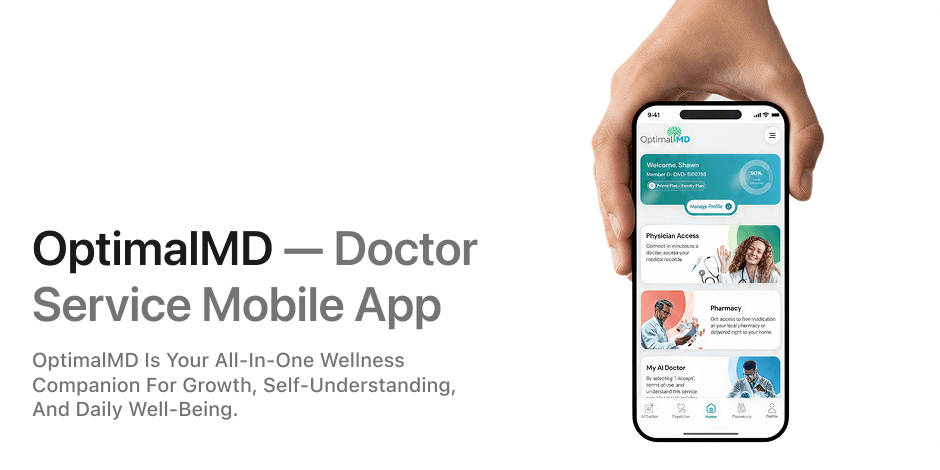
The practices getting the most out of email aren't the ones sending the most of it. They're the ones that built the compliance groundwork once, the way projects like the OptimalMD accessibility work did, and then used it to send fewer, better-targeted messages patients actually open.
Sources
- HIPAA Marketing Rules — HIPAA Journal
- Patient Communication Preference Report — Bandwidth