













A healthcare Google Ads strategy that skips certification never gets past review, no matter how good the ad copy is. Google requires healthcare advertisers to identify which category they fall into and get approved before a single ad serves.
Google's healthcare and medicines policy treats each category differently, and the certification bar moves with it:
Category | What Google requires |
|---|---|
Prescription drug services (online pharmacy, telemedicine) | LegitScript or NABP accreditation in the US, plus Google certification |
Pharmaceutical manufacturers | Google certification in eligible locations |
Health insurance (US) | G2 certification plus Google's own review |
Addiction treatment | Google certification for addiction-related keywords |
Abortion-related ads (US, UK, Ireland) | Google certification for that location |
Speculative or experimental treatment claims are blocked outright, and prescription drug terms can't appear in ads or landing pages in most locations without the matching certification.
What a healthcare Google Ads strategy needs before launch
Skip this step and the rejection reason usually reads like a content problem. It isn't. It's a missing credential.
You apply through Google's healthcare advertiser application. There you pick your organization type, license country, and the specific permissions you're requesting.
Get the category wrong and the account gets flagged for terms it was never cleared to use.
Health insurance sits in its own lane. Advertisers in the US need G2 certification on top of Google's review.
The Health Insurance Advertiser policy requires submitting a form confirming that certification is current before ads go live. Skipping it doesn't just risk a paused campaign. It risks the whole account.
Prescription drug terms loosened too. Search Engine Roundtable reported that Google began allowing those terms in ad text and landing pages for non-promotional uses, such as public health announcements or academic content, starting October 29, 2025, without the keyword-targeting certification still required elsewhere.
What changed for targeting healthcare professionals
For years, Google treated any health-adjacent audience the same way, restricting personalized targeting to avoid touching sensitive health conditions. That made medical device marketing and professional service pitches aimed at clinicians hard to run with any precision.
Google narrowed the definition in May 2025. Its update to the personalized advertising policy excluded content directed at healthcare professionals acting in their professional capacity from the sensitive health interest category, with a matching exclusion for restricted drug terms following on July 1 that year.
Customer Match and remarketing lists can now target licensed healthcare workers as professionals. Consumer health targeting stays under the tighter rules it always had.
The line between the two matters for how campaigns get structured. A practice marketing to patients still can't personalize around a health condition.
Selling to clinicians, a device manufacturer now has room it didn't have before, as long as the targeting stays inside professional capacity rather than drifting into patient-level data.
Turning certification into a working campaign

Photo by Pavel Danilyuk on Pexels
Once an account is certified, the strategy that holds up is narrow rather than broad. Build search campaigns around high-intent treatment and service queries. Write landing pages that make only the claims the policy allows. Report on qualified inquiries, not raw click volume.
Our digital marketing and growth work with healthcare clients starts at exactly this layer. A campaign that gets suspended mid-flight costs more than the extra week certification takes.
Paid search doesn't work in isolation. The pages an ad sends traffic to need the same discipline, which is where healthcare SEO practices and a content strategy built for trust carry weight beyond the ad itself.
A patient who lands on a vague or non-compliant page after clicking a certified ad still bounces, and Google's own review can flag that mismatch later.
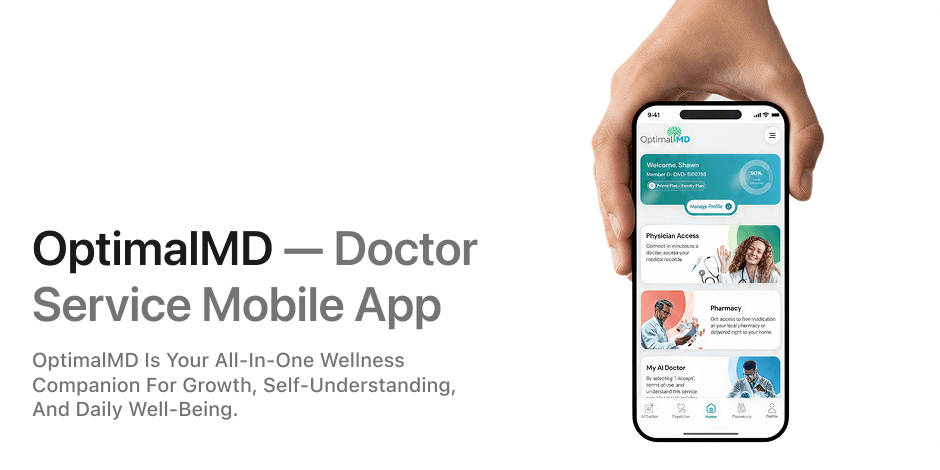
Our case study on rebuilding accessibility for OptimalMD is a reminder that compliance and growth aren't separate tracks. Get the certification right first. Everything built on top of it, from keyword strategy to the professional targeting Google reopened in 2025, only works once that foundation is in place.
Cover photo by Tobias Dziuba on Pexels
Sources
Healthcare and medicines - Advertising Policies Help — Google Ads Help
Apply for healthcare-related advertising — Google Ads Help