
















In January 2026, Google quietly pulled AI Overviews from search results for queries like "what is the normal range for liver blood tests." TechCrunch reported the summaries were skipping over differences in age, sex and ethnicity that change what a normal result actually looks like.
That single removal says more about healthcare SEO best practices 2026 than any checklist could. The page a patient sees first often isn't a website anymore. It's an AI-generated answer, and Google now deletes that answer when it gets health wrong.
Why healthcare SEO best practices 2026 start with AI Overviews
Search Engine Journal reported in July 2026 that a Whitespark study found AI Overviews now answer 68% of local searches, against just 39% for the traditional map pack. On the questions a healthcare practice actually cares about, the gap widens.
| Search type | How often an AI Overview answers it |
|---|---|
| All local searches | 68%, vs. 39% for the map pack |
| "How long does an eye exam take" (informational) | 92% |
| "Average cost of dental implants in Phoenix" (cost) | 97% |
A patient asking either of those questions may never scroll to your listing, let alone your website, unless something you've published is clear enough for Google to quote directly.
Google is judging health content harder, not just ranking it
Google's own guidance on ranking content says its systems give extra weight to strong E-E-A-T, experience, expertise, authoritativeness and trust, on topics that could affect someone's health, finances or safety.
Google calls these YMYL pages, short for "Your Money or Your Life," and health content sits near the top of that list.
The Guardian's investigation into AI Overviews, covered by Search Engine Journal, found what that looks like when it goes wrong. One summary told pancreatic cancer patients to avoid high-fat foods, advice a charity called dangerous given that standard guidance says the opposite.
Another listed a pap test as a screen for vaginal cancer, when it actually screens for cervical cancer. Google disputed some of the specific examples but still pulled several of the flagged answers.
Read against our earlier look at trust signals in healthcare marketing, the pattern holds up. Unnamed authorship, vague claims and unlinked statistics are exactly what both Google's raters and AI Overviews now treat as a reason to look elsewhere for the answer.
What actually earns a citation

Photo by Marta Branco on Pexels
Search Engine Journal's coverage of the Whitespark study points to a short list of things that move an AI Overview, or a Google rater, to trust a page enough to cite it:
- Fact-dense service and location pages, with real pricing, FAQs and named local details instead of generic copy
- A named clinician or practice lead attached to the content, not an anonymous byline
- Consistent name, address and phone details across every directory and profile
- Structured data that makes pricing, hours and services machine-readable, not just visible on the page
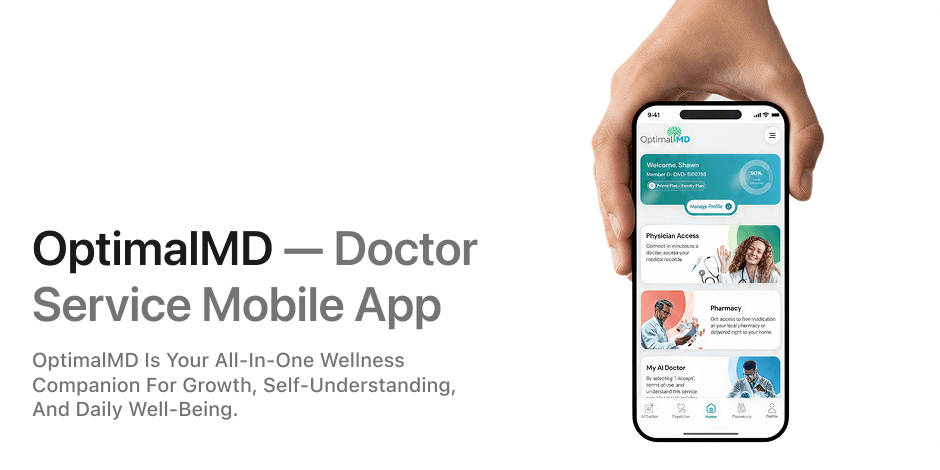
We built OptimalMD's patient-facing platform around that same principle: information a patient can act on, attributed clearly enough that neither a person nor an algorithm has to guess where it came from.
If your own content still reads like a brochure, that's the gap to close first. It's the kind of audit our digital marketing and growth team runs before touching a single keyword.
Start with the page a patient is most likely to ask an AI assistant about, whether that's cost, availability or what a specific result means. Make sure a real person's name is attached to the answer.
That's a smaller job than rewriting the whole site, and it's the one Google is actually checking for now.
Cover photo by Sarah Blocksidge on Pexels
Sources
- Google removes AI Overviews for certain medical queries — TechCrunch
- The Guardian: Google AI Overviews Gave Misleading Health Advice — Search Engine Journal