





















By the time a patient dials your office, they've usually already decided you're worth calling. A 2024 poll by Harmony Healthcare IT, reported by TechTarget, found that 46% of patients use Google search to find a new doctor. Just as many consult online provider reviews before choosing one.
Healthcare local SEO is the work of making sure your practice shows up, and looks trustworthy, at that exact moment. Get it wrong and the patient never reaches your website at all.
Why healthcare local SEO starts with your Google Business Profile
That moment usually happens on your Google Business Profile, not your site. It's the panel that shows your hours, your star rating and your address before anyone clicks through.
If the category is wrong, the hours are stale, or nobody has claimed the profile, the patient moves to the next result. They rarely dig for the truth first.
A few things on that profile matter more than the rest:
- The primary category matches the actual service, not a broad label like "medical clinic" when you're a pediatric dentist.
- The name, address and phone number match exactly what's on your website and in your other directory listings.
- Photos show the actual office and providers, not stock imagery.
- New reviews keep coming in, rather than sitting on a batch from years ago.
Reviews decide the click before the search engine does
Reviews carry more weight in healthcare than in most other categories. A bad experience with a provider feels riskier than a bad one with a restaurant.
A Software Advice survey of patients found that 90% use reviews to evaluate a physician. Seventy-one percent treat reviews as their first step in the search. That's up sharply from about a quarter of patients a decade earlier.
Getting more reviews matters. So does what happens after a bad one shows up.
Responding to reviews without a HIPAA problem

Photo by Mikhail Nilov on Pexels
This is where healthcare local SEO runs into HIPAA, and where a lot of practices get nervous and just ignore negative reviews instead.
According to Bass, Berry & Sims, a response that confirms or even implies someone was a patient can count as a disclosure of protected health information. The firm cites enforcement actions as high as $50,000 against a dental practice for exactly that.
The safe pattern is a generic reply. Acknowledge the feedback, apologize for the experience without confirming a relationship, and invite the person to call the office directly.
Never write 'thank you for being our patient' in a public reply, however friendly it feels. It confirms the one thing HIPAA says you can't.
Where local SEO fits with the rest of your marketing
Local visibility and paid visibility work the same channel from different angles. A practice running both usually sees search and a compliant healthcare Google Ads strategy reinforce each other in the map pack.
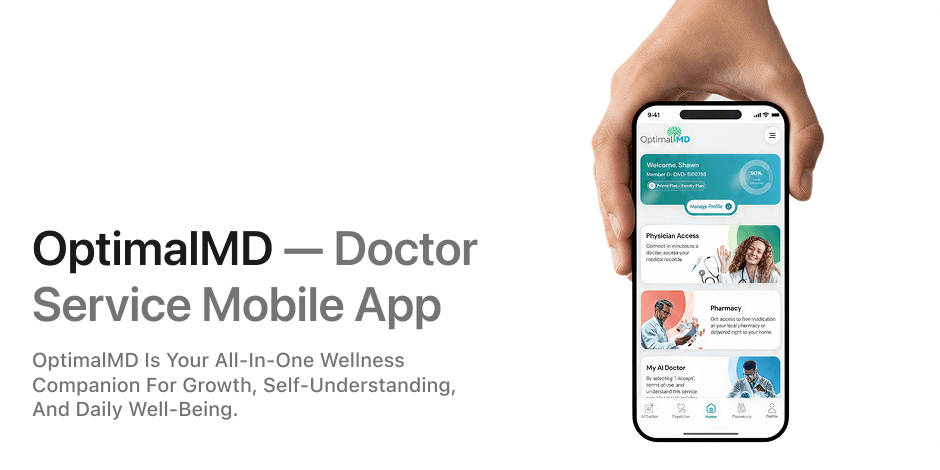
The content that supports it doesn't stop at the profile either. Practices we've worked with, including the accessibility-focused rebuild for OptimalMD, treat the website, the profile and the outreach as one system rather than three separate projects.
None of this replaces a working digital marketing and growth plan, but it's usually the cheapest part of one to get right. A profile audit takes an afternoon.
Untangling a year of inconsistent listings and unanswered reviews takes a lot longer. Every week it sits undone is a week of patients choosing the practice down the street instead.
Pair the profile work with a healthcare social media presence that reinforces the same reviews and photos. Keep patients informed after they book through HIPAA-compliant email marketing rather than letting the relationship end at the first appointment.
Sources
- Most patients find new doc online, via provider directories — TechTarget
- How Patients Use Online Reviews — Software Advice