



















Most healthcare practices publish blog posts without ever writing down what the content is supposed to prove.
The Content Marketing Institute surveyed B2B marketers across industries between June and August of 2025.
Among the ones working from a documented plan, 61% saw their results improve. Asked what drove that, most pointed to refining the strategy itself, well ahead of new technology or a bigger budget.
A healthcare content marketing strategy rarely fails because the topics are wrong. It fails because nobody decided what each piece was for before it got written.
A Documented Healthcare Content Marketing Strategy Beats Ad Hoc Posting
That plan doesn't need to be complicated. It needs to say who a piece is for, what it should do for a first-time visitor versus a returning patient, and what happens after someone reads it.
Practices that treat blogging as a task to check off usually can't answer any of those questions. That's why the writing wanders.
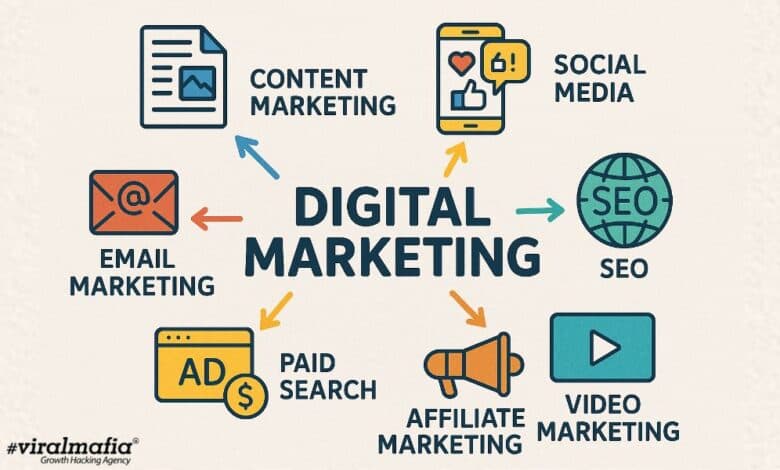
The results stay flat no matter how often something new goes up. Getting the plan right is closer to the work a digital marketing and growth team does than a writing assignment.
It starts with the same question a strategist asks about any channel: who's actually reading, and what do they do next.
Write to the Reader's Health Literacy, Not Your Specialty
The CDC's own writing guidelines are a useful benchmark here, since a federal health agency has no marketing reason to oversimplify.
Its plain-language checklist asks writers to lead with the most important information, keep most sentences short with a single idea each, and address the reader directly as "you" instead of describing them from a distance.
None of that is about writing down to anyone. It's about not making someone work to find out whether the symptom they're describing is worth a same-day appointment.
Every specialty has its own shorthand, and that's exactly the vocabulary a first-time visitor won't have. Content written in the practice's internal language reads like it was written for colleagues, not patients.
That same plain-language discipline carries over into how a page performs in search, a subject our healthcare SEO best practices for 2026 guide covers in more depth.
Content Earns Trust Before the Phone Call Does

Photo by https://kaboompics.com/ on Pexels
A qualitative study out of Curtin University's School of Pharmacy, published in the Journal of Medical Internet Research, interviewed 17 adults managing chronic conditions about how they searched for health information online. The barriers they named weren't a lack of comfort with the internet.
They were medical jargon, information that contradicted itself from one site to the next, and simply too much of it to sort through.
What those participants asked for wasn't a lesson in evaluating sources. They wanted their own healthcare provider to point them toward somewhere reliable to begin with.
That's the gap a healthcare content marketing strategy can close directly. Content credited to a named specialist, written like an extension of the care a patient already trusts, does more work than a generic marketing byline competing with everything else in a search result.
It's also part of why trust is overtaking rankings as the thing healthcare marketing gets measured against.
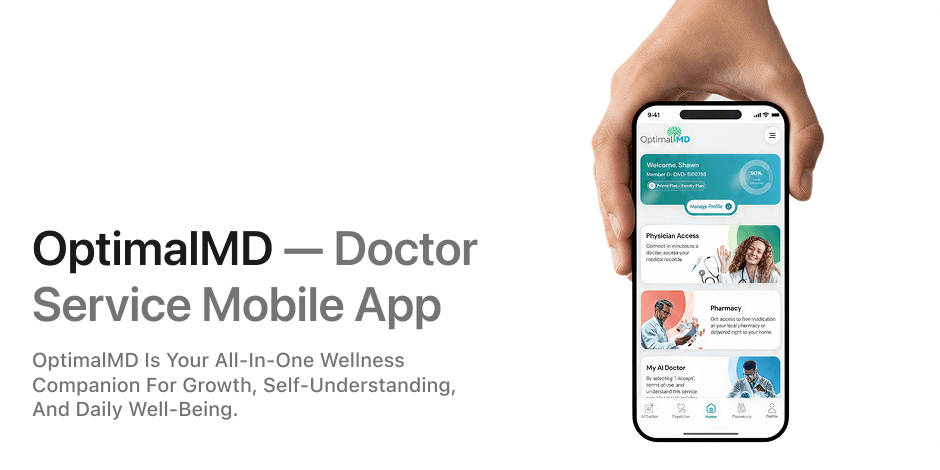
OptimalMD ran into a version of this problem when it needed patients across a fragmented network of independent clinics to trust one connected experience instead of treating every location like a stranger. Consistent, specialist-credited content was part of what closed that gap.
Consistency does more for trust than volume ever will. A practice publishing four well-sourced, specialist-reviewed pieces a year that a provider would actually hand to a patient in the waiting room will out-earn one publishing weekly posts nobody on staff would put their name to.
Sources
- B2B Content Marketing Trends 2026 — Content Marketing Institute
- Plain Language Materials & Resources — CDC