
























A Delaware care facility posted patient success stories to its own social media account, photos and names included, without written authorization, and the resulting settlement in 2025 ran to $182,000.
That's the risk end of healthcare video marketing. The reward end is just as real. People who watch health videos online say the viewing changes what they decide to do about their care, not just what interests them. Weigh both before pointing a camera at a patient.
Why Healthcare Video Marketing Works When Text Doesn't
Patients forget most of what they read in a brochure within minutes of putting it down. A randomized trial out of Baylor College of Medicine tested that gap directly, published in Translational Andrology and Urology in March 2025.
Researchers gave one group of vasectomy patients a short video covering their discharge instructions, and the other group the same instructions in writing. The video group answered 94% of comprehension questions correctly, against roughly seven in ten for the written-only group.
That study covered only 22 men, so treat the exact numbers as a signal rather than a universal rule. The direction shows up at a much larger scale too.
Psypost reported on a BMC Public Health survey of YouTube users. Most of the people surveyed, 88%, had watched health-related content on the platform, and 85% said that viewing shaped an actual decision about their care.
That second figure is the one worth sitting with. Patients aren't watching health videos to pass the time; they're using them to decide what happens next. That makes video one of the few formats that shows up exactly when someone is choosing a provider or weighing a treatment.
Start With Videos That Help Patients Before You Sell to Them
The easiest video to justify making first isn't a brand film. It's the one that answers a question your front desk already answers five times a day: what to expect before a procedure, how to prepare, what recovery actually looks like.
The vasectomy study above wasn't testing a marketing video at all. Researchers simply handed patients a short clip covering information already printed on a handout, and comprehension nearly doubled.
That's the model worth copying. Take whatever your staff repeats most often over the phone, and put it on camera instead.
A handful of formats cover most of what a practice actually needs:
- Pre-visit prep videos covering what to bring, what to expect, and how long the appointment will take
- Post-procedure guidance that repeats the same instructions patients get on paper, in a format they're more likely to finish
- Short provider introductions, so a patient recognizes a face before walking into the room
- Facility walkthroughs that take the edge off an unfamiliar building or process
None of this needs a studio. The point of a pre-visit video is clarity, not production value, and patients notice wrong information long before they notice the lighting.
These are the same questions a healthcare content marketing strategy should already be mapping out. Video is just the format patients retain best for answering them.
A short, well-made provider introduction does double duty here too. It carries the same trust-building job that healthcare brand identity decisions are meant to do everywhere else on the site.
Patient Testimonials Carry the Most Trust and the Most Risk
Nothing on a healthcare website works harder than another patient saying the practice actually helped them. It's also the one video format that has gotten practices fined.
What HIPAA Actually Requires Before You Post a Patient's Story
A testimonial that shows a patient's face, uses their name, or describes their treatment is protected health information the moment it goes on a public page.
That requires a written authorization specific to that use, separate from the general consent form a patient signs before treatment. Neither a standard media release nor a verbal okay given on camera right before filming satisfies it.
Two Practices Found That Out the Hard Way
In 2016, Complete P.T., Pool & Land Physical Therapy, a Los Angeles practice, agreed to pay $25,000 to federal regulators after posting patient names and photographs in its website testimonials without authorization.
The corrective action plan that followed required the practice to remove the content, retrain staff, and report back to regulators going forward.
Delaware's Cadia Healthcare Facilities paid a steeper price. An employee had posted the photos, names and treatment details of 150 patients as success stories on the company's social media account, and once regulators got involved, Cadia agreed to pay $182,000 and accept a corrective action plan.
The facility had already deleted the posts and shut the program down on its own by then. Breach notification letters to the affected patients hadn't gone out either, and that became part of the settlement too.
Neither practice set out to break the law. Both just skipped a signature that takes a few minutes to get. Build the authorization step into your filming process itself, not into a policy document nobody checks before hitting record.
Where Patients Are Already Watching
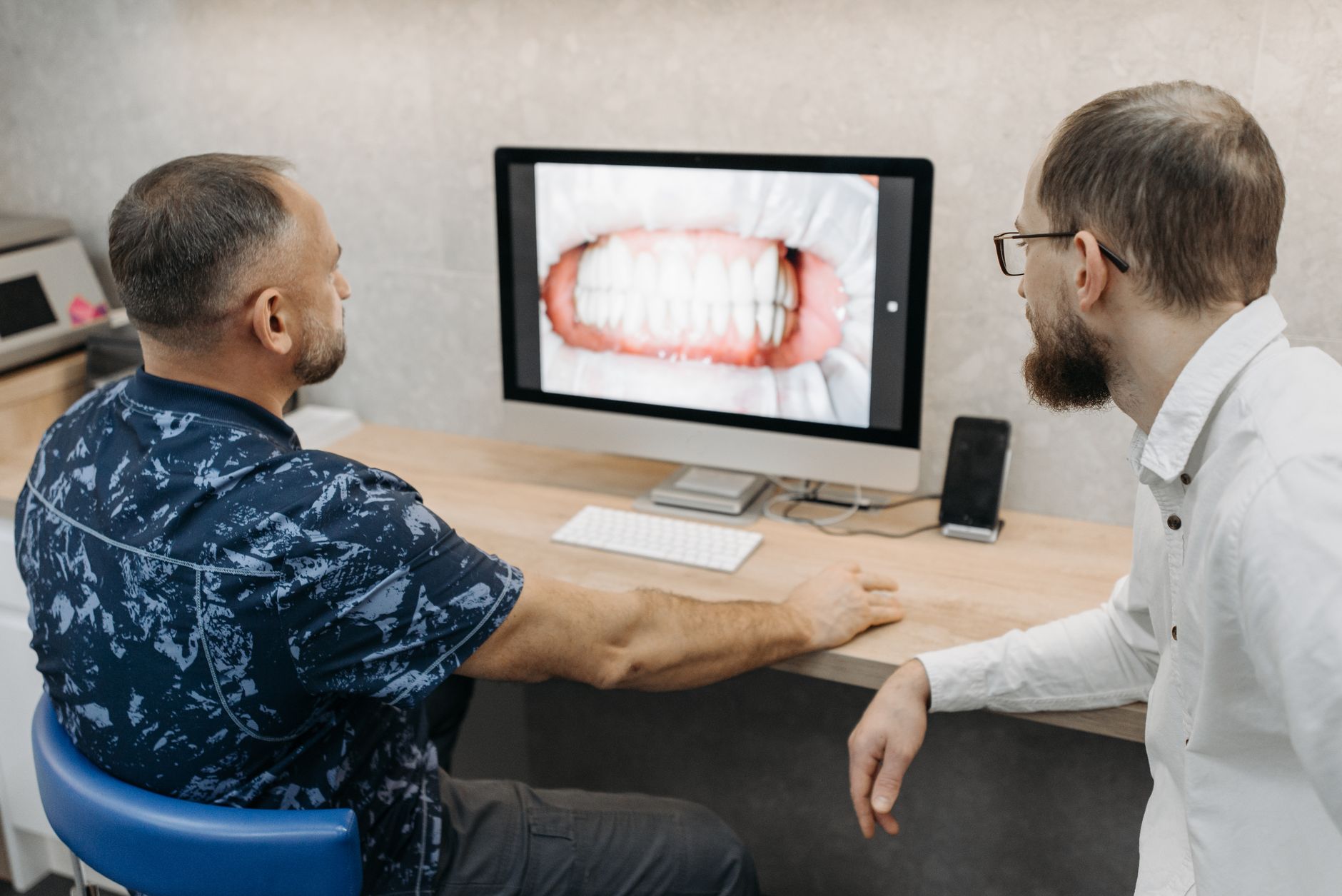
Photo by Pavel Danilyuk on Pexels
Before deciding where to put a new video, it helps to remember patients are already looking for health content without any encouragement from a practice.
Posting to YouTube costs nothing beyond the time it takes to make the video. It's the same platform where most of those survey respondents above were already spending time researching their own care.
A Google Business Profile is a second, lower-effort option worth filling with the same videos. It puts the content in front of someone who's actively comparing providers right then, a different moment than a video sitting three clicks deep on a service page.
Paid promotion can extend the reach further once you know which videos patients actually finish watching. That's usually where a digital marketing and growth partner earns their keep, rather than where a practice should start.
Building Video Into a Routine, Not a One-Off Project
Practices that stick with video treat it as a habit rather than a single launch. Film the next few patient questions as they come up, post them, and let the library grow month over month instead of trying to cover everything in one shoot.
That same vasectomy study is a useful reminder not to drop the written version once video exists. Among patients who got a video, 72.7% still wanted the written instructions too, against only 18.2% of the written-only group who wanted both formats.
Video adds comprehension. It doesn't replace the paper trail patients still want to keep.
If keeping a camera running every month isn't realistic with an in-house team, that's a production problem worth handing to a creative team, rather than a reason to let the whole plan quietly die after one video.
Frequently asked questions
Do you need a patient's permission to post a testimonial video?
Yes. A testimonial showing a patient's face, name, or treatment details requires a written HIPAA authorization specific to that use. That requirement isn't met by a general treatment consent form or a verbal okay given on camera.
Should a video replace written discharge instructions?
No. The Baylor College of Medicine study found most patients who got a video still wanted the written version too, so the two work best paired rather than one replacing the other.
What happens if a practice posts a patient video without authorization?
It can be expensive. A Los Angeles physical therapy practice paid $25,000, and Delaware's Cadia Healthcare Facilities paid $182,000, both after posting patient photos and stories without the required written authorization.
Where should a practice post its first patient video?
YouTube is a reasonable starting point, since most patients already go there to research health questions before making a decision. A Google Business Profile is a close second, since it reaches people actively comparing providers.
Cover photo by https://kaboompics.com/ on Pexels
Sources
- Physical Therapy Provider Agrees to $25K HIPAA Violation Settlement — HIPAA Journal
- HIPAA Violation Cases - Updated 2026 — HIPAA Journal