




A 2021 scoping review of how American hospitals build trust with the communities they serve found only 13 relevant articles, which says a lot about how little is settled in healthcare community marketing. Most advice on the subject is practitioner opinion, so this guide leans on the few sources that measured something and says where they stop.
The short version: show up where patients already gather, let local organisations lead, and treat the follow-through as the product.
What healthcare community marketing includes
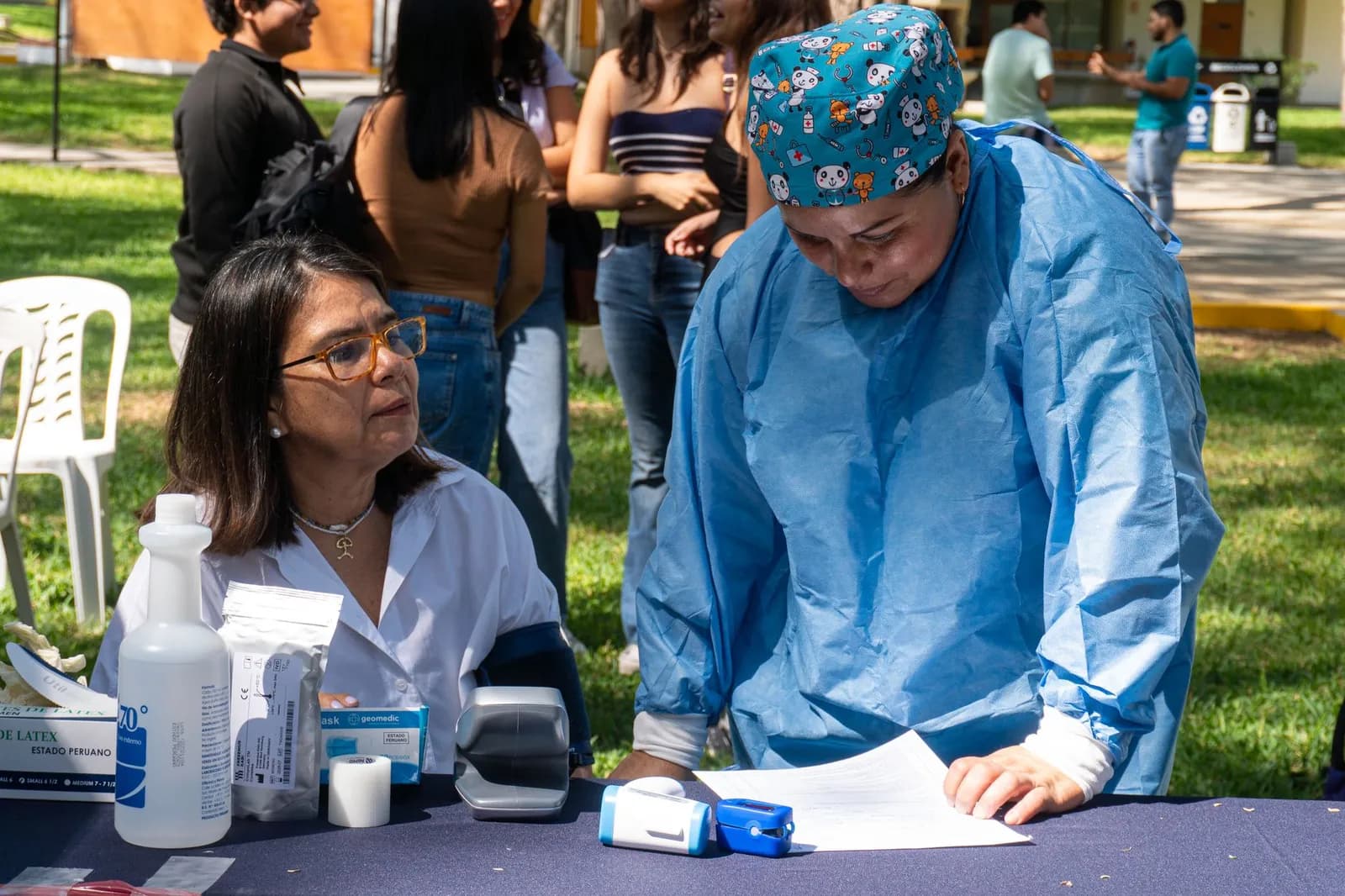
Healthcare community marketing is everything a practice or hospital does face to face and with local partners: health fairs, screenings, talks at community centres, sponsorships, and the information it publishes for people nearby. It sits beside online work rather than replacing it, and our guide to a healthcare content marketing strategy covers the online half.
The scoping review sorted its articles into six themes, and they double as a list of what community work has to get right:
- Choosing partners
- How to form partnerships
- Defining and conceptualising trust
- Questions about investment and hiring
- Communicating effectively with communities
- Understanding communities
None of the six is "run an event". Events are what you do once those are settled.
Why trust has to come before the campaign
Patients from marginalised groups arrive with a history. The review's authors say trust matters for equitable health outcomes because those populations have a long record of mistreatment by medical institutions.
Our reading is that a clinic turning up with a booth and a sign-up sheet gets judged against that history whether it likes it or not. So the first contact should offer something useful with no ask attached.
That's also why healthcare community marketing can't be measured like an ad campaign. A booth that collects a long sign-up list in one day and is never seen again has spent trust it hadn't earned yet.
Choosing partners and letting them lead
Partner with organisations that already hold the neighbourhood's trust, and give them decisions, not just a logo on the flyer. In East Baltimore, a 2024 case description in the Journal of Clinical and Translational Science covered a partnership between Baltimore CONNECT, a nonprofit network of community organisations, and the Johns Hopkins ICTR Community and Collaboration Core. A subcommittee of community members and researchers planned the fairs, and decisions were made by consensus.
The authors credited open communication, transparency at every planning stage and equitable contributions with strengthening trust. The same community members stayed involved across the whole period, which they read as evidence that the trust was real.
A single practice can't copy that structure, but it can scale it down. Pick one or two local organisations, ask what the neighbourhood needs, and let them set the agenda for the first event.
What a community health fair costs and returns
In Baltimore, each fair ran on block funding of $3,000 to $5,000, and the community chose the line items. The fairs offered health education, screenings, vaccinations and resource handouts aimed at social determinants of health, free to attend with food provided.
Turnout grew. Attendance rose from 375 at the first fair to 670 at the fourth, and the team moved the fairs across neighbourhoods to widen reach.
Funding was the sore point. Academic funding rules limited budget flexibility, and the team needed extra money from other sources, so build a cushion into your own budget.
Read the numbers with the authors' caveats attached. The report was a case description rather than a designed study, the fifth fair's data was incomplete, and no demographic data was collected, so nobody could verify that the fairs reached underserved areas. Attendance shows turnout. It doesn't show trust, and you shouldn't report it as if it did.
Handing the work over to your partners
The best sign that healthcare community marketing is working is that your partners no longer need you to run it. The Baltimore team deliberately moved from academic-led events toward building the capacity of member organisations to run their own fairs.
Their planning habits are easy to copy. They used shared, live planning tools with clear task assignments and visible budgets, so nobody had to ask who was doing what or where the money had gone.
For a practice, this changes the job. Early on you might supply the clinicians and the screening equipment, and later you supply a nurse for a morning while a local group runs everything else under its own name.
Start with a needs assessment, even when the law doesn't ask for one
Photo by Gustavo Fring on Pexels
Charitable hospitals have no choice here. The IRS requires a hospital organization to conduct a community health needs assessment every three years, taking in input from the public health department, from members of medically underserved, low-income and minority populations or the groups representing them, and from written comments on the previous report.
The report has to be made widely available to the public. The hospital then adopts an implementation strategy that, for each significant need, either describes how it will respond or explains why it won't.
A private practice isn't bound by that page, but the method travels well in healthcare community marketing. Ask the local health department what it sees, talk to the organisations serving low-income residents, write the needs down, and decide which ones you'll take on.
Publishing the ones you won't take on is the unusual step, and it's the one that shows you were listening instead of looking for a topic to promote.
Where the online side fits
Events create moments, and your web presence keeps them findable. For healthcare community marketing, that means the website is where a neighbour checks you out before deciding to walk over. Give each event a page with the date, the location, what's offered and who it's for, and publish plain-language information on the health topics you screen for.
Our piece on why trust is the new SEO for healthcare explains how search rewards that kind of local, useful content. If you'd like help building the pages and campaigns around your events, our digital marketing and growth team does exactly that.
Be careful with photos and patient stories from the day. Identifiable patients raise consent questions, and our guide to data privacy in healthcare marketing is the place to check before anything goes on social media.
A first-quarter plan
- Read your local health department's findings and talk to two organisations that serve the patients you want to reach.
- Write down the needs you heard and decide which ones you'll address, and which you won't.
- Co-plan one small event with a partner who sets the agenda, with decisions made together.
- Budget with room to spare and line up a second source of funds before the day.
- Record where attendees come from, since missing demographic data was the gap in Baltimore.
Then repeat in the same neighbourhood before moving to a new one. The Baltimore partnership's value showed up in the same people coming back over 2.5 years, and that only happens if you stay.
Frequently asked questions
Does a private practice need a community health needs assessment?
The IRS requirement applies to charitable hospital organizations, every three years. A private practice isn't covered by that page, though the steps of gathering community input and publishing a plan are easy to borrow.
How much does a community health event cost?
The Baltimore fairs ran on block funding of $3,000 to $5,000 each, with extra money from other sources where funding rules were rigid. Your own figure will differ with the screenings, the venue and the food.
How do I know the community work is paying off?
Attendance is the easy count, but the Baltimore team relied on vendor surveys and tallies that can suffer from recall bias. Record where attendees live, and watch whether the same people keep returning, which the Baltimore authors read as a sign of trust.
Cover photo by Manuel Camacho-Navarro on Pexels
Sources
- Building trust in American hospital-community development projects: a scoping review — UCSF SIREN
- Community-driven partnerships with Community-Engaged Research teams bring resources and reliable information to Baltimore residents — Journal of Clinical and Translational Science (PMC)