

















Sixty-three percent of U.S. physicians said they were using AI in clinical practice by January 2026, up from 47 percent just nine months earlier, according to Doximity's 2026 State of AI in Medicine report. A jump like that usually means a technology stopped being a pilot and started solving a real problem. For anyone weighing which healthcare AI software solutions are worth the budget and the compliance headache, the survey data from late 2025 and early 2026 is a useful place to start.
The healthcare AI software solutions doctors are actually using
The Doximity survey polled 3,151 physicians across 15 specialties between March 2025 and January 2026. Its biggest gains came from tools that trim busywork rather than from any dramatic new category.
Literature search and summarization: 35% adoption, up from 22% the year before
Voice-based documentation and ambient scribes: 29% adoption, up from 20%
Drafting patient support letters and research tasks, among the fastest-growing uses
Neurology, gastroenterology and internal medicine reported the highest adoption of any specialty. None of that is exotic. It's software that listens to a visit, drafts the note, and hands a clinician something to edit rather than write from scratch.
Why adoption doesn't mean confidence
Physicians using these tools aren't necessarily comfortable with them yet. Healthcare Dive's coverage of the same survey found that 71% named accuracy and reliability as their top concern. Only 8% said their organization's AI policy was clear as of early 2026, and nearly half called their institution's guidance still evolving.
That gap between usage and governance is exactly where a vendor's marketing page stops being useful. A tool can look accurate in a demo and still create risk once it's handling real patient data across a real workflow.
The compliance layer vendors don't hand you
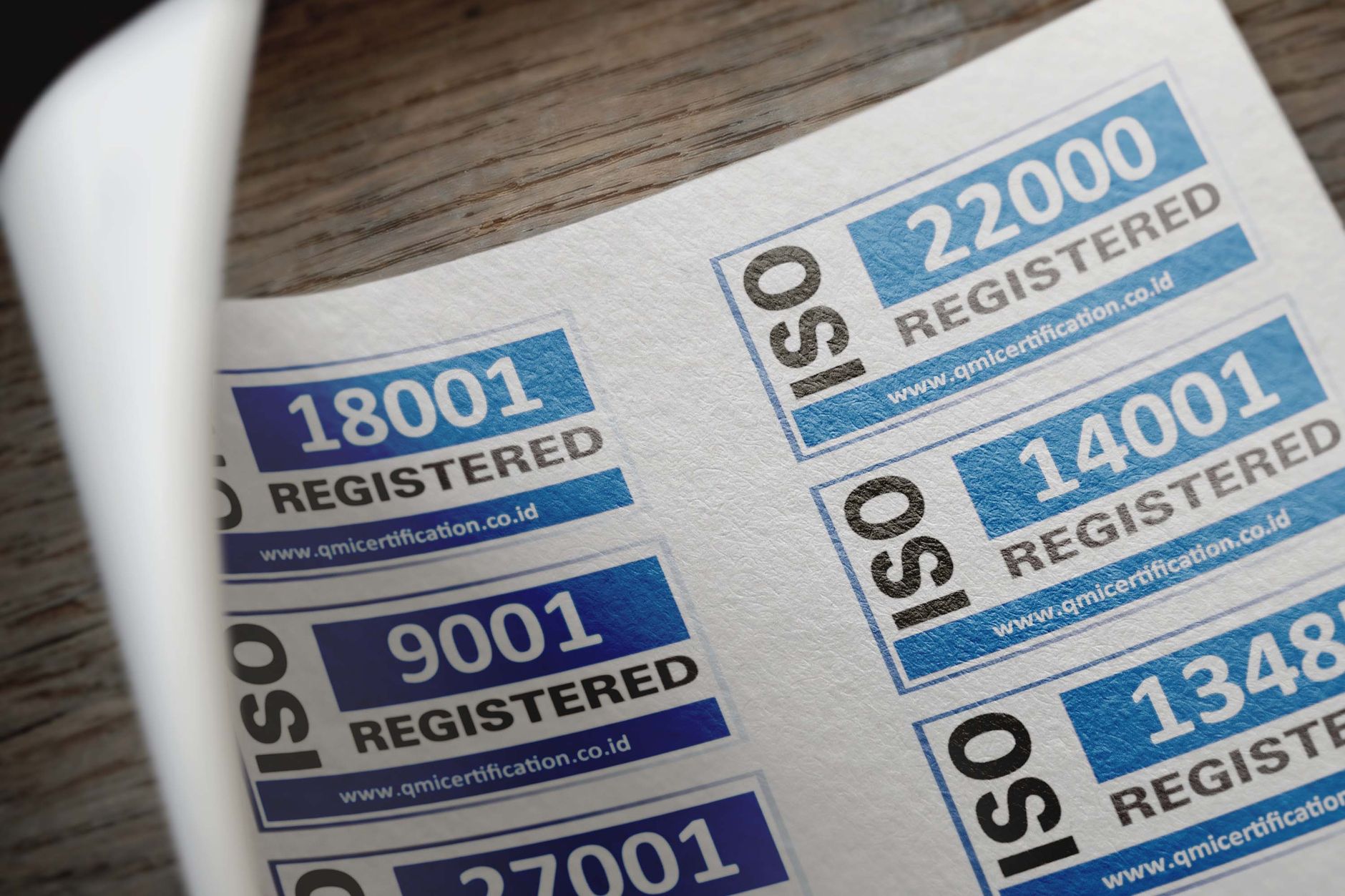
Photo by qmicertification design on Pexels
Buying HIPAA-compliant software doesn't make an organization HIPAA compliant on its own. Every covered entity still has to decide whether feeding patient data into an AI model counts as treatment, payment or healthcare operations. The minimum-necessary standard still applies to what a model sees. HIPAA Journal's analysis of AI and HIPAA points to HHS's January 2025 proposal to overhaul the Security Rule for the first time in two decades, tightening expectations around encryption and risk management for exactly this kind of system.
That's a heavier lift than most off-the-shelf AI tools are built to absorb, which is part of why EHR integrations still need their own compliance review even after the base platform is certified. We've covered what that review actually involves in EHR software development compliance.
Buying it versus building it
A scribe tool or a literature-search assistant is worth buying off the shelf. It's a narrow job, and a dozen vendors compete on doing it well. The calculation changes when the workflow is specific to how a practice actually operates, like triaging referrals against payer rules or matching patients to criteria no packaged tool was built for.
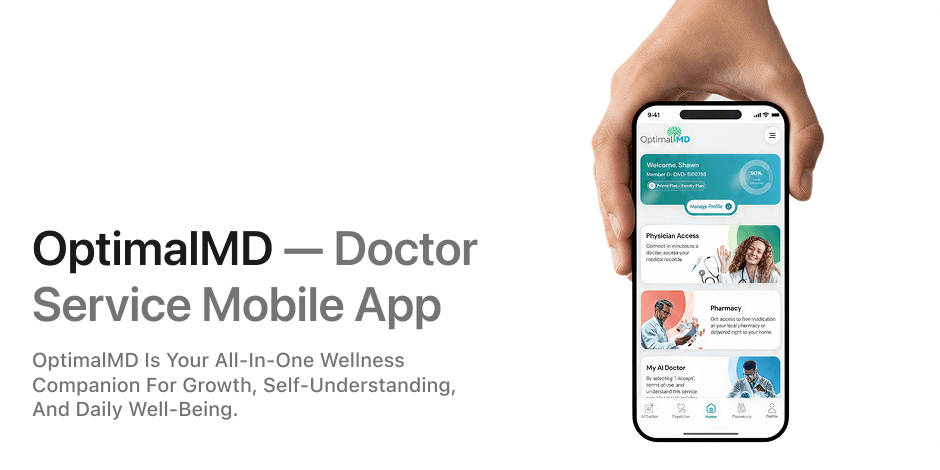
We covered where that line usually falls in when custom healthcare software makes sense, and it maps onto what we saw building accessibility tools for OptimalMD: the packaged tool covers the common case, and the custom layer is what makes it fit a specific patient population. Our AI and automation work usually starts by figuring out which of those two categories a given problem falls into, before any code gets written.
The physicians in the Doximity survey aren't wrong to be cautious. Adoption outpacing governance is a real risk, not a reason to wait. The organizations getting value out of this are the ones that picked one workflow, checked whether the tool's business associate agreement actually covers how they'll use it, and measured the result before adding a second one.
Cover photo by Google DeepMind on Pexels
Sources
2026 State of AI in Medicine Report — Doximity
Physicians still concerned about AI accuracy amid rapid adoption: survey — Healthcare Dive