



















Building a HIPAA-compliant telemedicine app splits into two very different jobs. There's the software itself, and there's the compliance program that has to exist before a patient's data can touch it legally.
Most estimates of telemedicine app development cost only price the first job. That's a big reason budgets run over. The compliance side alone reaches five figures before a developer writes a line of patient-facing code, and the bill doesn't stop once the app ships.
Compliance is where telemedicine app development cost really comes from
Medcurity's 2026 breakdown of HIPAA compliance spending puts a small practice, one to ten providers, at $5,000 to $15,000 in the first year. The number climbs fast as headcount grows, shown below.
| Organization size | Year one | Annual ongoing |
|---|---|---|
| Small (1-10 providers) | $5,000-$15,000 | $3,000-$8,000 |
| Medium (11-50 providers) | $15,000-$40,000 | $8,000-$15,000 |
| Large (50+ providers) | $40,000-$100,000+ | $15,000-$30,000+ |
That table covers risk assessments, staff training, policy work and compliance software. None of it is the app itself. It's the price of being allowed to operate one, and it scales with the size of the practice rather than the size of the codebase.
Our guide to what HIPAA-compliant app development actually takes goes through what that work looks like inside a build.
Whether the FDA even reviews your software depends on what it does
Not every telemedicine feature needs premarket review. The FDA's own guidance on device software functions draws the line at risk.
A feature that diagnoses, treats or recommends a specific clinical action counts as a medical device. One that helps a patient self-manage without suggesting treatment usually doesn't. The guidance dates to 2013, updated after the Cures Act removed some functions from the device definition outright.
Get that classification wrong early and you either build a regulatory review into your timeline you didn't budget for, or skip one you needed. Either mistake costs more than the weeks it takes to check properly, ideally with a partner who has already built healthcare apps and SaaS products.
Medicare reimbursement policy decides if the ongoing cost is worth carrying

Photo by Jonathan Borba on Pexels
None of this spending matters much if the reimbursement doesn't hold up. CMS's final rule streamlined how new services get added to the Medicare telehealth list and made every currently listed service permanent rather than provisional, according to Sidley Austin's analysis of the rule.
The same rule removed frequency limits on certain nursing home and hospital telehealth visits that had capped how often patients could use them.
Physician reimbursement got a lift too. CMS authorized a 3.85% increase after five straight years of cuts.
That stability isn't guaranteed by statute, though. The broader Medicare telehealth flexibilities that let patients receive care from home lapsed on October 1, 2025, during a government shutdown, and Congress restored them only after signing the Continuing Appropriations Act roughly six weeks later, according to K&L Gates' review of that legislation. CMS confirmed the restoration applied retroactively, so claims from the lapse period became payable again. A telemedicine platform built around Medicare patients inherits that uncertainty every time the flexibilities come up for renewal.
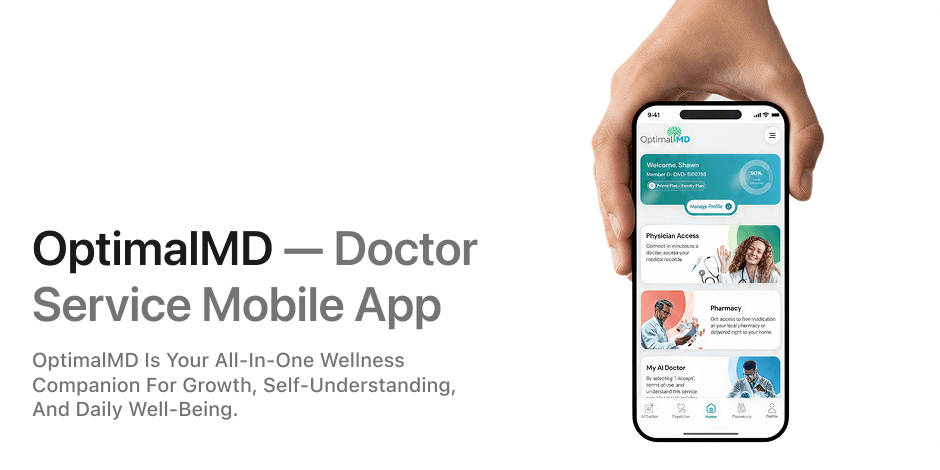
Our work with OptimalMD on healthcare accessibility ran into exactly this kind of policy dependency. It's why a build plan for a telemedicine product needs a reimbursement contingency, not just a feature list.
What this means for your budget
Add up compliance, regulatory classification and reimbursement risk before you price the software, not after. A team that treats HIPAA compliance as a checkbox at the end, rather than a cost center from day one, tends to pay twice: once to build the feature, once to rebuild it correctly.
Our complete guide to healthcare software development and our piece on when custom healthcare software actually makes sense both walk through that sequencing in more depth. Get the compliance and regulatory scoping right first, and the software estimate that follows is one you can actually hold to.
Cover photo by Eduardo Rosas on Pexels