















What You're Building With the GoHighLevel Funnel Builder
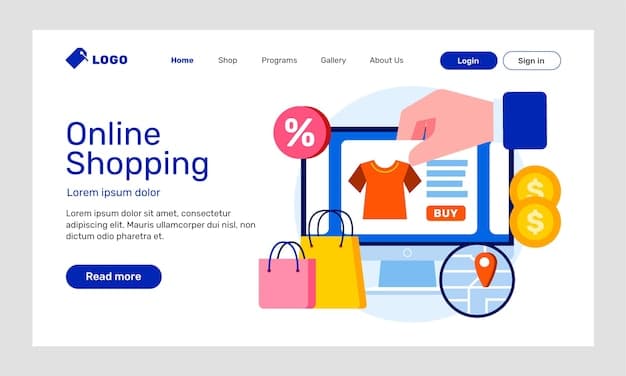
A GoHighLevel funnel strips out the navigation menu, the footer links and everything else that gives a visitor an easy way to leave. Every step, from the first landing page to the checkout, pushes toward one action.
This GoHighLevel funnel builder tutorial breaks the build into the steps that actually matter, starting with the step most guides skip: wiring the page into an automation instead of leaving it as a lone form field.
A visitor who can't click away to browse the rest of a site either converts on that one page or leaves. That's the entire reason funnels get built outside the main website rather than as another set of pages inside it.
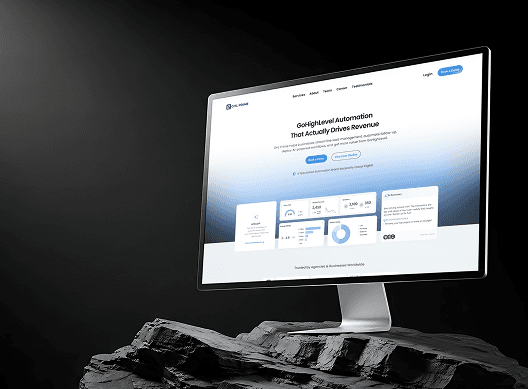
Funnels and websites live as separate tools inside the same GoHighLevel account, both built in the same drag-and-drop editor. A funnel step can be a landing page, an order form, an upsell or a thank-you page.
HighLevel's own setup guide lists three ways to start one: from a blank page, from a template, or through Funnel AI, which drafts a page from a written description of your offer.
Create the Funnel and Pick a Starting Point
Open Sites in the left menu, click Funnels, then New Funnel. Give it a name tied to the campaign rather than a generic "Funnel 1", so you can find it again once you have a dozen running.
If this is your first one, start from a template rather than a blank page. HighLevel's funnel builder overview describes templates built for industries like real estate, fitness and coaching.
Every template stays fully editable once you pick it, so starting from a working layout doesn't lock you into it.
Build the Pages With the Drag-and-Drop Editor
Click Edit on any step to open the page editor. You drag in sections, headlines, images, video blocks, buttons and testimonial blocks, and nothing requires touching code.
Write the headline first and make it state the benefit, not the product name. Then set the call-to-action button text to the action you want: "Get Your Free Quote" does more work than "Submit".
Forms live inside the same editor. Click Add Form, choose the fields you need and match the styling to the page, so the form is wired into the funnel rather than bolted on afterward.
HighLevel's funnel builder overview describes the whole interface as needing no coding or design experience, with autosaving and a live preview as you edit.
Connect Forms to Your CRM Without Reaching for Zapier
Keep the form short. A name, an email and a phone number is usually enough; every extra field costs you completions.
Once a visitor submits, GoHighLevel creates or updates the contact record automatically. You don't need Zapier for this part.
HighLevel's own webhook documentation is explicit that native workflows already handle standard funnel-to-CRM automation. Zapier only earns its place when you're pushing data to an app GoHighLevel doesn't connect to directly, like Stripe for a payment edge case or ClickUp for task handoff.
If your CRM setup still needs sorting before any of this works cleanly, that's worth doing first; our guide to GoHighLevel CRM setup for small business covers what to configure before you point a funnel at it.
Automate What Happens After Someone Opts In
A funnel without a workflow behind it is just a form that emails you once. In the Automations section, build a workflow triggered by "Form Submitted" on that specific funnel form.
From there, chain the actions: an SMS within a minute or two, a follow-up email, and an opportunity added to the right pipeline stage.
GoHighLevel's platform overview lists welcome messages, pipeline assignment and nurture sequences as the standard automation stack behind a funnel opt-in.
This is also where AI-driven follow-up earns its keep. We've written about how AI automation pairs with GoHighLevel's CRM.
If a voice-based follow-up fits your sales process, building an AI voice agent inside GoHighLevel is the more involved version of the same idea.
Connect a Domain and Publish the Funnel
A funnel can run on a GoHighLevel subdomain while you're testing it, but a real campaign needs your own domain. Go to Settings, then Domains, then Connect a Domain.
You'll set DNS records at your registrar, verify them inside GoHighLevel, then assign the domain to the funnel. Once that's confirmed, publish the funnel and it's live.
Publishing is the easy part. Getting qualified traffic to the page is a separate job, and it's where a lot of otherwise well-built funnels stall.
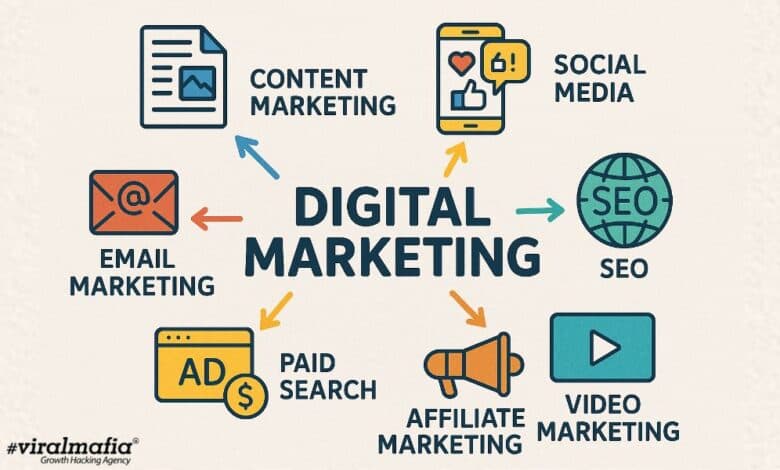
That's the gap our digital marketing and growth work is usually brought in to close.
Split Test the Funnel Once It's Live
Launching isn't the finish line. Once a funnel has real traffic, you can test whether a different headline, image or button actually converts better.
Open the funnel step you want to test and click Create Variation. A slider lets you set the traffic split, commonly 50/50 to reach a result fastest, or skewed toward the control if you'd rather test cautiously.
GoHighLevel assigns each visitor to a variant with a browser cookie, so the same person keeps seeing the same version on repeat visits. A Stats tab shows conversion performance for Control against Variation side by side.
HighLevel's split testing documentation only describes a control page and one variation, so you're comparing two versions at a time rather than running several at once.
Change one element per test: headline, button or image, not several, or you won't know which change actually moved the number.
What Building Funnels Costs on Each GoHighLevel Plan
The funnel builder itself isn't a separate charge. GoHighLevel's pricing page lists it as included on every tier, and the plans differ on sub-accounts and resale rights rather than on which building tools you get.
| Plan | Monthly price | Annual price | What it buys |
|---|---|---|---|
| Starter | $97/mo | $970/yr | 3 sub-accounts, unlimited contacts and users |
| Unlimited | $297/mo | $2,970/yr | Unlimited sub-accounts, basic API access, no-markup rebilling |
| Agency Pro | $497/mo | $4,970/yr | SaaS mode, automated sub-account creation, rebilling with markup |
GoHighLevel positions the Starter plan for smaller businesses and solo marketers, while agencies managing more than a few client accounts tend to need Unlimited just to get past the three-sub-account cap.
Enterprise pricing sits above Agency Pro and is quoted directly by GoHighLevel's sales team, built around things like a white-labeled mobile app and HIPAA-related requirements rather than funnel features.
Frequently asked questions
Do I need Zapier to connect my funnel to other tools?
Not for the basics. Form submissions, contact creation and workflow triggers run natively inside GoHighLevel. Zapier, or a raw webhook, only becomes necessary when you're pushing data to an outside app that GoHighLevel doesn't connect to directly, such as Stripe or ClickUp.
How long does building a funnel actually take?
GoHighLevel's own funnel builder overview claims you can go from idea to a live, trackable funnel in under an hour, though that assumes you're starting from a template with your offer and copy already decided rather than writing both from scratch.
Can I test more than two versions of a page at once?
Based on HighLevel's own documentation, no. Split testing in GoHighLevel runs a control against one variation at a time, not several versions simultaneously.
Do I need a developer to build a funnel in GoHighLevel?
No. The editor is drag-and-drop, and the template library gives you a working page structure to edit rather than a blank canvas, so most of the build is copy and configuration, not code.
Sources
- Getting Started: Launch a Funnel — HighLevel Support Portal
- Build Sales Funnels Using HighLevel Funnel Builder — GoHighLevel