Web development
Node.js developers for APIs, back ends and custom integrations
Octopi Digital's Web development team builds Node.js back ends for web platforms, mobile apps and automation projects. We write REST APIs, webhook receivers, scheduled jobs and integrations that move data between your CRM, payment processor, phone system and AI models. For founders, Node.js means one language from database to screen. For local businesses, it usually means the custom glue that off-the-shelf connectors cannot handle, running quietly on a server you own and can inspect whenever something looks wrong.

- Category
- Web development
- Handled by
- Our web development team
- Used in
- AI automation, Websites, Apps, SaaS
Overview
What is Node.js?
Node.js is an open-source runtime that runs JavaScript on servers rather than only in the browser. It is widely used for APIs, real-time features and background jobs, and lets a team use one language across front end and back end.
Official Node.js website (opens in a new tab)Signs you need a Node.js expert
- 01Your Zapier or Make workflows have grown so tangled that one failed step quietly breaks your lead flow.
- 02Your mobile app is designed but nobody has built the server side it needs.
- 03Webhooks from your payment processor or CRM arrive, but nothing reliably records them.
- 04An old Node.js server runs on an outdated version and nobody wants to touch it.
- 05Nightly imports or reports time out because they run inside a web request.
What businesses hire us to do with Node.js
- API back end for a booking or field service mobile app
- Lead routing from web forms to CRM and SMS
- Stripe webhook handling for subscriptions
- Scheduled syncs between job software and accounting
- AI call summaries pushed into a CRM
- Live job status updates for customers
Want this working for your Node.js setup?
Book a free strategy call and we'll show you where to start.
What we do
What we do with Node.js
APIs, webhooks and background jobs in Node.js that connect your apps, CRM, payments and AI models reliably.
- 01
APIs for web and mobile apps
We design REST endpoints with authentication, validation and clear error messages. Your web app, mobile app and partners all talk to one well-documented back end.
- 02
Webhooks and system integrations
Incoming events from Stripe, your CRM or a form tool are verified, logged and processed once. Nothing gets lost when a third party retries.
- 03
Background jobs and schedules
Imports, reminders, report generation and syncs run in queues or on a schedule, outside web requests. Pages stay fast and long tasks finish.
- 04
Real-time features
Live job status, chat and notifications built with WebSockets or server-sent events. Office staff and crews see updates without refreshing.
- 05
AI features in your product
We call models from OpenAI or Anthropic from the server, with prompts, limits and logging kept in your code. API keys never reach the browser.
- 06
Hosting, monitoring and upgrades
We deploy to AWS, Google Cloud or containers, add error tracking and keep Node.js on a supported release line. You get alerts before customers notice problems.
When Node.js is the right choice
JavaScript across the whole product
If your front end is React or Next.js, a Node.js back end lets one team work on everything and share types.
Lots of API calls and events
Node.js handles many simultaneous network requests well, which suits integrations, webhooks and real-time updates.
When Python is the better fit
If the core of the product is data science or machine learning work, a Python back end sits closer to those libraries.
Does this sound like your business?
If Node.js should be doing more for you, our web development team can set it up, fix what's broken or build on it. Tell us where you're stuck.
- Free strategy call
- No obligation
- Straight answers
Projects
Projects we build with Node.js
The kinds of Node.js projects our team takes on, and what each one includes.
- 01Home-service companies with several lead sources
Lead routing service from web forms to CRM and SMS
We build a Node.js service that takes leads from your website, ads and directories, cleans them up and sends them to your CRM. The right person gets a text within moments, so fewer leads go cold.
- Form and webhook intake
- Duplicate lead checks
- CRM record creation
- SMS alerts to staff
- 02Service companies and startups building mobile apps
API back end for a field service mobile app
We build a Node.js API that handles accounts, jobs, photos and notifications for your crew or customer app. The mobile app stays simple and the business rules live in one place you control.
- REST or GraphQL API
- Authentication and roles
- File upload handling
- Push and email notifications
- 03Businesses that take a lot of phone calls
AI call summary pipeline feeding a CRM
We build a Node.js service that receives call recordings, gets an AI summary and next steps, and writes them onto the customer's CRM record. Staff can read what the caller needed without listening to the whole call.
- Call recording webhook
- AI summary step
- CRM note and task creation
- Error alerts and retries
How we work
How our web development team runs a Node.js project
- 01
Map the data flow
We list every system involved, what triggers each action and what should happen when something fails.
- 02
Design the API and jobs
Endpoints, payloads and job schedules are written down and agreed before code, so front-end and mobile work can start in parallel.
- 03
Build with logging from day one
Every integration records what it received and what it did, which makes problems traceable in minutes rather than days.
- 04
Deploy and hand over
We set up hosting, alerts and environment settings, then document how to run, update and troubleshoot the service.
Ready to start your Node.js project?
Step one is a free strategy call. We map what you need, then tell you exactly what we'd build and what it would take.
- Free strategy call
- No obligation
- Straight answers
Our work
More work from our web development team
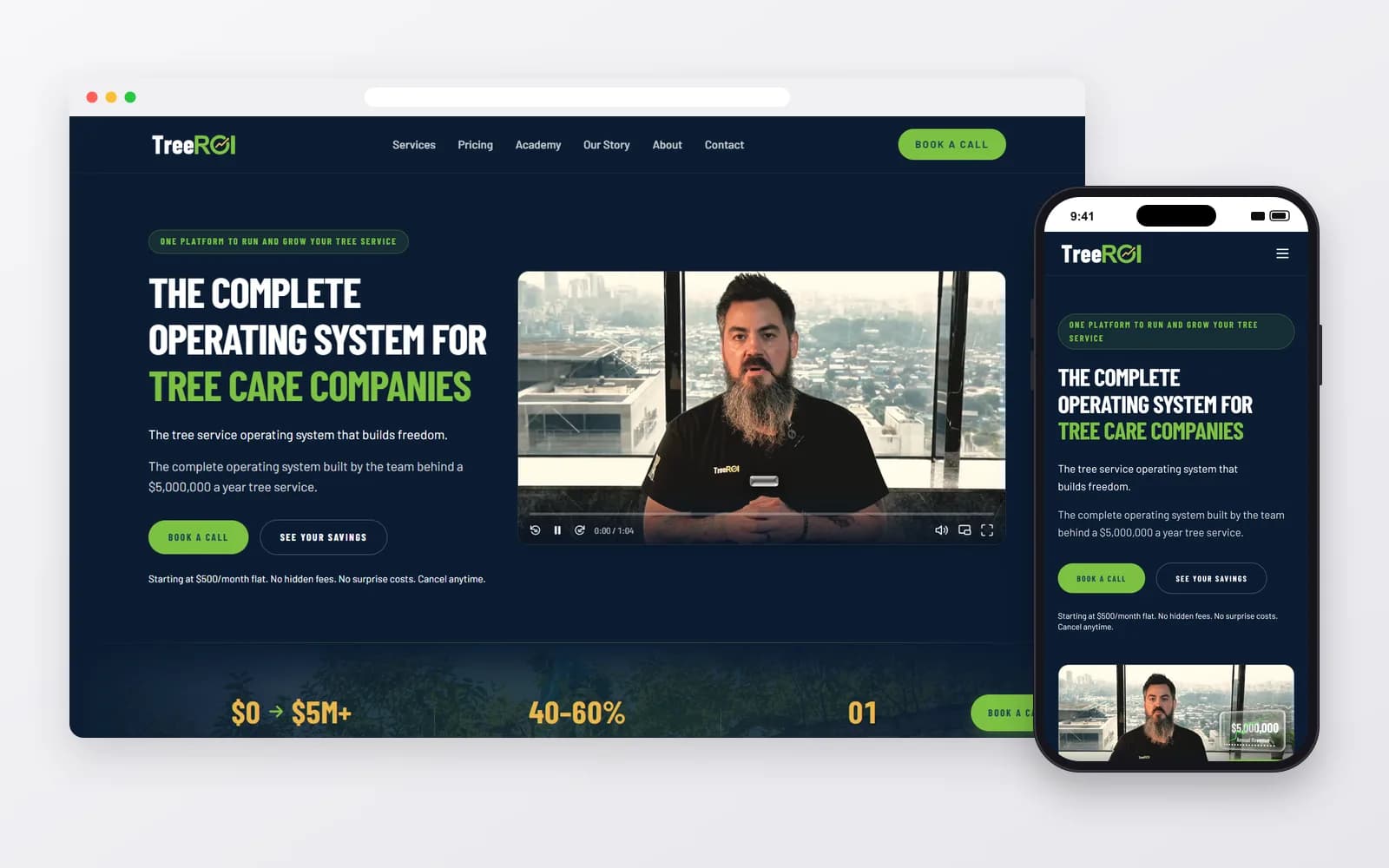
Platform
TreeROI

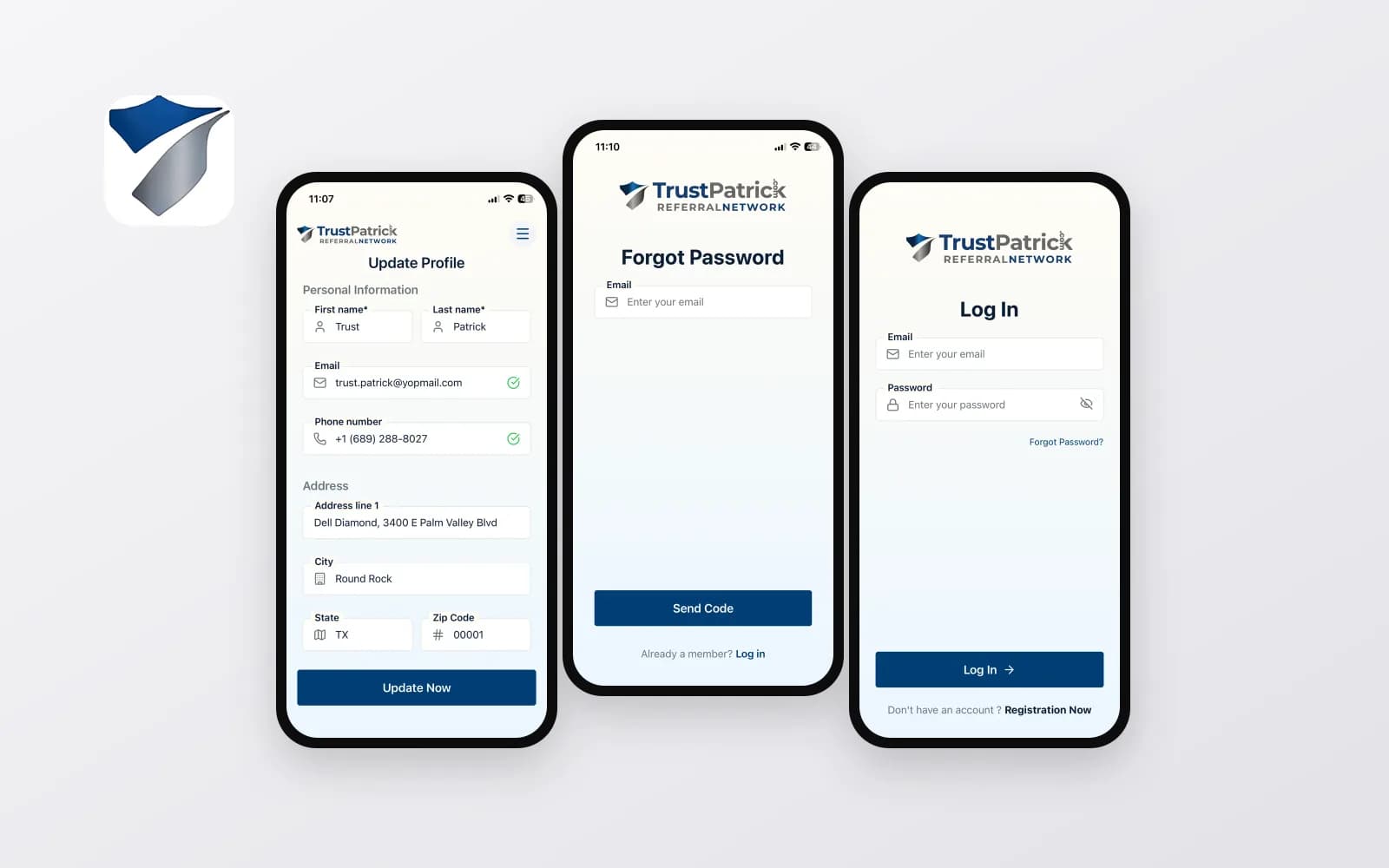
Platform
TrustPatrick
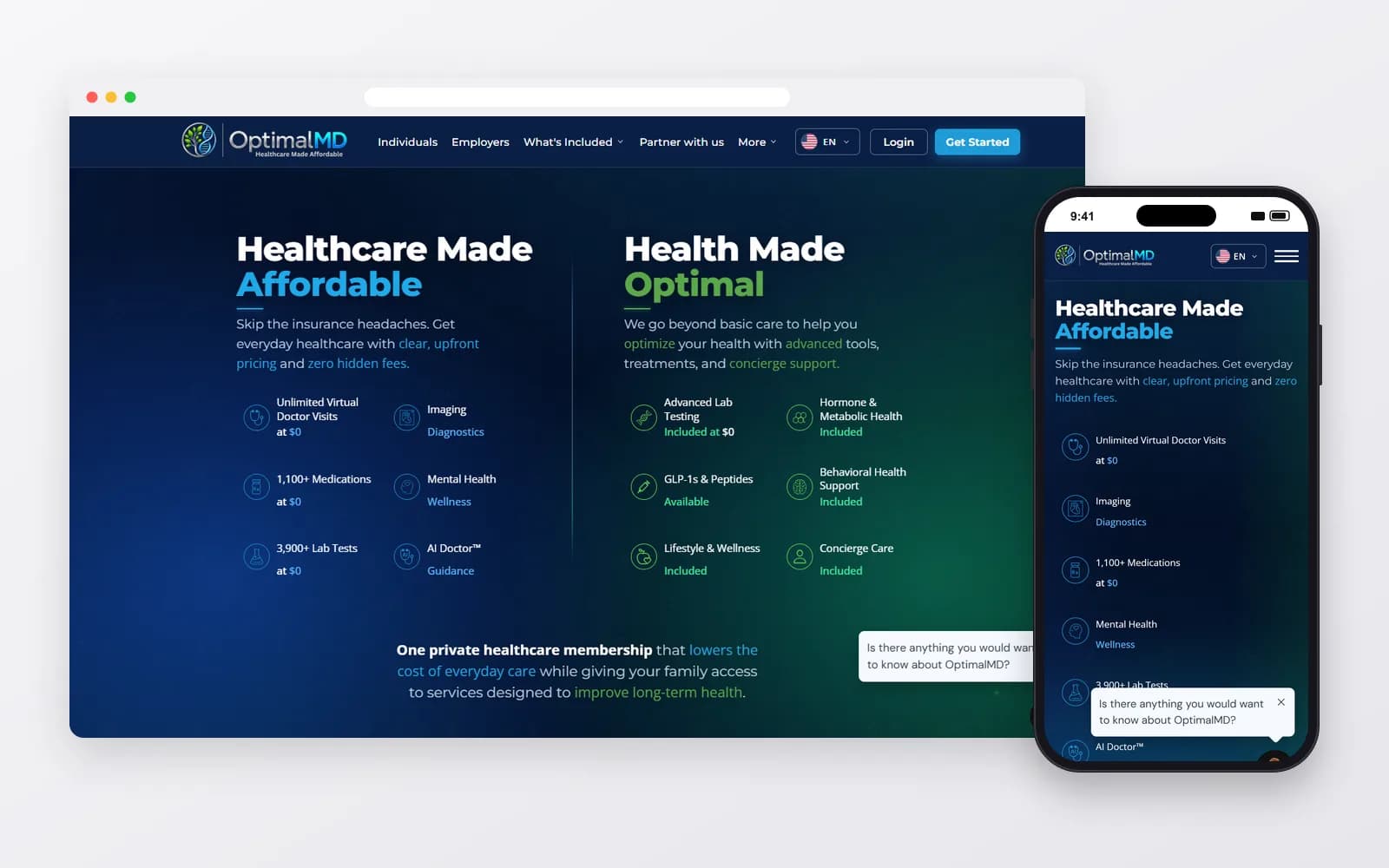
Website
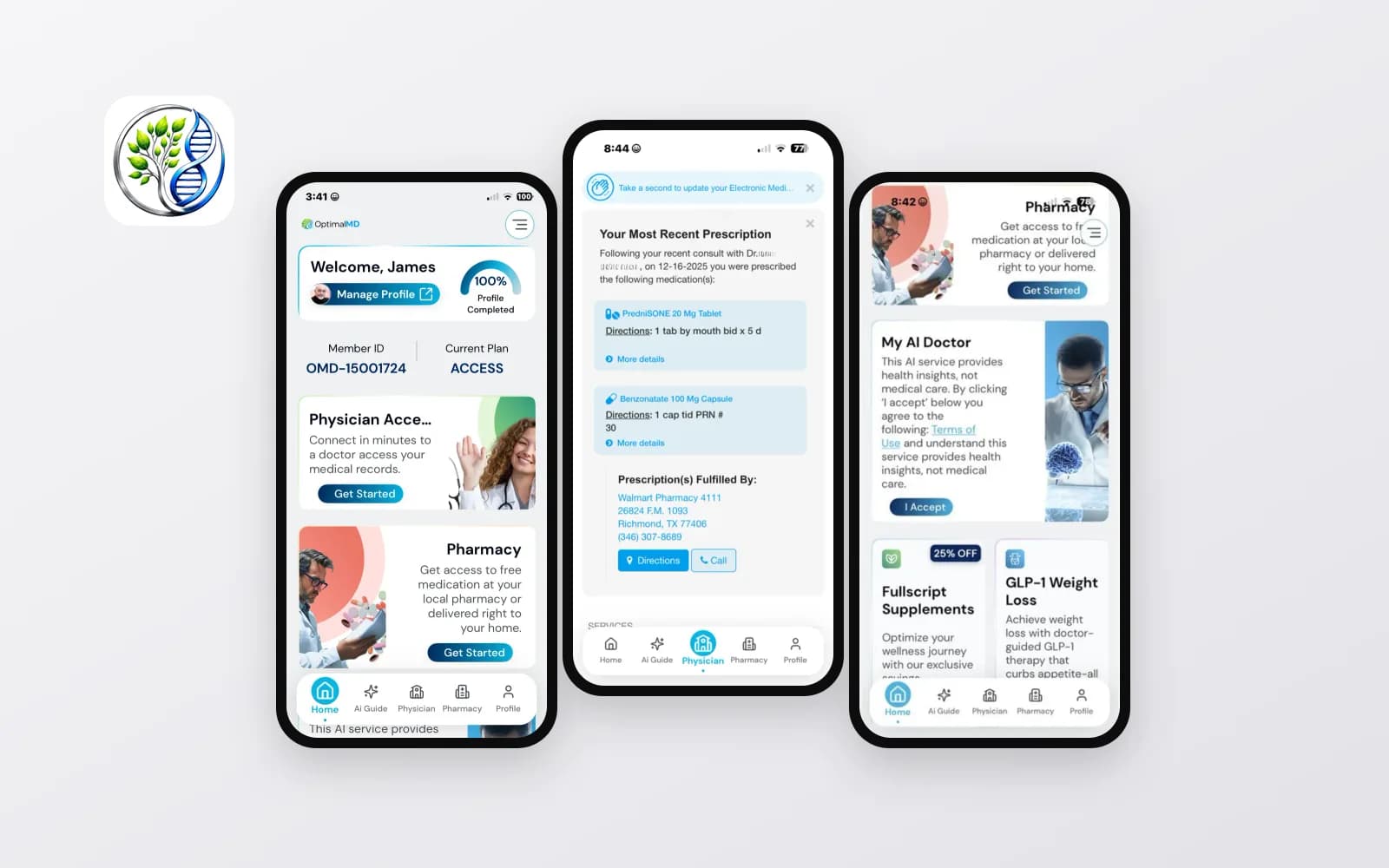
OptimalMD
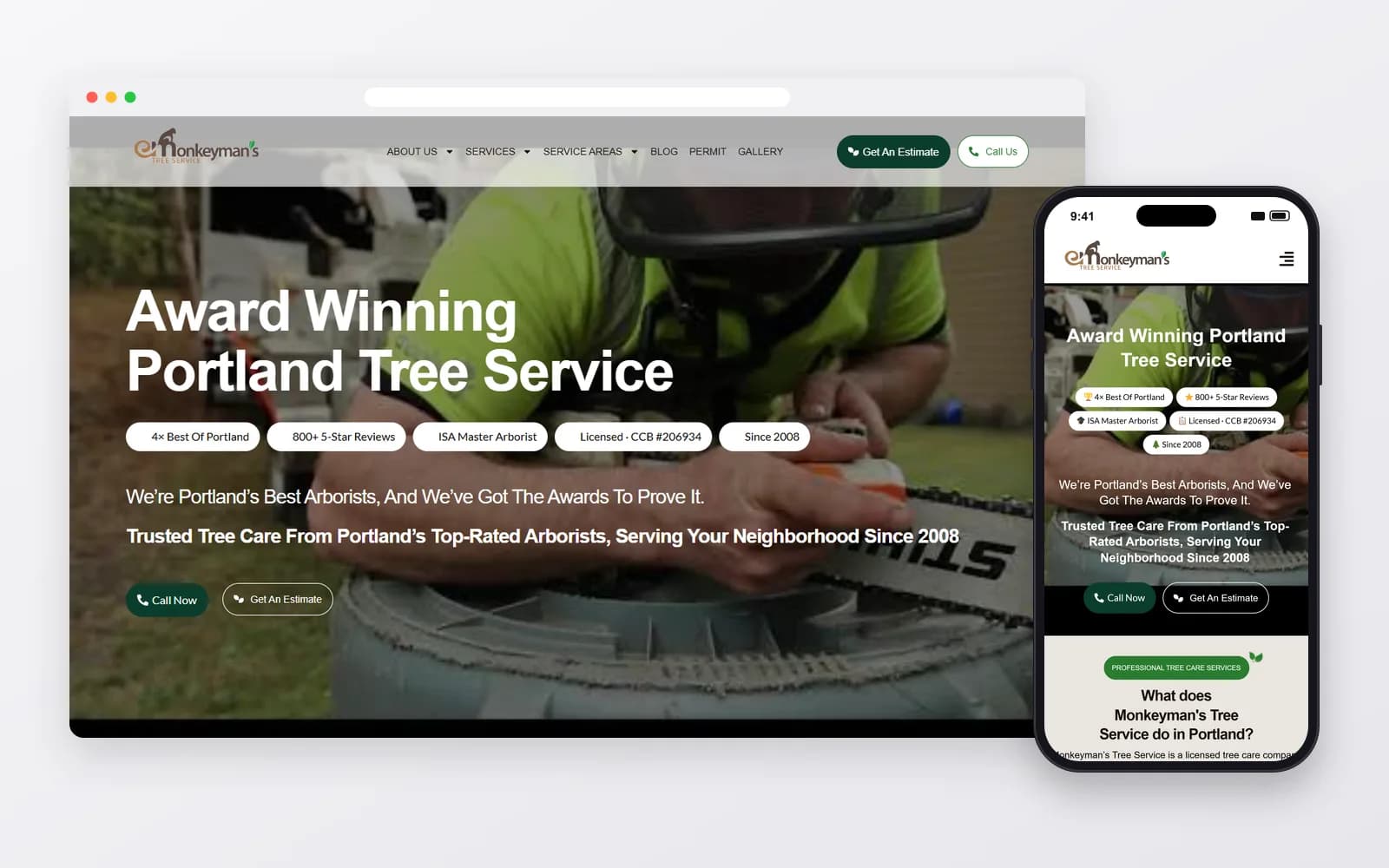
Website
Monkeyman's Tree Service
Integrations
What we connect Node.js with
Tools we often wire into Node.js so data moves on its own. Each one has its own page.








Work like this, built for your business
Our web development team works across Node.js and the tools around it, so your setup is connected from day one, not patched together later.
- Free strategy call
- No obligation
- Straight answers
Alternatives
Node.js alternatives, and when to pick them
- vs
Node.js vs Python
Pick Python when the back end is mostly data processing, analytics or machine learning rather than web traffic.
About Python - vs
Node.js vs Laravel
Laravel suits teams that already know PHP and want logins, queues and admin tooling ready out of the box.
About Laravel


Full comparisons with Node.js
Services
Services we deliver with Node.js
AI Automation & AI Agents
AI that answers your calls, replies to every lead and books the job, while you're busy running the business.
See the serviceWeb Design & Development
A fast website that makes your phone ring, built for local customers searching on their phones.
See the serviceApp Development
Apps for your customers and your crew, from first version to the app stores.
See the serviceSaaS & Web App Development
Customer portals, custom software and SaaS products, built to launch and to grow.
See the service
Not sure Node.js is the right fit?
We work with the alternatives too, so you'll get a straight answer on which one suits your business, even if it's not Node.js.
- Free strategy call
- No obligation
- Straight answers
FAQ
Node.js questions
Straight answers about working with us on Node.js.
8 questions answered

Still have a question?
Talk it through with our team on a free strategy call.
Web development
More Web development tools we use
Next.js
Websites · SaaS
We build Next.js marketing sites and logged-in web platforms that load quickly and hand search engines complete pages.
How we use itReact
Websites · SaaS
Customer dashboards, booking flows and admin tools built in React, with components your next developer can understand.
How we use itVue.js
Websites · SaaS
New features, upgrades and steady maintenance for Vue.js apps, plus Vue widgets that drop into the site you already have.
How we use itAngular
SaaS · Websites
We extend, upgrade and steady Angular applications, from AngularJS migrations to form-heavy portals and dashboards.
How we use itPHP
Websites · SaaS
PHP upgrades, error fixes, custom WordPress code and care for older custom portals that still run your business.
How we use itLaravel
SaaS · Websites
Custom Laravel applications with logins, billing, queues and admin tools, built on a structure any PHP developer recognizes.
How we use itPython
AI automation · SaaS
Python scripts, data pipelines and AI features that take repetitive work off your staff and run on a schedule you can see.
How we use itDjango
SaaS · Websites
Django portals, back offices and APIs, with Python data and AI work living in the same codebase.
How we use it






Want Node.js set up properly?
Tell us what you're trying to get done. We'll tell you honestly whether Node.js is the right tool for it, and what we'd build first.