Databases & cloud
PostgreSQL developers for app databases, migrations and tuning
Octopi Digital's Web development team designs, builds and tunes PostgreSQL databases for SaaS products, customer portals, booking systems and internal tools. We plan tables, keys and constraints so bad data cannot slip in, write migrations your team can track in version control, and hunt down the queries that make pages slow. Postgres is our usual pick when records are closely related and reporting matters, though we work with NoSQL databases like MongoDB as well and choose per project. You end up with a database that keeps accurate totals, copes with growth and can be handed to any competent developer.

- Category
- Databases & cloud
- Handled by
- Our web development team
Overview
What is PostgreSQL?
PostgreSQL, often called Postgres, is a free, open-source relational database that stores data in tables and is queried with SQL. It is known for strict data integrity, built-in JSON support and a large range of extensions.
Official PostgreSQL website (opens in a new tab)Signs you need a PostgreSQL expert
- 01Monthly reports take minutes to run or time out completely.
- 02Your app holds duplicate customer or order records because nothing in the database prevents them.
- 03Schema changes are made directly on the live database with no record of who changed what.
- 04You have outgrown a spreadsheet or Airtable base and need real relationships between records.
- 05Your Postgres version is several releases behind and nobody wants to plan the upgrade.
What businesses hire us to do with PostgreSQL
- Booking and scheduling system for a multi-location clinic
- Invoicing and payments ledger for a SaaS product
- Customer portal with per-account data isolation
- Inventory tracking across warehouses or service vans
- Lead and customer database moved out of spreadsheets
- Service-area and distance search using the PostGIS extension
Want this working for your PostgreSQL setup?
Book a free strategy call and we'll show you where to start.
What we do
What we do with PostgreSQL
Relational databases built for accurate reporting and safe transactions, by a team that also uses MongoDB when that fits better.
- 01
Schema and constraint design
We model tables, foreign keys, unique rules and check constraints around how your business actually runs. The database then refuses duplicate bookings or orphaned invoices instead of relying on app code alone.
- 02
Migrations under version control
Every schema change is written as a migration through your framework or a tool like Prisma, Django or Laravel. Changes get reviewed and applied in order, and nobody edits production tables by hand.
- 03
Query and index tuning
We use EXPLAIN ANALYZE to see how Postgres executes your slowest queries, then add indexes or rewrite the SQL. Every change is measured before it goes live.
- 04
Managed hosting setup
We run Postgres on services such as Amazon RDS, Google Cloud SQL or Supabase with automated backups and encryption switched on. You pick the host; we handle the settings that matter.
- 05
Row-level security and roles
For multi-tenant apps we can use Postgres roles and row-level security policies so one customer can never read another's records. That protection lives in the database, not just the app.
- 06
Reporting views and dashboards
We write views and summary queries for dashboards and exports, and connect tools like Looker Studio when you want charts without a developer. Heavy reports can run on a read replica so customers don't feel them.
When PostgreSQL is the right choice
Tightly related records
Customers, jobs, invoices and payments that all reference each other are exactly what relational databases were built for.
Money and reporting
Transactions keep balances consistent, and SQL makes revenue, usage and performance reports straightforward to write.
When documents fit better
If every record has a different shape or you mostly store large self-contained objects, MongoDB can be simpler, and we will recommend it.
Does this sound like your business?
If PostgreSQL should be doing more for you, our web development team can set it up, fix what's broken or build on it. Tell us where you're stuck.
- Free strategy call
- No obligation
- Straight answers
Projects
Projects we build with PostgreSQL
The kinds of PostgreSQL projects our team takes on, and what each one includes.
- 01Clinics, studios and multi-location practices
Scheduling database for a multi-location clinic group
We design a PostgreSQL database for providers, rooms, locations and appointments with rules that prevent double bookings. Reports on bookings by location come straight from the database.
- Appointment data model
- Double-booking constraints
- Location reporting views
- Automated backups
- 02Home-service companies covering a large region
Service-area and distance search for a home-service company
We use PostgreSQL with PostGIS to check whether an address is inside your service area and how far it is from the nearest crew base. The booking form can accept or route a job based on location automatically.
- PostGIS setup
- Service area boundaries
- Distance lookup queries
- Booking form connection
- 03Growing businesses tracking customers in spreadsheets
Customer and lead database moved off spreadsheets
We design a PostgreSQL database for customers, properties, leads and jobs and move your spreadsheet data into it cleanly. Everyone works from one source and duplicate rows stop multiplying.
- Schema design
- Spreadsheet data import
- Duplicate merge rules
- Simple admin access
How we work
How our web development team runs a PostgreSQL project
- 01
Map the data
We list the entities, relationships and reports your business needs, or audit the schema you already have.
- 02
Design and agree
You see a schema diagram and a plain-language summary of the rules it enforces before anything is built.
- 03
Build, migrate and test
Tables, migrations and seed data are created, and existing data is moved with scripts tested on a copy first.
- 04
Tune and document
We check the slowest queries at realistic data volumes, confirm a backup restores and document how to make future changes.
Ready to start your PostgreSQL project?
Step one is a free strategy call. We map what you need, then tell you exactly what we'd build and what it would take.
- Free strategy call
- No obligation
- Straight answers
Our work
More work from our web development team
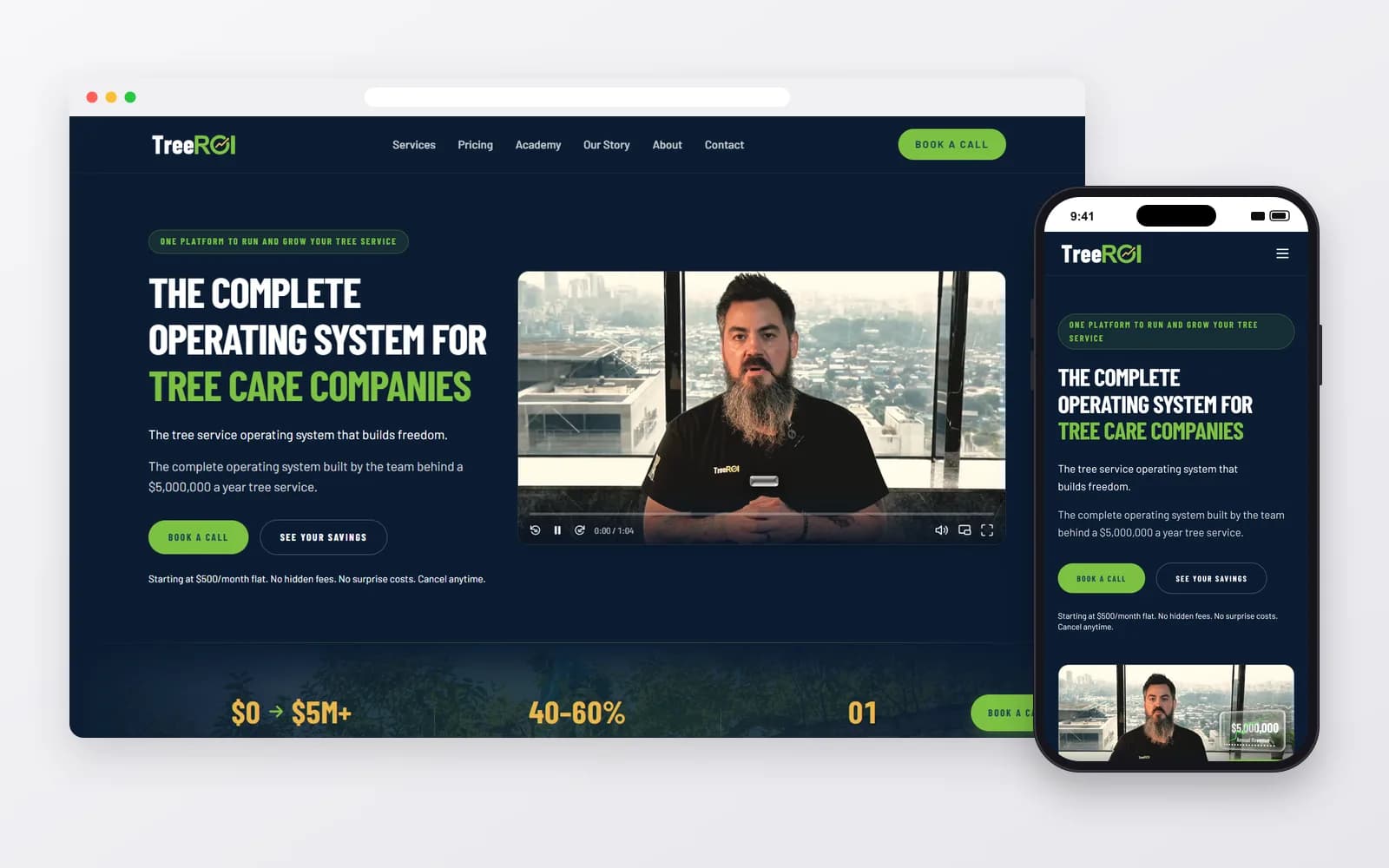
Platform
TreeROI
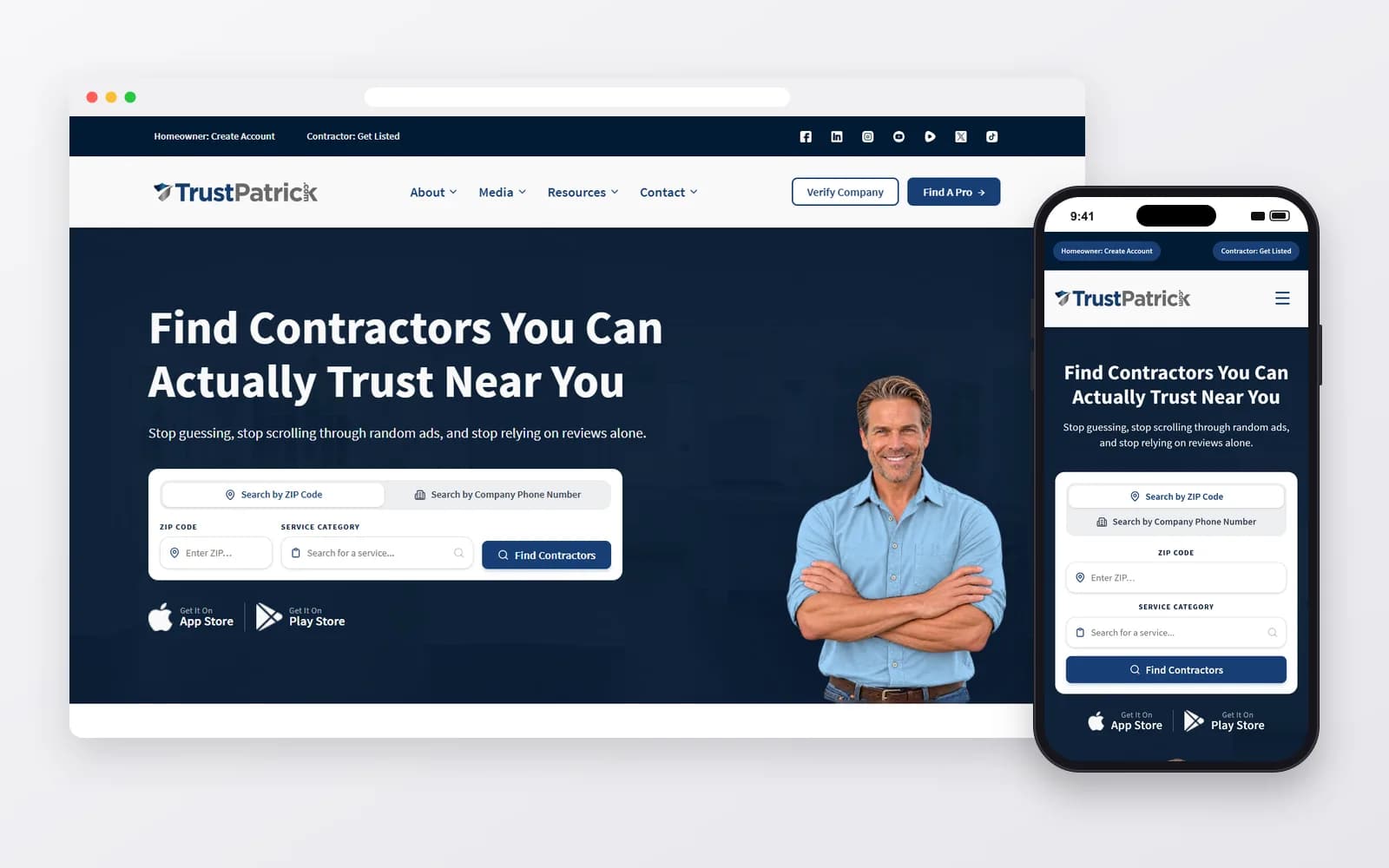
Platform
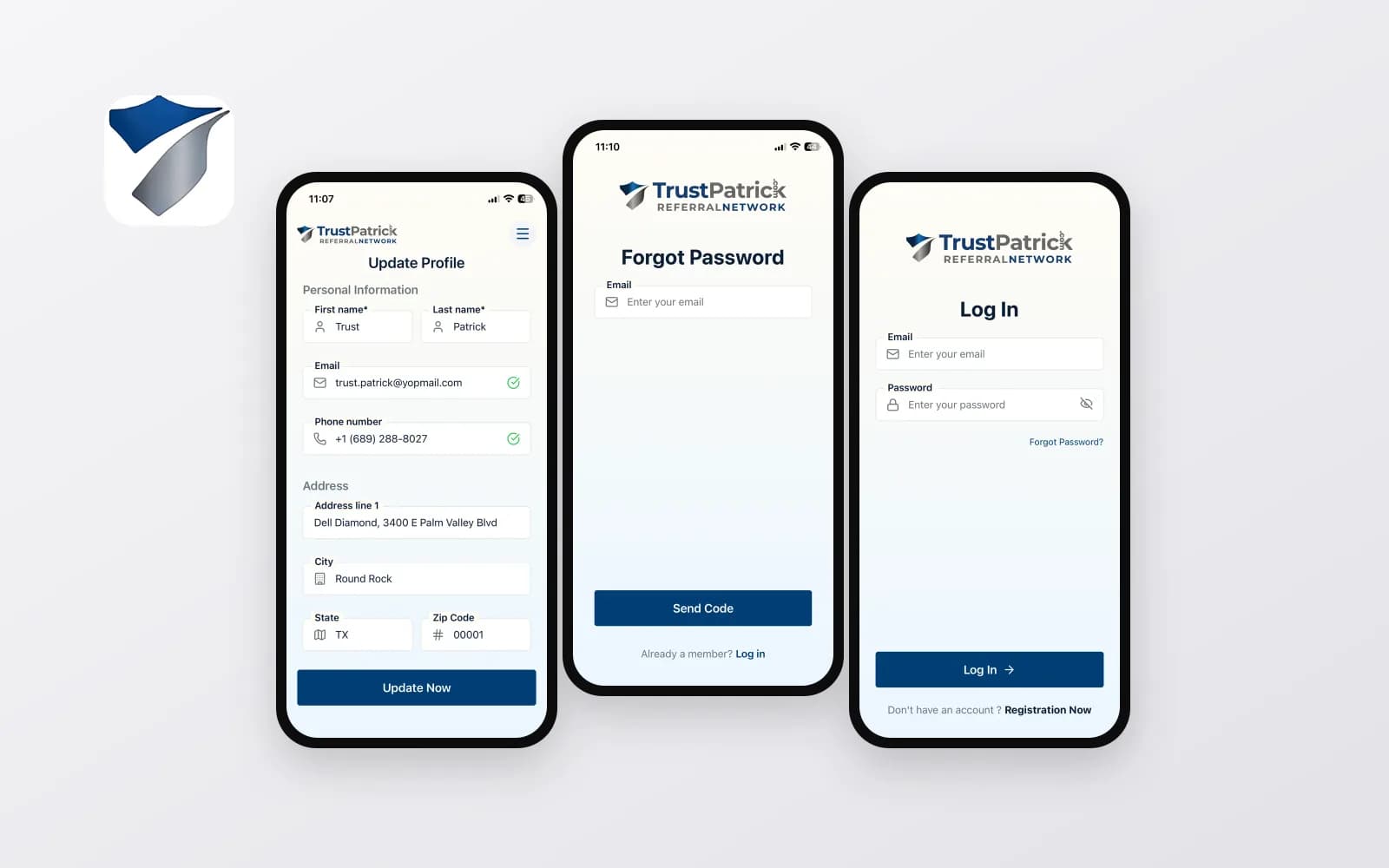
TrustPatrick
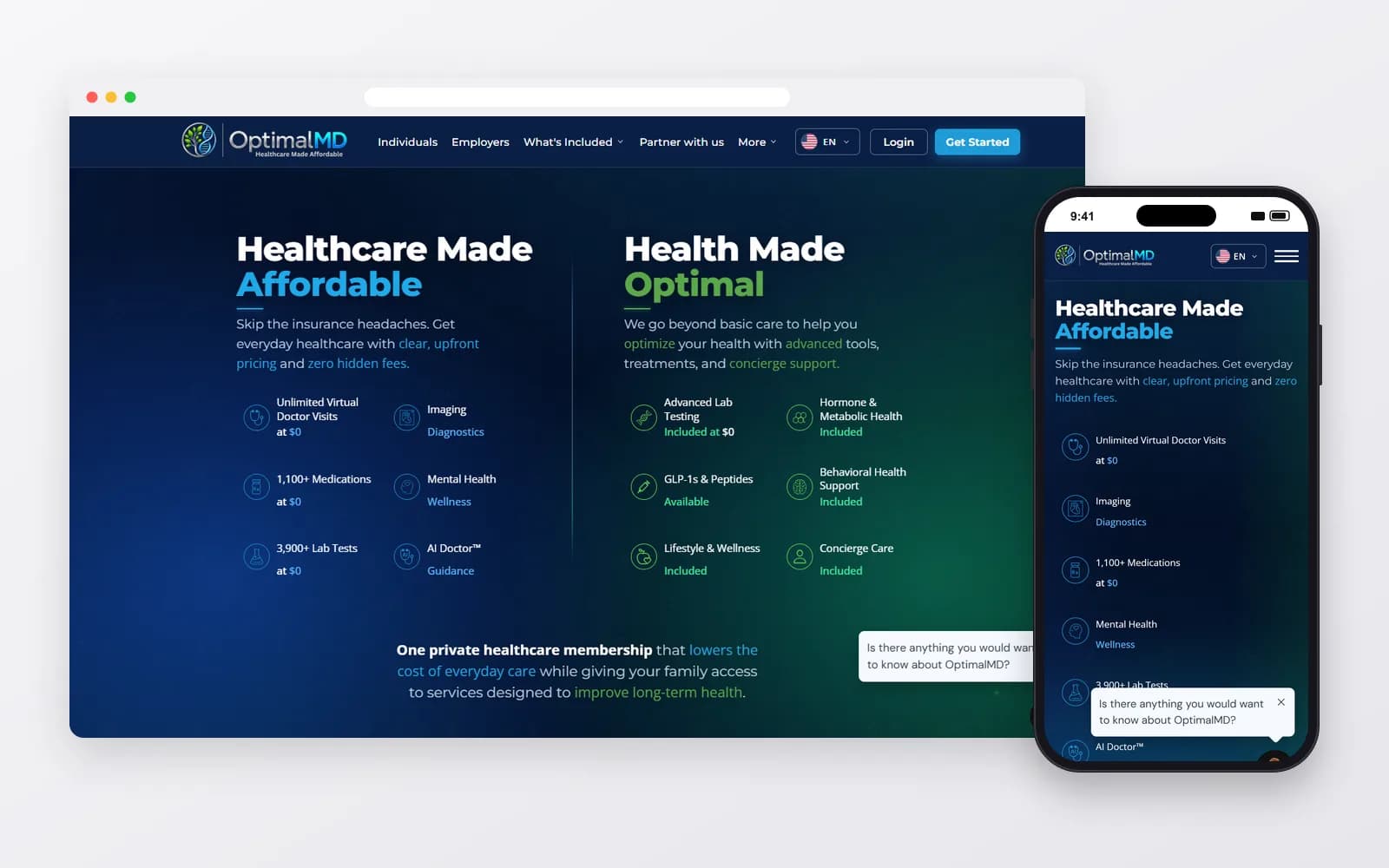
Website
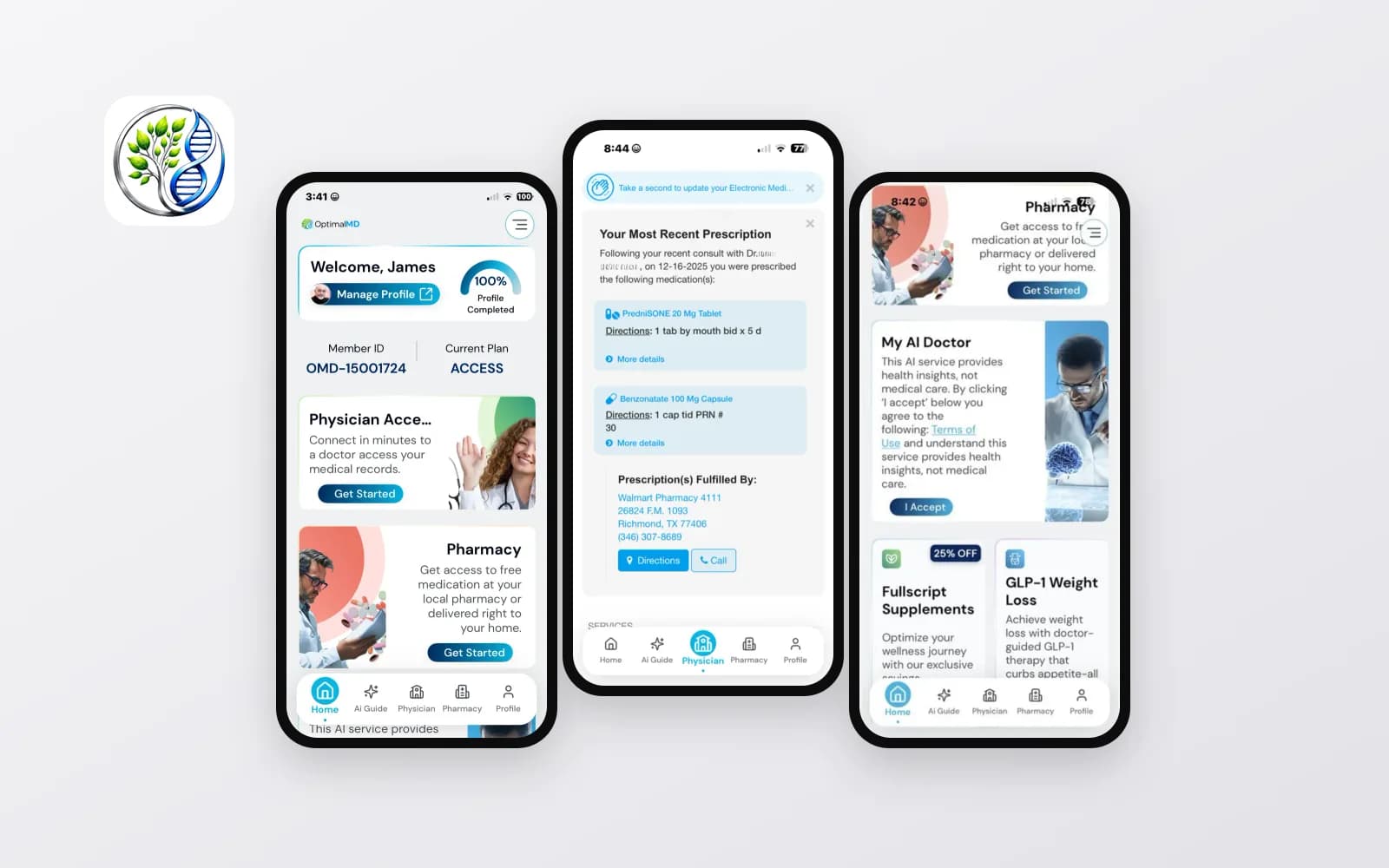
OptimalMD
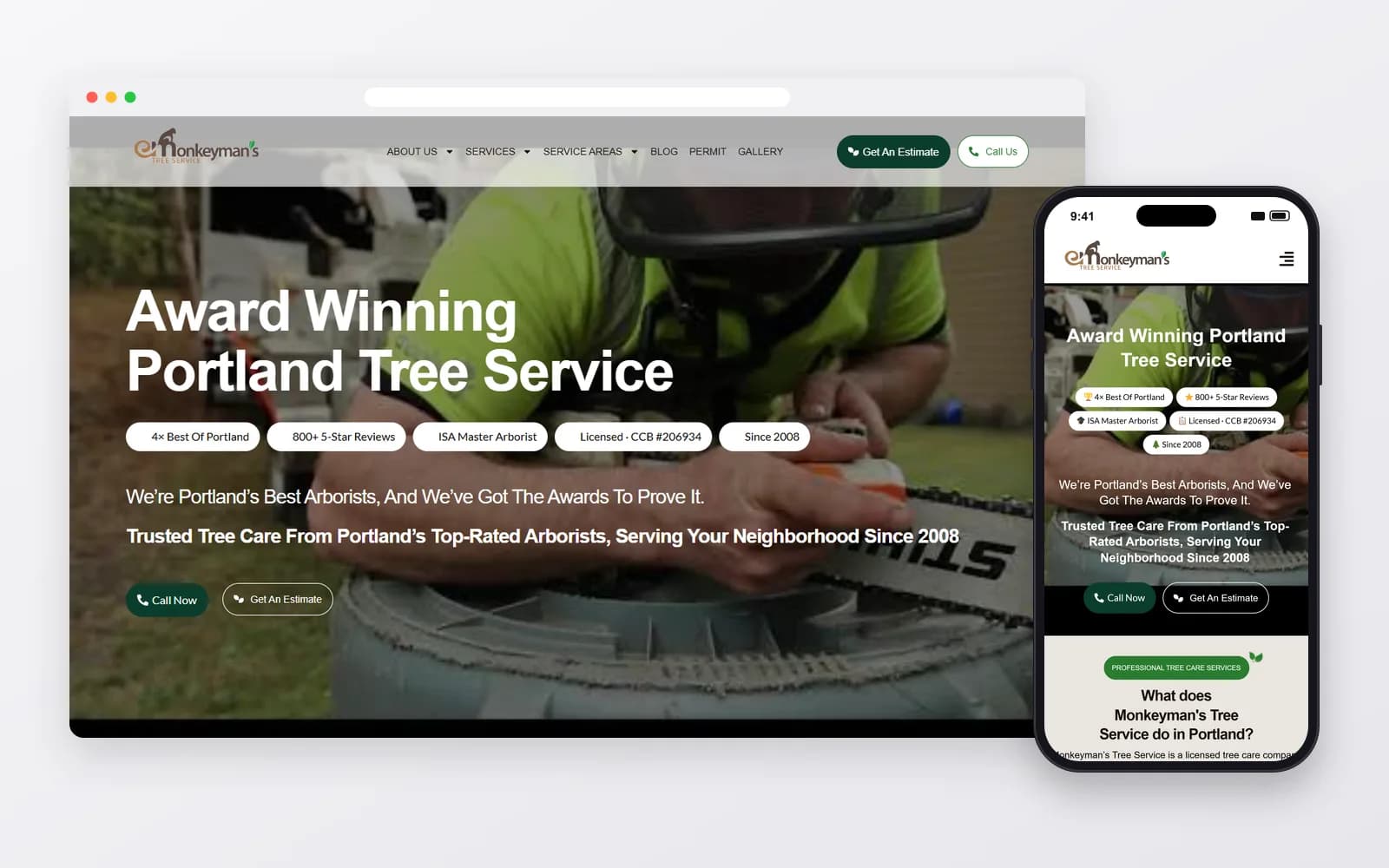
Website
Monkeyman's Tree Service
Integrations
What we connect PostgreSQL with
Tools we often wire into PostgreSQL so data moves on its own. Each one has its own page.







Work like this, built for your business
Our web development team works across PostgreSQL and the tools around it, so your setup is connected from day one, not patched together later.
- Free strategy call
- No obligation
- Straight answers
Alternatives
PostgreSQL alternatives, and when to pick them
- vs
PostgreSQL vs MySQL
MySQL is a sensible choice when you run WordPress, WooCommerce or a PHP host that already provides it.
About MySQL - vs
PostgreSQL vs MongoDB
MongoDB fits better when records vary a lot in structure and are usually read as whole documents.
About MongoDB - vs
PostgreSQL vs Supabase
Supabase gives you managed Postgres plus sign-in, storage and APIs, which cuts back-end work for an MVP.
About Supabase


Services
Services we deliver with PostgreSQL
Web Design & Development
A fast website that makes your phone ring, built for local customers searching on their phones.
See the serviceApp Development
Apps for your customers and your crew, from first version to the app stores.
See the serviceSaaS & Web App Development
Customer portals, custom software and SaaS products, built to launch and to grow.
See the service
Not sure PostgreSQL is the right fit?
We work with the alternatives too, so you'll get a straight answer on which one suits your business, even if it's not PostgreSQL.
- Free strategy call
- No obligation
- Straight answers
FAQ
PostgreSQL questions
Straight answers about working with us on PostgreSQL.
8 questions answered

Still have a question?
Talk it through with our team on a free strategy call.
Databases & cloud
More Databases & cloud tools we use
MongoDB
SaaS · Apps
Hire MongoDB developers to design schemas, fix slow queries and move data safely, from a team that builds on SQL too.
How we use itMySQL
Websites · SaaS
Fix slow WordPress and WooCommerce databases, tune queries and migrate MySQL data, with a team fluent in SQL and NoSQL.
How we use itSupabase
SaaS · Apps
Postgres, sign-in, file storage and APIs set up properly, with row-level security that really protects your users' data.
How we use itRedis
SaaS · Apps
Cache repeat work, run background jobs reliably and keep sessions quick, set up by developers who know when Redis isn't needed.
How we use itAmazon Web Services
SaaS · Apps
Amazon Web Services set up so your app is secure, backed up and costs what it should, without a full-time DevOps hire.
How we use itGoogle Cloud
SaaS · Apps
Cloud Run, Cloud SQL, BigQuery and Firebase set up for small teams that want Google's cloud without the guesswork.
How we use itVercel
Websites · SaaS
Next.js and React projects deployed on Vercel with preview links, clean environments and settings that keep pages fast and bills sane.
How we use itDocker
SaaS · Apps
Package your app and its services into containers so it runs the same on every laptop, server and cloud.
How we use it


Want PostgreSQL set up properly?
Tell us what you're trying to get done. We'll tell you honestly whether PostgreSQL is the right tool for it, and what we'd build first.