Databases & cloud
MongoDB developers for app, SaaS and platform databases
Octopi Digital's Web development team helps businesses and founders design, build and repair MongoDB databases. We model collections around how your app actually reads data, add the indexes that keep lists and searches quick, and set up backups, user permissions and network rules. Typical work includes mobile app back ends, SaaS platforms, customer portals and the record stores behind AI and automation workflows. We also build on PostgreSQL and MySQL, so we recommend MongoDB when flexible documents suit your data, not out of habit. You get a database your developers can reason about and that keeps responding as records pile up.

- Category
- Databases & cloud
- Handled by
- Our web development team
- Used in
- AI automation, Apps, SaaS
Overview
What is MongoDB?
MongoDB is a NoSQL document database that stores records as flexible JSON-like documents instead of rows in fixed tables. It can be self-hosted or run as a managed cloud service called MongoDB Atlas.
Official MongoDB website (opens in a new tab)Signs you need a MongoDB expert
- 01Pages that list customers, jobs or orders take several seconds to load and get slower every month.
- 02Some documents have grown enormous because every related record was nested inside them.
- 03Nobody on your team knows when the last backup ran or whether it could be restored.
- 04Your database accepts connections from any IP address because the network rules were never tightened.
- 05The same field is stored three different ways across records, so your reports keep disagreeing.
What businesses hire us to do with MongoDB
- Work orders and job records for a field service app
- Customer and lead profiles with custom fields per business
- Back end for an iOS and Android booking app
- Call transcripts and chat history stored for AI assistants
- Product catalogs with very different attributes per category
- Multi-tenant data for an early-stage SaaS product
Want this working for your MongoDB setup?
Book a free strategy call and we'll show you where to start.
What we do
What we do with MongoDB
Hire MongoDB developers to design schemas, fix slow queries and move data safely, from a team that builds on SQL too.
- 01
Document and collection design
We decide what to embed inside a document and what to reference from another collection, based on the screens and reports your app needs. That single choice drives most of MongoDB's speed, so we settle it before code is written.
- 02
Index and slow query fixes
We read the profiler output and explain plans to find operations that scan entire collections. Then we add compound or text indexes, or reshape the query, and compare timings before and after.
- 03
Atlas or self-hosted setup
We set up MongoDB Atlas clusters or self-managed replica sets depending on your budget, region and compliance needs. Connection strings and credentials live in environment settings, never in your code.
- 04
Security, backups and restores
Each service gets its own database user with only the permissions it needs, and network access is limited to your app servers. We schedule backups and run a test restore so you know recovery works.
- 05
Migrations in and out
Data from spreadsheets, MySQL, Firebase or old exports is moved into MongoDB with scripts you can rerun and check. If your data has outgrown documents, we plan a move to PostgreSQL just as carefully.
- 06
Aggregation-based reporting
Dashboards and exports are built with MongoDB's aggregation pipeline so numbers come from live data. Where reporting gets heavy, we feed a separate SQL database or warehouse instead of overloading the app database.
When MongoDB is the right choice
Data that changes shape
Job records, custom forms and product catalogs where one item has five fields and the next has fifty suit documents well.
A JavaScript or TypeScript stack
Documents map closely to the objects Node.js and React code already uses, which keeps the data layer simpler.
When SQL is the better call
Accounting-style data, strict relationships and reports that join many tables usually belong in PostgreSQL or MySQL, and we will tell you so.
Does this sound like your business?
If MongoDB should be doing more for you, our web development team can set it up, fix what's broken or build on it. Tell us where you're stuck.
- Free strategy call
- No obligation
- Straight answers
Projects
Projects we build with MongoDB
The kinds of MongoDB projects our team takes on, and what each one includes.
- 01Field service companies and their app builders
Work order and job record database for a field service app
We design a MongoDB schema for jobs, visits, photos and notes that can vary by job type without constant migrations. The app reads a full job in one query, which keeps crew screens quick.
- Job and visit schema
- Indexes for common lookups
- Photo and file references
- Backup and restore setup
- 02Businesses running AI phone or chat assistants
Conversation and transcript store for an AI assistant
We set up MongoDB to store call transcripts, chat history and extracted details for each customer your AI assistant talks to. The assistant can recall past conversations and staff can search them later.
- Conversation data model
- Customer history lookups
- Vector search setup
- Data retention rules
- 03SaaS startups on MongoDB Atlas
Multi-tenant data layer for an early-stage SaaS
We structure your MongoDB Atlas database so each customer's data stays separate and every query is scoped to the right account. You can add customers without data leaking between them.
- Tenant-scoped schema
- Query access guards
- Atlas cluster setup
- Monitoring and alerts
How we work
How our web development team runs a MongoDB project
- 01
Review data and access patterns
We look at your collections, the queries your app runs most and where it slows down. For a new build, we map the records and screens first.
- 02
Confirm the database choice
We check that MongoDB really fits, or recommend PostgreSQL or MySQL if your data is strongly relational. You get the reasoning in writing.
- 03
Build and migrate
We design collections, indexes and validation rules, then test migration scripts against a copy of your data before production.
- 04
Hand over and monitor
Backups, alerts and access are set up and documented, and we show your team how to change the schema safely later.
Ready to start your MongoDB project?
Step one is a free strategy call. We map what you need, then tell you exactly what we'd build and what it would take.
- Free strategy call
- No obligation
- Straight answers
Our work
More work from our web development team
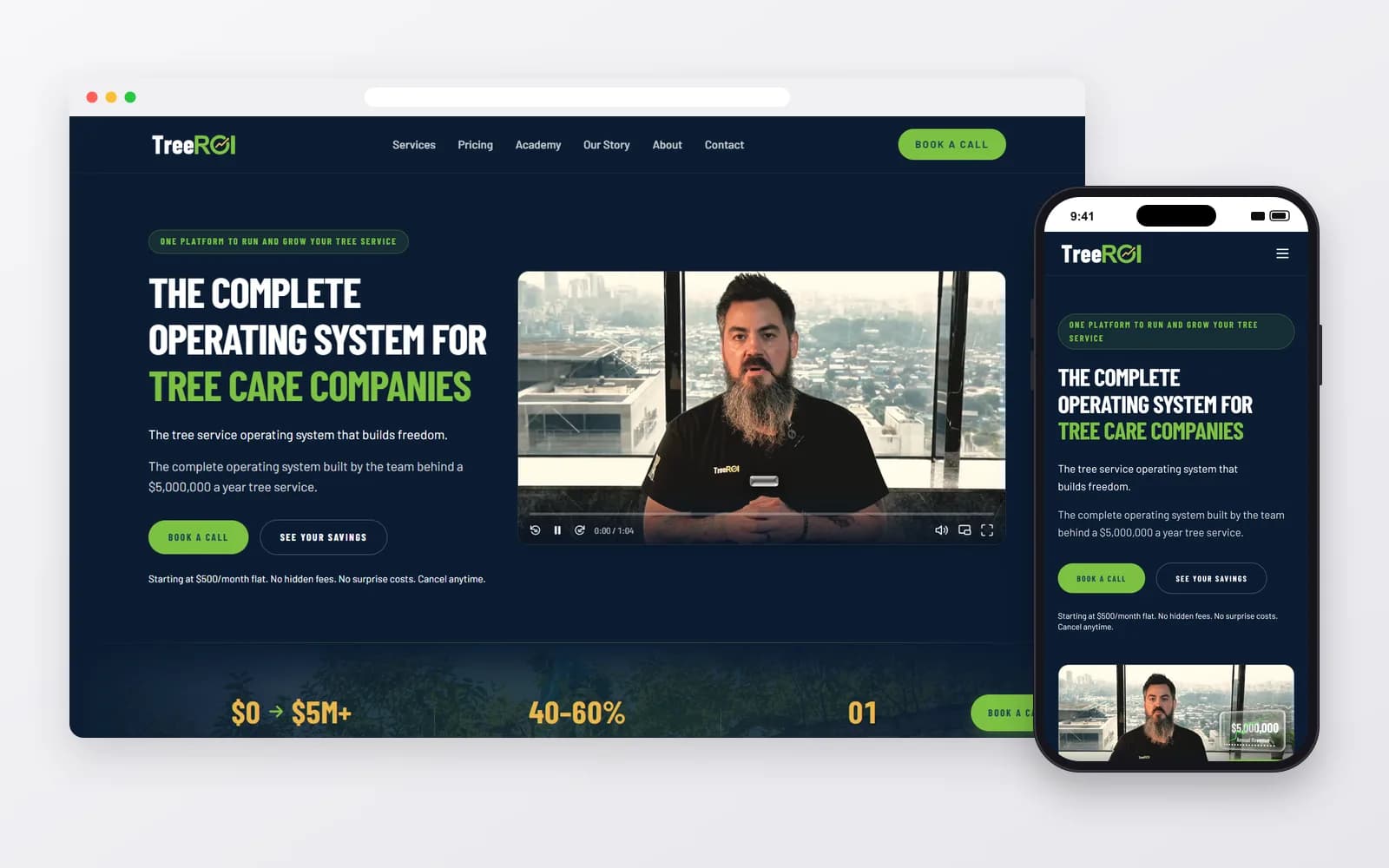
Platform
TreeROI
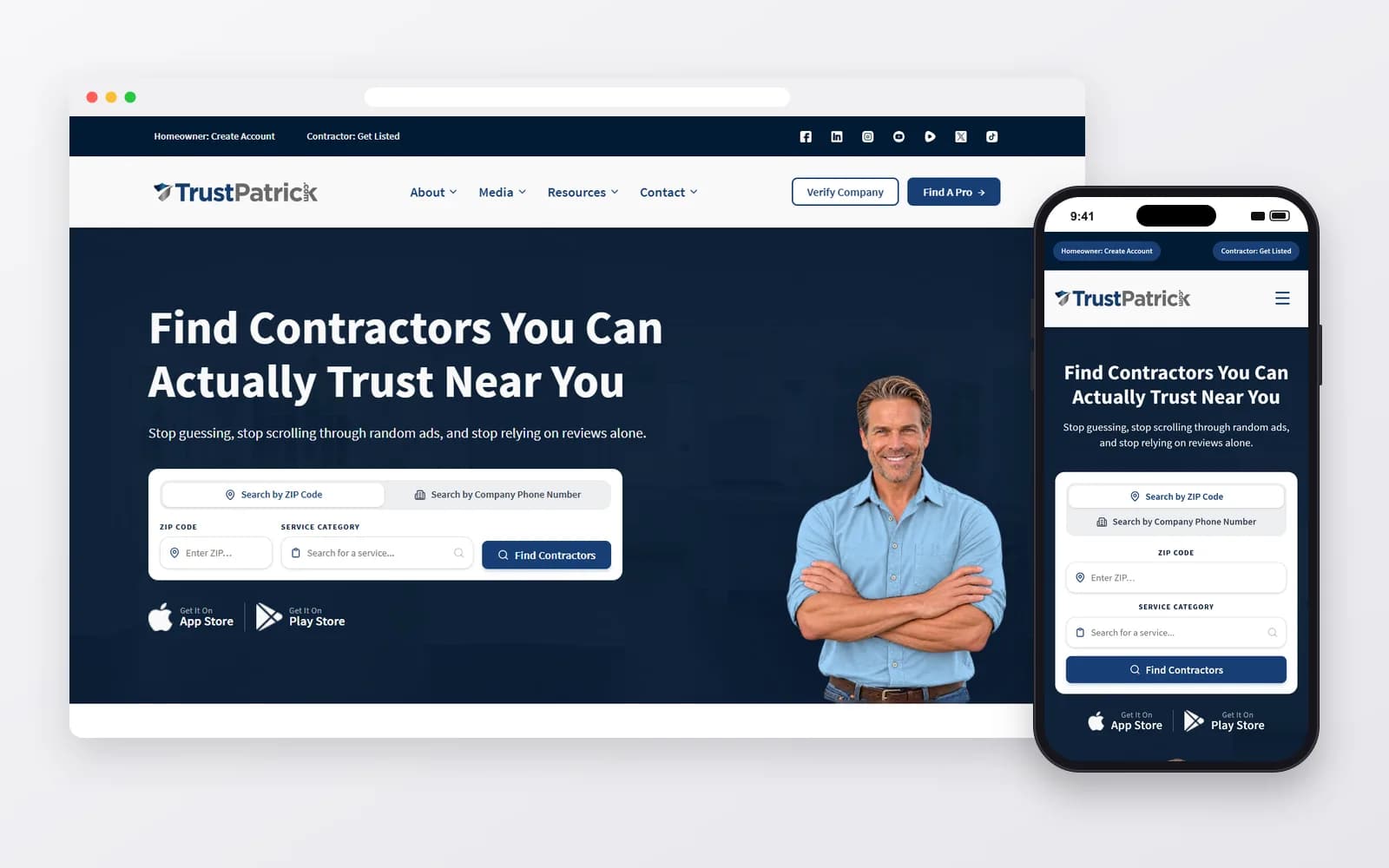
Platform
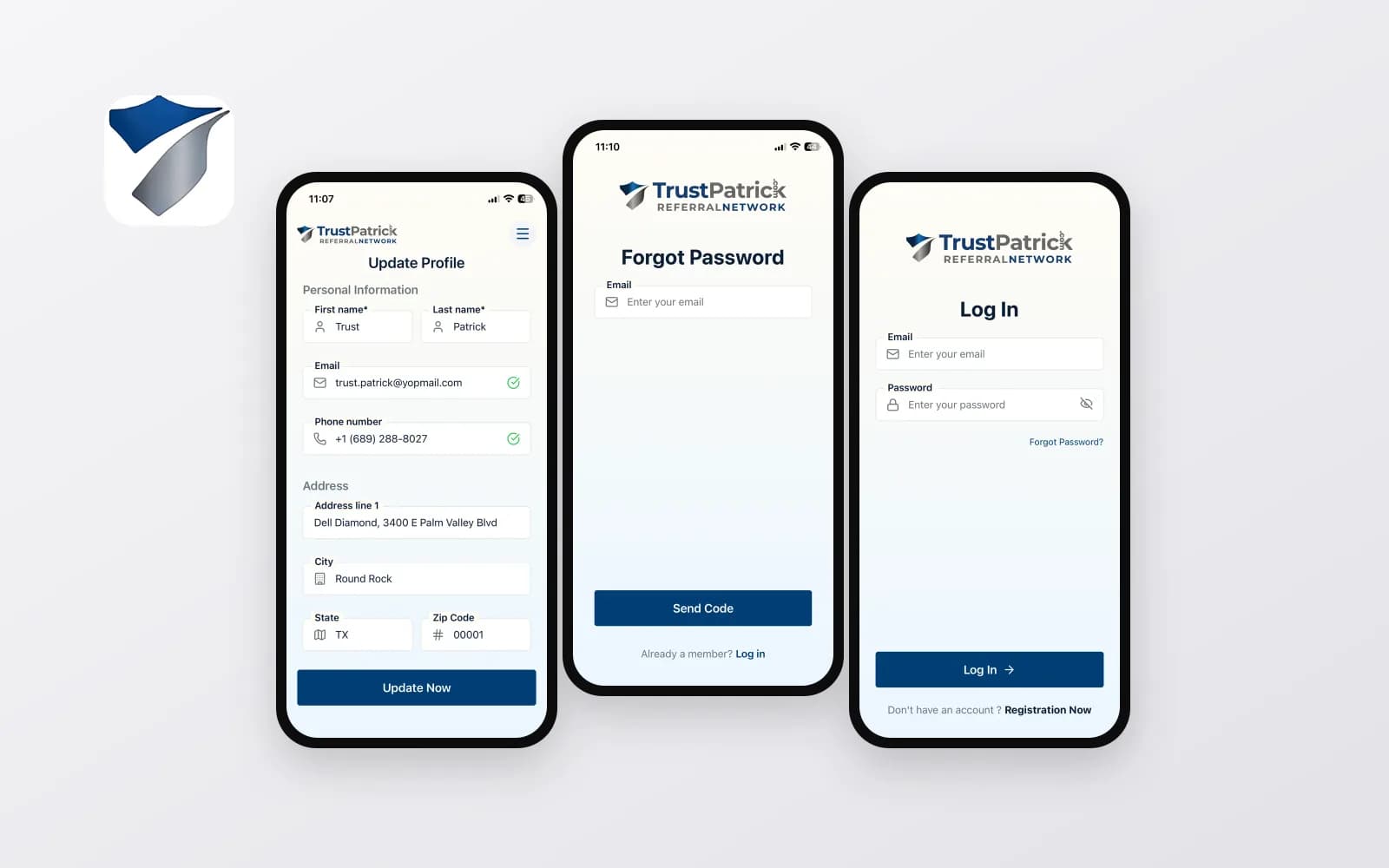
TrustPatrick
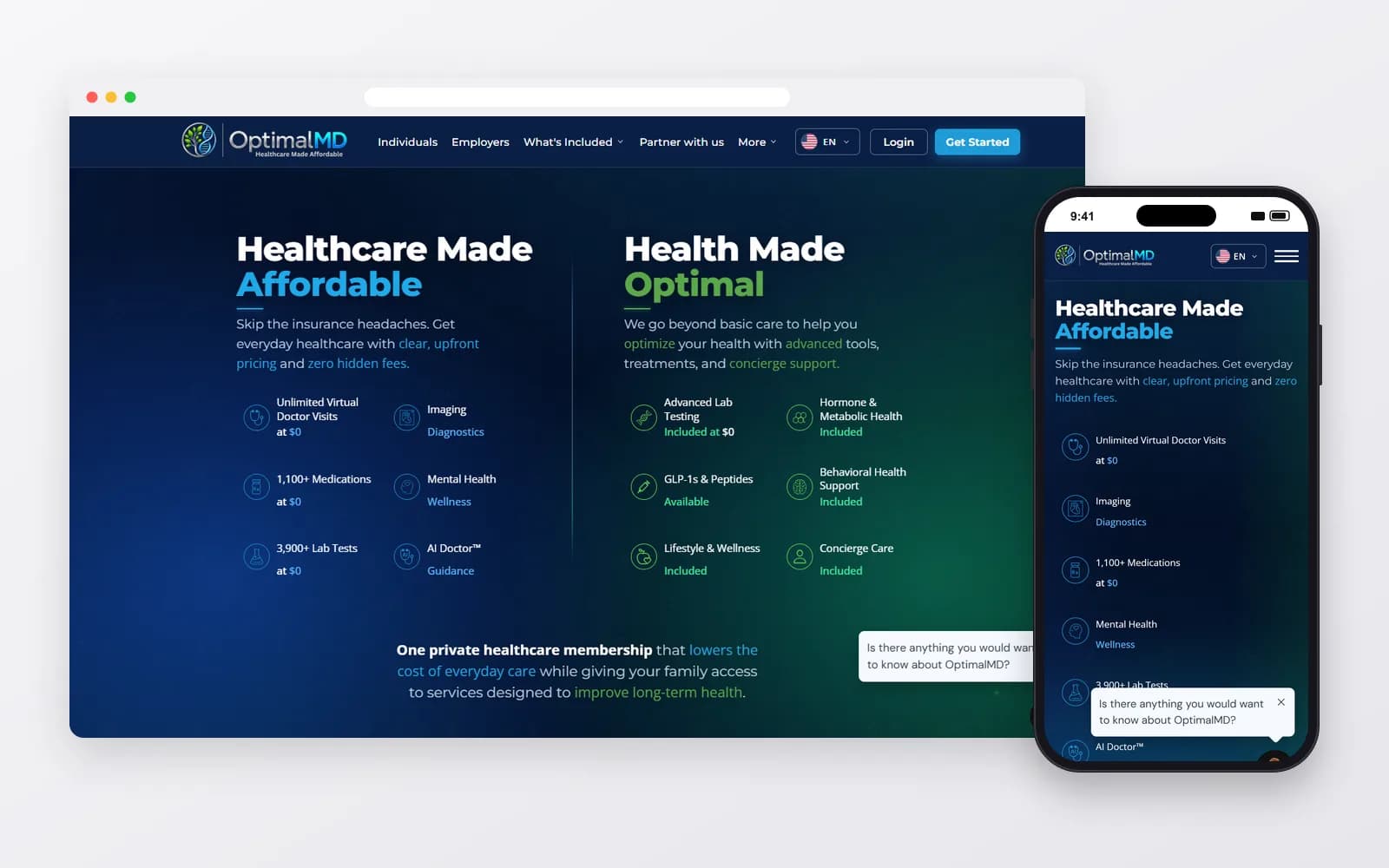
Website
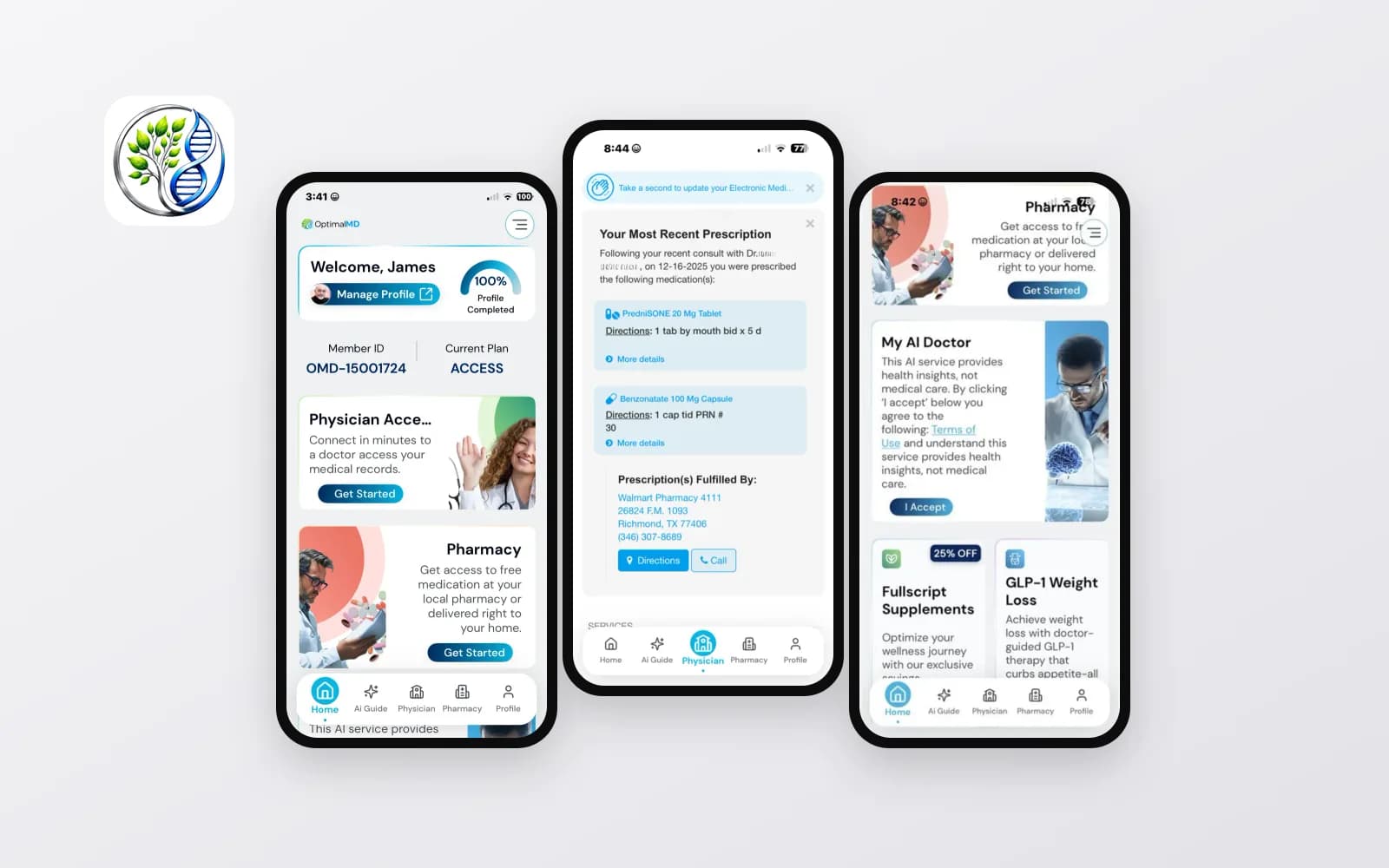
OptimalMD
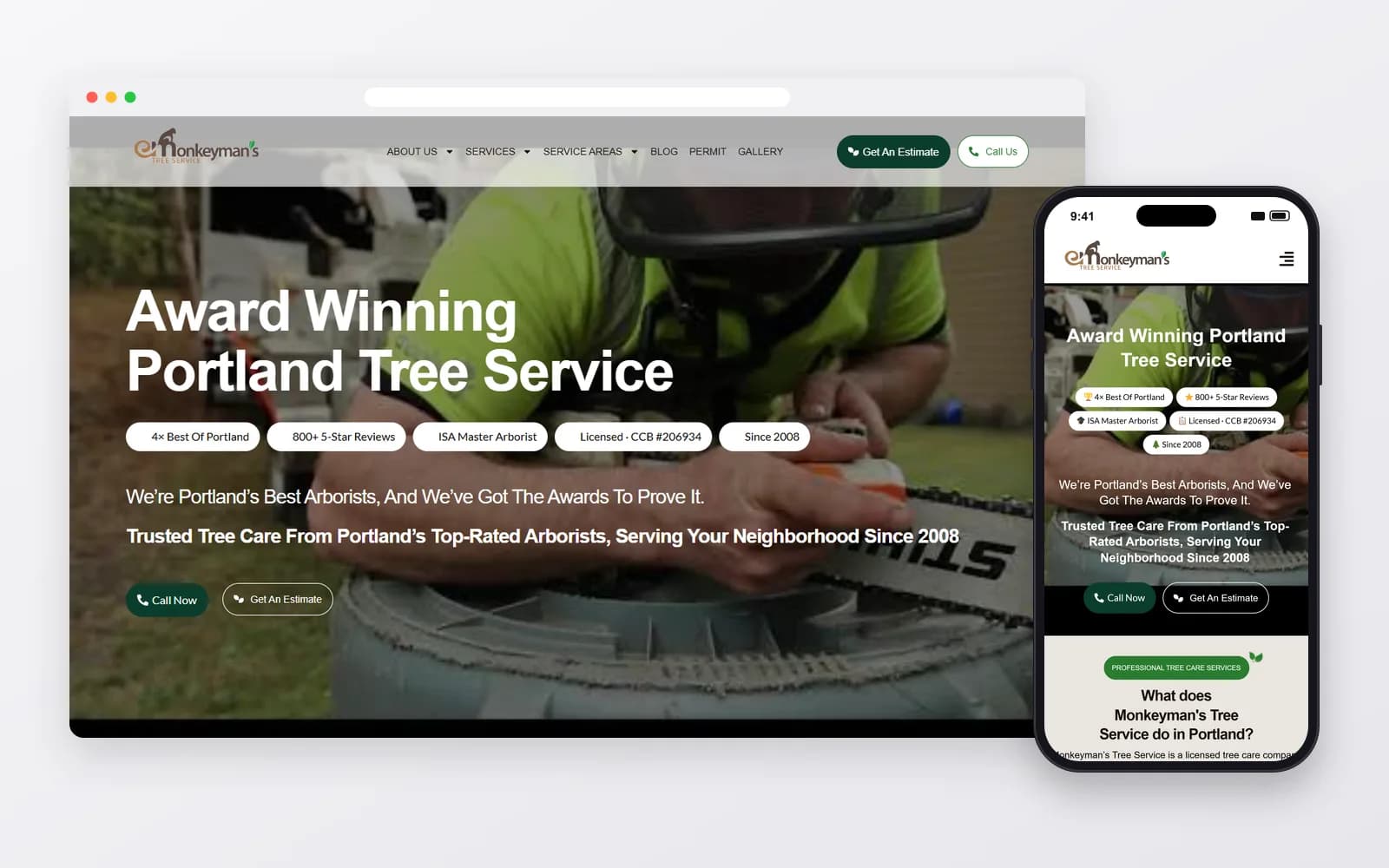
Website
Monkeyman's Tree Service
Integrations
What we connect MongoDB with
Tools we often wire into MongoDB so data moves on its own. Each one has its own page.








Work like this, built for your business
Our web development team works across MongoDB and the tools around it, so your setup is connected from day one, not patched together later.
- Free strategy call
- No obligation
- Straight answers
Alternatives
MongoDB alternatives, and when to pick them
- vs
MongoDB vs PostgreSQL
Pick PostgreSQL when records are tightly related and you need joins, multi-table transactions and SQL reporting.
About PostgreSQL - vs
MongoDB vs Supabase
Choose Supabase if you want a managed Postgres database with sign-in, file storage and APIs included, which suits many MVPs.
About Supabase - vs
MongoDB vs Firebase
Firestore inside Firebase suits mobile apps that need offline sync and live updates with very little server code.
About Firebase



Full comparisons with MongoDB
Services
Services we deliver with MongoDB
AI Automation & AI Agents
AI that answers your calls, replies to every lead and books the job, while you're busy running the business.
See the serviceApp Development
Apps for your customers and your crew, from first version to the app stores.
See the serviceSaaS & Web App Development
Customer portals, custom software and SaaS products, built to launch and to grow.
See the service
Not sure MongoDB is the right fit?
We work with the alternatives too, so you'll get a straight answer on which one suits your business, even if it's not MongoDB.
- Free strategy call
- No obligation
- Straight answers
FAQ
MongoDB questions
Straight answers about working with us on MongoDB.
8 questions answered

Still have a question?
Talk it through with our team on a free strategy call.
Databases & cloud
More Databases & cloud tools we use
PostgreSQL
SaaS · Apps
Relational databases built for accurate reporting and safe transactions, by a team that also uses MongoDB when that fits better.
How we use itMySQL
Websites · SaaS
Fix slow WordPress and WooCommerce databases, tune queries and migrate MySQL data, with a team fluent in SQL and NoSQL.
How we use itSupabase
SaaS · Apps
Postgres, sign-in, file storage and APIs set up properly, with row-level security that really protects your users' data.
How we use itRedis
SaaS · Apps
Cache repeat work, run background jobs reliably and keep sessions quick, set up by developers who know when Redis isn't needed.
How we use itAmazon Web Services
SaaS · Apps
Amazon Web Services set up so your app is secure, backed up and costs what it should, without a full-time DevOps hire.
How we use itGoogle Cloud
SaaS · Apps
Cloud Run, Cloud SQL, BigQuery and Firebase set up for small teams that want Google's cloud without the guesswork.
How we use itVercel
Websites · SaaS
Next.js and React projects deployed on Vercel with preview links, clean environments and settings that keep pages fast and bills sane.
How we use itDocker
SaaS · Apps
Package your app and its services into containers so it runs the same on every laptop, server and cloud.
How we use it


Want MongoDB set up properly?
Tell us what you're trying to get done. We'll tell you honestly whether MongoDB is the right tool for it, and what we'd build first.