Databases & cloud
Redis developers for caching, job queues and faster web apps
Octopi Digital's Web development team adds and tunes Redis inside web platforms, SaaS products and automation systems. We use it to cache expensive database results, run background job queues, hold sessions and throttle abusive traffic, always alongside a primary database such as PostgreSQL, MySQL or MongoDB chosen for that project. Redis rarely replaces your main database; it takes pressure off it. We will also tell you when a small app does not need Redis yet. The outcome is pages and APIs that respond faster under load, and emails, syncs and reports that run in the background without making customers wait.

- Category
- Databases & cloud
- Handled by
- Our web development team
- Used in
- AI automation, Apps, SaaS
Overview
What is Redis?
Redis is an in-memory data store that keeps data in RAM for very fast reads and writes. It is widely used as a cache, a broker for job queues, a session store and a rate limiter.
Official Redis website (opens in a new tab)Signs you need a Redis expert
- 01The same slow database query runs thousands of times a day and returns identical results.
- 02Sending emails or generating reports leaves users staring at a loading spinner.
- 03Your app runs on more than one server and users get logged out at random.
- 04Bots hammer your login or contact form and nothing limits them.
- 05Your self-hosted automation server falls behind whenever many workflows fire at once.
What businesses hire us to do with Redis
- Caching service-area and pricing lookups on a busy booking site
- Queue for appointment reminder texts and emails
- Rate limiting a quote request form targeted by spam bots
- Shared sessions for a customer portal running on several servers
- Live counters or leaderboards in a mobile app
- Worker queue for a self-hosted n8n automation server
Want this working for your Redis setup?
Book a free strategy call and we'll show you where to start.
What we do
What we do with Redis
Cache repeat work, run background jobs reliably and keep sessions quick, set up by developers who know when Redis isn't needed.
- 01
Caching expensive queries
We cache results from slow database queries or third-party APIs with sensible expiry times. Invalidation is planned up front so customers never see stale prices or availability.
- 02
Background job queues
Emails, PDF generation, CRM syncs and AI calls move into queues using libraries such as BullMQ for Node.js or Laravel's queue system. Failed jobs retry and get logged instead of vanishing.
- 03
Session and token storage
User sessions and short-lived tokens are stored in Redis so logins stay fast and consistent across several app servers.
- 04
Rate limiting and abuse protection
Login attempts, form submissions and API calls are counted per user or IP to slow brute-force attacks and spam. Limits are tuned so real customers never notice them.
- 05
Managed Redis setup
We set up managed Redis on AWS, Google Cloud or a dedicated provider with authentication, TLS and private networking. Memory limits and eviction policies are chosen to match how you use it.
- 06
Queue mode for automation tools
Self-hosted n8n can use Redis in queue mode to spread workflow runs across several workers. We configure that when a single instance can no longer keep up.
When Redis is the right choice
Read-heavy apps
When many visitors request the same data, a cache answers in memory instead of hitting your database each time.
Work that belongs in the background
Emails, file processing and third-party syncs run in queues so users get an instant response.
When you can skip it
A brochure site or a lightly used app usually gains more from better indexes in its main database, and Redis would just be one more service to pay for and maintain.
Does this sound like your business?
If Redis should be doing more for you, our web development team can set it up, fix what's broken or build on it. Tell us where you're stuck.
- Free strategy call
- No obligation
- Straight answers
Projects
Projects we build with Redis
The kinds of Redis projects our team takes on, and what each one includes.
- 01Clinics, salons and appointment-based businesses
Reminder text and email queue for an appointment business
We set up a Redis-backed queue that sends reminder texts and emails at the right time before each appointment and retries any that fail. Reminders go out reliably even when bookings spike.
- Job queue setup
- Scheduled reminder jobs
- Retry and failure handling
- Queue monitoring
- 02Businesses whose lead forms attract spam
Spam protection for a quote form hit by bots
We add Redis-based rate limiting to your quote and contact forms so repeated bot submissions are blocked before they reach your inbox or CRM. Real customers can still send a request without extra hoops.
- Rate limit rules
- IP and form tracking
- Blocked request logging
- CRM spam filtering
- 03Booking sites and apps with heavy traffic
Caching layer for a busy booking site's pricing lookups
We cache service-area checks, prices and availability in Redis so the booking flow does not hit the database on every click. Pages stay quick during busy seasons and campaign spikes.
- Cache key design
- Expiry and refresh rules
- Cache warm-up jobs
- Hit rate monitoring
How we work
How our web development team runs a Redis project
- 01
Measure first
We profile your app to find the slow queries, blocking tasks and hot endpoints, so Redis goes only where it will make a difference.
- 02
Design keys and expiry rules
Each cached value or queue gets a naming pattern, a lifetime and a clear rule for when it refreshes.
- 03
Implement and load test
We add caching or queues behind your existing code and test under realistic traffic, including what happens if Redis restarts.
- 04
Monitor and hand over
Memory, hit rates and queue backlogs are tracked with alerts, and the setup is documented for your developers.
Ready to start your Redis project?
Step one is a free strategy call. We map what you need, then tell you exactly what we'd build and what it would take.
- Free strategy call
- No obligation
- Straight answers
Our work
More work from our web development team
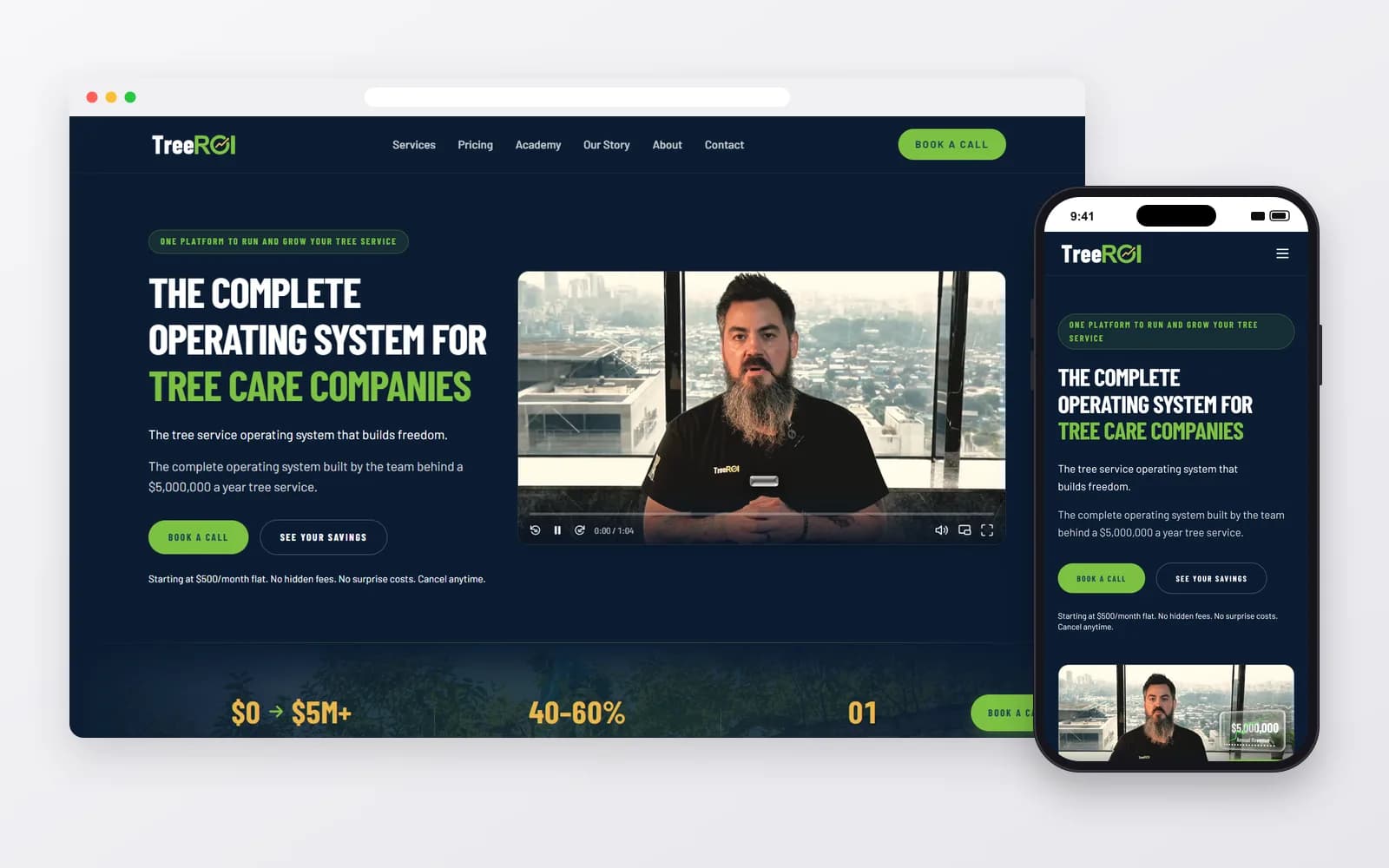
Platform
TreeROI

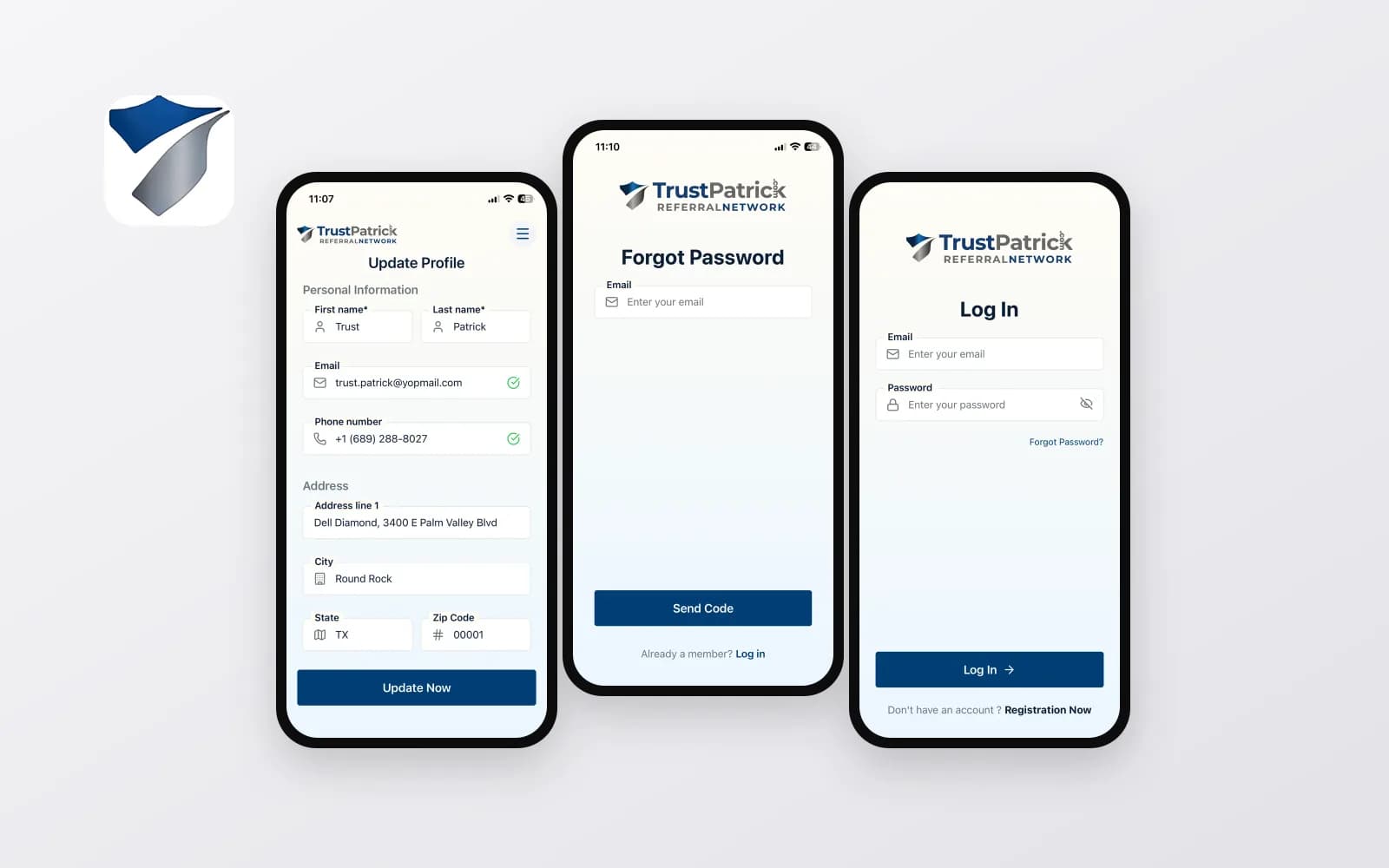
Platform
TrustPatrick
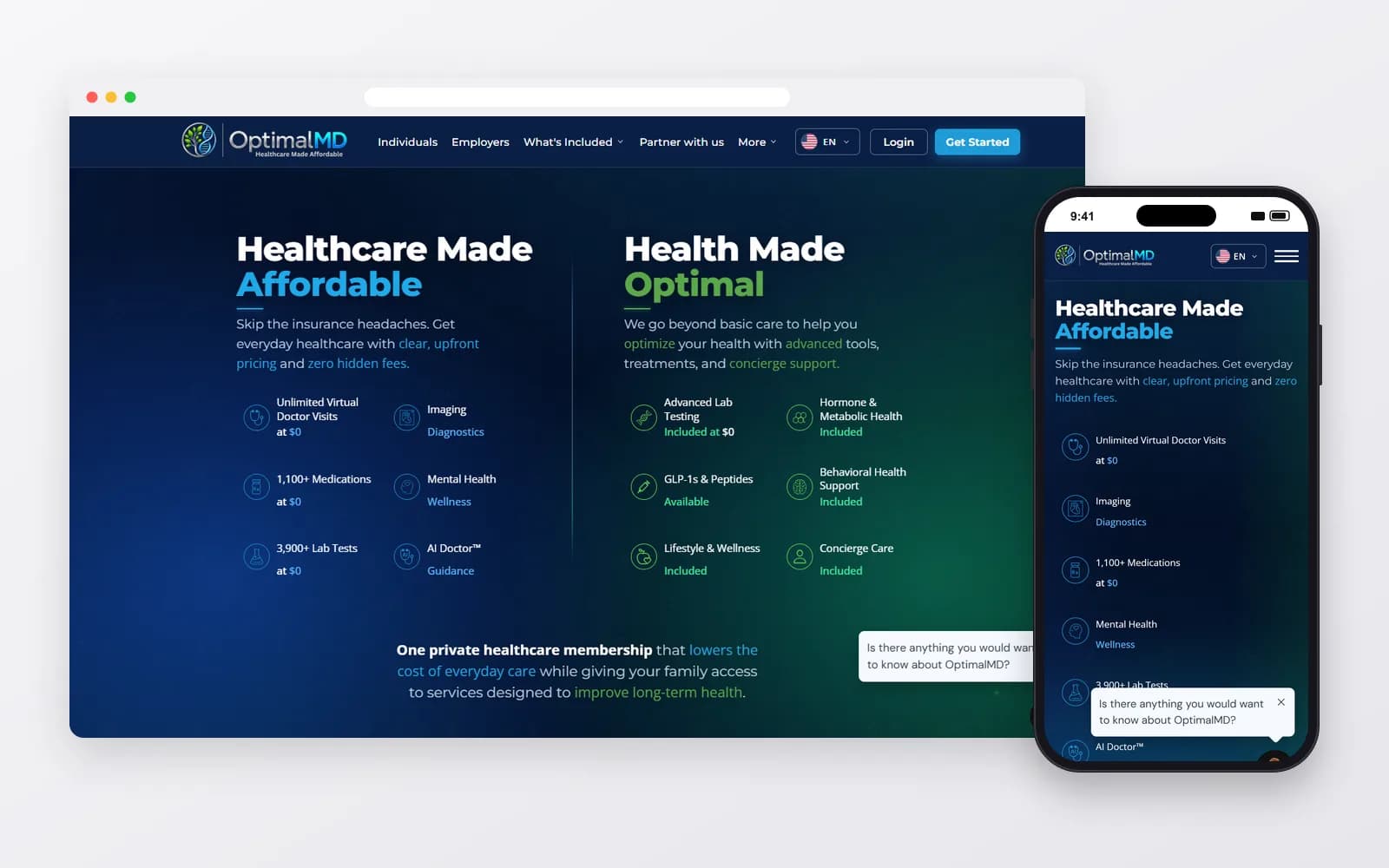
Website
OptimalMD
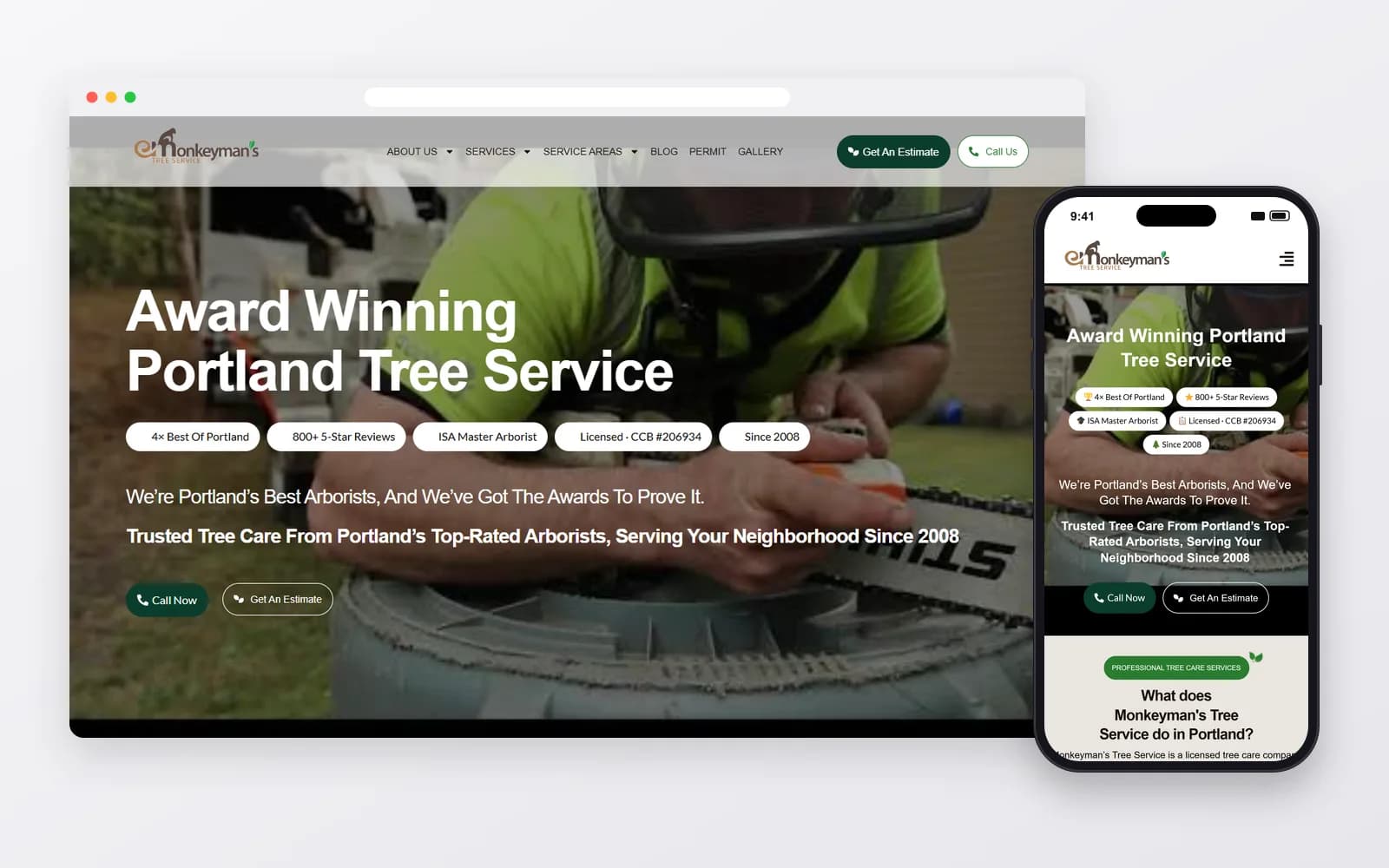
Website
Monkeyman's Tree Service
Integrations
What we connect Redis with
Tools we often wire into Redis so data moves on its own. Each one has its own page.








Work like this, built for your business
Our web development team works across Redis and the tools around it, so your setup is connected from day one, not patched together later.
- Free strategy call
- No obligation
- Straight answers
Alternatives
Redis alternatives, and when to pick them
- vs
Redis vs PostgreSQL
For low-volume background jobs, a jobs table in PostgreSQL can be enough and avoids running another service.
About PostgreSQL - vs
Redis vs MongoDB
For data that must persist and be queried flexibly over time, keep it in MongoDB or another primary database rather than Redis alone.
About MongoDB

Services
Services we deliver with Redis
AI Automation & AI Agents
AI that answers your calls, replies to every lead and books the job, while you're busy running the business.
See the serviceApp Development
Apps for your customers and your crew, from first version to the app stores.
See the serviceSaaS & Web App Development
Customer portals, custom software and SaaS products, built to launch and to grow.
See the service
Not sure Redis is the right fit?
We work with the alternatives too, so you'll get a straight answer on which one suits your business, even if it's not Redis.
- Free strategy call
- No obligation
- Straight answers
FAQ
Redis questions
Straight answers about working with us on Redis.
8 questions answered

Still have a question?
Talk it through with our team on a free strategy call.
Databases & cloud
More Databases & cloud tools we use
MongoDB
SaaS · Apps
Hire MongoDB developers to design schemas, fix slow queries and move data safely, from a team that builds on SQL too.
How we use itPostgreSQL
SaaS · Apps
Relational databases built for accurate reporting and safe transactions, by a team that also uses MongoDB when that fits better.
How we use itMySQL
Websites · SaaS
Fix slow WordPress and WooCommerce databases, tune queries and migrate MySQL data, with a team fluent in SQL and NoSQL.
How we use itSupabase
SaaS · Apps
Postgres, sign-in, file storage and APIs set up properly, with row-level security that really protects your users' data.
How we use itAmazon Web Services
SaaS · Apps
Amazon Web Services set up so your app is secure, backed up and costs what it should, without a full-time DevOps hire.
How we use itGoogle Cloud
SaaS · Apps
Cloud Run, Cloud SQL, BigQuery and Firebase set up for small teams that want Google's cloud without the guesswork.
How we use itVercel
Websites · SaaS
Next.js and React projects deployed on Vercel with preview links, clean environments and settings that keep pages fast and bills sane.
How we use itDocker
SaaS · Apps
Package your app and its services into containers so it runs the same on every laptop, server and cloud.
How we use it



Want Redis set up properly?
Tell us what you're trying to get done. We'll tell you honestly whether Redis is the right tool for it, and what we'd build first.