


















Tampa General Hospital is expanding a virtual hospital platform in its intensive care unit, with plans to extend it to other care teams, according to the American Hospital Association. Even at that scale, the rollout starts in one unit. That's the right shape for virtual hospital platform development: one care pathway first, then outward.
Virtual hospital platform development starts with the care model
A virtual hospital delivers hospital-level care outside the building, so the platform you build depends on which patients and which care you move. CEDA's summary of a Sax Institute review describes virtual hospitals as aiming to provide the same level of care as a bricks-and-mortar hospital, delivered at the patient's home by phone, internet or other technologies.
That review covered 20 reviews and studies and found the evidence strongest for heart failure, coronary artery disease, diabetes and stroke rehabilitation. For respiratory disease it wasn't conclusive. So if you're choosing a first pathway, start where the evidence is firmest.
The same piece is blunt about limits. Most of the studies looked at tele-healthcare or tele-monitoring, not complete virtual hospitals, and its author says more research is needed on whole virtual models of care. Some care can only be done in an actual hospital.
Nurses carried much of the work in those models, handling triage, home visits and phone support inside multidisciplinary teams. A platform designed around physician screens alone will miss the people doing most of the daily contact.
What the platform has to contain
The Tampa General example is a useful checklist for virtual hospital platform development because it's a working system rather than a brochure. The AHA describes a cloud-based platform that uses AI to stream several endpoints into a single dashboard and can connect to the hospital's electronic health record.
- Remote observation of a patient's clinical progress on one screen.
- Provider-to-provider consultations and multidisciplinary calls.
- On-demand remote specialist consultations.
- A way for family or caregivers to join a patient's virtual conversation.
- Alerts for fall risk, elopement and patient movement, plus capture of patient-reported information.
Those are the inpatient version. For patients at home, a different question comes first: how will they report their readings?
A rapid review of 27 articles on COVID-19 virtual wards, published in eClinicalMedicine, found models using online platforms, paper records reported by telephone and, less often, wearable sensors. Telephone-based models were considered more inclusive because they reached patients without internet access or technology skills. Patient and carer training was identified as a determining factor of success.
Plan for a phone fallback and for training material inside the product, not as an afterthought. Our guide to telehealth platform features patients expect covers the patient-facing side in more detail, and hospital management software features covers what sits behind it.
Remote monitoring is where the data rules bite
If you monitor patients remotely in the US and want the service to be billable, the platform has to record specific things. The American College of Physicians' RPM page, last updated March 17, 2025, sets out the codes and their limits.
| Code | What it covers | Limit |
|---|---|---|
| 99453 | Initial equipment setup and patient education | Once per episode of care, per provider, after at least 16 days of data |
| 99454 | Delivering device results to the treating physician | Once every 30 days, after at least 16 days of data |
| 99457 | First 20 minutes of interpretation and interactive communication with the patient or caregiver | Monthly |
| 99458 | Each additional 20 minutes of the same services | Monthly |
Read the ACP's remote patient monitoring billing summary for the full list, and check current CMS rules before you rely on it, since we've only read this one secondary summary.
The design consequence is practical. Count the days each patient has transmitted data in every 30-day window, and log clinician time spent in live two-way contact. Build both into the first release, because adding them later means reworking how readings are stored.
Our piece on HL7 and FHIR integration covers how those readings reach the record.
HIPAA decisions that shape the architecture
Every cloud service that holds patient data needs a signed agreement before you use it. Health Data Management's account of HHS cloud guidance says a covered entity cannot use a cloud provider without first executing a business associate agreement, and that a provider qualifying as a business associate must comply with the HIPAA Rules whether or not it has signed one.
Encryption doesn't settle it. The same guidance says encryption doesn't maintain the integrity and availability of ePHI, so administrative and physical safeguards are still required. Providers must also report security incidents to their customer.
For virtual hospital platform development, that turns into an early task: list every vendor that touches patient data, from hosting to video, and get the agreement in place before the first real patient record goes in. Doing it after launch means unpicking a live system.
Measuring whether it works

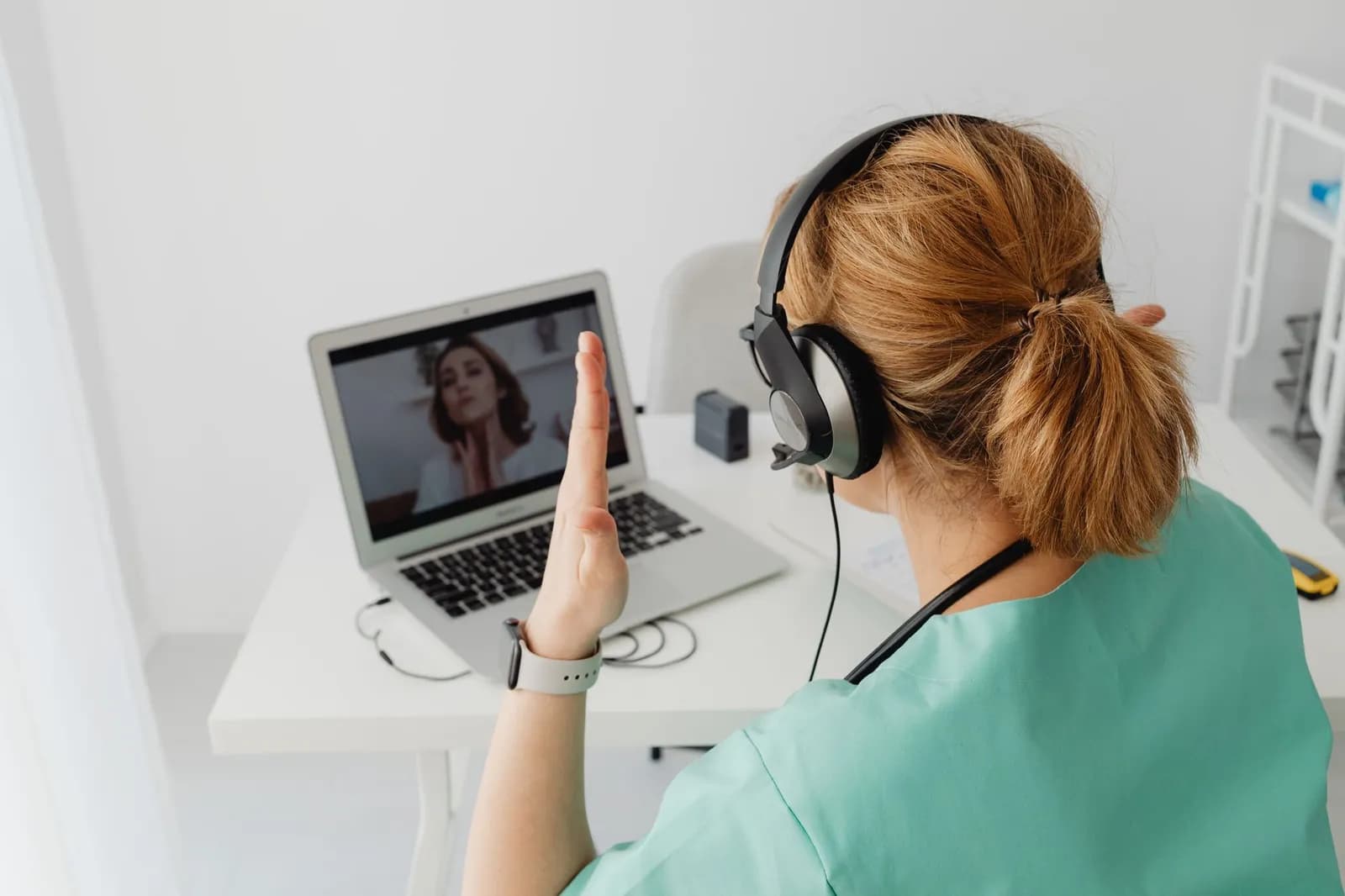
Photo by erwinbosman on Pixabay
Plan the measurement before the build, because the published evidence shows what happens when nobody does. The eClinicalMedicine review couldn't reach firm conclusions on patient safety or early detection of deterioration, citing a lack of standardized reporting and missing data.
None of the included articles used comparators, and most models didn't report economic analysis beyond resources used and spending per patient. The authors argued that remote monitoring should be seen as keeping patients in the right care setting, not only as a way to avoid admission.
In virtual hospital platform development, that argues for logging escalations and returns to hospital next to admissions avoided, with a comparison group agreed up front. Without one you'll end up with activity counts and no proof the model works.
Five steps from scope to launch
- Pick one pathway and name the escalation route. Decide who reviews an alert, who calls the patient and who decides the patient needs a bed. Write it down before anything is built, and record outcomes in one consistent structure from day one.
- Decide how patients report. Devices, an app or a phone call, with training built in.
- Connect to the EHR early. A dashboard that clinicians have to copy into the record by hand won't survive a busy shift.
- Sort out the agreements. Map where patient data travels and sign before you build on it.
- Pilot in one unit, as Tampa General did with its ICU, then extend once the workflow holds.
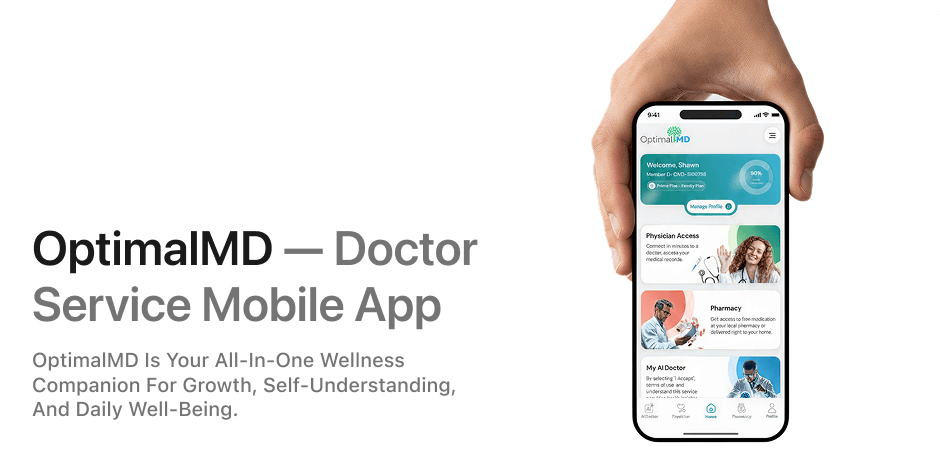
We've done this kind of end-to-end work before. When we designed and built OptimalMD's digital product, from design through development to launch, it covered the website, the members portal and the mobile app, and you can read how the OptimalMD platform came together. If you're scoping something similar, our apps and SaaS development team starts virtual hospital platform development from the pathway, not the feature list.
Frequently asked questions
Can a virtual hospital replace a physical one?
No. The Sax Institute review summarised by CEDA notes that some things can only be done in an actual hospital, and that evidence for complete virtual models of care is still thin.
What about patients without reliable internet?
Offer a telephone route. The eClinicalMedicine review found telephone-based models more inclusive for patients without internet access or technology skills.
How much does virtual hospital platform development cost?
It depends mostly on scope: how many care pathways, how many device and EHR integrations, and how much compliance work. We haven't found a neutral source with reliable figures, so we don't quote any here; our healthcare software development cost guide covers the drivers.
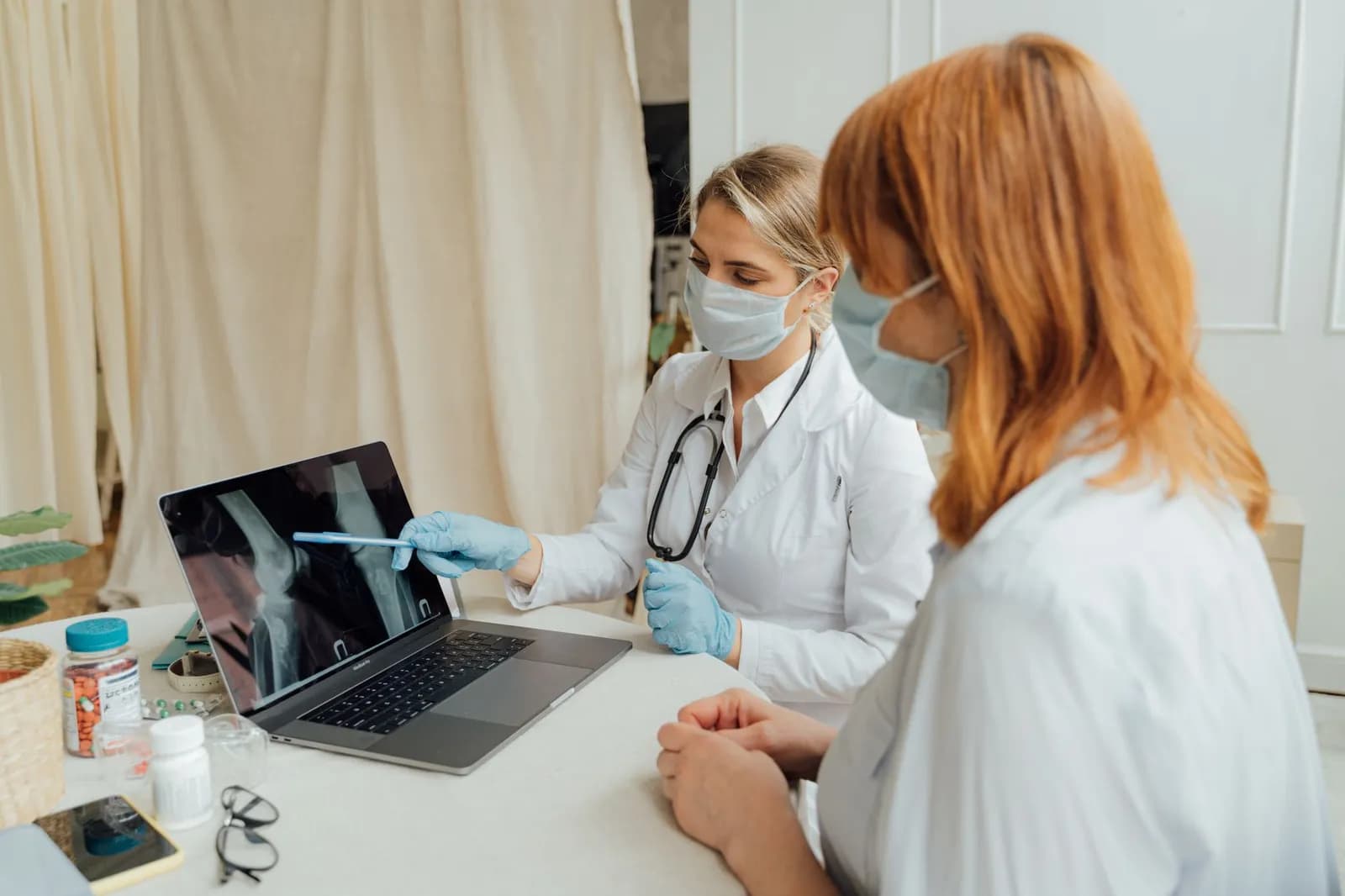
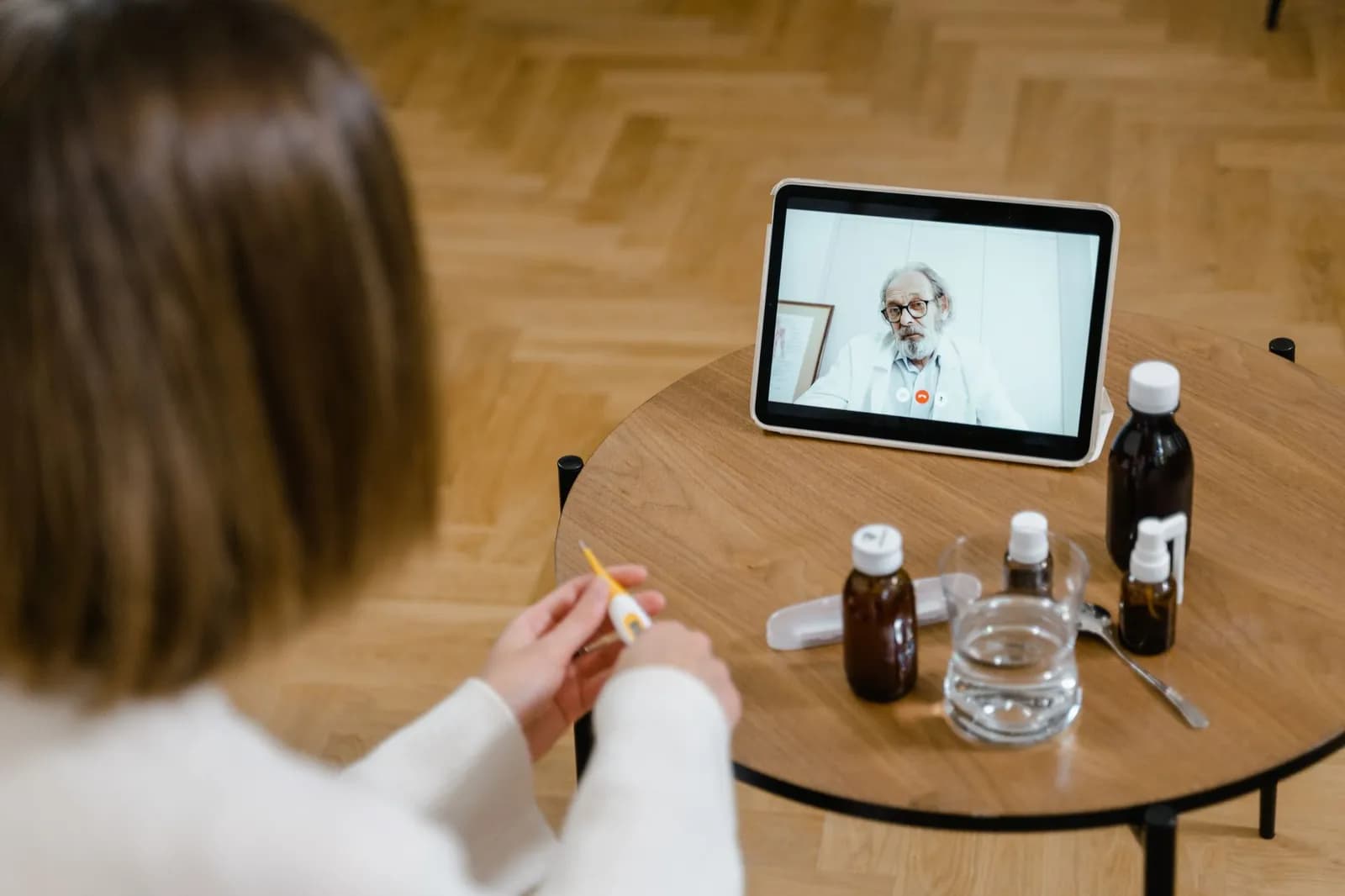
Cover photo by Tima Miroshnichenko on Pexels
Sources
- Tampa General Hospital Implements Virtual Hospital Platform — American Hospital Association
- Remote home monitoring (virtual wards) for confirmed or suspected COVID-19 patients: a rapid systematic review — eClinicalMedicine (PubMed Central)