














The costliest saas startup app development mistakes happen before a single line of code gets written. Nobody has confirmed that real customers would pay for the product about to get built, and by the time that gap shows up, the money is already spent.
The SaaS Startup App Development Mistakes That Happen Before You Build
DigitalOcean's review of CB Insights research on startup failure found that 42% of the 101 startups studied died because the market never needed what they built. Not funding, not a team falling apart. Just a product nobody was waiting for.
SaaStr's community of first-time founders calls the fix the 20 Interview Rule: talk to twenty or thirty potential customers before committing engineering time.
Assumptions and a few Google searches aren't validation. Skipping that step is how founders end up with a working app and no one to use it.
Chasing Every Feature Instead of One That's 10x Better
Founders also misjudge how long this takes. SaaStr puts real product-market fit at 24 months or more for most SaaS companies, not the six to twelve a founder budgets for mentally and financially.
That mismatch pushes teams toward the wrong fix. Instead of narrowing the product to the one thing it does better than anything else, they widen it, hoping more features will close the gap faster.
SaaStr argues the opposite works: your first release needs to be at least 10x better in one area that matters to a specific customer, not a generic tool trying to please everyone a little.
Theanna's guide for non-technical founders names the same failure from a different angle, warning against over-complicating MVPs with unnecessary features before the core idea has even been tested.
Building before validating, it notes, is the most expensive mistake a founder can make. Every extra screen is a screen someone has to design, build, and maintain.
Picking the Wrong Path to Get It Built

Photo by Lisa Fotios on Pexels
Once the idea is validated, the build path matters more than founders expect. Theanna lays out the three routes non-technical founders actually take, each with a different cost.
| Path | Upfront cost | Timeline | What it costs you |
|---|---|---|---|
| Hiring developers (agency or freelance) | $50,000–$150,000+ | 3–6 months | No equity given up |
| Technical co-founder | $0 upfront | 2–4 months | 20–50% equity |
| No-code tools (DIY) | $0–$500 | 2–6 weeks | A ceiling on what you can build |
Giving away a fifth or more of your company to a technical co-founder is a real cost, even at zero cash outlay. It's one a lot of founders don't weigh properly until the cap table is already signed.
Hiring a team that has actually shipped SaaS products before is the option that avoids both problems: no equity handed over, and no ceiling on what the product can eventually do.
Our work building apps and SaaS products for founders starts with the same validation question SaaStr and Theanna both raise, because a beautifully built app with the wrong scope fails for the same reason a validated idea with a bad interface does.
That's also where getting the interface and onboarding right the first time matters. A confusing first session costs you a customer you spent months earning.
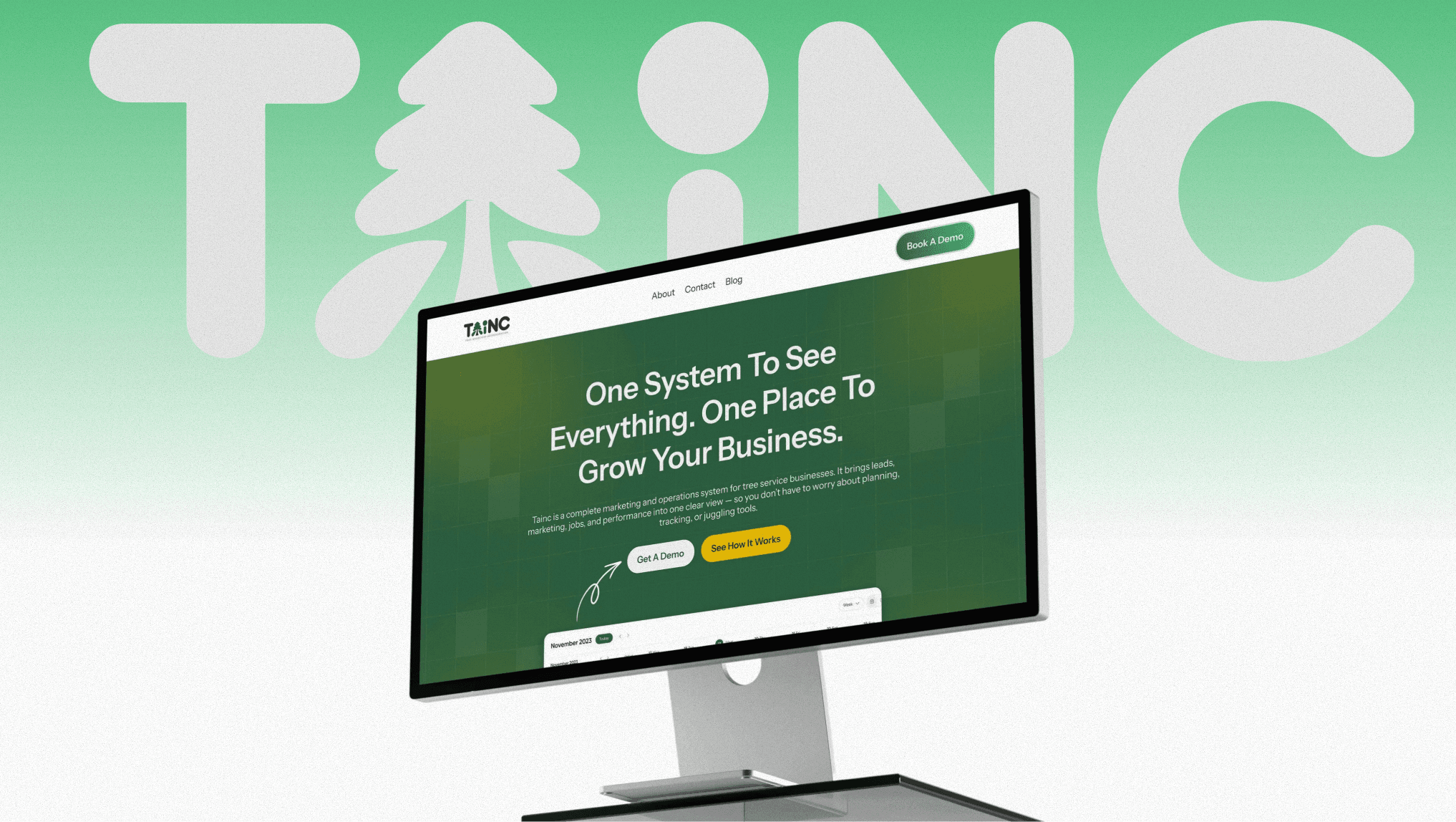
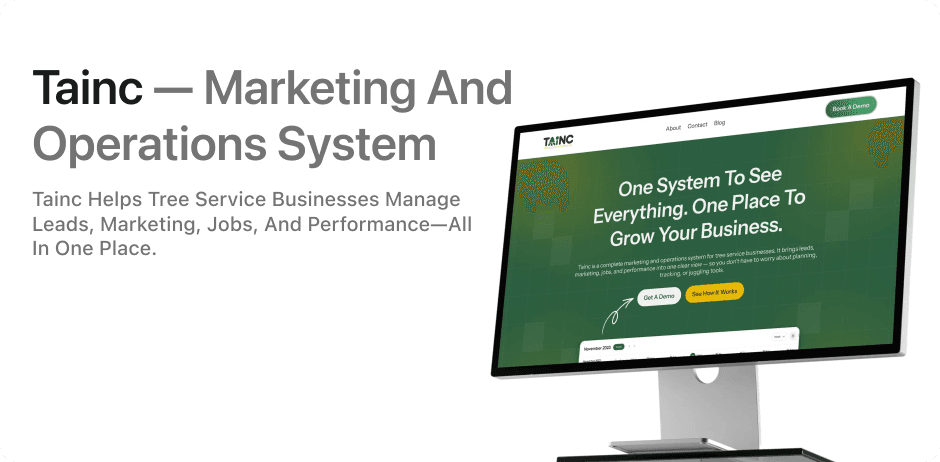
Our growth platform built for tree service businesses is a case of the scope staying narrow on purpose: one workflow, done properly, before anything else got added. Once that first version is live and customers are using it, the automation that keeps them engaged is the next problem worth solving, not the first one.
Talk to your customers before you talk to a developer. Pick the one thing your product has to do better than anyone else, and build that first. Everything else can wait until someone's actually using it.
Cover photo by Negative Space on Pexels
Sources
- Top reasons startups fail and how to avoid them — DigitalOcean
- 10 of The Top Mistakes First Time Founders Make — SaaStr