






Choose an AI development partner the way you would choose a business partner, not a software vendor. The right one starts with your problem, proves relevant experience with working examples, is clear about data, security and ownership, and commits to measurable outcomes after launch.
Technical skill matters, but it is rarely what sinks a project. Most AI projects fail on unclear goals, poor data and weak follow-through. A good partner protects you from all three.
This guide gives you eight criteria, the questions to ask on a discovery call, the red flags to watch for, and a simple scorecard for comparing options.
Do you need an AI development partner?
You need an AI development partner when the project is important to your business and you lack the in-house skills or time to build and maintain it. Off-the-shelf tools are enough for simple needs. A partner earns their fee when AI has to connect to your systems, use your data and run reliably.
Option | Best when | Trade-off |
Off-the-shelf AI tool | The need is common and standalone | Limited fit and integration |
In-house team | AI is core to your product and you can hire for it | Slow and costly to build |
Freelancer | The task is small and well defined | Single point of failure, limited range |
AI development partner | You need strategy, build, integration and support together | Requires careful selection |
8 criteria for choosing an AI development partner
1. They start with the business problem
A strong partner asks about your goals, workflows and numbers before mentioning any model or tool. If the first conversation is all technology, expect a solution looking for a problem.
2. They can show relevant, working examples
Ask for case studies, live demos and references in a similar industry or use case. Slides are not proof. Something you can click, call or test is.
3. They are honest about what AI should not do
Not every task needs AI, and not every AI task needs an agent. Gartner predicts that over 40% of agentic AI projects will be canceled by the end of 2027, citing rising costs, unclear business value and inadequate risk controls. A good partner will sometimes tell you a simpler automation is the better choice.
4. They have full-stack capability
AI rarely works alone. It needs integrations, a database, an interface and often a CRM behind it. Check that the partner can handle backend development, APIs, UI/UX and deployment, not just prompts.
5. They take data, security and compliance seriously
You should get clear answers on where your data is stored, which model providers see it, whether it is used for training, and who can access it. Regulated industries need proof of experience with their specific rules.
6. You own what you pay for
The contract should state that you own the code, prompts, workflows and data, and that accounts are created in your name. Without that, switching partners later means starting again.
7. They have a clear, staged process
Look for discovery, a small pilot, measured results, then scale. A partner who wants to build everything at once is taking risks with your budget.
8. They support and improve after launch
AI systems need monitoring, tuning and updates as models and your business change. Ask what support looks like in month three and month twelve.
12 questions to ask an AI development partner
Use these on the discovery call. Specific answers are a good sign. Vague ones are not.
Fit and experience
What similar projects have you delivered, and can we see one working?
What results did those projects achieve, and how were they measured?
Who will work on our project, and what is their experience?
Approach
How will you decide whether AI is the right solution for this problem?
What does your discovery and pilot process look like?
Which models and platforms do you recommend for us, and why?
Data and risk
Where will our data be stored, and who can access it?
How do you test for wrong answers, wrong actions and misuse?
What human review or approval steps will be built in?
Commercials and support
Who owns the code, prompts and accounts when the project ends?
What is included in the price, and what are the ongoing running costs?
What support, monitoring and improvement do you provide after launch?
Red flags to watch for
Guaranteed results before discovery. Nobody can promise outcomes without understanding your data and process.
Buzzwords without demos. If they cannot show it working, treat the claim with caution.
Agent washing. Gartner notes that many vendors rebrand existing chatbots and automation tools as agentic AI, and estimates that only about 130 of the thousands of agentic AI vendors are real.
No questions about your data. Data quality decides most AI outcomes. A partner who ignores it has not done this before.
Vague ownership terms. If the contract does not say you own the work, assume you do not.
No plan after launch. A build with no monitoring or support is a prototype, not a product.
One tool for every problem. Good partners choose the technology to fit the need.
Common pricing models
Model | How it works | Best for |
Fixed price | Agreed scope for an agreed fee | Well-defined projects and pilots |
Time and materials | Pay for hours worked | Evolving scope and research-heavy work |
Monthly retainer | Ongoing team capacity each month | Continuous build, support and improvement |
Dedicated team | Named specialists working only on your project | Long-term product development |
Ask for build cost and running cost separately. Model usage, hosting, messaging and maintenance continue after the invoice for development is paid.
How to choose an AI development partner in 6 steps
Define the problem and the measure of success. Write one paragraph on what should change and which number proves it.
Shortlist three to five partners. Use referrals, verified review platforms and portfolios in your industry.
Run discovery calls. Ask the twelve questions above and note who asks good questions back.
Request a proposal for a pilot. Compare scope, timeline, deliverables, ownership and support, not just price.
Check references. Speak to at least two past clients about delivery, communication and results.
Start with a paid pilot. Prove value on one use case before committing to a larger build.
A simple scorecard for comparing partners
Score each partner from 1 to 5 on every criterion, multiply by the weight, and add up the totals. Adjust the weights to suit your priorities.
Criterion | Weight | What a 5 looks like |
Understanding of your business problem | 20% | Restates your goals accurately and challenges weak assumptions |
Relevant experience and proof | 20% | Live demos and references in a similar use case |
Technical and integration capability | 15% | Covers AI, backend, UI and your existing systems |
Data, security and compliance | 15% | Clear written answers and experience in your sector |
Process and communication | 10% | Staged plan, named contacts, regular updates |
Ownership and contract terms | 10% | You own code, prompts, data and accounts |
Post-launch support | 5% | Defined monitoring, response times and improvement cycle |
Price and value | 5% | Transparent build and running costs tied to outcomes |
For a structured way to think about AI risk during evaluation, the NIST AI Risk Management Framework is a useful reference.
Where Octopi Digital fits
Octopi Digital LLC is an AI and digital solutions agency with a headquarters in Albuquerque, New Mexico and an operations hub in Dhaka, Bangladesh. We build AI-powered software, automation, websites and apps, and we are happy to be measured against every criterion in this guide.
Business first: every engagement starts with discovery of your goals, workflows and numbers
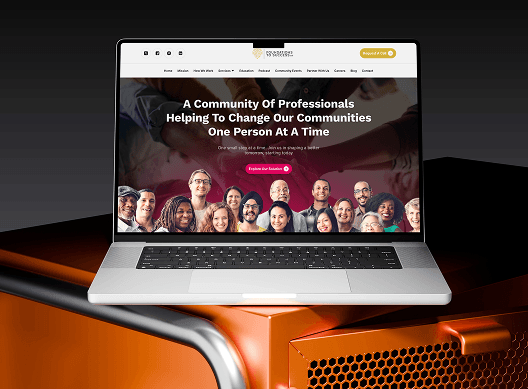
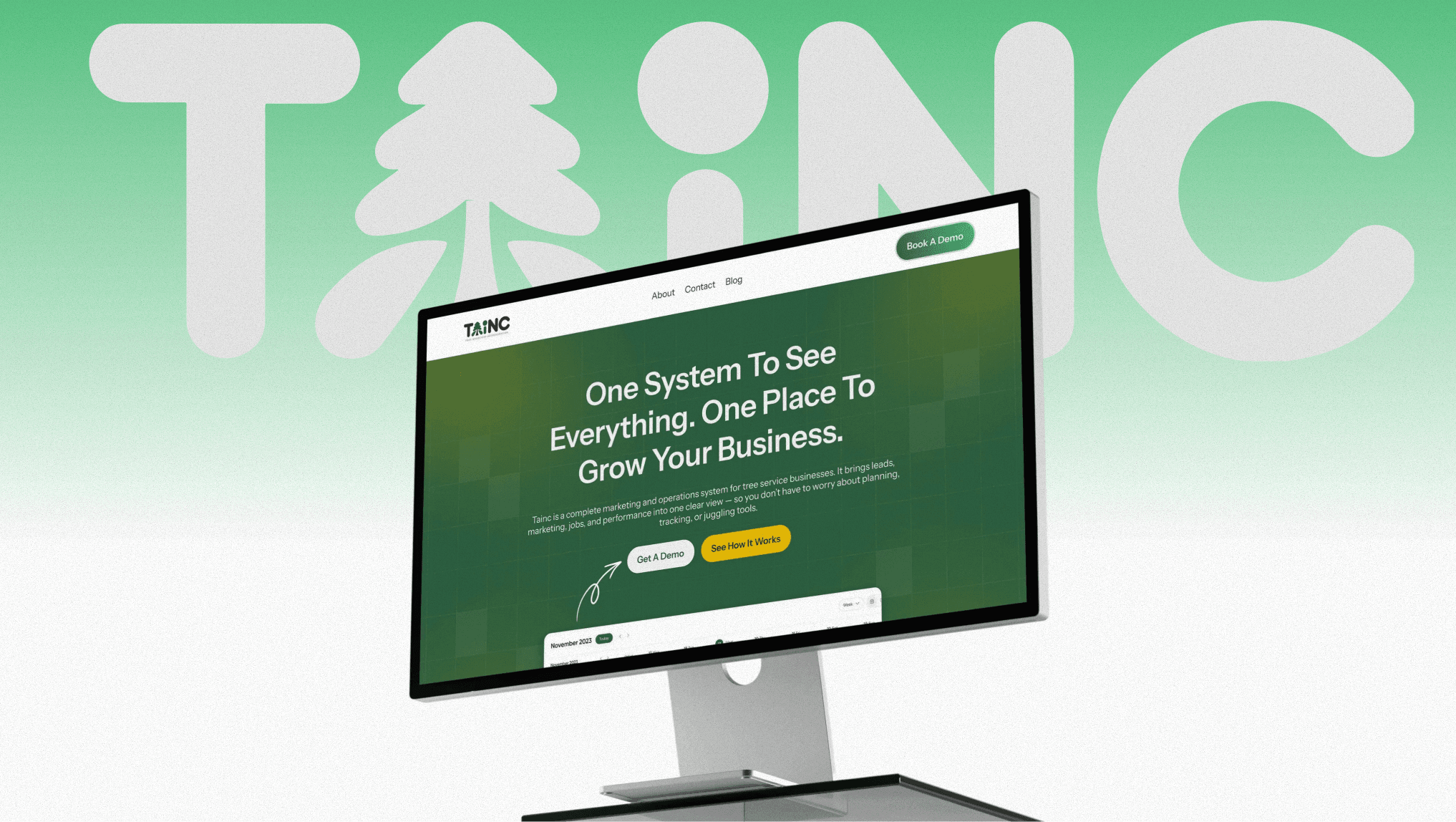
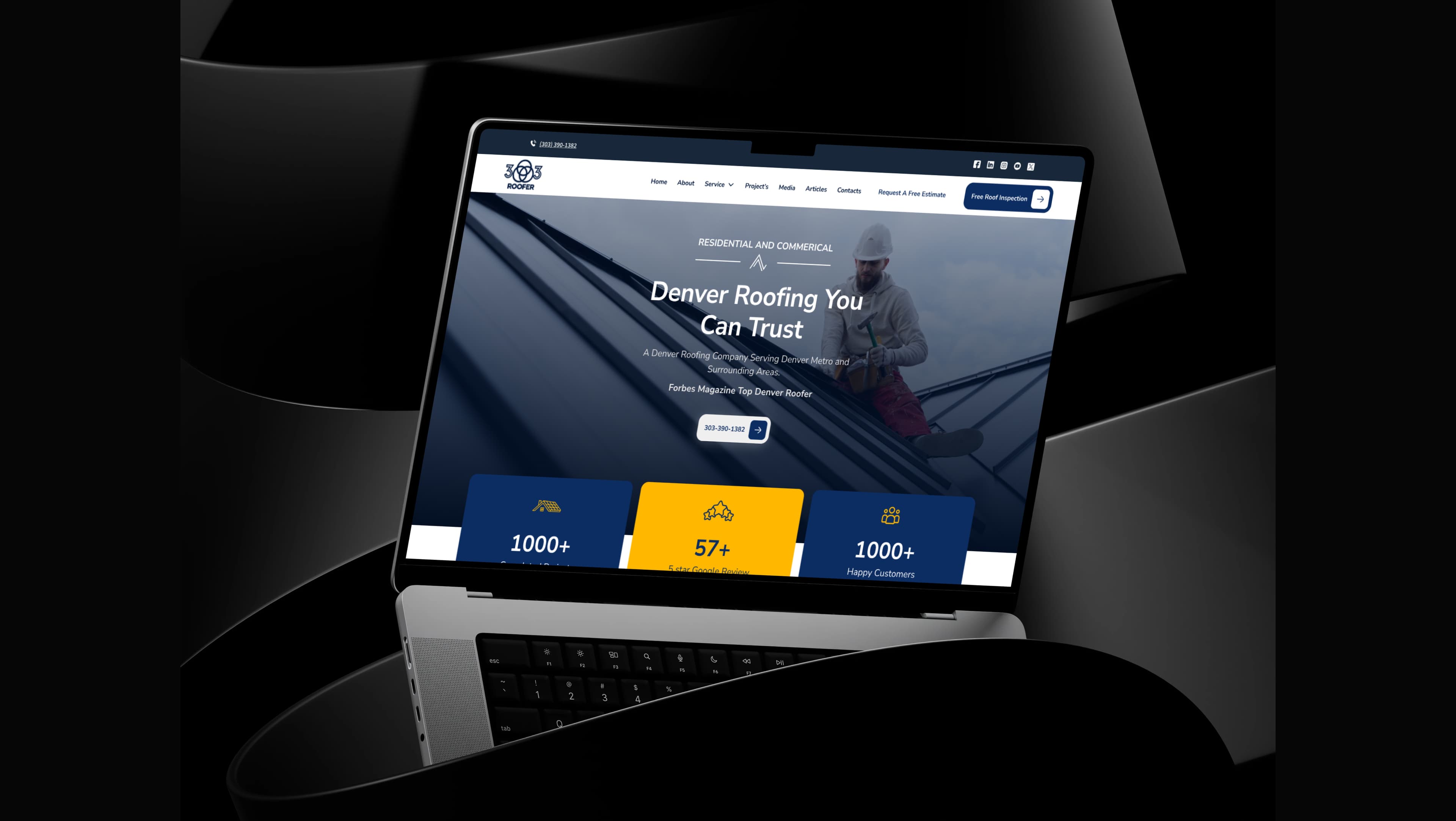
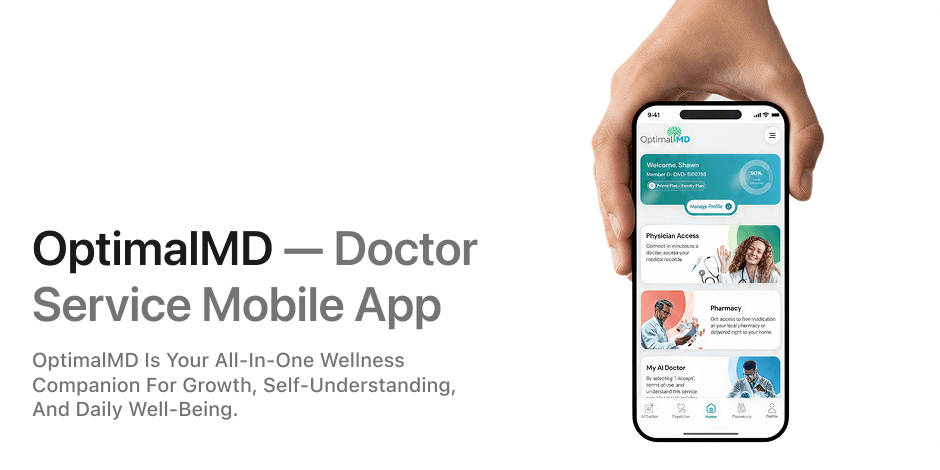
Proof you can inspect: browse our case studies and projects across healthcare, education, home services and SaaS
Full-stack delivery: AI and automation, custom apps and SaaS, UI/UX and marketing under one roof
Verified track record: Upwork Top Rated Plus agency and HighLevel Certified Admin
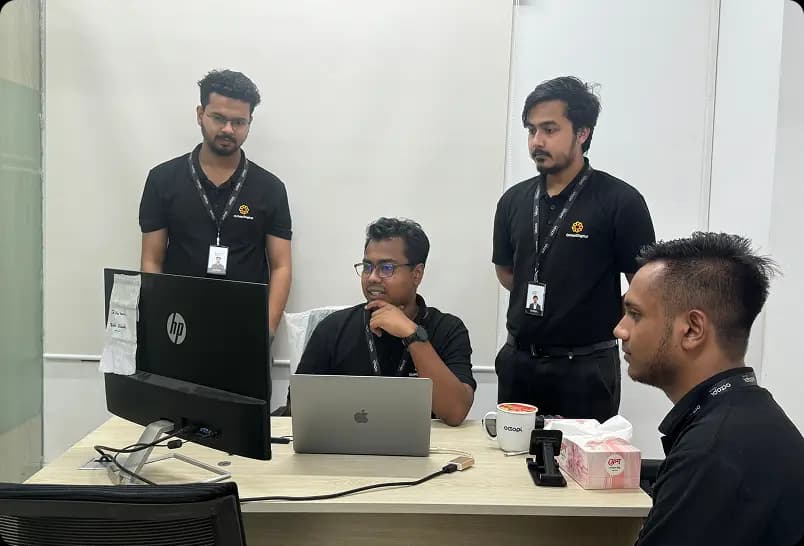
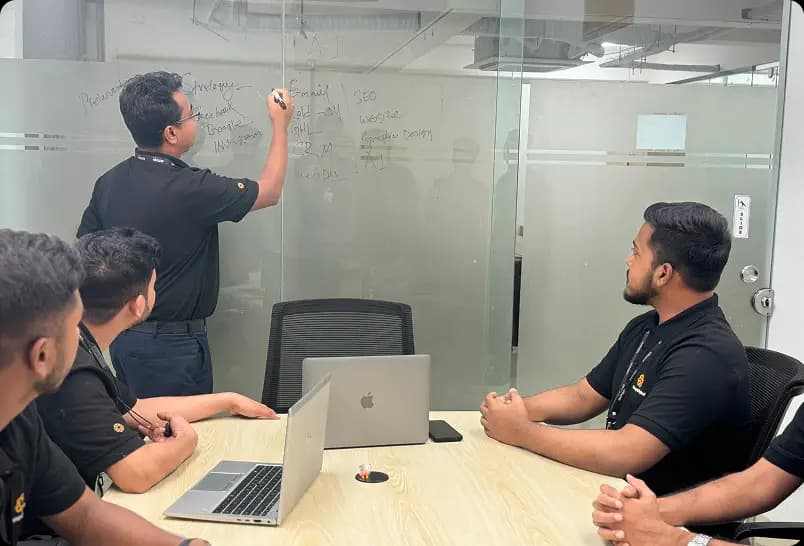
People you can meet: see who you would work with on our team page
If you are comparing partners, bring the twelve questions above to a call with us. Book a call with Octopi Digital to talk through your project.
Frequently asked questions
Q1. What does an AI development partner do?
Ans: An AI development partner helps a business plan, build, integrate and maintain AI solutions. That can include AI agents, chatbots, automation workflows, custom software with AI features, and the data and integration work behind them. A good partner also advises on where AI is and is not worth using.
Q2. How do I evaluate an AI development company?
Ans: Evaluate an AI development company on eight points: understanding of your business problem, relevant working examples, honesty about AI's limits, full-stack capability, data and security practices, ownership terms, a staged delivery process, and post-launch support. Score each partner on the same scale to compare fairly.
Q3. How much does it cost to hire an AI development partner?
Ans: Cost depends on scope, integrations, data readiness and the level of support. Simple automations cost far less than custom AI products. Ask every partner to separate build cost from ongoing running costs, such as model usage, hosting and maintenance, so you can compare proposals accurately.
Q4. Should I hire a freelancer, an agency or build in-house?
Ans: A freelancer suits small, well-defined tasks. An in-house team suits companies where AI is core to the product and hiring is feasible. An agency or development partner suits businesses that need strategy, design, development, integration and support together without building a full team.
Q5. What are the biggest red flags when choosing an AI partner?
Ans: The biggest red flags are guaranteed results before discovery, no working demos, no questions about your data, unclear ownership of code and accounts, and no plan for support after launch. Be cautious of vendors who label ordinary chatbots or automation as AI agents.
Q6.How long does an AI development project take?
Ans: A focused pilot on one use case can often be delivered in weeks. Larger projects with several integrations, custom interfaces and compliance needs take months. A staged approach, with a pilot first, gives you results sooner and reduces risk.
Q7. Who owns the AI solution after it is built?
Ans: You should. Make sure the contract states that your business owns the code, prompts, workflows, data and any accounts created for the project. Clarify this before signing, because ownership determines whether you can change partners later.