


















A startup buys a CRM to fix a messy pipeline. Six months later, half the team has quietly stopped logging calls in it. CRM automation for SaaS startups only pays off once someone admits the software isn't the fix by itself.
Entrepreneur's reporting on startup CRM habits, published in April 2026, put it plainly: the tool amplifies whatever process it's bolted onto, broken or not. That's worth sitting with before you turn on a single workflow rule.
CRM Automation for SaaS Startups Means Something Different Now
Gartner renamed its main sales-software category in August 2026, swapping "Sales Force Automation Platforms" for "CRM Sales Platforms." CX Today's coverage of the change laid out the new definition: AI-driven systems that orchestrate end-to-end sales workflows, not just software that logs what a rep already did.
The evaluation now leans on whether a vendor's AI can qualify a lead and move a deal forward on its own.
Salesforce and Microsoft held the top tier in that report. HubSpot jumped up from a niche listing into the main group of contenders.
For a startup picking a CRM this year, that's the real question for a vendor demo: can you see what the automation touched, and turn a rule off without breaking three others?
Why AI Agents Are Muscling Into the CRM Layer
The clearest sign of where this is headed showed up in March 2026, when sales-automation startup Rox AI hit a $1.2 billion valuation.
TechCrunch reported that Rox deploys hundreds of AI agents that plug into whatever a company already runs, Salesforce and Zendesk included, then research prospects and update records without a rep touching them.
Rox was projected to close 2025 with a fraction of that valuation in annual recurring revenue. The gap says the price tag is on the fragmentation problem it's chasing, not the revenue already booked.
Startups feel a smaller version of the same mess: three tools each claiming to be the source of truth for one lead.
Where Startups Break Their Own CRM Automation

Photo by Kindel Media on Pexels
Entrepreneur's piece found the same failure pattern showing up again and again. Teams add custom fields, extra workflows and new labels until the system is unrecognizable, and over-customization almost always leads to under-utilization.
Nobody wants to log a deal into a system with nineteen mandatory fields.
The fix isn't more automation. It's less, aimed better. Automate the workflows that actually drive revenue: qualifying a lead as it arrives from a marketing campaign, moving a deal to its next stage, flagging a renewal that's coming up.
None of it sticks without the founder using the system the same way the team is expected to. If the CRM isn't where leadership tracks its own deals, it stops being where anyone tracks deals.
Building Automation Around One Connected System
Off-the-shelf CRMs handle the standard stuff well enough: email sequences, lead scoring, pipeline stages. Startups usually get stuck on the last mile, the part specific to their own product and sales motion.
Routing a free-trial signup to the right rep based on what they clicked. Pulling usage data into the deal record so a renewal conversation starts before the account has gone quiet.
That's less a CRM configuration question than a systems one, which is why it usually needs real engineering rather than another native workflow builder.
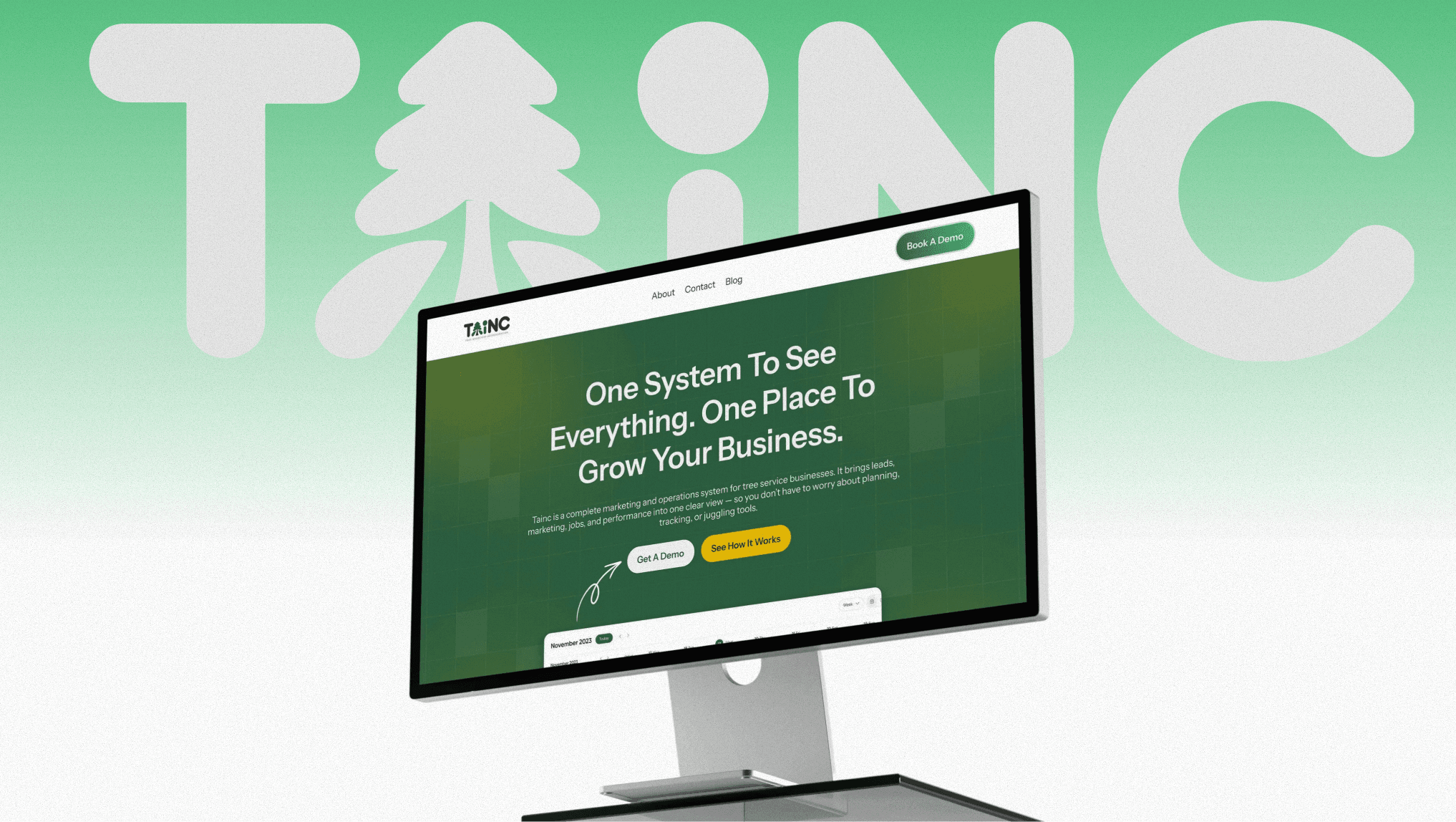
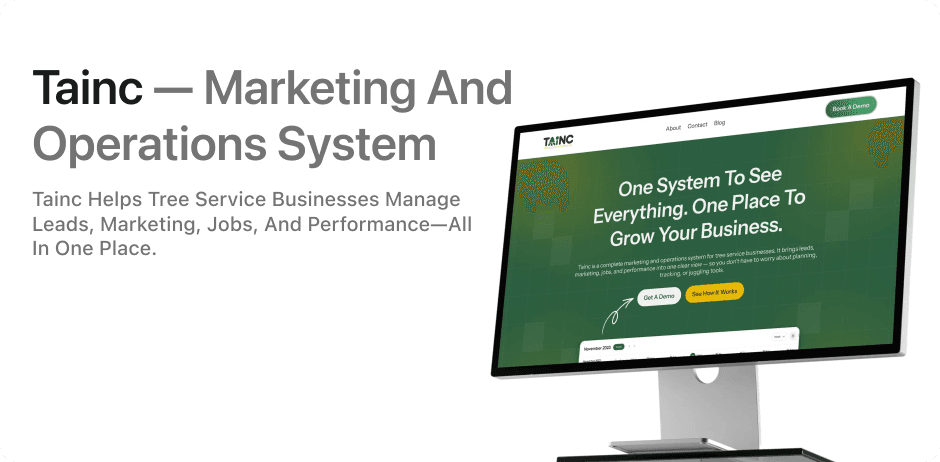
It's the kind of problem building custom automation around a sales process is meant to solve. It looks a lot like the work behind a single growth platform we built to replace a stack of disconnected tools for a services business tracking leads through to completed jobs.
SaaS teams hit the same wall with trial-to-paid handoffs instead of jobs, and closing it is usually worth more than any AI layer added on top of it. That's where automation work for SaaS and startup teams tends to start.
Cover photo by Markus Winkler on Pexels