








A shopper who books a bra-fitting slot at LIVELY's stores is worth more than one who wanders in cold. About 30% of the lingerie brand's in-store revenue now comes through scheduled appointments, Shopify reported in a March 2026 look at appointment shopping.
That gap is why retail appointment booking automation has stopped being a nice extra. Store owners want it built properly now, not bolted on with a shared calendar link.
The same report found something else worth noting. Saks Global measured a 10% higher conversion rate in tests of more personalized shopping experiences, the kind that scheduled time with a customer makes easier to pull off. A shopper who booked ahead already decided to show up.
What Retail Appointment Booking Automation Actually Fixes
Online booking on its own doesn't change much. The value shows up once the appointment connects to what happens next: a reminder that actually goes out, a note in the customer's file about what they came in for, a follow-up if they didn't buy that day.
Manual booking breaks down exactly there, at the handoff between the calendar and everything else the store does. Somebody has to remember to text the reminder, update the spreadsheet, and tell the associate on the floor what the customer is coming in for.
The Staffing Math Pushing Retailers Toward Automation
Retail staffing isn't getting easier. A June 2026 report from workforce platform Advanced on retail workforce management cited a British Retail Consortium survey in which 45% of retailers said they expected to freeze recruitment because of rising labor costs.
Fewer staff hours means fewer people free to answer the phone and juggle a paper appointment book. Every fitting, consultation or curbside pickup slot booked by hand is a task somebody has to fit in between customers, and it's the first task automation removes.
What Automated Front-Desk Tools Look Like Right Now

Photo by Mikhail Nilov on Pexels
Retail isn't the only sector leaning on this. RingCentral's AI receptionist tool logged more than 8,300 customers in its fourth-quarter 2025 earnings, up 44% from the prior quarter, according to a February 2026 PYMNTS report on AI answering the front desk.
The tool handles call routing and scheduling without a person on the line.
A retail version of that idea doesn't need to look like a call center product. It can sit on a store's own site: a booking flow that checks staff availability, syncs to the point-of-sale system, and sends the reminder text without anyone typing it by hand.
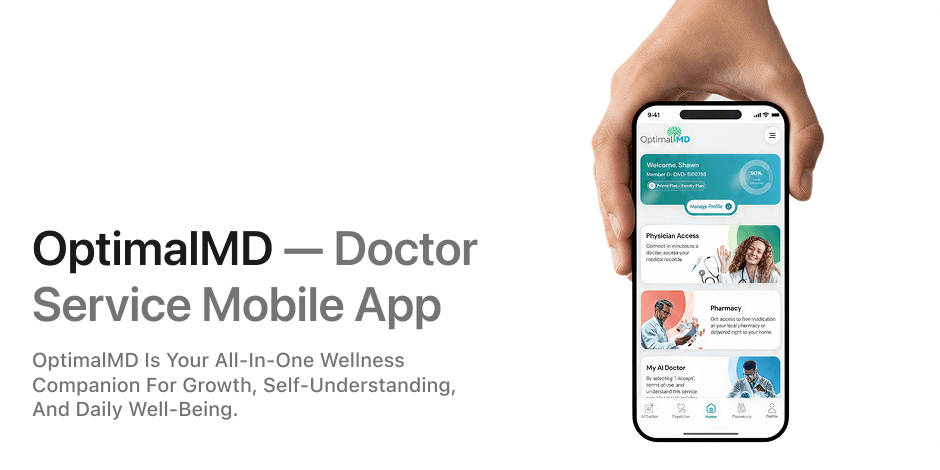
That's the kind of build we take on in our AI and automation work, wiring the booking calendar into whatever the store already runs on.
Connecting Booking to the Rest of the Stack
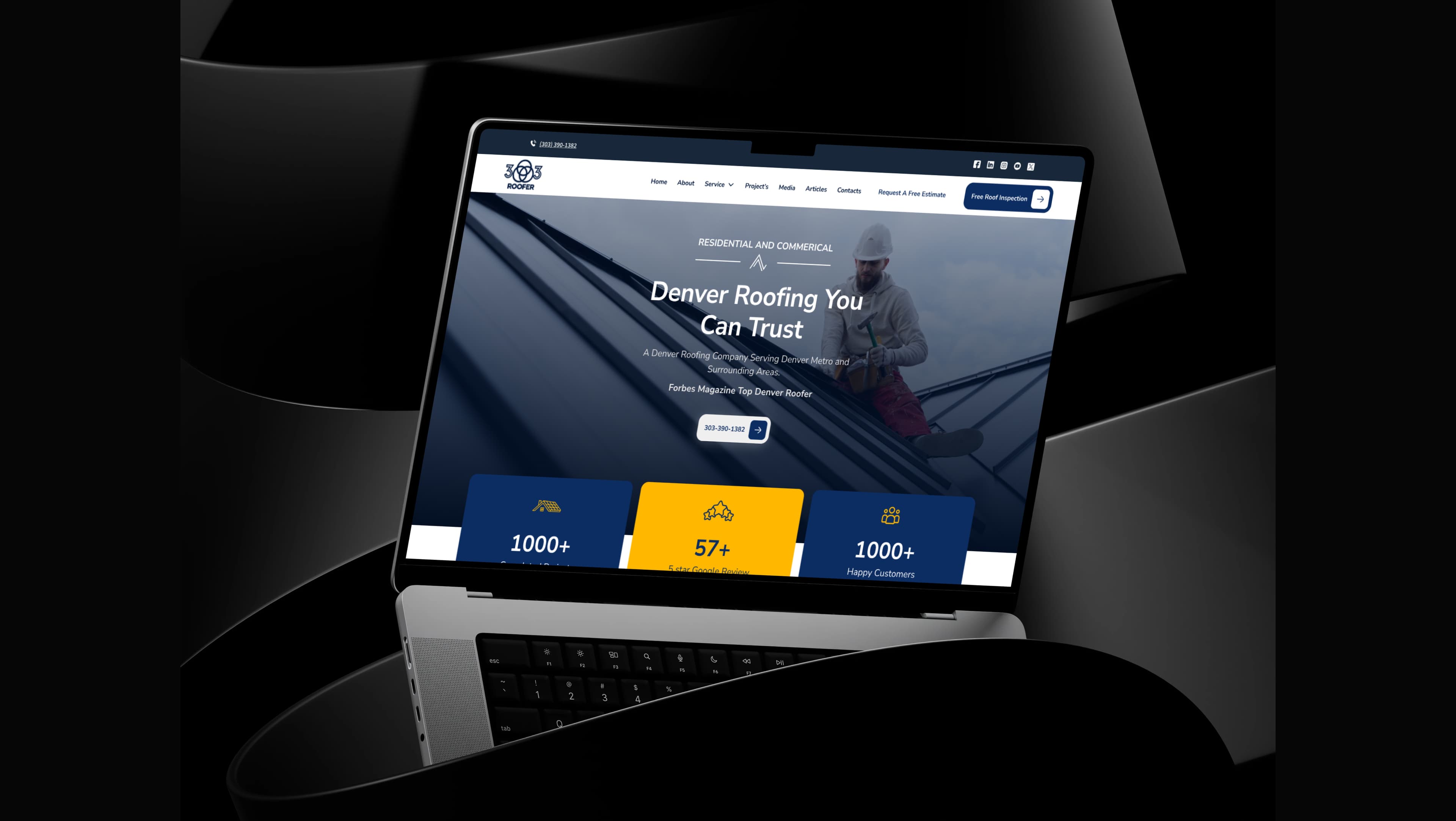
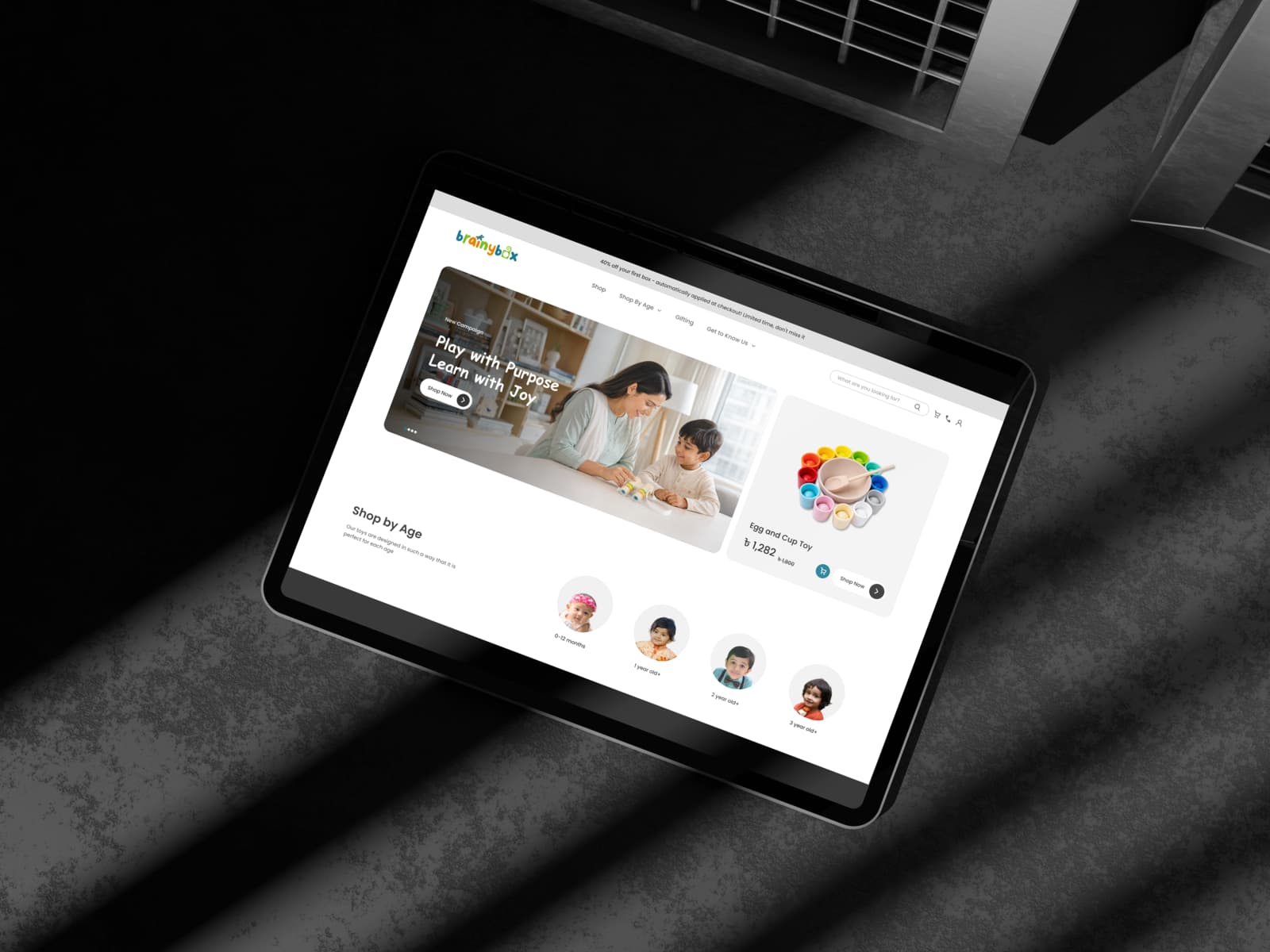
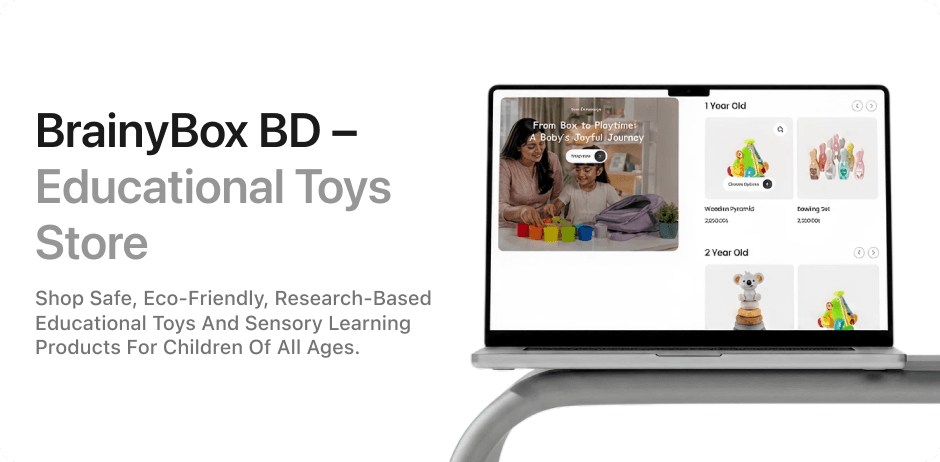
If a store's site is already due for an update, appointment booking is one more reason to build it right the first time. A web and e-commerce rebuild that includes a native booking flow avoids the mismatched look of a third-party widget dropped onto an otherwise custom site.
It also keeps booking data in the same place as everything else the store knows about that customer.
The CRM side matters just as much as the front end. We've written before about pairing automation with a CRM like GoHighLevel, and the same logic applies to appointments.
A booking that doesn't update the customer's record wastes the one thing retailers actually want from it: the sale that appointment was supposed to lead to.
None of this requires ripping out what's already working. Most retailers can start with the booking calendar itself, get the reminders firing reliably, then extend into the CRM and marketing follow-up once that foundation holds. Getting the first part solid is what makes the rest worth building.