








Why CRM Platforms Are Adding AI Automation Fast
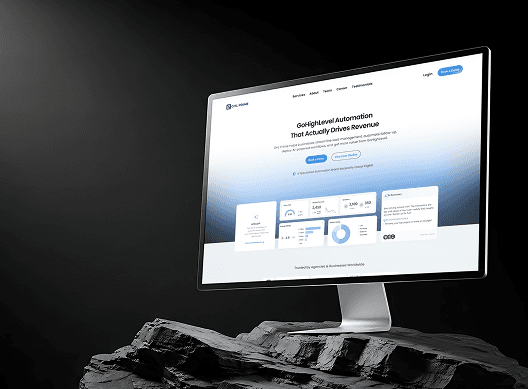
GoHighLevel now answers a customer's call, texts them a follow-up, and writes both into its own CRM record without anyone on the team touching a keyboard.
That's what AI automation looks like once it moves inside the customer relationship platform itself, rather than sitting next to it as a separate tool.
Salesforce surveyed 4,050 sales professionals in August and September 2025 for its 2026 State of Sales report, and 87% said their organization already uses some form of AI, whether that's prospecting, forecasting, lead scoring, or drafting an email reply.
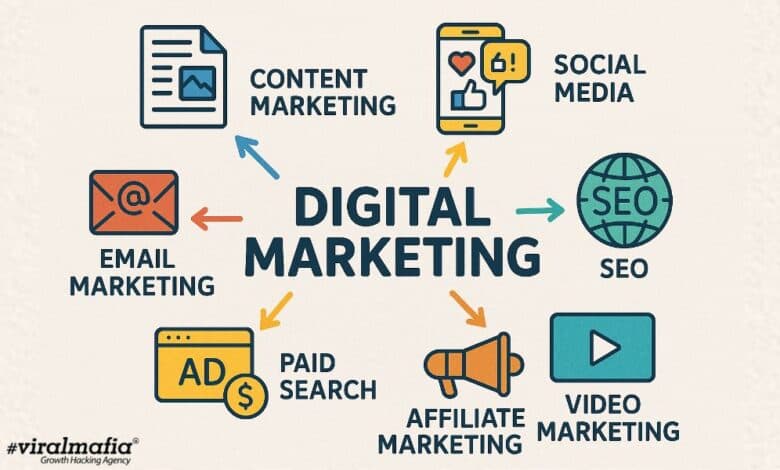
Pairing that kind of automation with a broader digital marketing and growth strategy is why so many teams are pushing it into the CRM layer specifically.
A lead who gets a reply within minutes behaves differently than one who waits until tomorrow, and a CRM is the one system that already knows who that lead is and what they asked for.
Inside GoHighLevel's AI Employee
GoHighLevel bundles its automation tools under one name: AI Employee. According to HighLevel's own support documentation, it brings together Conversation AI for text replies, Voice AI for phone calls, Reviews AI, Content AI, Ask AI, and AI Studio under a single billing and management setup.
The company says its agents have sent more than 86 million messages across the businesses running on its platform, according to GoHighLevel's own product page.
That kind of volume only works if the pricing scales with it, which is where GoHighLevel's tiers come in.
GoHighLevel's pricing page lists two paid AI Employee tiers, on top of a platform plan that already starts at $97 a month:
| Plan | Price | Billed |
|---|---|---|
| AI Employee Growth | $50/month | Per sub-account |
| AI Employee Unlimited | $97/month | Per sub-account |
That's billed per sub-account, not once for the whole agency, so running ten client sub-accounts on the Unlimited tier means the AI add-on alone comes to $970 a month, before any phone or SMS usage.
The Gap Between Testing AI and Trusting It With Clients

Photo by Sóc Năng Động on Pexels
Buying the tool is the easy part. The Small Business & Entrepreneurship Council's 2026 Small Business Tech Use Survey found that 82% of small business employers have already invested in AI tools, and the typical business now runs a stack of five of them rather than one all-in-one system.
That's a lot of automation for one team to actually trust with a live customer conversation. Handing an AI agent the phone line or the text thread means it's now the first impression a prospect gets of the business, not a draft a person reviews first.
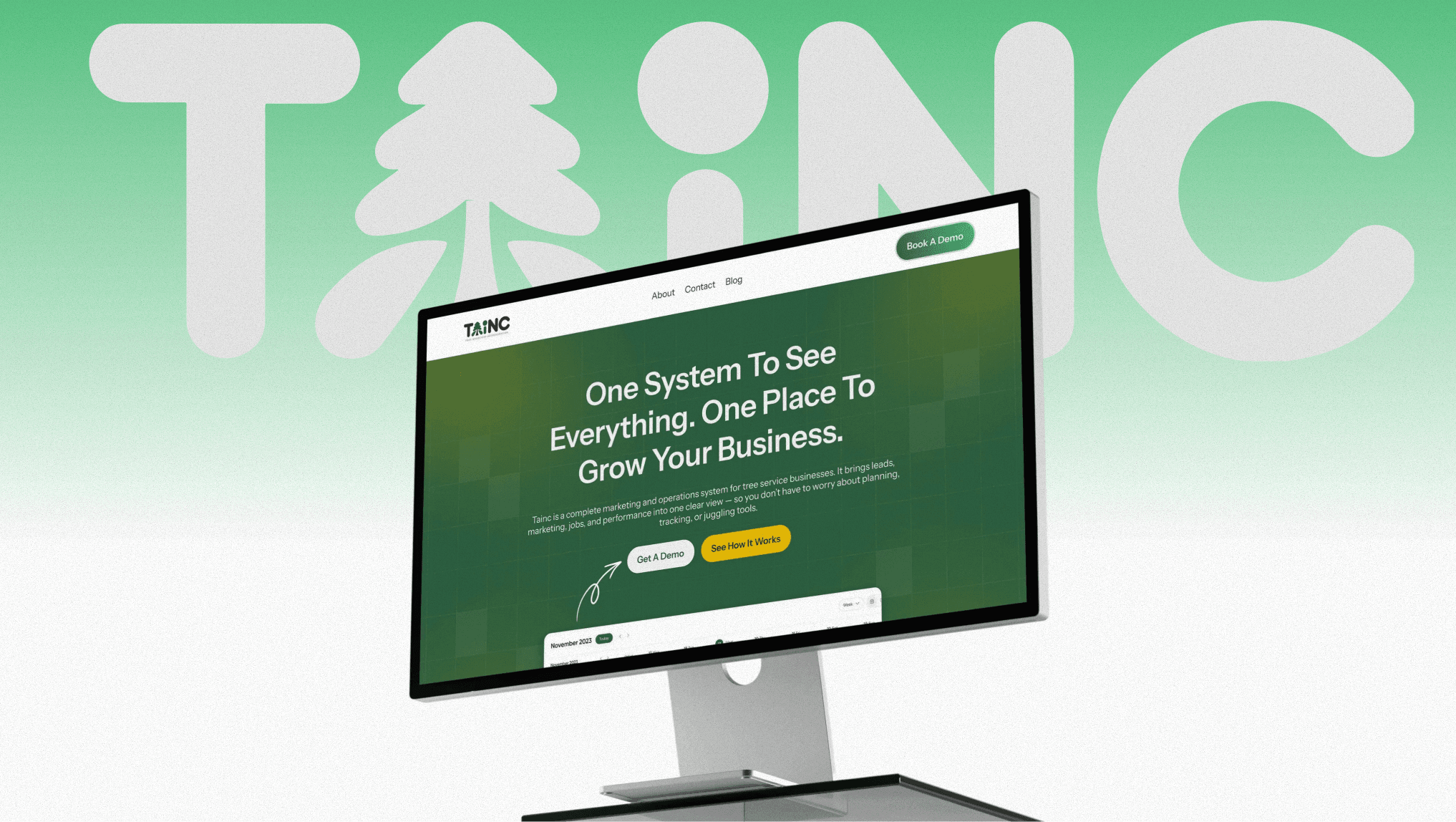
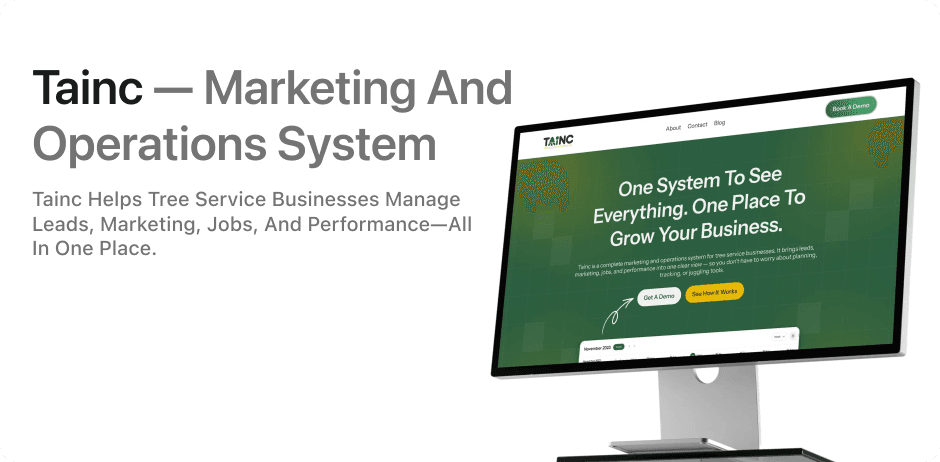
We've seen it done carefully before, including the all-in-one growth platform we built for a tree service business, where routine requests get handled automatically and anything unusual still reaches a person.
Where that trust breaks down is usually the same place it always has: a message that reads like it came from software instead of a person.
Building in the moments where a human still needs to step in is the difference between automated follow-up that keeps a personal touch and automation that just sounds automated.
The harder part was never picking the CRM. It's deciding which messages an AI agent can send on its own and which ones need a person to read first.
That's the setup work our AI and automation team does before any automation goes live with real customers.
Cover photo by Kindel Media on Pexels
Sources
- State of Sales Report 2026 Announcement — Salesforce
- AI Employee Overview — HighLevel Support Portal