




















Where the automation investment is actually going
Manufacturers picking which manufacturing tasks to automate first are working against a strange backdrop: more than 81% of task hours in the industry are still expected to stay human-driven, according to Deloitte's 2026 Manufacturing Industry Outlook. Automation is expanding fast. It just isn't replacing most of the work yet.
That same Deloitte survey of 600 manufacturing executives found 80% plan to put at least a fifth of their improvement budgets into smart manufacturing this year, covering automation hardware, sensors, data analytics and cloud tools.
Physical AI use is on track to more than double, from 9% of manufacturers today to 22% within two years. Over a third of those 600 executives said equipping workers with the skills to run it worries them more than the equipment itself.
The manufacturing tasks to automate first, according to the data
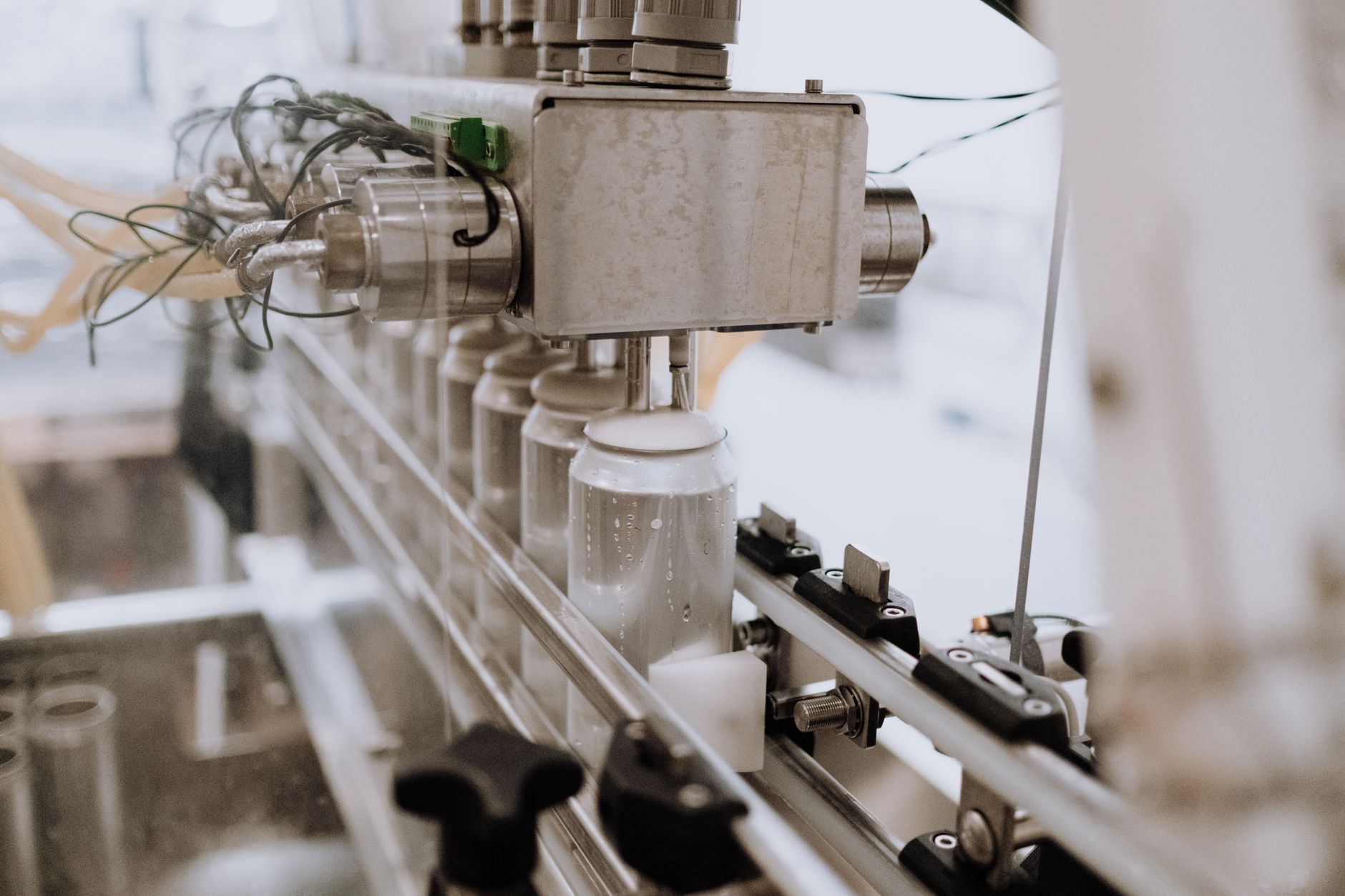
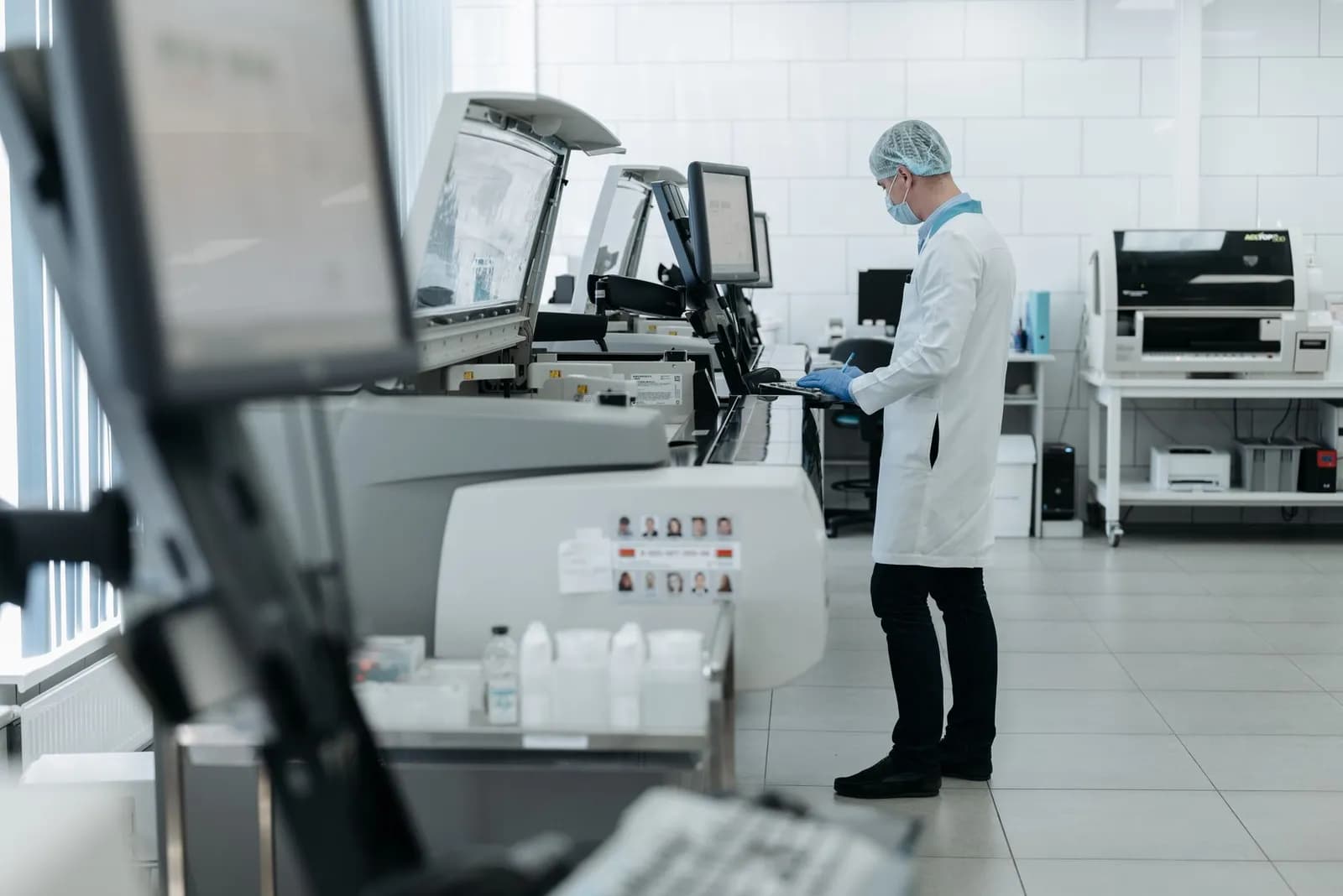
Photo by cottonbro studio on Pexels
A separate Deloitte survey of 3,200 global business leaders, reported by Manufacturing Dive on January 29, 2026, found 58% already using physical AI for monitoring or production work alongside human staff, with 80% planning to use it within two years. The tasks going first tend to be the ones with the least room for judgment calls:
- Welding and repetitive fabrication. Path Robotics builds autonomous welding systems for defense, utility, data center and heavy-equipment manufacturers, and Audi and BMW are piloting humanoid robots on production lines for the same kind of repeat assembly work. Our AI & Automation work with manufacturing clients starts in the same place: find the task nobody wants to do twice a shift and automate that one first.
- Material sorting and transport. Robotic dogs and humanoid units are already moving parts between stations on some floors, cutting the number of trips a person has to make carrying the same box.
- Production visibility. 46% of the 600 manufacturing executives Deloitte surveyed said they're using IoT sensors for real-time visibility into output and machine status, instead of someone walking the floor with a clipboard.
- Repetitive digital workflows. Nearly three-quarters of manufacturers plan to deploy agentic AI within two years, aimed at the approvals, data entry and follow-ups that eat an office worker's day rather than a technician's.
None of this needs to start with a capital-heavy robotics program, which matters most for smaller manufacturers. The National Association of Manufacturers' Q1 2026 survey, reported by Manufacturing Dive on March 17, 2026, found firms under 50 employees name rising healthcare and insurance costs, not trade policy, as their top concern, at 78%. Full-time employment across the industry is only expected to grow 1.3% over the next year.
That combination, tighter headcount growth and a cost squeeze that has nothing to do with automation budgets, is exactly why the visibility and workflow layer is worth tackling before the robotics layer. Dashboards that shop-floor staff can actually read matter here too. Our guide to manufacturing UI accessibility covers what makes a floor interface usable by someone wearing gloves rather than sitting at a desk.
Software that replaces a spreadsheet or a paper approval form costs a fraction of a cobot, and it's the layer custom workflow apps are built to handle. Start with the task that already has a name everyone on the floor complains about. That's the one worth automating first.
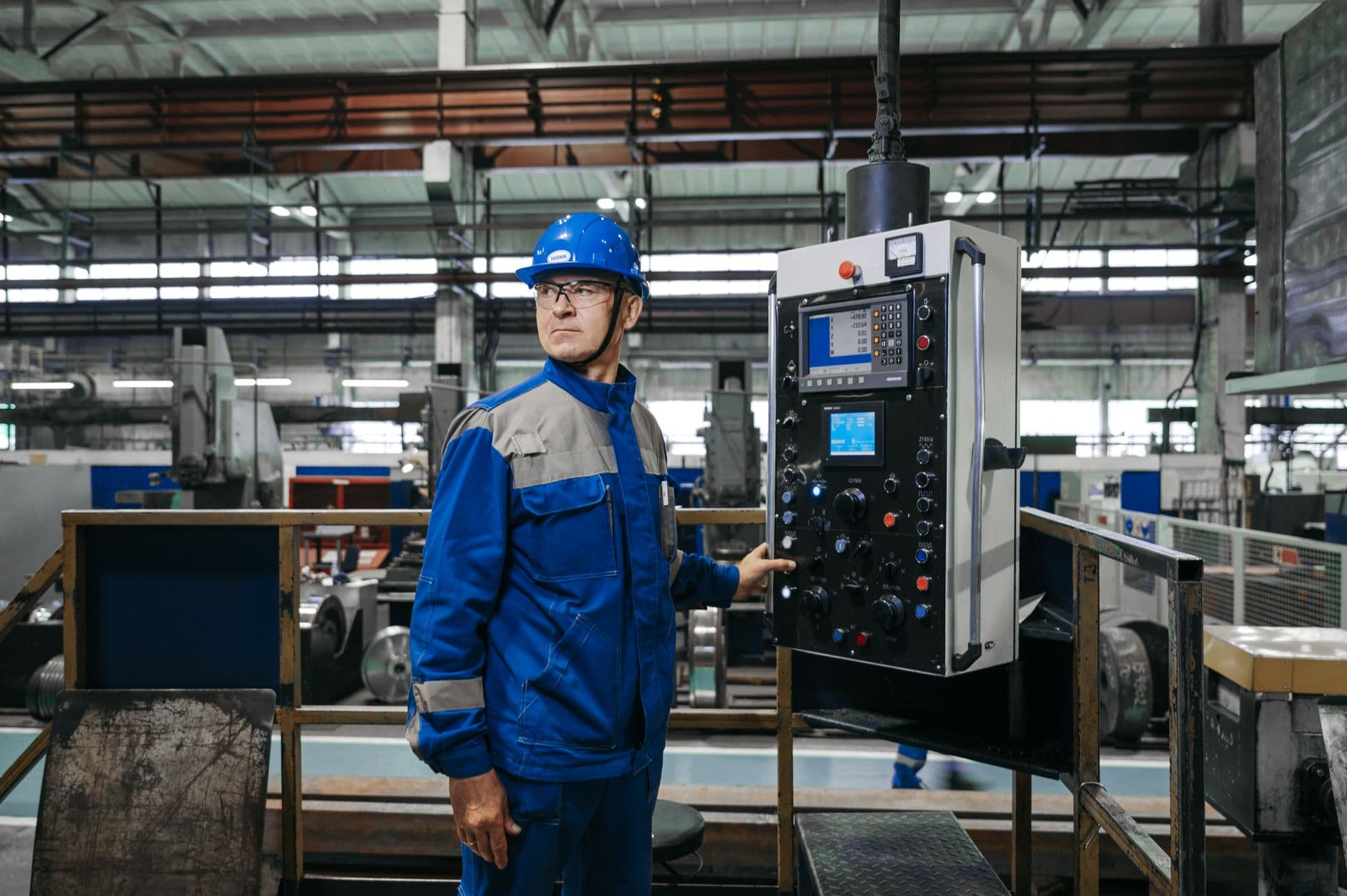
Cover photo by Sergey Sergeev on Pexels
Sources
- 2026 Manufacturing Industry Outlook — Deloitte Insights
- The physical AI craze and other automation trends to watch in 2026 — Manufacturing Dive