








Why Restaurant Online Marketing Demands More Than Online Ordering
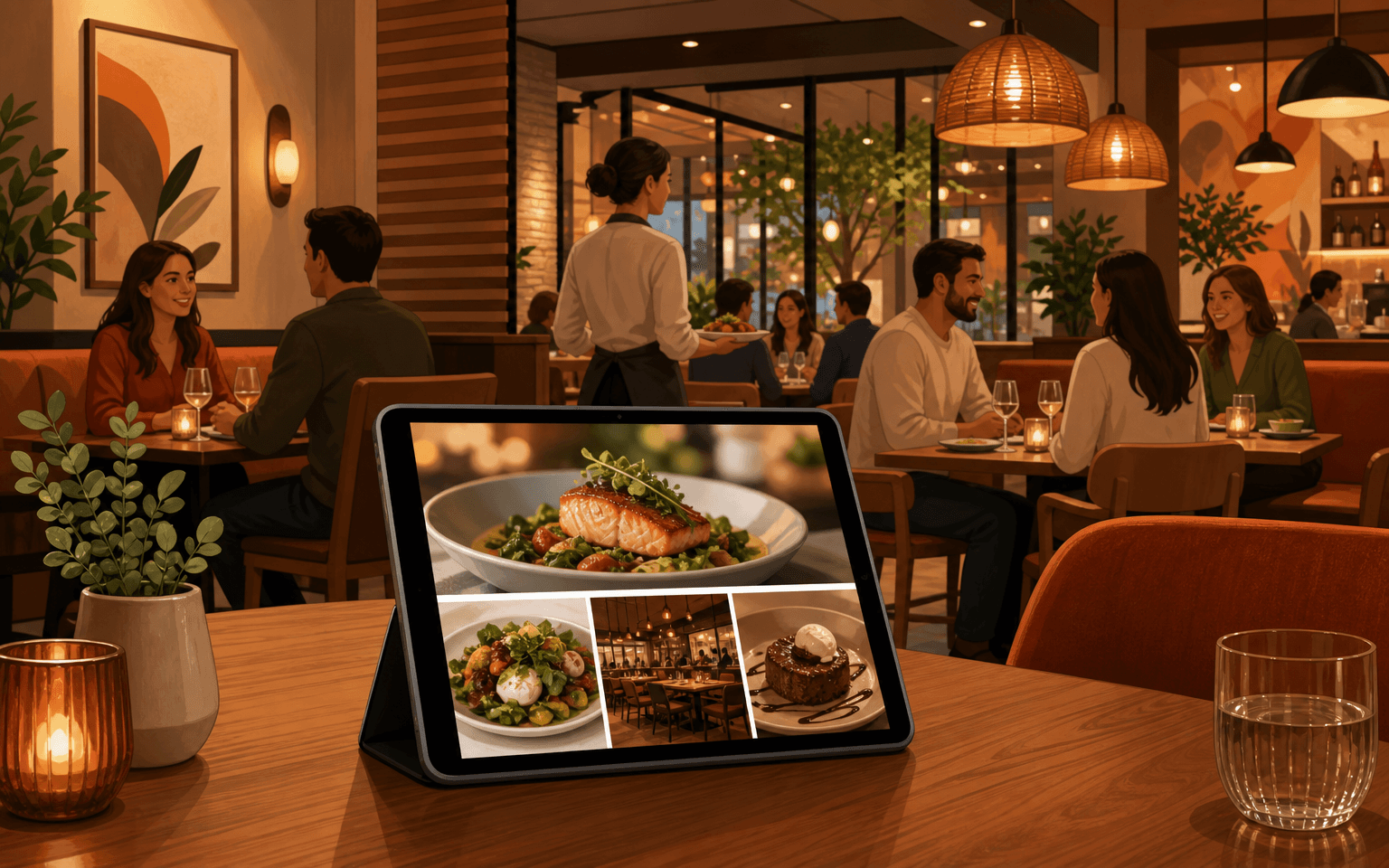
A restaurant website with an ordering button is only the start. Diners make decisions through search engines, reviews, and social channels before they ever reach your menu. If your online presence stops at a checkout page, most of your potential customers never even see it.
As explained by DevourNow's Stan Liachev, the gap that stalls growth for independent restaurants is discoverability, making sure people actually find you on the channels where decisions get made.
The digital journey is fragmented: diners search Google Maps for "best pizza near me", scroll through Instagram for food photos, and read reviews on Google or Yelp before considering an order or reservation.
Only after ticking those boxes do they land on your website to order directly. Focusing solely on your ordering system without covering search and social means losing revenue to competitors who show up first.
Local SEO for Restaurants: Getting Found When It Matters
Local SEO for restaurants isn't optional anymore. Half of all Google searches have local intent, and over 70% of food-related searches happen on mobile devices. The aim is to appear in the Map Pack when someone types "sushi near me" or "open late tacos." Achieving this requires a specific strategy:
Google Business Profile (GBP): Fill in every field with up-to-date hours, service attributes, direct menu link, high-quality photos, and a reservation link if you take bookings. Restaurants with a complete GBP get up to 2.7 times more clicks than those with missing info.
Photo uploads: Uploading five or more new food or atmosphere photos monthly signals activity and drives selection, profiles with 100+ photos see dramatically higher calls and direction requests.
Name, Address, Phone consistency: Make sure these details match everywhere, your website, GBP, Yelp, TripAdvisor, because even small mismatches confuse Google's ranking system.
Google weighs review recency and volume heavily: a restaurant with eighty reviews from the past six months will outperform one with hundreds of stale ones from prior years. Encourage photo-filled reviews (they rank higher) and respond to every review promptly, not just because guests expect it but because Google tracks response rate as a ranking signal.
For detailed tactics that move real rankings, including schema markup for menus, structured location pages for chains, and how to build links from local blogs, see resources like the local SEO playbook.
Restaurant Digital Strategy: Building a Cohesive System
A true restaurant digital strategy starts well before any marketing campaign goes live. The backbone is an integrated tech stack: a mobile-optimised site (not just an Instagram page), cloud-based POS that links front-of-house sales data to kitchen operations and loyalty programmes, and single-source menu management so every platform shows accurate pricing and item availability.
Fragmented systems trap critical insights in silos, a web order sent manually to the kitchen slows down service and increases errors; mismatched menu items between your website and delivery apps cause guest complaints; paper tickets can't tell you which dishes are most profitable or which table orders the most drinks.
The move toward unified commerce platforms connects online ordering, kitchen workflow management, loyalty data and guest communication into one flow. This allows every digital channel to reinforce business efficiency, not just add overhead.
This shift isn't about chasing trends; it's driven by competitive pressure. According to industry research cited by RestaurantManage.com, restaurants adopting integrated digital tools see substantial reductions in human error and measurable gains in order accuracy, directly protecting tight margins.
Choosing the Right Online Ordering System for Restaurants
An online ordering system does more than enable takeaway. It transforms how guests interact with your restaurant. Effective systems support easy browsing of menus (with photos and dietary labels), allow guests to customise orders seamlessly, process payments securely across devices, and provide accurate order tracking both for customers and staff.
The benefits go beyond convenience:
Smoother operations: Orders route straight from guest devices into kitchen display screens or POS panels, reducing manual re-keying errors.
Loyalty integration: Digital ordering can be paired with points-based rewards or personalised offers based on real purchase history.
Direct margin protection: Direct online ordering saves as much as 15–20% per order compared to third-party platforms that charge high commissions (Toast POS Data).
The real win comes when direct orders are coupled with automated review prompts (via SMS or email), upselling features at checkout ("add dessert?"), and data-driven re-engagement campaigns.
Restaurant Online Marketing for SEO: What Actually Works?
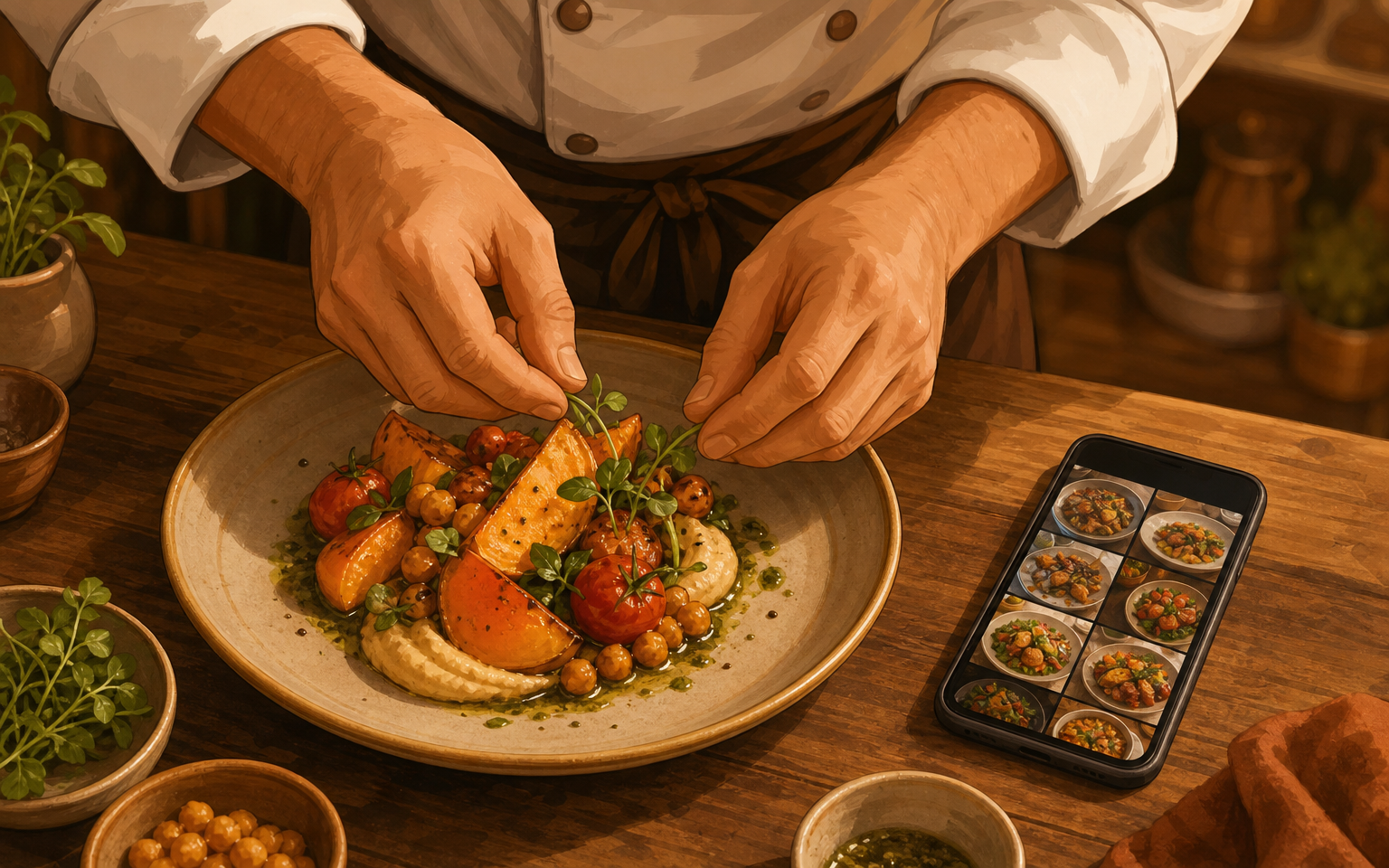
Optimising your site for search goes far beyond homepage meta tags. Modern restaurant online marketing for SEO involves:
Cuisine + location keywords: Focus every main page on how people actually search (“vegan ramen Berlin”, “brunch near SoHo”).
HTML menus: Avoid PDF menus. They don't rank well or display on mobile devices cleanly. Use structured data markup so Google can read item names, prices, descriptions, and show them directly in search results.
User-generated content: User-posted photos tagged at your venue not only drive engagement but convert at up to four times the rate of branded photography (DevourNow). Re-share customer posts with credit as part of your social feed; this builds trust instantly.
If you're running multiple locations, dedicate unique landing pages to each area using tailored keyword clusters rather than one generic “Locations” page, this boosts ranking across several neighbourhoods simultaneously.
Tactics That Drive Restaurant Digital Marketing Success
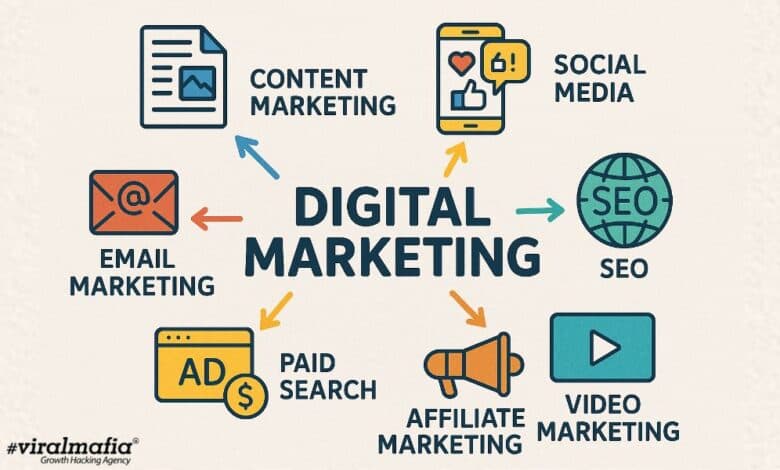
The strongest restaurant digital marketing strategies combine seven interlocking channels: Google Business Profile management; active social media posting (especially Instagram Stories/Reels); systematic review collection; an accessible website; seasonal email/SMS campaigns; regular blogging targeting local food topics; and well-timed paid advertising during slow periods or event promotions.
Poor performance on any link breaks the chain. You may have the best chef in town but lose bookings if your Instagram has no recent activity or you're missing critical attributes in your GBP profile. Consistency beats intensity here, a steady flow of fresh posts/photos outperforms occasional surges then months of silence.
The Takeaway: How Restaurants Grow Through Connected Marketing
A modern restaurant marketing plan means being visible when diners are searching locally, making it easy to order without friction (online or offline), and converting happy customers into loyal repeat diners through ongoing engagement across channels.
For real-world advice on turning site visitors into leads, or optimising every step from discovery through retention, review our guide at Restaurant Website Visitors to Leads: Strategies That Work.
Sources
Why Online Ordering Alone Won't Grow Your Restaurant in 2026 - DevourNow — devournow.com
Local SEO for restaurants — the 2026 playbook — local-visible.com