



















Why a Healthcare Digital Growth Stack Can't Be Three Separate Projects
A patient searching for a new dermatologist rarely stops at one search result. Zocdoc's booking data from January through September 2025 puts the average at 21 provider profiles compared before someone books, rising to 25 for OB-GYN searches and 31 for psychology.
That's the number a healthcare digital growth stack exists to answer: get found, look credible next to twenty competitors, and convert before the patient moves on to the next tab.
Handing the website to one vendor, SEO to a freelancer and the ad account to an agency down the street means nobody owns that comparison.
The site might load fast and rank well while the ads point at a landing page nobody has touched in a year. Or the campaigns pull in traffic the website has no real way to convert.
Press Ganey's 2025 Consumer Experience in Healthcare report found 89% of patients say the information they find online affects which provider they choose. That's pressure on the site and the search listing to actually match what the ad promised.
What Google Won't Let You Target in Healthcare Ads
Google's health-in-personalized-advertising policy treats physical and mental health conditions, chronic disease management and sexual health as sensitive categories.
Advertisers can't build a custom audience around "people searching for diabetes treatment." They can't retarget someone who looked at a specific condition page either.
In-market segments, affinity audiences, demographics and location targeting are all still fair game. What Google blocks is anything built from a practice's own visitor data:
- Advertiser-curated audiences
- Customer match lists
- Custom data segments
- Lookalike or audience expansion
Google says these can "inadvertently contain sensitive user signals."
That changes how a combined SEO and paid search strategy has to be built for a medical practice. A campaign built around chronic-condition retargeting gets rejected or throttled, so budget needs to shift toward broader in-market and location targeting, with organic search carrying more of the weight for condition-specific queries.
Where HIPAA Meets the Website and the Ad Account

Photo by John Jackson on Pexels
The stack carries a compliance layer most industries don't deal with.
In December 2022, the HHS Office for Civil Rights issued guidance on online tracking technologies. It covers IP addresses, device IDs, appointment dates and clickstream data collected on a health-related page.
All of that can count as protected health information once a visitor is presumed to be, or about to become, a patient.
That covers a plain Meta Pixel or a Google Ads conversion tag sitting on a booking page.
A March 2024 update narrowed that definition after the American Hospital Association sued over it, so an IP address alone isn't automatically PHI anymore. It still has to relate to someone's health or care.
Still, the safer reading hasn't changed: a tracking pixel on an appointment page needs a business associate agreement with the vendor behind it, or it needs to come off that page entirely.
That's a technical decision as much as a legal one, and it sits between whoever builds the website and whoever runs the ad account.
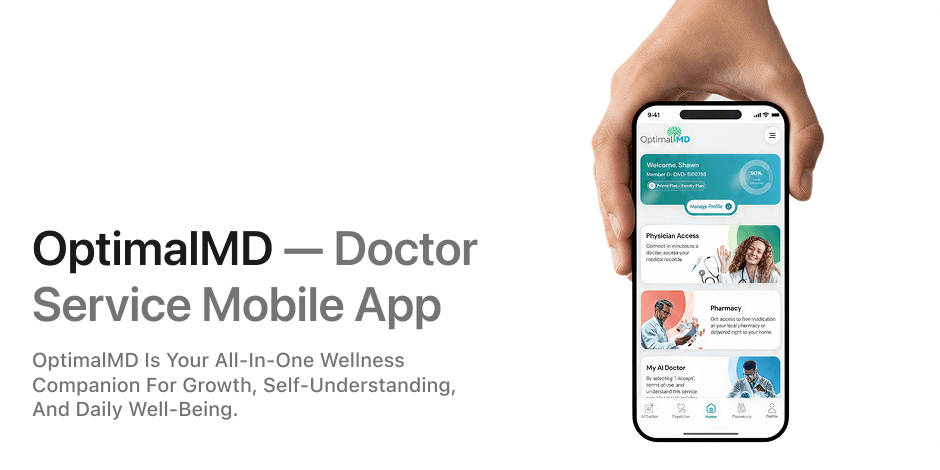
A practice that automates intake and follow-up, the way we did in the accessibility rebuild we did for OptimalMD, needs that same coordination extended to the automation layer handling reminders, not bolted on after the marketing is already live.
Getting this right isn't mainly about spending more. It's making sure the person who owns the website knows what the ad account is tracking, and the person who owns the ad account knows which pages can't carry a pixel at all.
Cover photo by Negative Space on Pexels