





Why Turning Restaurant Website Visitors to Leads Matters
Most restaurant websites draw hundreds or thousands of visitors a month, but only a fraction of that traffic turns into reservations, orders, or genuine leads. With margins running thin, converting existing visitors is often far more valuable than spending on new traffic.
A case study from Roots Indian Bistro shows how building a growth-focused website and local presence lifted conversion rates from less than 1% to over 30%, with over a hundred new leads monthly and bookings increasing twenty-five-fold. These aren't just vanity numbers.
They mean more full tables, steady catering orders, and predictable revenue.
The real difference comes from treating your website as an active lead generation channel, not a static brochure. Effective strategies guide guests quickly from menu browsing or catering queries to confirmed actions, while collecting enough information to re-engage them later.
Restaurant Website Lead Generation: Building Your Pipeline
Lead generation for restaurants means capturing contact details or intent at every key moment: booking a table, joining a loyalty programme, inquiring about catering, or subscribing for specials. It goes beyond displaying your menu. It's about owning the relationship with every guest who lands on your site.
A structured lead generation workflow combines several elements:
Branded landing pages with clear first-visit offers, think discounts, free appetisers or loyalty signups, that turn cold interest into warm prospects.
Email marketing platforms for welcome sequences and automated re-engagement campaigns.
Google Business Profile (GBP) fully optimised with photos, menus and active review management. Some restaurants report up to 60% of reservations coming directly through Google local results.
WiFi capture portals, which can collect hundreds of emails passively each month at very low cost per lead, with figures like $0.22 per email and no staff effort required.
The most successful operators don't stop at collecting details. They automate personalised follow-up based on guest behaviour and preferences. Automated welcome and win-back campaigns are proven to lift repeat visits by as much as 12–25%. Birthday offers convert three to four times better than generic signups, making them one of the highest-performing annual campaigns when layered into the signup flow.
How to Convert Restaurant Site Traffic to Bookings
Your online reservation funnel should be ruthlessly simple. Tracking data from multiple sources confirms that even small frictions, extra form fields or slow widgets, cause guests to drop off.
When Saboraa audited a fine dining spot getting 5,000 monthly visitors but only 3% conversion to bookings, simplifying the form doubled that rate almost overnight.
Ask only for essentials (name, email, phone), keep it mobile-friendly (over 70% of bookings happen on phones), and embed the booking tool so guests never leave your site.
A strong call-to-action ('Book Now' button) must appear above the fold on every device. Restaurants that shift reservations from buried links to immediate CTAs see weekday demand stabilise and dependence on third-party sites, and their commissions, drop significantly within months after launch. In fact, one bistro tripled reservations in three months by prioritising frictionless conversions over style alone.
Restaurant Landing Page Conversion Optimisation Essentials
Dedicated landing pages convert better than broad homepages, Unbounce's industry benchmarks show restaurant landing pages averaging an 18%+ conversion rate versus just 4% for generic traffic. High-impact practices include:
Mouthwatering hero images of signature dishes loaded in under two seconds (conversion rates drop for every extra second).
One clear CTA, repeated strategically but never cluttered with competing actions.
Mobile-first design: make booking or ordering possible in two taps from any device.
Social proof near CTAs: real customer reviews or badges placed beside booking forms increase trust at decision points.
No navigation distractions: remove unnecessary menus or links that could pull attention away from conversion goals.
If you're running ads for special offers or events, build campaign-specific landing pages matching ad intent, not sending everyone to your homepage where they lose focus among too many options.
Every high-performing operator now treats landing page optimisation as an ongoing practice: running A/B tests on headlines and buttons weekly can reveal which messages move your guests to act most reliably over time.
Catering Lead Capture Strategy That Delivers Real Results
Catering leads are high-value because group orders can generate several times the revenue of standard covers, and margins run higher without delivery app fees eating into profit. Yet many restaurants hide catering behind obscure menu links or PDF downloads, forcing would-be buyers to call or guess instead of starting an order online.
A strong catering lead capture strategy includes:
A visible 'Catering' button in your main navigation and homepage, not buried in a footer.
A dedicated catering landing page answering every real-world question: event types served (office lunches? weddings?), menu packages by group size, order minimums/lead times, pick-up/delivery options and FAQs clearly displayed so buyers feel confident moving ahead without calling first.
An inquiry form collecting only vital details: name, phone/email, event date/time/guest count, long forms deter action; focus on speed.
If you handle both inquiry forms and direct online catering orders (for standard packages), let buyers self-select the right path upfront.
Assign one owner internally to follow up quickly, delays cost sales when catering clients are shopping other sites simultaneously.
A strong post-inquiry follow-up keeps contacts organised for repeat business (for example: office managers who order once can be nudged back next time).
Leading platforms note that most long-term growth comes not from one-off deals but repeat relationships built through fast response and proactive reminders.
The Foundation of Restaurant Lead Generation Success
Sustained restaurant lead generation relies on treating marketing as an operational system rather than bursts of activity during slow periods.
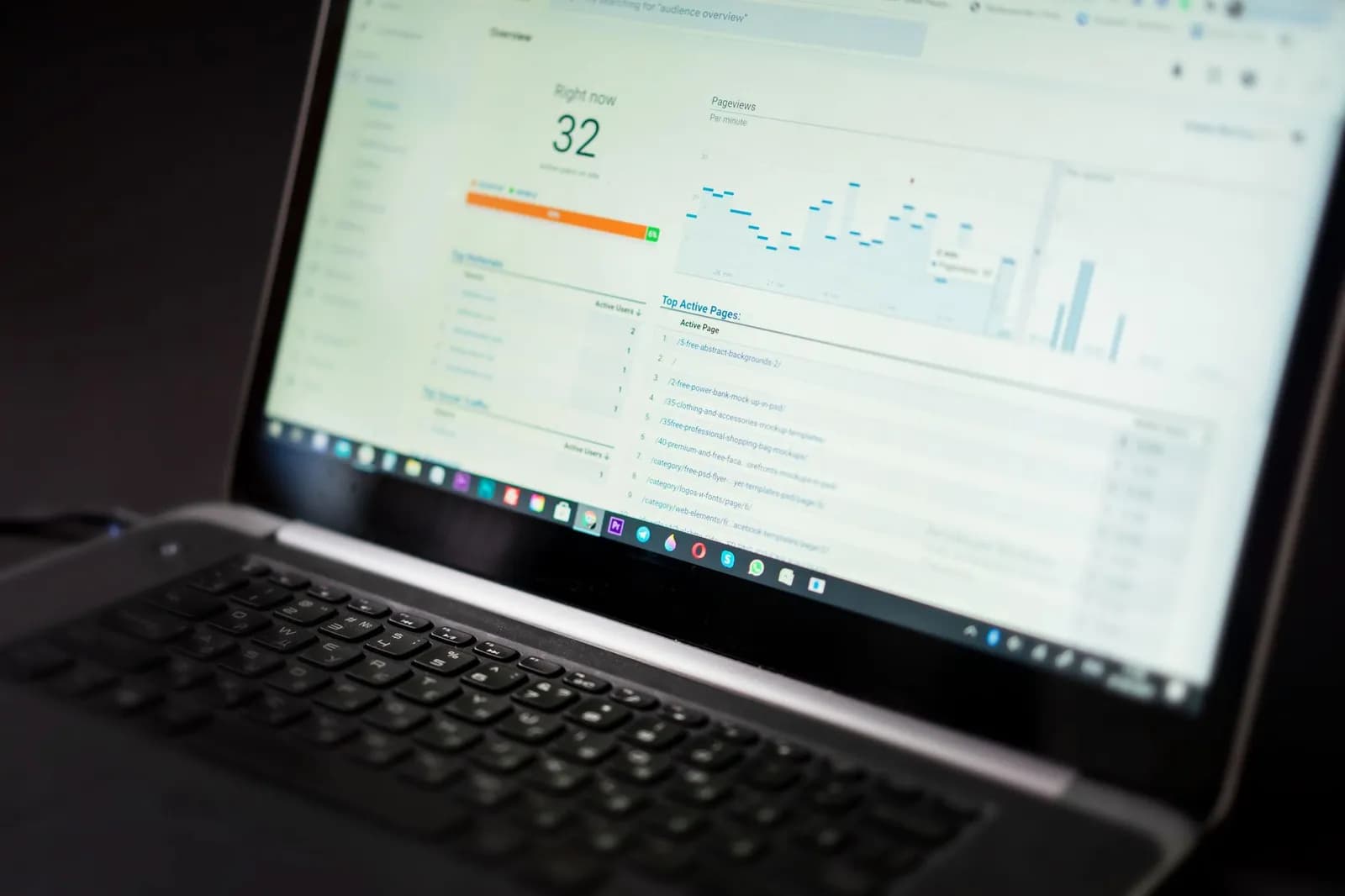
This includes disciplined measurement: tracking how many site visitors complete bookings/catering inquiries each week using Google Analytics (or custom dashboards connecting GA4 and ad platforms). Without this visibility across your pipeline, from first click through post-order feedback. You're flying blind.
A leading case study highlights how technical SEO fixes (speed improvements; structured schema; mobile-responsiveness) paired with review automation doubled organic bookings within months, even before paid campaigns scaled up.20While driving new traffic is important20–20and GBP optimisation remains the top-of-funnel lever for organic growth, the ultimate ROI comes from capturing more value per visitor already reaching your site.20Loyalty clubs, VIP email offers,20and segmentation by guest frequency allow targeted messaging (regulars get different incentives than lapsed customers), boosting overall lifetime value.20A strong foundation frees you to scale budgets on digital ads knowing every visitor is set up for a seamless path toward becoming a paying customer.20When executed with clarity,20consistency,20and persistent measurement,20restaurant website visitors become not just statistics20–20but reliable future revenue streams.
Sources
Lead Generation for Restaurants: 7 Proven Website Tactics — qrolic.com
Catering Companies B2B Leads: 2026 Prospecting Guide — origami.chat