


















A brokerage can rank a listing page for a hot neighborhood search and still lose the click to a smaller competitor. The win usually comes down to which site the local market actually trusts enough to point to.
That's the real work behind real estate link building: not chasing high-authority domains with nothing to do with the neighborhood, but building the kind of local proof search engines already treat as a signal. The National Association of Realtors found that brokerage and individual agent websites together generated roughly a quarter of agent leads in its 2025 Technology Survey, so the site those links point to still carries real weight.
What real estate link building actually rewards
Search engines don't treat every backlink the same way. Local citations carry more weight than a stray high-authority link with no connection to the market.
Reviewing the evidence, Search Engine Journal concluded that citation consistency is close to confirmed as a Google ranking signal, even without an official statement from Google. Citation consistency means your business name, address and phone number matching everywhere they appear. As that same review notes, a 2020 survey of SEO professionals by Moz ranked it fifth among local ranking factors, the same spot it held in 2018.
An earlier BrightLocal survey, cited in that same review, found that 90% of respondents called citation accuracy very important or critical. Most said quality mattered more than quantity.
That distinction lands harder in real estate than in most local categories. Agents move between brokerages and take their listings with them, which is exactly when an old citation under a former brokerage's name outlives the move.
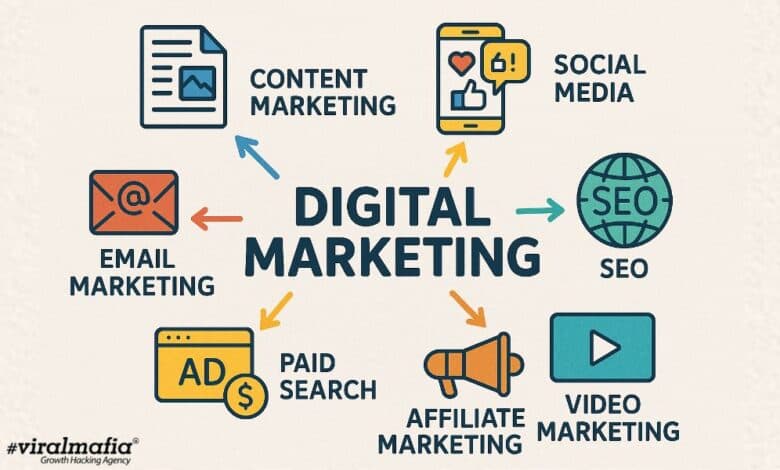
Real estate link building sits inside a wider digital marketing and growth strategy rather than existing apart from it as a one-off list of directories to submit to.
Where paid links run into Google's own rules
Google is specific about where sponsorship crosses into its own link spam policies. The guidelines state plainly that "buying or selling links for ranking purposes" breaks the rules, along with "excessive link exchanges" built on nothing but the promise of "link to me and I'll link to you."
Sponsored links are still allowed, since paying for placement is a normal part of advertising. But the link has to carry a rel="nofollow" or rel="sponsored" tag so it doesn't pass ranking credit.
A brokerage that sponsors a youth league or a chamber of commerce page can keep that link standing. If the goal is rankings rather than goodwill, though, the tag has to be there, or it counts as exactly the kind of exchange the policy targets.
Build the site local sources actually want to cite

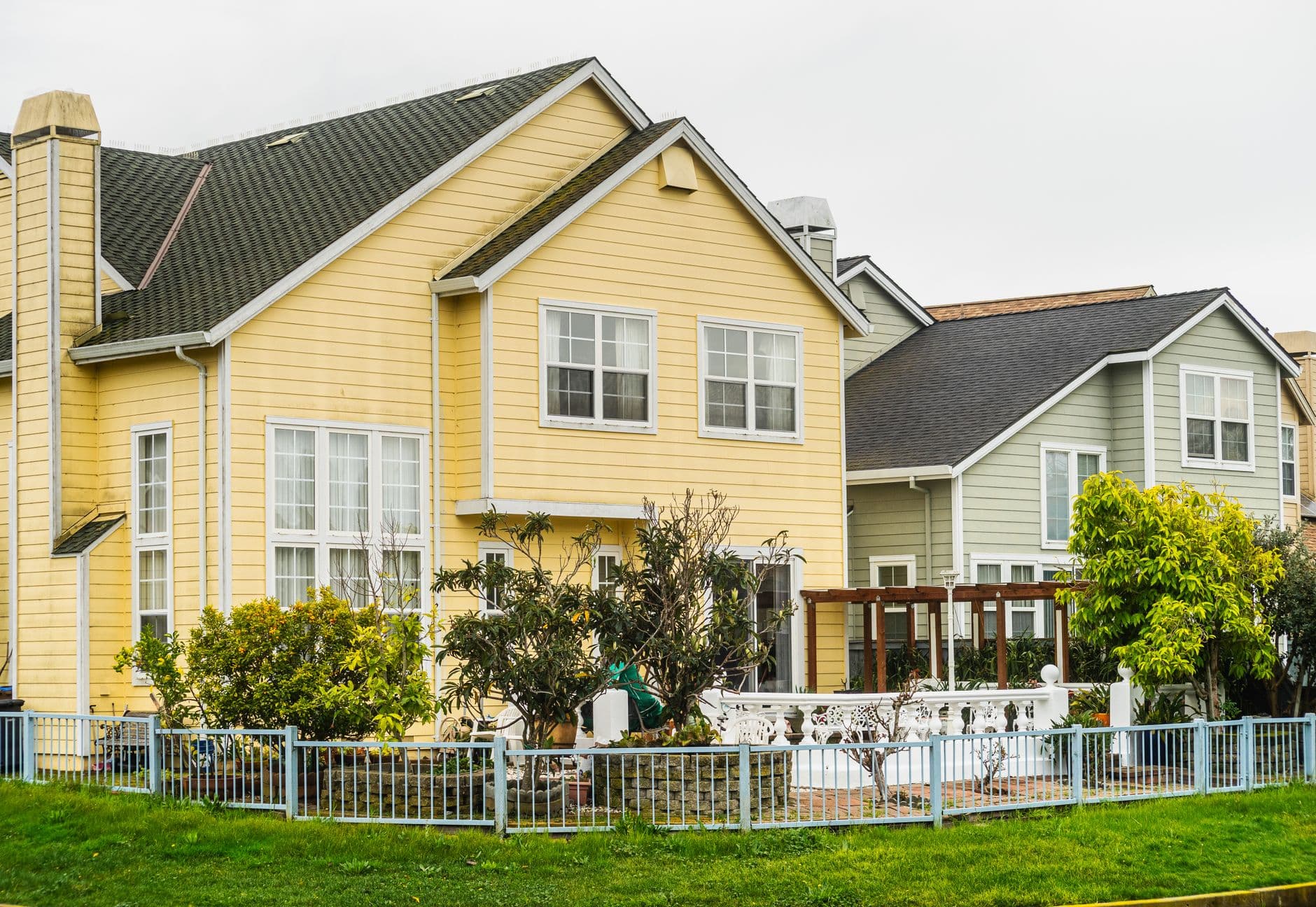
Photo by FOX ^.ᆽ.^= ∫ on Pexels
None of this works if there's nothing worth linking to in the first place. NAR's guidance for agents calls for building "a branded lead-capture platform filled with community information that demonstrates your local expertise" rather than a site that just mirrors the MLS feed.
A neighborhood guide, a school district breakdown or a local market update gives a community blog or a local outlet something worth referencing that a bare listing page never will.
That kind of site is closer to a web project than a marketing checklist, and it has to come before the outreach, not after.
Budgeting for it tends to follow the same pattern as SEO in other relationship-driven fields: planned over months, not a single campaign, the way we've laid it out for law firm SEO budgets.
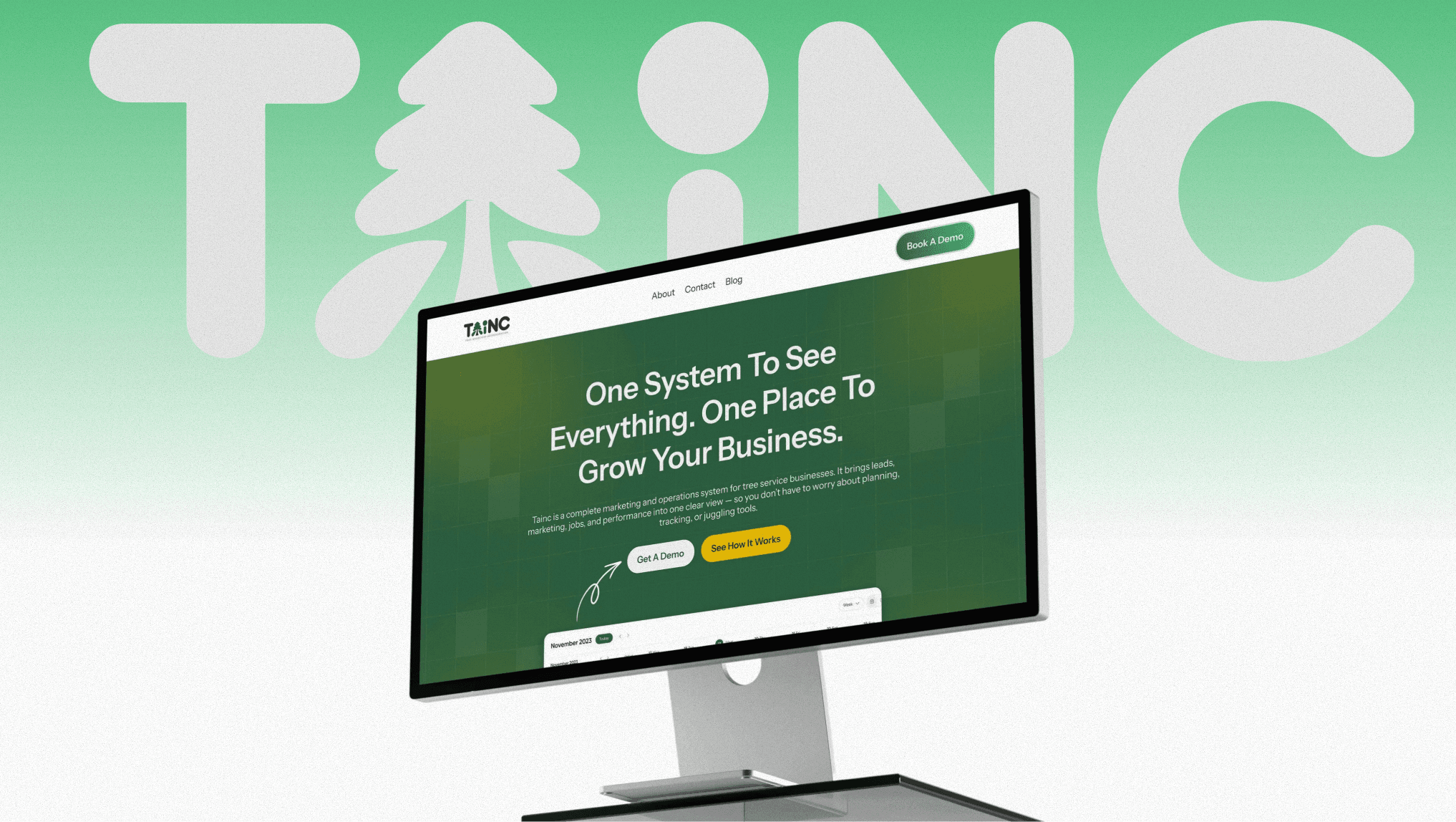
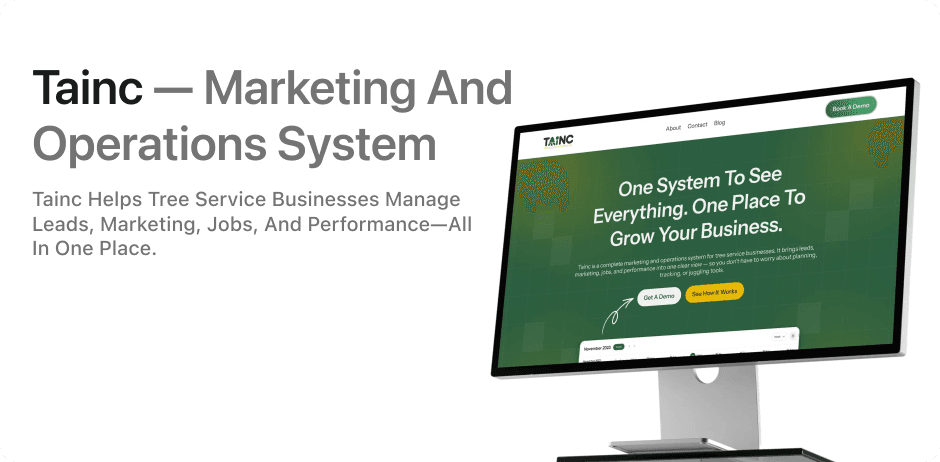
Community presence built into the site itself is what we designed into an all-in-one growth platform for a local service business, and the same principle carries over to real estate. Get the site and the local proof right, and the links tend to follow instead of needing to be chased one by one.
Sources
- Spam Policies for Google Web Search — Google Search Central
- Are Local Citations (NAP) A Google Ranking Factor? — Search Engine Journal