



















Why Retail AI Search Content Structure Decides Who Gets Seen
Today, shoppers expect AI engines to shortlist products for them instead of simply displaying a set of links. In 2026, over 70% of product research will begin in an AI assistant.
MaximusLabs reports that 81% of AI answers name three brands or fewer, so there is no page two. For most retailers, missing from that short answer means missing almost all high-intent shoppers who treat AI platforms as their first stop.
These systems differ at the core. They retrieve structured product data and compress decision journeys into a single recommendation, while traditional content built for humans and search crawlers rarely contains the answer-ready details models need. The question is not how your store ranks; it's whether the model names you at all.
The New Architecture: Structuring Content for Ecommerce AI Search Optimisation
The retail ai search content structure that earns citations is layered and machine-readable at every step; modern ecommerce AI search optimisation now rests on three pillars: complete product schema for AI, answer-focused editorial content, and merchant feeds updated with current information.
The first requirement is robust product schema, more than just price or brand, with every shopper filterable attribute shown: sizes, ratings, reviews, and key specs.
Second, editorial content focused on real questions and extractable answers matters; guides and FAQs matching the way people phrase their queries help models surface your pages.
Third, merchant feeds must update daily with accurate prices, availability windows, shipping details, and return policies because these feeds keep your products visible in platform carousels.
A shop's homepage? That matters less than its ability to surface precise information at machine speed.
Product Schema for AI: The Backbone of Visibility
Major AI shopping assistants like ChatGPT Shopping, Gemini Commerce, and Perplexity Shop all rely on well-formed schema. Basic Product JSON-LD won't cut it anymore. The fields most sites skip often determine inclusion and ranking.
Clear identifiers such as gtin13/gtin14 codes avoid confusion when assistants recommend products. You should use brands as objects instead of strings to improve accuracy.
For offers, enter price as a string (no symbols), priceCurrency like "USD," full schema URLs for availability (e.g., "https://schema.org/InStock"), and keep priceValidUntil fresh to prevent stale prices. Authentic data only for aggregate rating and review blocks, engines now penalise engineered reviews.
Material and colour fields empower shoppers to ask about “best cotton sheets” or “green backpacks” with confidence in results; add weight or fit range properties if buyers filter on them too. Shipping details (shippingDetails) and return policies (hasMerchantReturnPolicy) have become essential for rich results in competitive queries.
Poorly implemented or outdated schema causes most misses on product carousel placement in both ChatGPT Shopping and Google's AI Overviews. That costs stores visibility.
Ecommerce Content Strategy for AI Search: Building the “Answer Layer”
A page that only aims to sell will not be cited in answers. What surfaces are guides comparing products side by side with real specs, and giving verdicts like “best hiking boots under $150” or “is X better than Y?”
The strategy? Create category buying guides with comparison tables near the top plus specific “best for” designations because these are cited most by engines.
Add dedicated comparison pages (“Product A vs Product B”) formatted so each question gets a direct answer followed by a clear verdict section.
FAQ blocks are vital; use FAQPage schema on product pages with buyer-focused language such as “Will this fit my iPad Pro?” Make each answer self-contained so a model can quote it cleanly.
This supporting content does not replace PDPs. It helps you get named as the source in shopping assistant outputs rather than remaining just another listing among many. Stores that invest here see citation rates rise several times higher than those relying only on basic listings.
The Role of GEO for Retail: Monitoring and Owning Your Share of Voice
If you want control over inclusion in AI shopping answers now, Generative Engine Optimisation (GEO) is essential.
GEO strategies don't just track where your store appears; they also measure how often it's cited as a source for certain queries plus what share of voice you have in LLM responses (see Quadrant's enterprise guide for details).
Real-time prompt-level monitoring lets retailers see which passages LLMs use so they can correct misinformation fast or grow coverage where gaps exist.
The practical implication? Teams need strong structured data pipelines to make products discoverable by LLMs, and active answer-layer management so content keeps showing up even while competitors adjust week to week. GEO does not replace SEO but extends it: GEO ensures brands get recommended inside composite purchasing advice from shopping AIs.
GEO in Practice: Local Inventory Mapping for Retail Citations
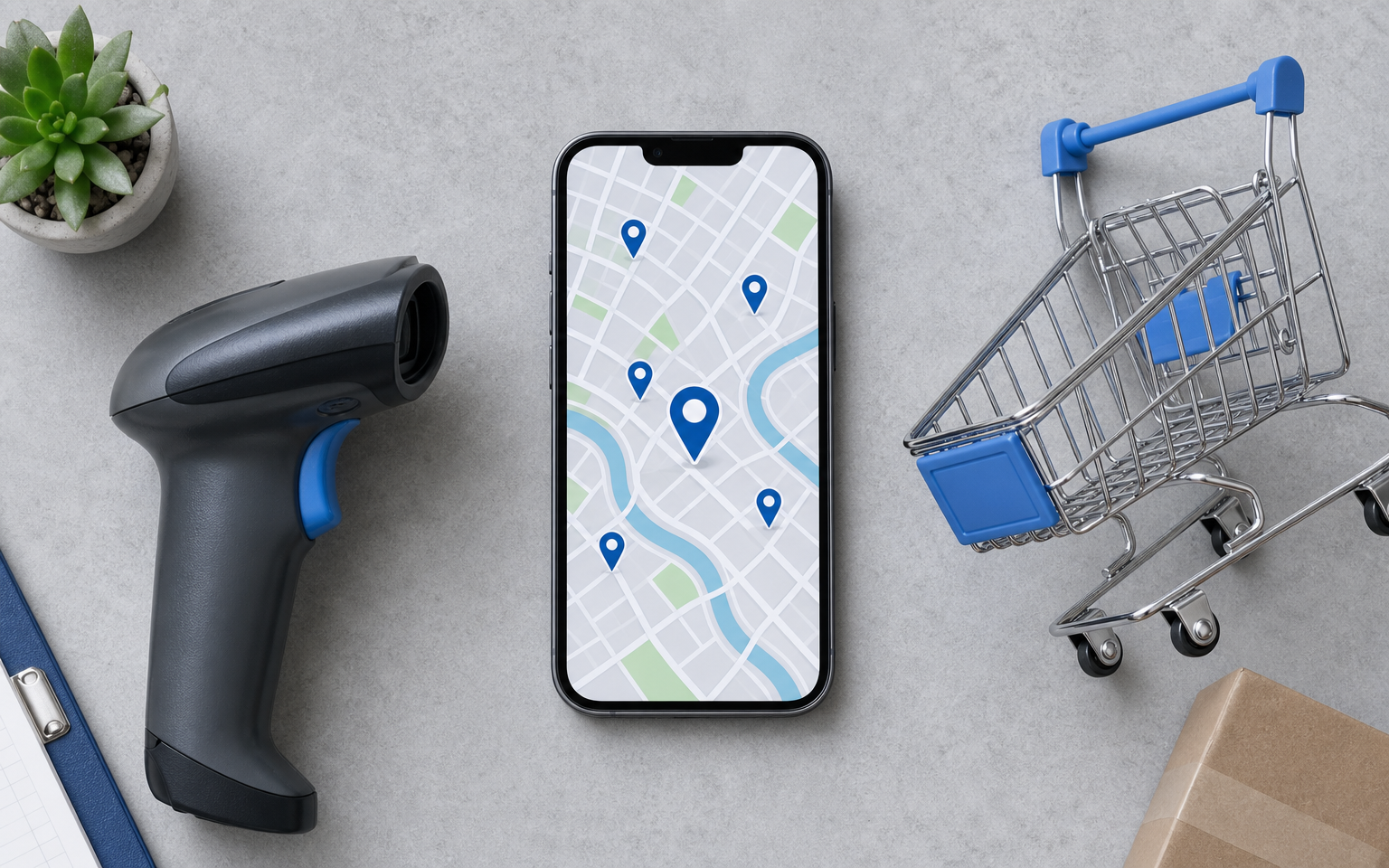
Advanced GEO means mapping real-time inventory down to individual stores using entity-centric local knowledge graphs (see how one fashion retailer gained 380% more citations).
By linking stock availability plus local services via nested schema, LLMs can confidently recommend both your brand and an exact SKU at a named location, this method works equally well for general purchase requests or city-specific prompts.
This approach increases citation rates sharply for queries such as “where can I buy [product] near [city]?” compared to plain store finder pages with little context or dynamic inventory data. Results improve quickly when inventory maps are detailed.
Ecommerce AI Search Optimisation: Platforms Reward Data Quality Above All Else
Your Google Merchant Center feed is now more important than your PDPs if you want products to show inside ChatGPT carousels (as Search Engine Land explains here).
Feeds supply more visible slots than scrapes from pages, and they're picked more often if buyers specify criteria like “best price” or “in stock.” Perplexity's shopping also favours complete data: feeds without up-to-date availability or review info are skipped during comparison (see RankDraft's tactics here).
The fastest way onto these surfaces? Refresh feeds daily; some platforms reduce ranking if timestamps go stale beyond two days. Image discipline has grown critical, platforms prefer four image slots per SKU (main shot plus lifestyle photos), not just one thumbnail per item.
AI Shopping Content Structure: Blending Human Trust With Machine Legibility
The highest-converting content features authentic reviews flagged with recency using schema markup; clear trust signals like badges or verified marks beside CTAs; user-generated photos showing real-world usage directly on the page; targeted objection-handling (“Does this charger work internationally?”); plus Q&A blocks tied tightly to FAQPage markup (see Bazaarvoice's review here).
Together, these give shoppers social proof while letting models verify before recommending any purchase route.
Tuning Ecommerce Content Strategy for Ongoing Success With AI Search Engines
If your retail site still relies on vague descriptions or omits structured fields outside Google minimum requirements, for example material details or fresh review markup. You're already behind stores optimising specifically for LLM retrievals.
Only about one quarter of Shopify stores meet even the baseline standard needed for broad AI inclusion (Naridon's benchmark highlights this gap here).
Brands who move early gain advantage over time because trust signals learned early persist through updates, the earlier you earn citations in recommendations, the harder it becomes for latecomers to dislodge you later.
Sources
eCommerce Content Strategy for AI Search: The 2026 Playbook — rankdraft.io
AI shopping starts with your product feed, not your product page — searchengineland.com