
















Gartner's survey of 646 B2B buyers, fielded between August and September 2025, found that 67% of them now prefer a sales-rep-free purchase, a figure Digital Commerce 360 reported in its coverage of the study.
Any manufacturing digital growth playbook has to start from that number. Most industrial buyers are deep into research, comparing specs and pricing on their own, long before your sales team hears from them.
Forrester's predictions research adds a wrinkle to that story. Only 30% of buyers, in 2025, rated generative AI tools as meaningful during the final stage of a purchase, against 17% who said the same about talking to a product expert.
Buyers still want a person to confirm what the AI told them.
So a manufacturer's site has two jobs now. It has to answer the technical questions an engineer types into a search bar, and it has to make it obvious who to call once that engineer is convinced.
Why Manufacturers Keep Losing Ground in AI Search Results
Search Engine Journal, reporting on Google's benchmark study of 900,000 mobile landing pages across 126 countries, found that 53% of visitors abandon a mobile page that takes longer than three seconds to load.
That data is old. The physics hasn't changed: a slow product catalog page loses the visitor before they ever see the spec sheet.
Speed is only half the problem. An e-commerce and web team that structures product data cleanly, with real specs, part numbers and documentation a crawler can actually parse, gives Google and AI answer engines something to cite.
A spec sheet locked inside a PDF behind a login wall gives them nothing to work with.
If an AI tool can't read your spec sheet, it can't recommend you. Increasingly, it's the AI tool doing the shortlisting before a human ever sees your company's name.
This is where AI and automation work earns its keep beyond chatbots. It means keeping structured data clean and feeding accurate product information into the systems buyers and AI tools actually query, so a quote request doesn't sit in an inbox while a competitor answers in minutes.
What a Manufacturing Digital Growth Playbook Spends On
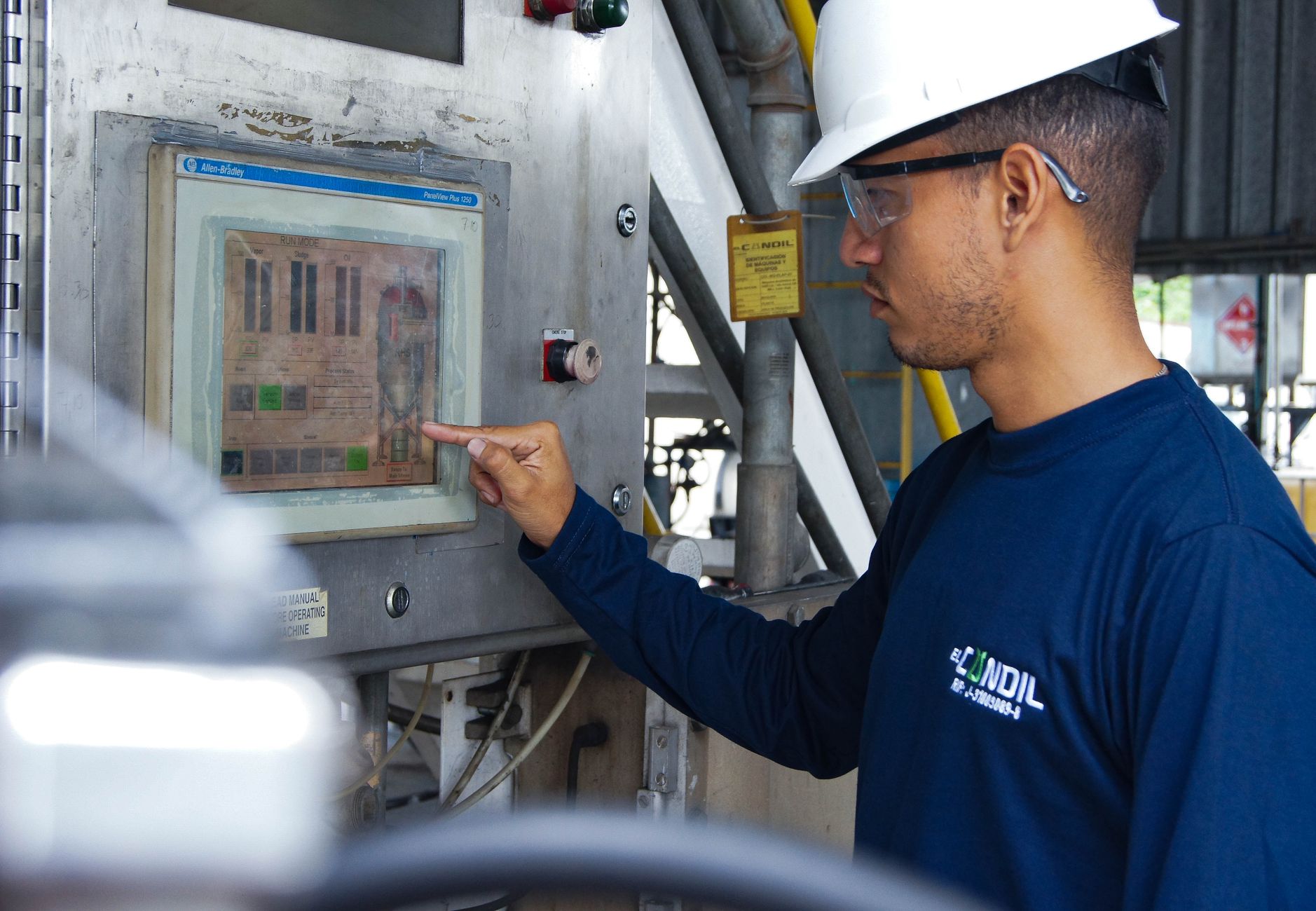
Photo by Visen Group on Pexels
Manufacturers aren't flush with easy budget heading into this. NAM's Q1 2026 outlook survey, as covered by Manufacturing Dive, lists trade uncertainty, rising healthcare costs and raw material prices as the sector's biggest pressures.
Even so, overall sentiment climbed to 75.3% positive this quarter, up 5.4 points from the previous one.
That isn't a budget environment where a manufacturer can afford to guess. Digital marketing and growth work has to be judged the way a capital purchase would: by what it fixes, and how fast.
Content that answers the real questions an engineer asks before submitting an RFQ earns more than another paid campaign chasing clicks from people who were never going to buy.
Start with the pages that already get traffic and quietly lose the visitor anyway: a product page that's too slow, or a quote form that asks for more than it needs to. Our breakdown of manufacturing digital marketing trends covers where budgets are actually shifting this year.
Which manufacturing tasks to automate first is a reasonable next stop once the website stops being the bottleneck.
None of this needs a bigger budget than most manufacturers already have. It needs spending what's there on the parts of the site an engineer actually touches before picking up the phone.