








Only two percent of college presidents rate their institution's response to declining public trust as highly effective, and most call it no better than middling, according to a survey of presidents that Inside Higher Ed published in April 2026 alongside Hanover Research.
That gap runs well below the university level. Schools, tutoring networks and education-technology companies compete for the same wary audience: parents and students who've learned to read past a polished pitch.
Getting an education brand identity right means giving them something sturdier to check against than a slogan.
The Trust Problem Education Brands Are Fighting
The presidents surveyed weren't short on effort. Fifty-one percent said their institution had launched a trust-building initiative in the past year.
But when asked what those initiatives actually involved, more than half of the presidents who answered described stand-alone public relations work: messaging about the value of a degree, high-profile campaigns defending it.
That's a strategy problem more than a communication one. Gallup's tracking shows confidence in higher education climbing to 42 percent in July 2025, still far under the 57 percent who said the same in 2015.
A press release didn't produce that shift. It came from people weighing quality and value against a price tag.
What an Education Brand Identity Actually Does
A logo and a color palette are the easy part. The harder work is whether a family's actual experience on the website and in the classroom matches what the marketing promised.
A study published in the International Journal of Sociologies and Anthropologies Science Reviews in November 2024 surveyed parents choosing among 21 international schools in Chiang Mai, Thailand, and found brand trust was the strongest predictor of which school they picked, ahead of price or location.
Perceived quality came a close second: parents connect a stronger-feeling brand with a better education, whether or not the two actually move together.
The people running school marketing feel that pressure daily. In NAIS's 2024-2025 survey of independent-school marketers, 97 percent said managing brand identity was a core part of the job, more than any other single responsibility the survey asked about.
Building an Identity That Holds Up
None of that works if the identity only lives on the homepage. A brand that survives contact with a skeptical parent tends to share a few traits:
- A visual system that looks the same on the enrollment brochure, the website and the sign out front, not three different attempts at the same idea.
- Messaging that says something specific about the school rather than a general claim any competitor could also make.
- A website and application experience that matches the tone of the marketing, instead of a clunky form or a stock photo of a different campus.
- Visible proof: a real result, a named outcome, rather than an adjective doing the work alone.
That last point is where a lot of education brands fall short. They assert quality without showing it.
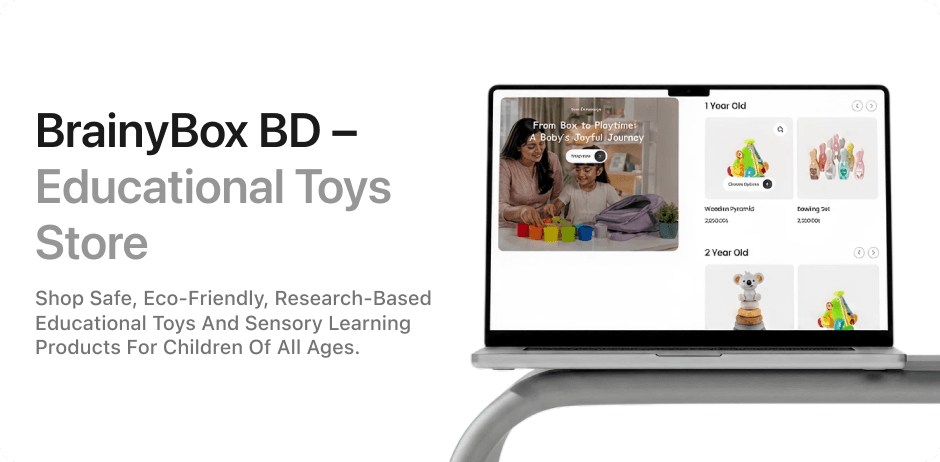
Our case study on designing an eco-friendly educational experience works because it names what was actually built and why, not because it claims the result was good.
Getting the visual and messaging systems consistent is design work, not a slogan-writing exercise. It usually sits with whoever handles a school's creative and UI/UX work, not whoever writes the newsletter.
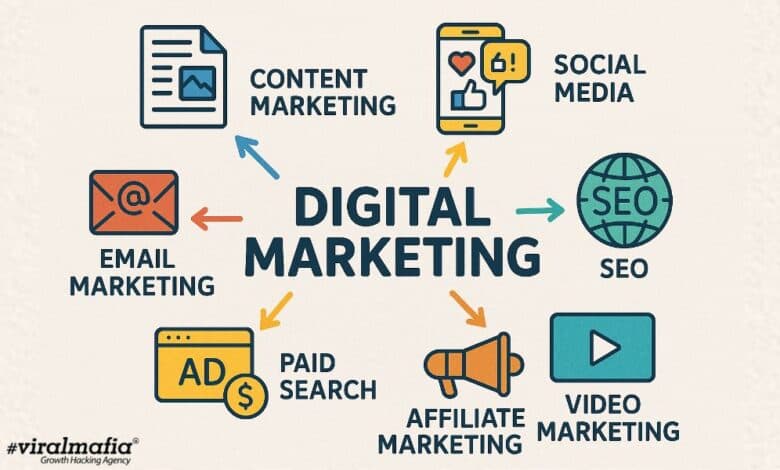
Most families now form their first impression on a screen, so that consistency has to carry into the digital marketing and growth work too, not stop at the logo file.
A family that hears the same specific promise on the website and during the campus tour has less reason to doubt it when the acceptance letter finally arrives.
Treat the brand as something that has to hold up in that many places at once, not as a file that ships once and gets left alone.
Cover photo by Matheus Bertelli on Pexels
Sources
- Presidents Puzzled on Rebuilding Public Trust in Higher Ed — Inside Higher Ed
- U.S. Public Trust in Higher Ed Rises From Recent Low — Gallup