








Home service companies lose more customers to a busy signal than to any competitor down the street. Invoca's home services benchmarks, published in July 2026, found that only 52% of calls to these businesses connect with an actual person.
That number barely moves once you filter out wrong numbers and instant hangups. A homeowner calling a plumber at 9pm on a Saturday, or a roofer the morning after a storm, is used to getting voicemail.
That gap is exactly where home service AI chatbot leads come in: a text or web chat that answers when the phone doesn't.
What a missed call actually costs
Invoca has modeled this out with real numbers, built around a contractor running 5,000 monthly calls from paid search.
At an average $4,500 furnace replacement and a 20% margin, the lost revenue from calls nobody answers runs into the hundreds of thousands of dollars a month once you multiply it across every missed connection.
That's not evenly spread across the industry, either. Answer rates range from 32% to 74% depending on the trade.
How home service calls actually get answered
The picture gets clearer once you break the number down by what counts as a real connection.
| Measure | Share of calls | What it tells you |
|---|---|---|
| All inbound calls answered by a person | 52% | The baseline, including misdials and instant hangups |
| Calls lasting 15+ seconds that connect | 65% | Filters out wrong numbers |
| Calls lasting 30+ seconds that connect | 73% | Closer to a genuine conversation |
Even the best of those numbers still leaves more than a quarter of real callers without a human on the line. That's the pool a chatbot is built to catch, not by replacing the phone but by picking up traffic that never reaches it.
Turning home service AI chatbot leads into booked jobs
Photo by silas tarus on Pexels
ServiceTitan's residential contractor report, published in April 2026, found that 74% of contractors see AI as key to their operations, while barely a quarter are actually using it.
That gap between belief and action is where most of the opportunity still sits.
Invoca's report describes a working setup: an AI agent that can qualify the job, answer routine questions, schedule a callback, or book a visit by text, outside business hours as easily as during them.
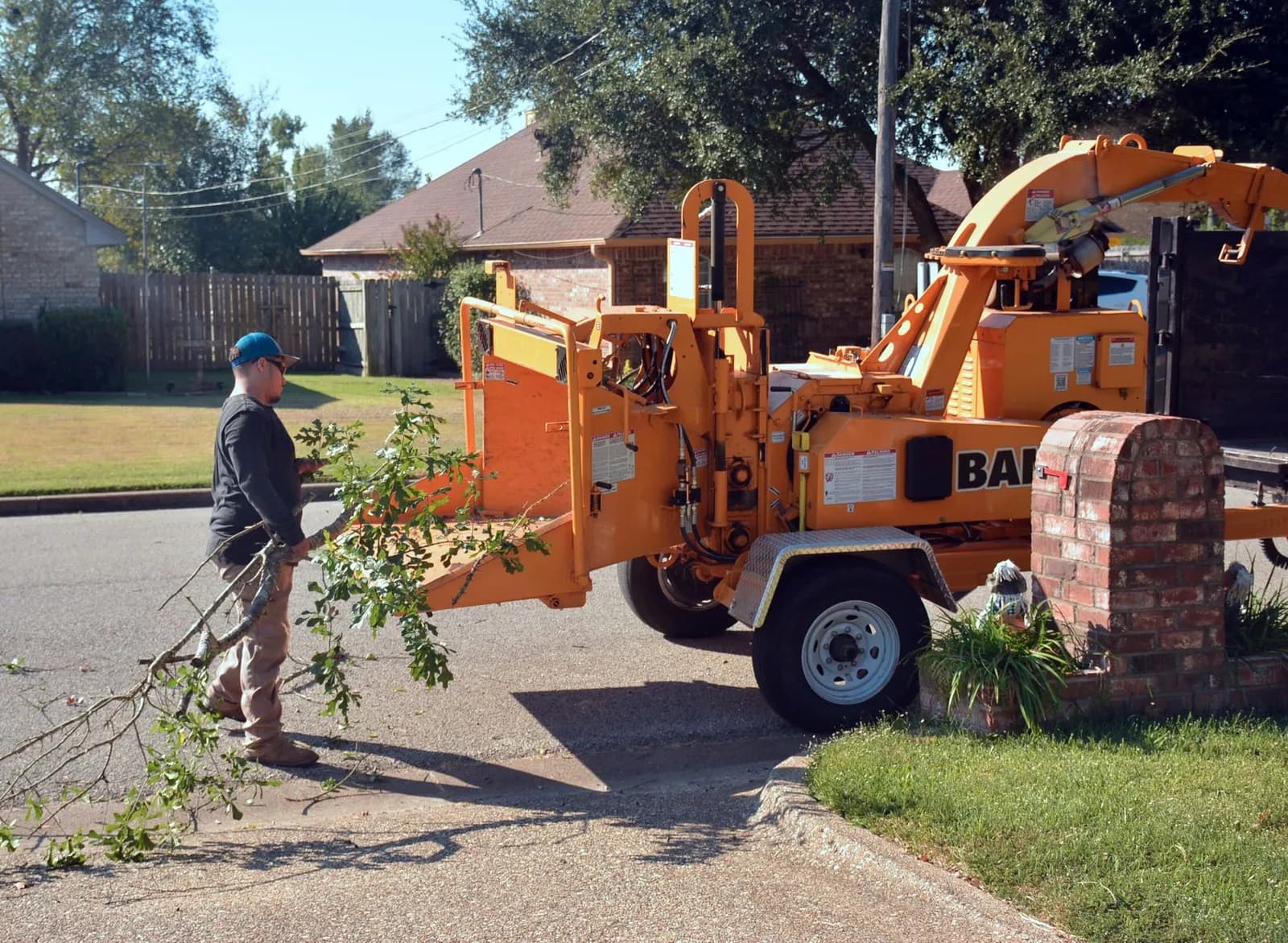
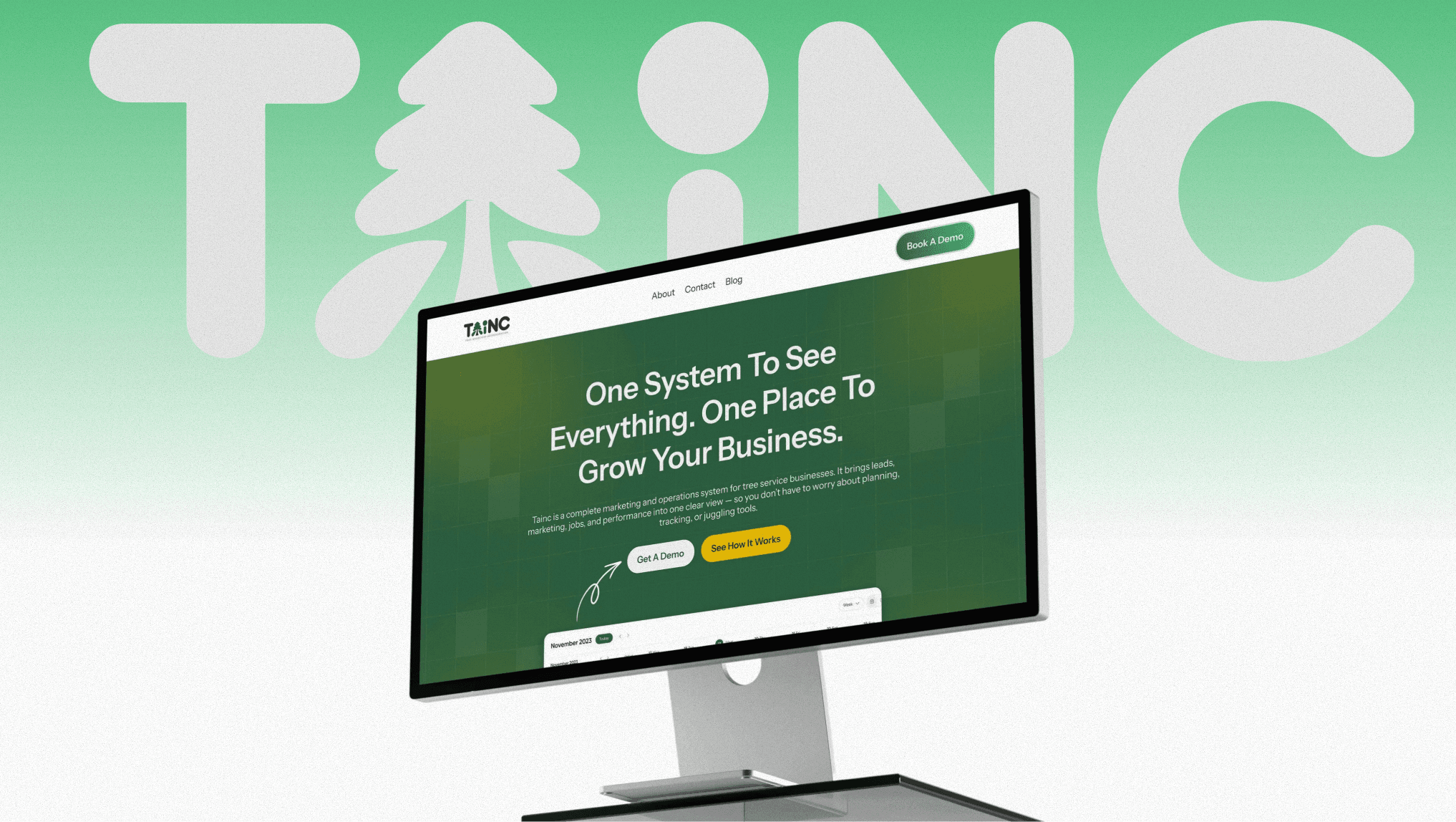
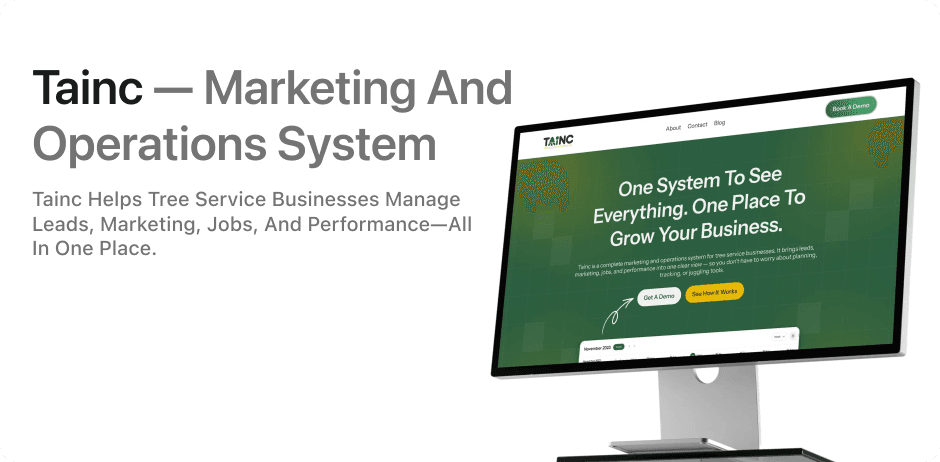
We built something in that shape for a tree service business's growth platform, where the same logic applies: catch the lead the moment it arrives, then route it into a system that actually follows up.
Channel choice matters too. A 2022 survey of more than 1,700 homeowners by Modernize found 46% preferred texting their contractor, against just 8% who wanted to talk.
That preference is older data, but it points at the same behavior the newer call reports are now measuring directly. Homeowners will answer a text thread they'd never pick up a phone for.
A chatbot that qualifies a job at 11pm still needs a real sequence behind it once the conversation ends, the kind we cover in our piece on automating follow-ups without losing the personal touch.
Building that pipeline is AI and automation work, but it only pays off connected to the rest of how a business generates and converts leads, which is digital marketing and growth territory just as much.
Where to start
Start with the after-hours gap, since it's the easiest to measure. Route missed and after-hours calls into a chatbot that can book a callback.
Check a month later how many of those bookings turned into actual jobs on the schedule. If that number is anywhere close to what a live answer would have converted, the case for expanding it into daytime overflow makes itself.
Cover photo by Matheus Bertelli on Pexels