























Three federal deadlines hit healthcare software in 2026, changing what a compliant build has to do before a single screen gets designed. Medicare Advantage plans, Medicaid managed care and marketplace insurers face new prior authorization turnaround rules.
Certified health IT vendors face a mandatory data-standard switch on the same date. A healthcare software development guide written even a year ago will miss both, along with a proposed rewrite of the HIPAA Security Rule still working through federal review.
| Rule | Deadline | What it requires |
|---|---|---|
| CMS-0057-F | Jan. 1, 2026 (turnaround times); Jan. 1, 2027 (APIs) | 72-hour decisions on urgent requests, then FHIR-based Prior Authorization, Patient Access, Provider Access and Payer-to-Payer APIs |
| HTI-1 / USCDI v3 | Jan. 1, 2026 | Certified health IT must use USCDI v3 as its data standard, plus algorithm transparency reporting for AI features |
| HIPAA Security Rule (proposed) | Comment period closed March 2025; final rule pending | Mandatory encryption of ePHI, mandatory multi-factor authentication, 24-hour breach notice from business associates |
Why last year's healthcare software development guide is already out of date
The HIPAA Security Rule has spent two decades letting covered entities decide for themselves which safeguards counted as reasonable. That flexibility is going away.
The Department of Health and Human Services proposed dropping the distinction between "addressable" and "required" safeguards entirely. Arnold & Porter's summary of the proposal spells out what that means: mandatory encryption of health data at rest and in transit, plus multi-factor authentication on every technology asset.
HIPAA compliant software has always meant encrypting data and locking down access, so none of this is new advice. What changes is that a team can no longer treat those controls as optional based on its own risk read. If a build handles patient data, encryption and MFA belong in how the platform gets built from the first sprint, not bolted on before an audit.
FHIR and USCDI v3 decide what your data model has to hold
FHIR, short for Fast Healthcare Interoperability Resources, is the data-exchange standard HL7 publishes for moving clinical information between systems. Built from modular blocks called resources, one for a medication, one for a lab result, it combines into whatever a use case needs instead of one rigid record format.
USCDI v3 is the list of data classes certified health IT has to support, and the Office of the National Coordinator made it the only accepted version this January, adding fields like sexual orientation and social determinants of health that many systems didn't carry before. An older schema means a migration project, not a settings change.
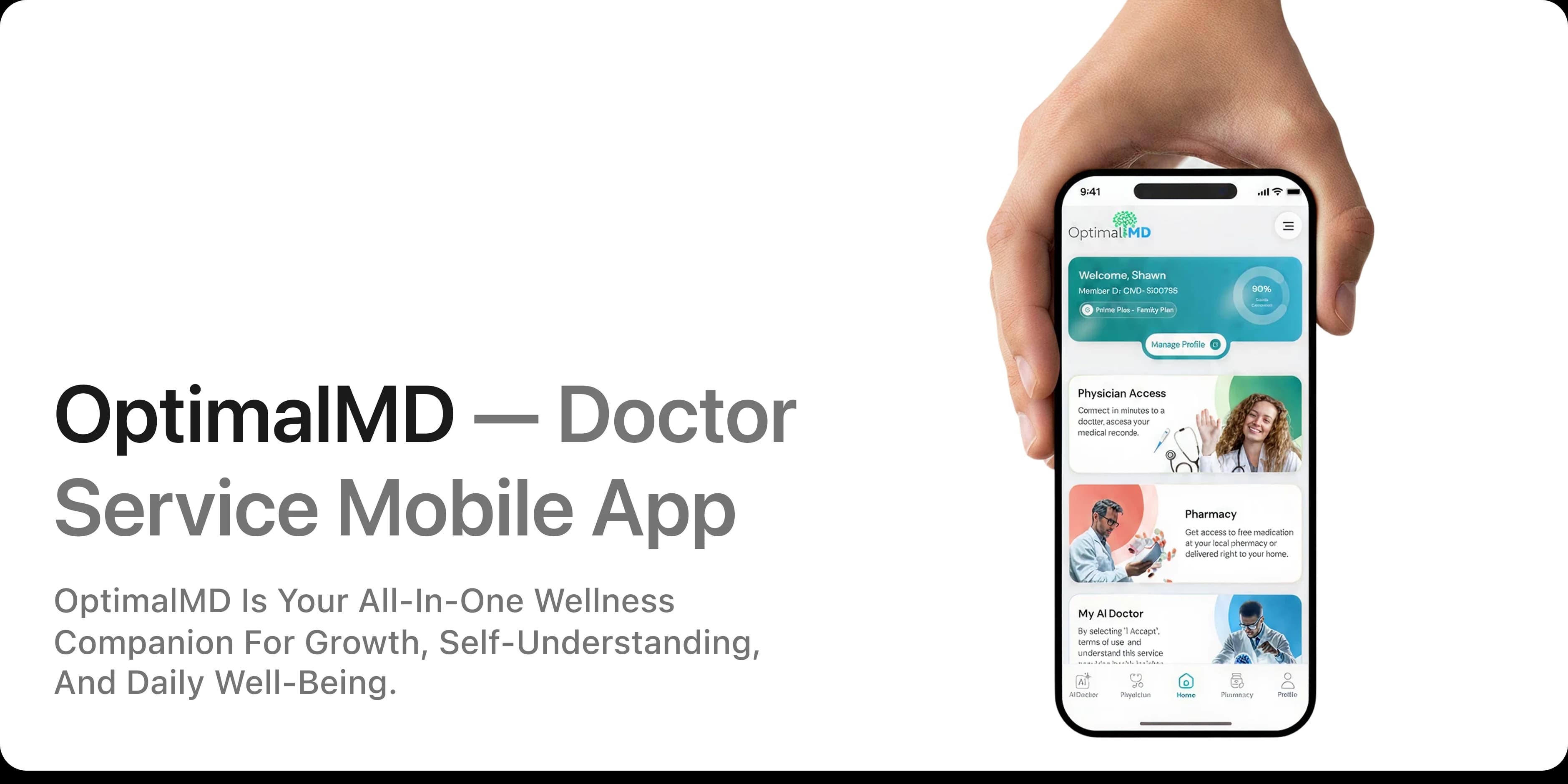
The same rule adds algorithm transparency reporting for any AI feature inside certified health IT, so a build that leans on automated triage or scoring now has to document how the model was validated. That kind of groundwork shaped OptimalMD's accessibility rebuild, where the data model had to fit the platform's real clinical workflow.
Prior authorization APIs change who you're building for

Photo by SHVETS production on Pexels
CMS-0057-F targets a narrower audience than the other two rules: Medicare Advantage, Medicaid managed care and marketplace plans, not every healthcare software buyer. Its operational requirements took effect this January, with urgent decisions due within 72 hours and standard requests taking about a week.
For anyone building payer-facing software, that timeline sets the build order: get the FHIR APIs working against real turnaround requirements before layering on the reporting CMS wants soon after, covering denial rates and average decision times. A dashboard that reports numbers a backend can't actually produce yet is worse than no dashboard.
None of this replaces figuring out what kind of system you're building, whether that's a patient portal or a full EHR module.
That groundwork, along with typical build costs and team structures, is covered in our complete guide to healthcare software development. What's changed since guides like that were written is the regulatory floor underneath them, and that's where the architecture needs to start.
Cover photo by Daniil Komov on Pexels
Sources
- CMS Interoperability and Prior Authorization Final Rule CMS-0057-F — CMS.gov
- HTI-1 Final Rule — HealthIT.gov (ONC)