



















Ask us for our dental practice client FAQ and you'll notice it never opens with color palettes or font choices.
The questions that come first are whether a contact form can get a practice fined, whether the site will draw an accessibility lawsuit, and why a full waiting room hasn't turned into five-star reviews online.
Can Our Contact Form Get Us Fined?
Almost every dental practice site collects something that counts as protected health information: a symptom typed into a message field, an insurance provider named on an intake form, a full name paired with "toothache" in the subject line.
Once a form does that, HIPAA applies to the website the same way it applies to the front desk.
The American Dental Association's guidance on website compliance is specific about what that means. Data collected through the site has to stay encrypted in transit and in storage.
Any third-party form vendor needs a signed business associate agreement, and the practice has to prominently post its HIPAA Notice of Privacy Practices somewhere a visitor will actually find it. A form that just emails submissions straight to the front desk usually fails all three.
We build new practice websites with encrypted form handling and a linked privacy notice from day one, because auditing every page that ever collected a patient's name after launch costs far more than building it correctly the first time.
Will the Site Draw an ADA Lawsuit?
This one now has a real deadline attached. Healthcare organizations that receive federal HHS funding must meet WCAG 2.1 Level AA by May 11, 2026.
Decisions in Dentistry reported that private practices without that funding aren't off the hook either: courts keep ruling on whether a business made a reasonable effort at accessibility, deadline or not.
The fixes are unglamorous rather than expensive: alt text on every image, captions on video, keyboard navigation that doesn't trap a visitor inside the appointment widget, and labeled form fields with color contrast a screen reader can parse.
None of that shows up in a design mockup, which is exactly why it gets skipped.
Our UI/UX team builds these checks into the design pass itself rather than treating them as a punch list bolted on after launch.
The Reviews Question Every Dental Practice Client FAQ Includes

Photo by Jerussa Paredes on Pexels
Patients decide before they ever call. In an October 2023 survey of 1,099 Americans, Dentaly found that 83% rely on online reviews to judge a dentist.
Most of those respondents wouldn't consider a practice with fewer than ten reviews on record, whatever the average rating looked like.
Where patients actually look varies more than most practices assume.
| Platform | Share of patients who check it |
|---|---|
| 85% | |
| Yelp | 37% |
| Healthgrades | 25% |
Ninety-five percent of respondents said a negative review made them think twice.
Yet most dentists never reply to one, according to Dentaly's review of clinic responses.
A reputation and review workflow that flags a bad review the day it lands closes most of that gap on its own.
The practices that convert best treat the form, the accessibility audit, and the review reply process as one project rather than three separate line items.
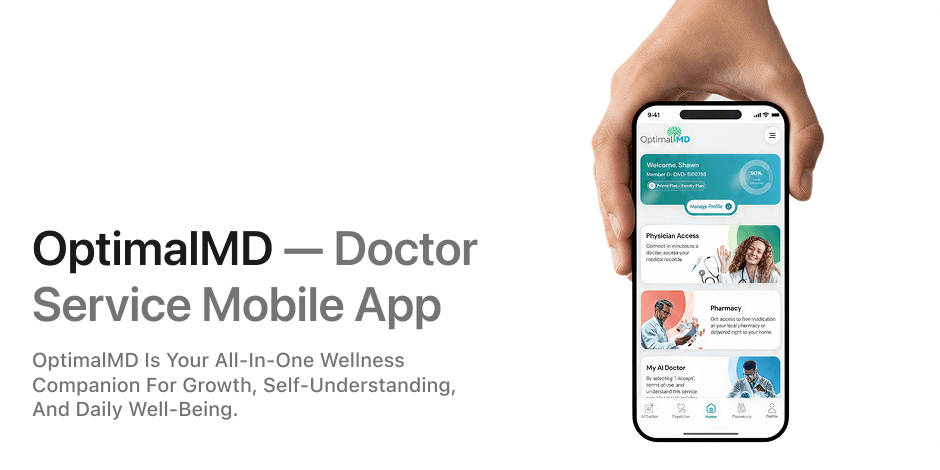
That's the approach behind OptimalMD's rebuild, where accessibility and patient-facing design went into the same project instead of two separate asks a year apart.
Cover photo by Nadezhda Moryak on Pexels
Sources
- HIPAA compliance includes website compliance — ADA News (American Dental Association)
- ADA Website Compliance Is No Longer Optional — Decisions in Dentistry