










Sixty-seven percent of B2B buyers say they'd rather finish a purchase without ever talking to a sales rep, up from 61% a year earlier, according to a Gartner survey of 646 buyers run between August and September 2025.
For a manufacturer selling machinery, parts, or contracted supply, that's the audience a manufacturing digital platform build actually has to serve. Engineers and purchasing managers want live pricing, stock levels, and their own order history without picking up the phone.
Why a Manufacturing Digital Platform Build Looks Different
A retail storefront sells a few hundred products to one kind of shopper. Manufacturers usually have to sell the same catalog at several different prices, depending on whether the buyer is a dealer, a distributor, or an end customer working off a signed contract.
It also has to talk to whatever system already runs the shop floor. Usually that's an ERP that predates the website by a decade.
Deloitte's 2026 Manufacturing Industry Outlook found that 80% of manufacturers plan to put at least a fifth of their improvement budget toward smart manufacturing this year. Most of that spend only pays off if the systems underneath actually connect to what a customer sees on screen.
The same outlook notes that aftermarket parts and service already carry more than double the margin of the equipment itself. That's exactly the part of the business a self-service portal touches first. Our apps and SaaS work usually starts by mapping the ERP connection before a single screen gets designed.
What Buyers Expect Before They Call Anyone
The Gartner survey also found that 45% of buyers used AI tools somewhere in a recent purchase, mostly to shortlist suppliers before a rep ever gets involved. A manufacturer that can't be evaluated online loses that round without knowing it happened.
The payoff shows up in real numbers. Kawasaki Engines USA posted a 500% jump in average order value after investing in its digital ordering channel, tracked by Digital Commerce 360 this year.
Global Industrial saw comparable payoff from similar digital retention work, posting first-quarter sales growth it credited directly to the investment.
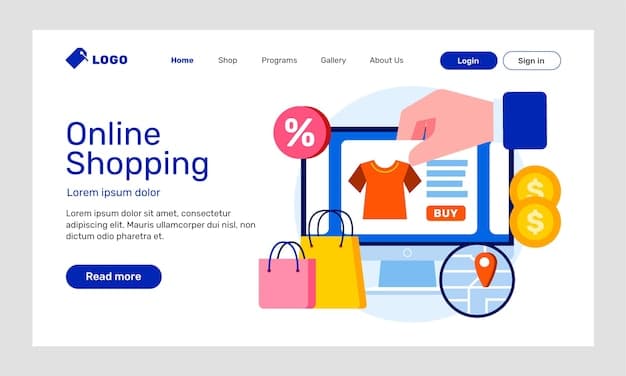
Buyers being able to actually place and track an order themselves drove both results, not a redesigned homepage. That's the ordering layer our web and e-commerce builds are designed around.
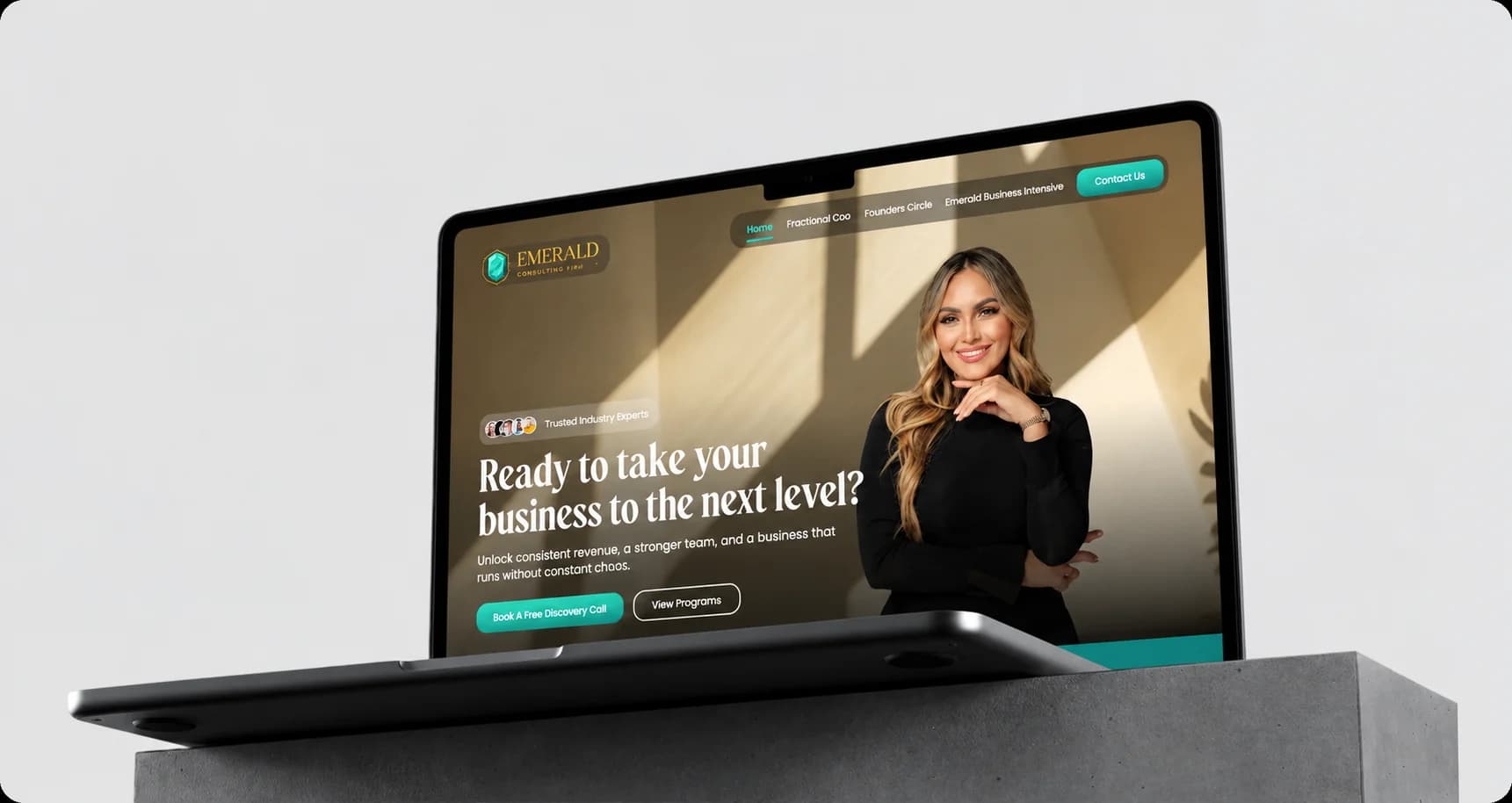
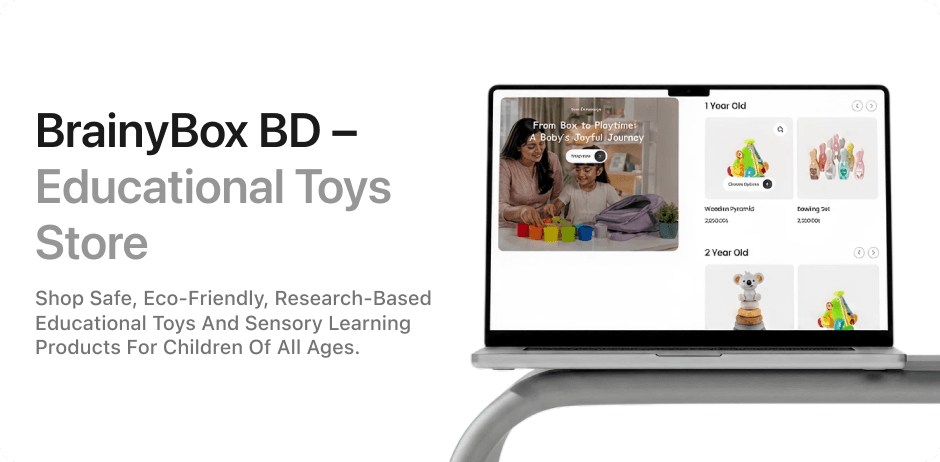
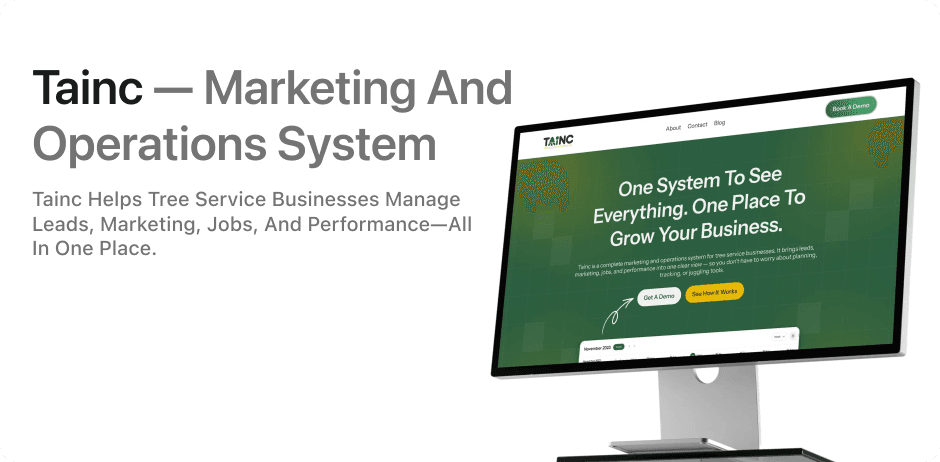
It also takes a portal a buyer can find their way through without a walkthrough call. That's the case for the all-in-one growth platform we built for a service business managing a similar mix of pricing tiers and repeat orders.
Planning a Build That Survives Contact With the ERP
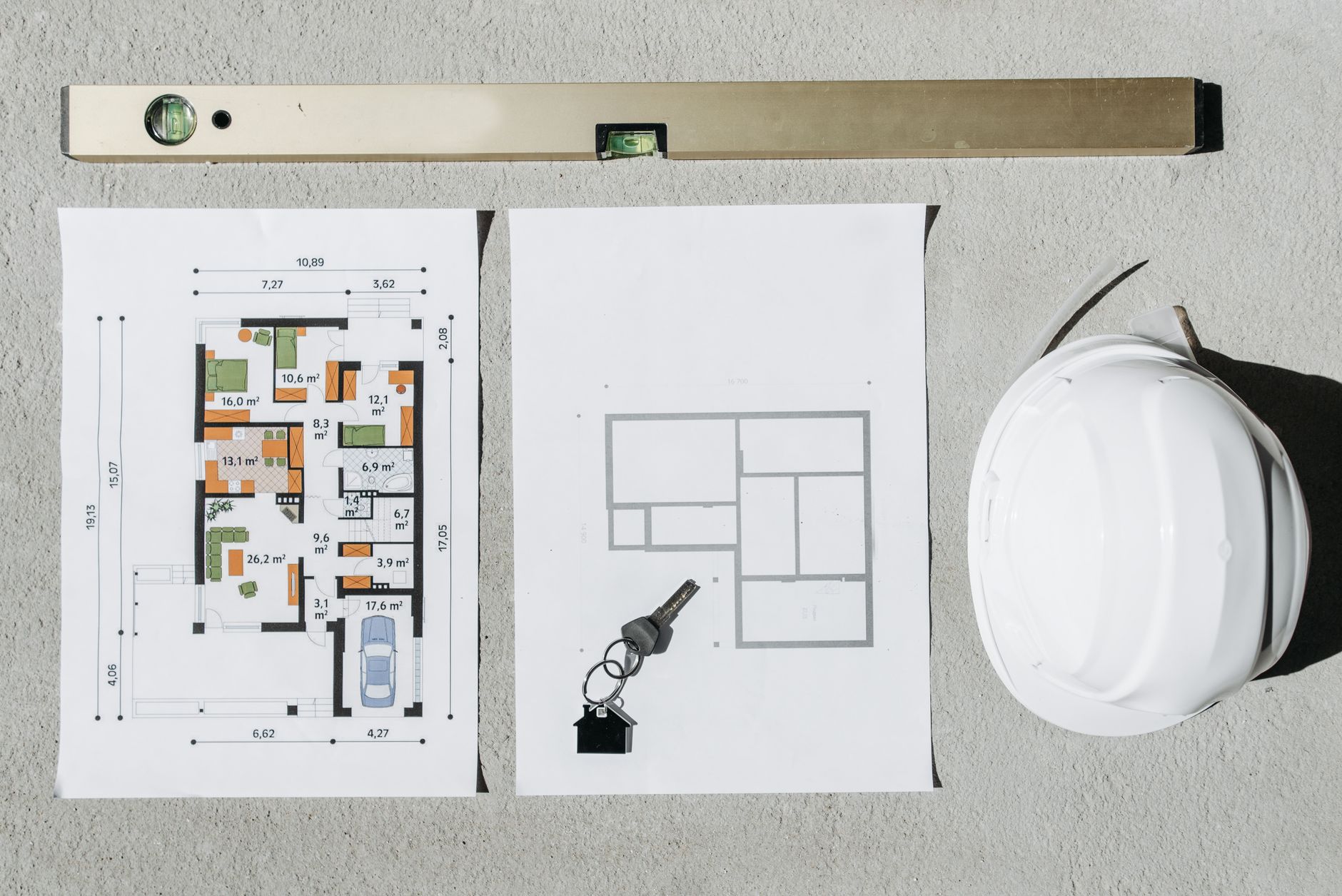
Photo by Pavel Danilyuk on Pexels
Manufacturers aren't flush right now. The National Association of Manufacturers' first-quarter 2026 survey found 75.3% of manufacturers reporting a positive outlook, the first time that figure has topped its historical average since 2023.
Rising healthcare and input costs still ranked as top concerns for small manufacturers specifically, according to Manufacturing Dive's reporting on the survey.
That budget reality argues for a phased build rather than one that tries to launch every feature at once. Start with the ERP connection and a working catalog for your highest-volume buyer tier, not a full rebuild of every price list on day one.
Get the ordering and reorder flow solid before layering in AI-assisted quoting. Lean on UI/UX work that's tested with actual buyers rather than assumed from a mockup, since a confusing portal just pushes people back to the phone it was built to replace.
The manufacturers seeing real returns are the ones where the ordering process finally matches how a buyer already works, with automation handling the repetitive quoting instead of a person doing it by hand.
Sources
- Gartner: Two-thirds of B2B buyers prefer rep-free purchasing as AI reshapes sales — Digital Commerce 360
- 2026 Manufacturing Industry Outlook — Deloitte