













A home service content strategy built around blog posts and hope doesn't survive contact with how people actually search anymore. Search Engine Journal reported on July 22, 2026 that Whitespark's research found AI Overviews now appear for 68% of local business-type queries.
For a homeowner typing "average cost of ac repair near me," there's a real chance Google answers the question before they ever click through to a website.
Ranking a page is no longer enough on its own. Content also needs to be citable: specific enough, and current enough, that an AI system pulls it into the answer it hands someone else.
Whitespark's data, as reported by Search Engine Journal, found that queries mixing a question with a location trigger AI Overviews even more often than simple informational ones.
Building a home service content strategy around AI Overviews
Google's own guidance on creating helpful content asks a blunt question before anything else: would an audience find this page useful if they landed on it directly, without search sending them there?
Content written mainly to attract search visits, rather than answer a real question, is exactly what Google says its systems are built to filter out.
For a home service business, that means a page answering "why is my furnace making a banging noise" has to actually answer it, with the kind of detail that comes from having diagnosed the problem.
A rewritten list scraped from five competitors' blogs doesn't clear that bar, and increasingly it doesn't get cited either.
Service pages still do the heaviest lifting
One page per job, not one page trying to cover twelve trades. A furnace repair page and an AC installation page each need their own space to answer the specific questions a homeowner has about that job, with pricing context and photos from real work.
Reviews carry more weight than the blog post itself
BrightLocal's Local Consumer Review Survey, published February 11, 2026 from a panel of 1,002 US adults, found that 97% of consumers read reviews before choosing a local business.
The bar has moved, too. Where 55% of consumers wanted a minimum of four stars a year earlier, 68% do now.
Review responses count as content in their own right, and a slow or templated reply reads as badly to a homeowner as a thin blog post does to Google.
What to prioritize with limited time

Most home service teams don't have a content department. A handful of things earn their place ahead of everything else:
- Service pages built one job at a time, each answering its own specific questions
- A Google Business Profile kept current with real photos and posts, since it's a primary source AI systems pull local answers from
- Review responses written by someone who actually knows the job, not a template
- A small number of genuinely useful troubleshooting pages tied to the highest-margin jobs
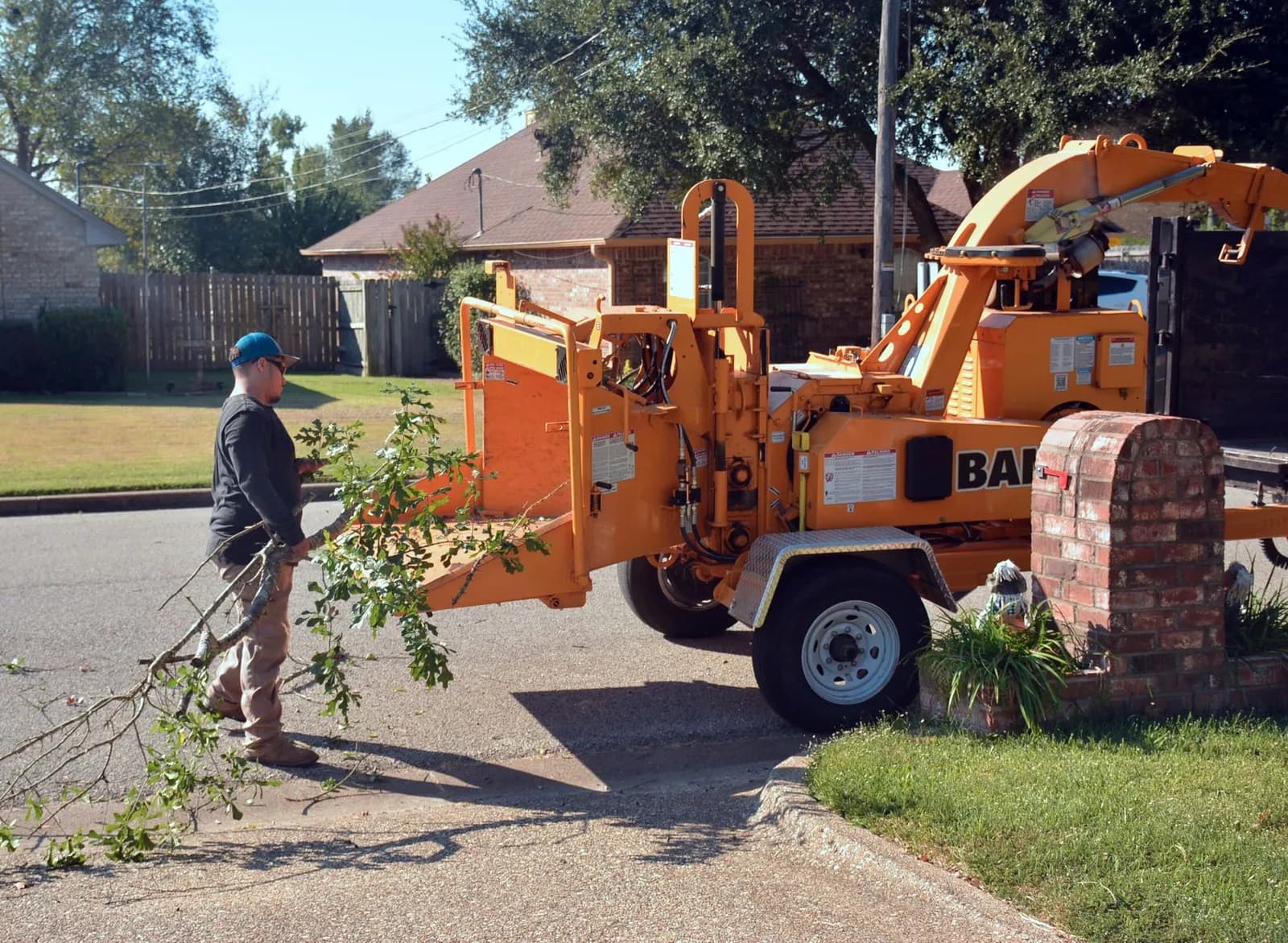
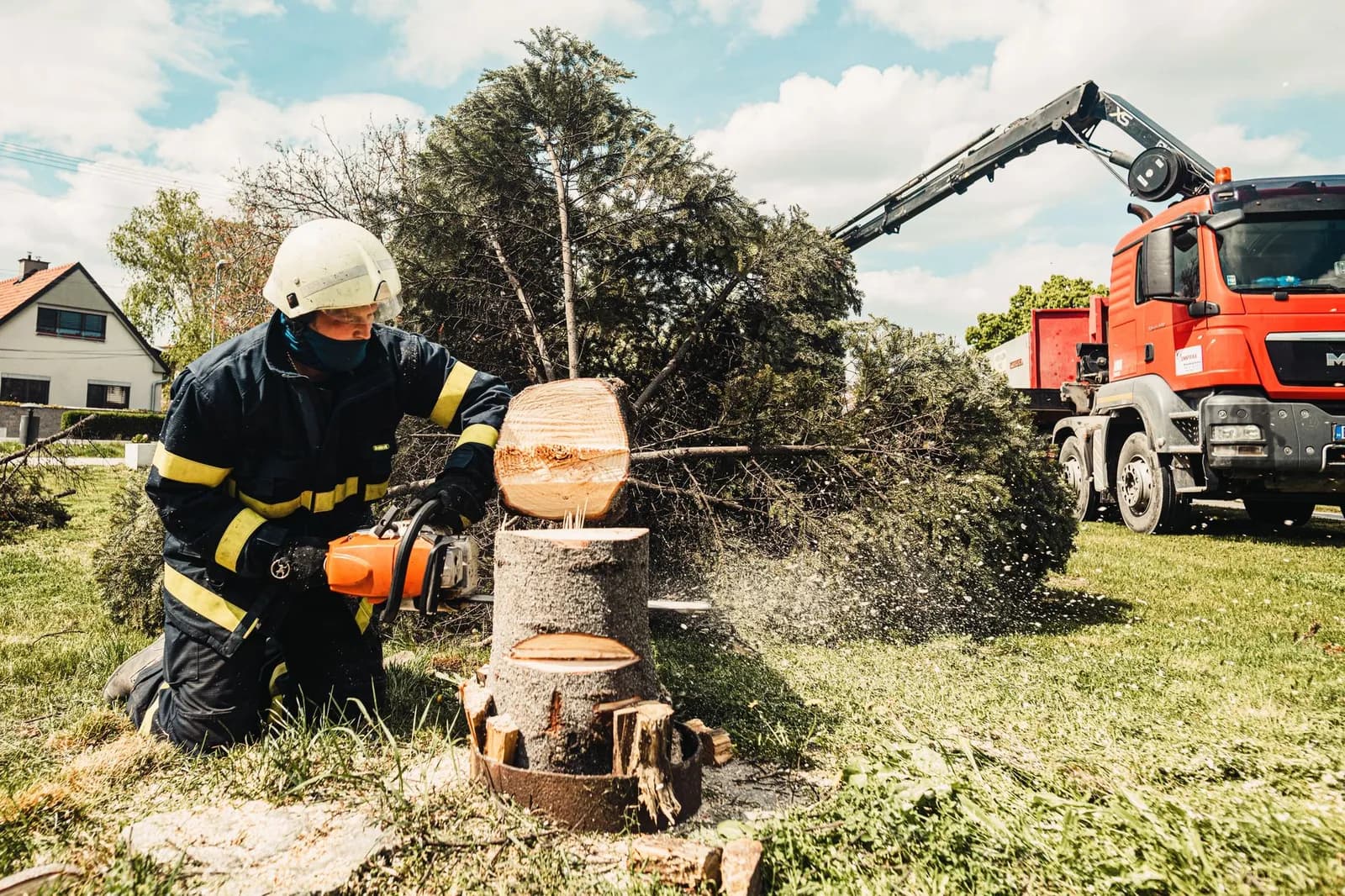
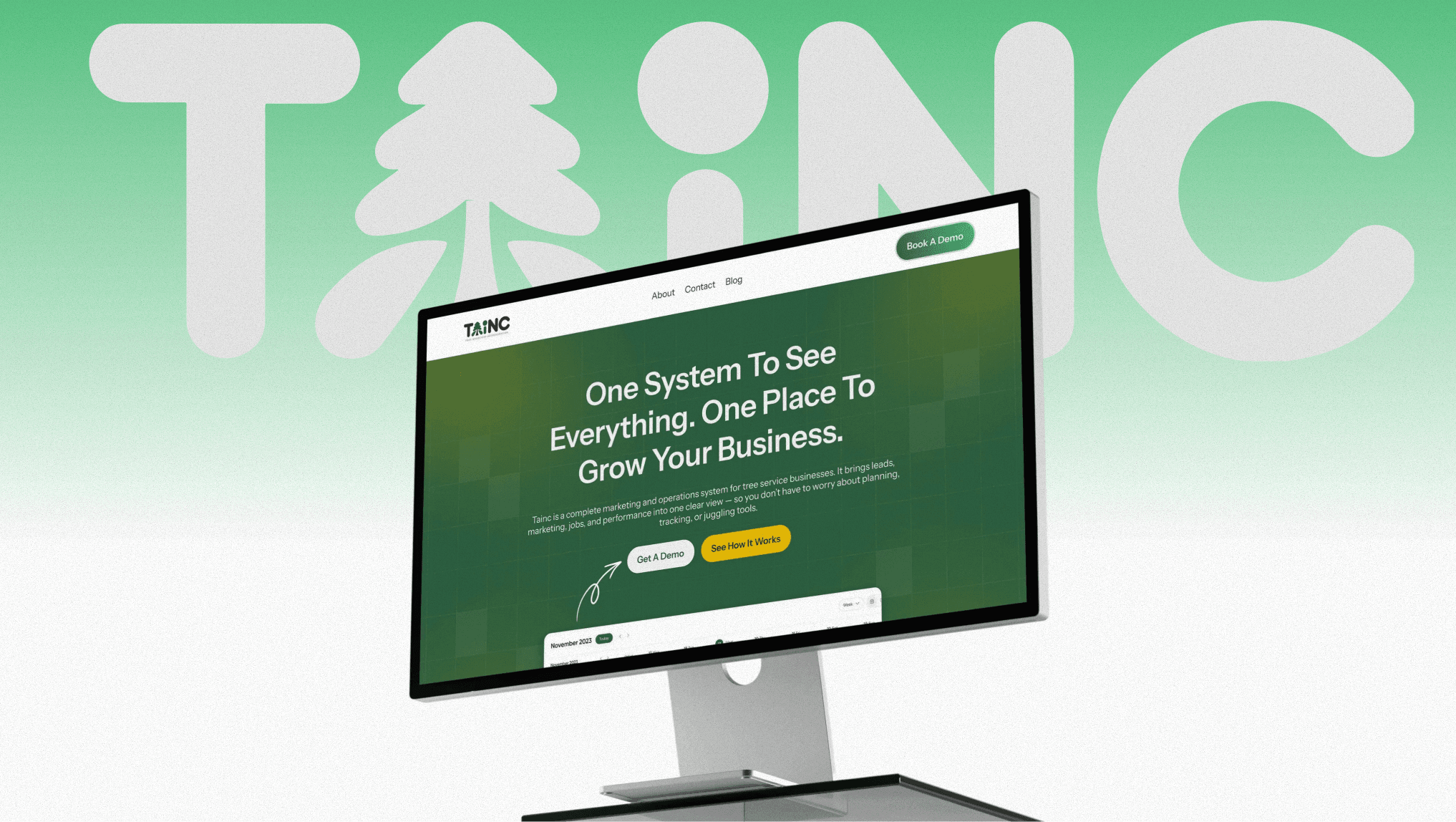
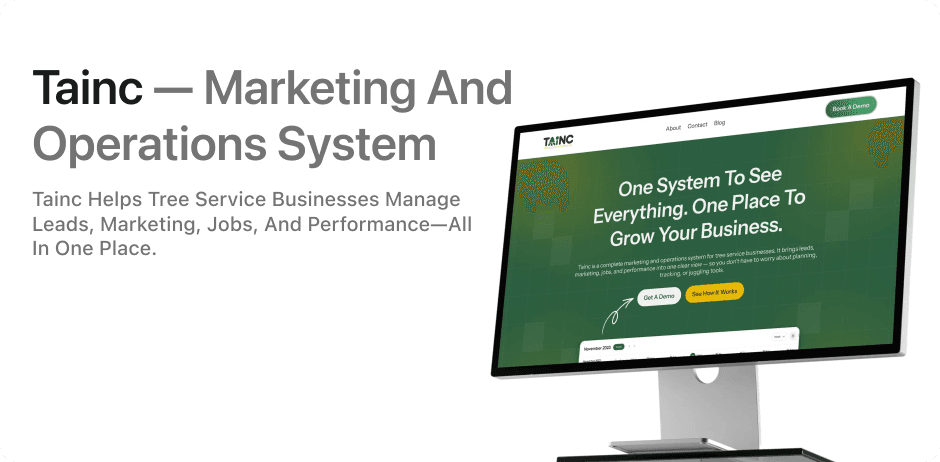
We built this kind of structure for a tree service client, connecting service area pages, review capture and scheduling into one system instead of a blog bolted onto an old website. The all-in-one growth platform for tree service businesses shows what that looked like in practice.
Independent operators are already finding ways to compete with national franchises on visibility rather than ad spend, and once the basics above are in place, it's worth reading what generative engine optimization changes about a service page specifically.
Treating content, reviews and local SEO as one connected system rather than three separate to-do lists is the harder path. It's also the one that shows up in an AI-generated answer instead of getting summarized out of it.
That's the core of what our digital marketing and growth team builds for home service clients, and it starts with the service pages and the review inbox, not a content calendar.
Cover photo by Darlene Alderson on Pexels
Sources
- AI Overviews Now Answer Most Local Searches – How To Get Your Business Cited — Search Engine Journal
- Local Consumer Review Survey 2026 — BrightLocal