







Most companies answer online enquiries too slowly. That was the finding of a Harvard Business Review study by James Oldroyd, Kristina McElheran and David Elkington, and it's the first gap that CRM lead nurturing automation closes.
At 2 a.m. or on a Sunday, a workflow replies in seconds, which no sales rep can match. Everything after that first reply comes down to two questions: what does the CRM send next, and when does it stop?
What lead nurturing automation does inside a CRM
It moves a new lead through a set of timed messages and tasks, triggered by what the lead does, until they book, buy or go quiet. Because the CRM holds the lead's record, every step can check history: did they open the last email, submit the form, reply? Without that record you're running a mail merge, not nurturing.
Zendesk's lead nurturing guide gives three plain examples of triggers. A contact form submission adds the lead to a segmented list and starts a campaign sequence. A cart abandonment starts an email series with a coupon. And a re-engagement email goes to inactive subscribers after 45 days of silence.
Each one is the same shape: an event, a delay, a message, a check.
Why the effort pays back
Follow-up is where deals are won or lost, and a human team forgets, gets busy and takes weekends off. A workflow doesn't.
HubSpot's roundup of lead nurturing statistics credits the Annuitas Group with the finding that nurtured leads make 47% larger purchases than non-nurtured ones. The same roundup relays Forrester's claim that companies excelling at nurturing produce more sales-ready leads at lower cost.
Those are secondhand figures compiled by a CRM vendor, so read them as direction rather than a forecast for your own pipeline.
Build the instant-reply workflow first
Start with one workflow that answers every new enquiry within minutes and tells the lead exactly what happens next. If you only ever build one automation, make it this one, because speed is the part a person can't do reliably.
- Trigger. A form submission, a booking-page visit or a tag added to the contact starts the workflow.
- Send an immediate email or text that names one next step, such as booking a call, rather than three options.
- Wait a set period, long enough that the lead has had a real chance to respond.
- Branch on behaviour: has the lead replied, clicked or booked?
- If yes, remove them from the sequence and create a task for a person. If no, send a second, different message.
Step five is where most home-built sequences fail. A lead who has already spoken to your team and then gets another "just checking in" email decides quickly what your company is like to work with.
Score leads so the right people get the calls
Lead scoring turns a pile of contacts into a ranked list. Zendesk's guide suggests building the model from a handful of inputs, and says sales and marketing should agree the criteria together:
- Demographics or firmographics
- Budget capacity
- Interest level
- Activity and behavioural patterns
- Current buying stage
In practice, behaviour should carry the most weight, since a lead who opens three emails and revisits your pricing page is telling you more than any job title can. Set a threshold, and when a score crosses it, the CRM creates a call task instead of sending another email.
Be wary of building a fifteen-factor model on day one. A simple score you trust and adjust beats a clever one nobody understands.
Segment before you write the emails
A sequence written for everyone lands with no one. Split leads by where they are in the buying process and by what they asked for, then write a short track for each.
Someone who requested a quote needs a different second message from someone who downloaded a guide. Industry changes the tracks too: our piece on email marketing for real estate lead nurturing shows how one sector shapes its sequences.
Write fewer, better messages per segment. Three well-aimed emails outperform a ten-step sequence that repeats itself.
Which channel carries which message

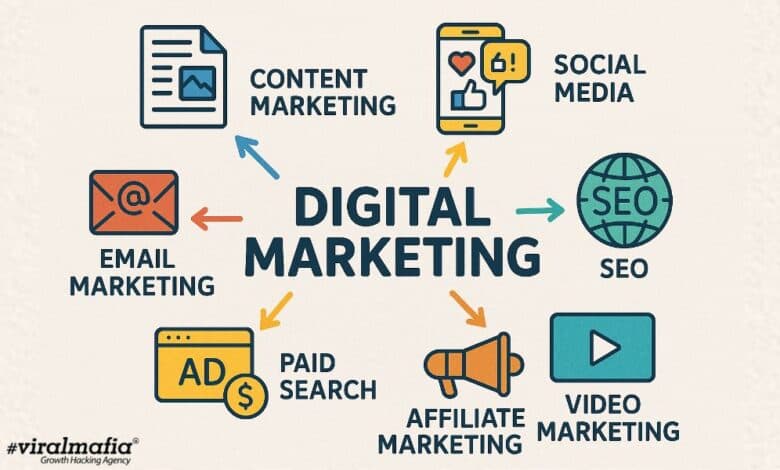
Photo by Donald Tong on Pexels
Use email for the slower, content-led steps and text for short confirmations and nudges. Reserve phone calls for leads whose score says they're ready.
Mixing channels also protects you from the dead inbox. A lead who ignores two emails may answer a text, and the workflow can switch channel after a quiet period without anyone remembering to do it.
What this looked like when we built it for tree service businesses
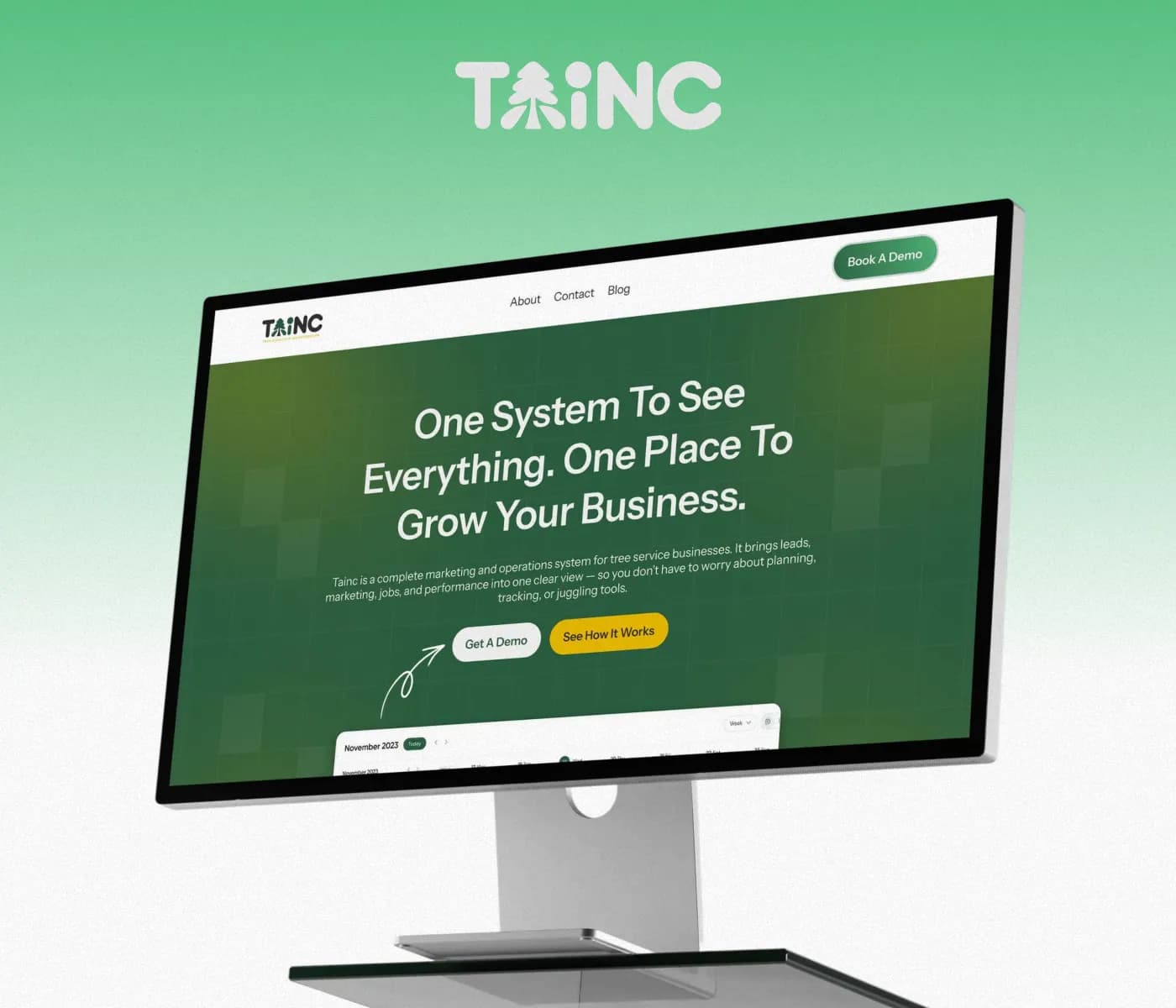
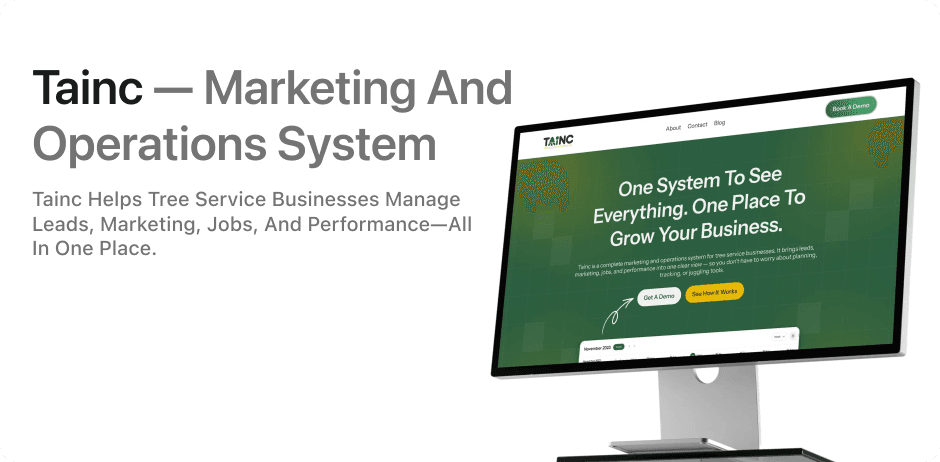
When we built the TAINC platform for tree service businesses, two of the problems it targeted were leads lost to slow manual response and no automated follow-up system. We designed and built it end to end, and it puts lead capture, crew scheduling, AI-assisted proposals and billing in one dashboard.
The lesson carries beyond tree care: follow-up automation works best when it's wired into the rest of the sales process, so the lead, the proposal and the invoice all live in one record.
Keeping the sequences from going stale
Automation rots quietly. Offers expire, a team member leaves, a price changes, and the workflow keeps sending the old version to every new lead.
Put a review on the calendar. Once a month, read the actual messages a new lead receives, in order, as if you'd just filled in your own form. Check that every link works, every claim is still true and the person named in the signature still works there.
Then look at where leads drop out. If most go quiet after the second message, rewrite the second message before touching anything else. And if the same objection keeps appearing in replies, answer it earlier in the sequence.
Handing leads to a person deserves the same attention. A task that sits unassigned wastes the speed the automation bought, so give every call task an owner and a due time.
Where to build it
Build it in the CRM you already use. Switching platforms for the sake of nurturing delays the benefit by months, and a modest workflow running today beats a perfect one planned for next quarter.
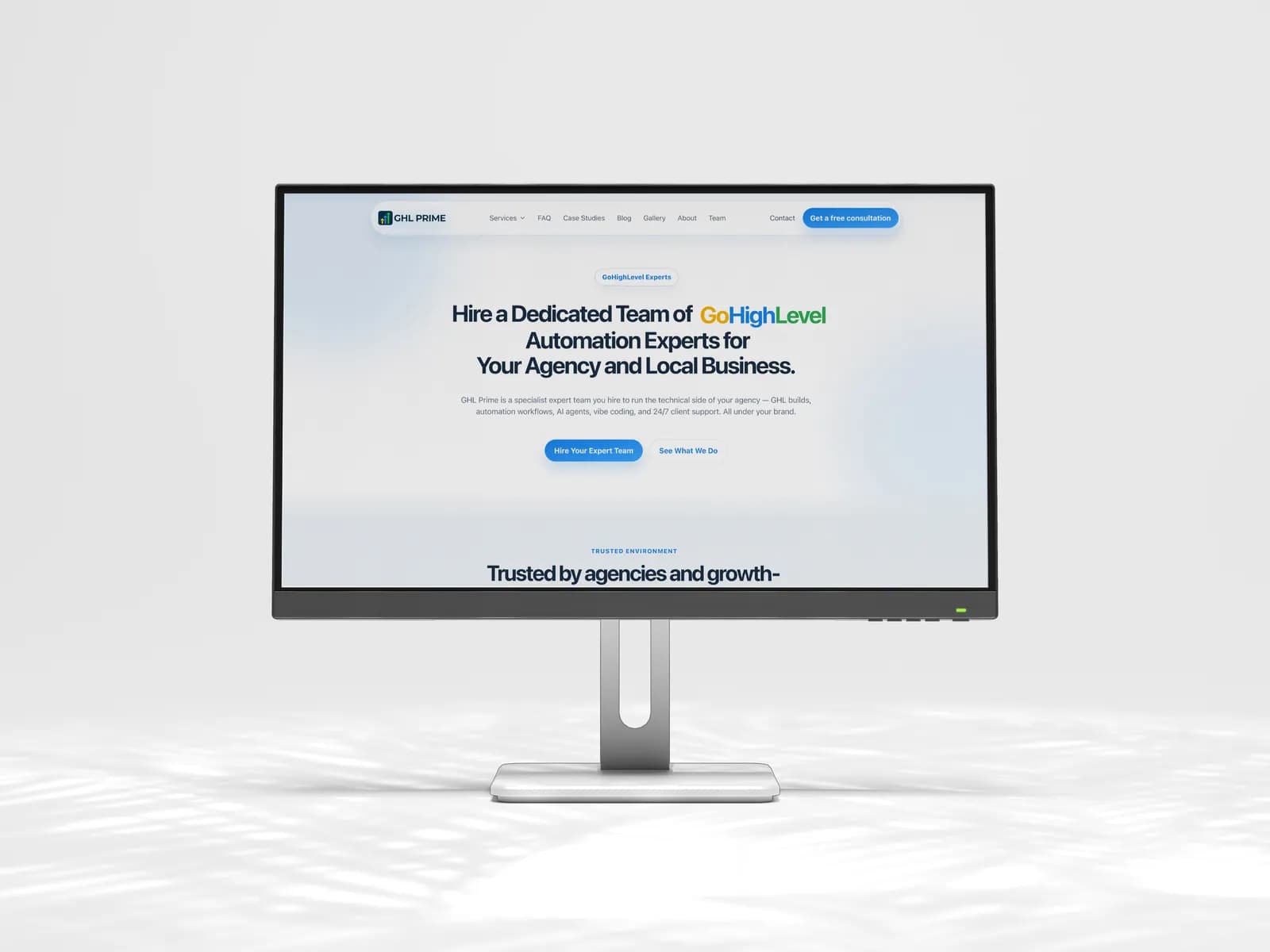
If you're on GoHighLevel, our posts on AI automation and CRM in GoHighLevel and on GoHighLevel CRM setup for small businesses cover what to expect. For connecting a CRM to the rest of your tools, our AI and automation service is where we do that work.
Once the instant-reply workflow is live, check a week later which leads never got a response and why. That list tells you which branch to build next.
Frequently asked questions
How is lead nurturing different from a basic email drip?
A drip sends the same messages on a timer whatever the lead does. Nurturing automation branches on behaviour, so a reply, a booking or a rising score changes what happens next.
When should an automated sequence stop?
As soon as the lead replies, books or buys. Remove them from the sequence and create a task for a person, so they don't keep receiving automated messages after speaking to your team.
Do I need a separate tool for lead scoring?
Not necessarily. Scoring is a set of rules that add points for behaviour, and most CRM workflow builders can apply them. Start with a few rules in the CRM you have.
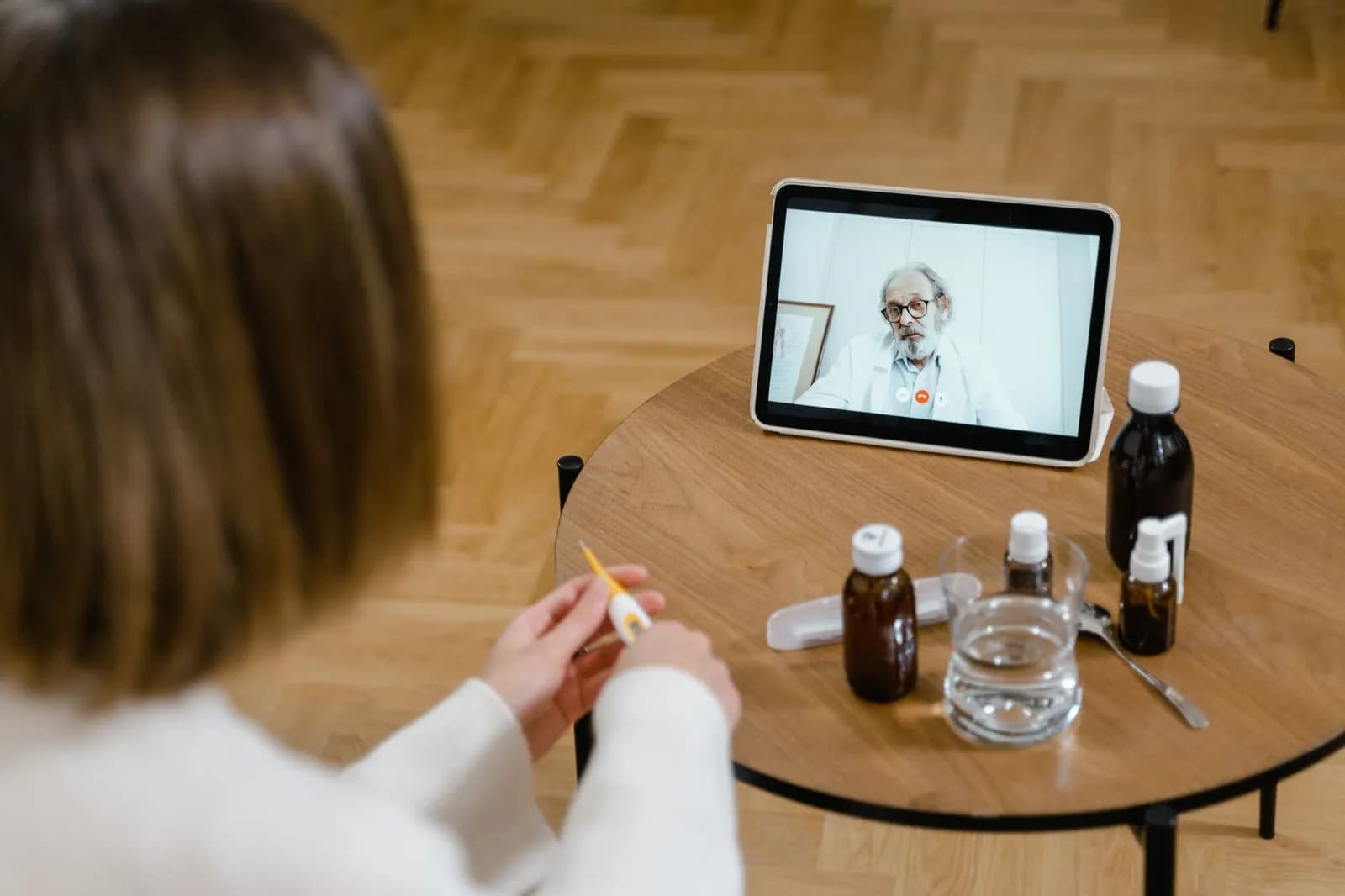
Cover photo by MART PRODUCTION on Pexels
Sources
- The Short Life of Online Sales Leads — BYU ScholarsArchive
- The ultimate lead nurturing guide — Zendesk