












Two of the largest listing platforms spent early 2026 locking up inventory that used to reach every agent equally. Zillow's Preview program now carries pre-market listings from dozens of brokerages before a home ever reaches the MLS. Neither portal built these deals to help the agent standing outside the network.
In February, Compass struck a three-year alliance with Rocket and Redfin to push exclusive listings onto a single site. That leaves smaller shops outside both deals asking a blunt question: can real estate compete online when two portals just absorbed the most valuable inventory before it ever reached public search?
What the Portal Consolidation Actually Changed
Zillow says 70% of buyers start their home search on its platforms, which is exactly what Preview is built to protect. More brokerages kept joining through the spring, drawn by the promise of reaching buyers before a listing goes live anywhere else.
Compass took a different route soon after, agreeing to put its listings on Redfin before those "Coming Soon" homes ever pick up days-on-market history.
Its leadership described the deal as giving sellers "increased exposure to 60 million potential buyers" through several affiliated brands, among them Coldwell Banker, Corcoran and Sotheby's International Realty.
An outside agent selling comparable inventory is left competing for a much smaller audience, at least on that particular page.
How Local Real Estate Compete Online Without a Portal Deal
None of that consolidation touches what a buyer does before ever calling an agent. Just over half of consumers, 54%, now visit a business's own website after reading a positive review, up from 32% in 2019, according to BrightLocal's 2026 consumer review survey.
That's a website the portals don't control. It's a search result their algorithm changes can't quietly bury.
Star ratings carry more weight than they used to as well. Buyers increasingly filter out anything under four stars before they'll even click through. A thin or stale review profile costs a click long before a listing ever gets compared to a national brand's.
A brokerage that owns a fast, well-built site and keeps its Google Business Profile current isn't renting its visibility from Zillow's Preview list or a brand network built by someone else's merger. It's a channel nobody can renegotiate out from under you in next year's partnership announcement.
Build the Presence a Portal Deal Can't Take Away

Photo by MART PRODUCTION on Pexels
Start with the site itself. A slow template that a buyer abandons on their phone loses the rankings that ongoing local search work is built to win, no matter how many reviews sit underneath it. The two have to work together.
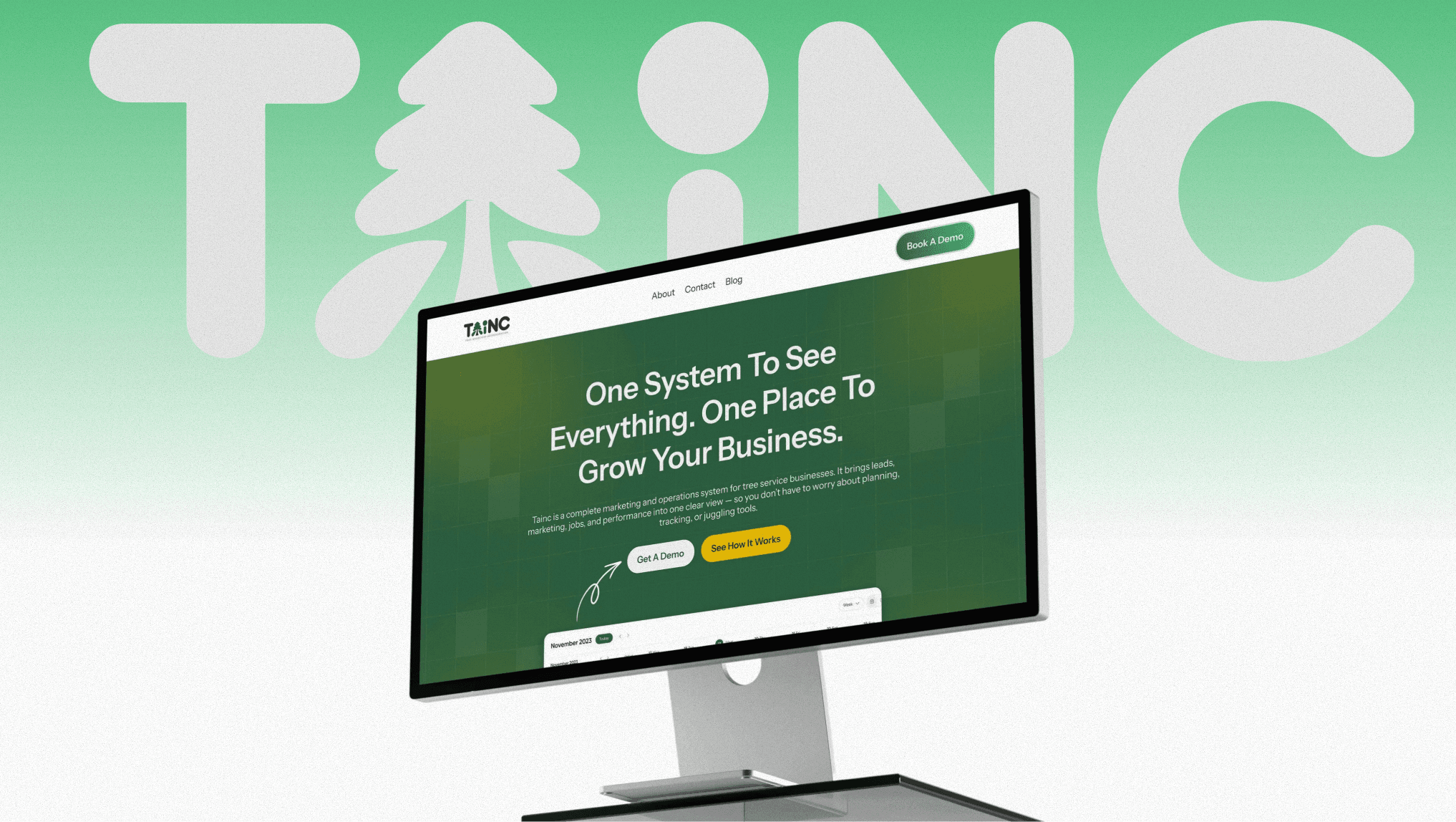
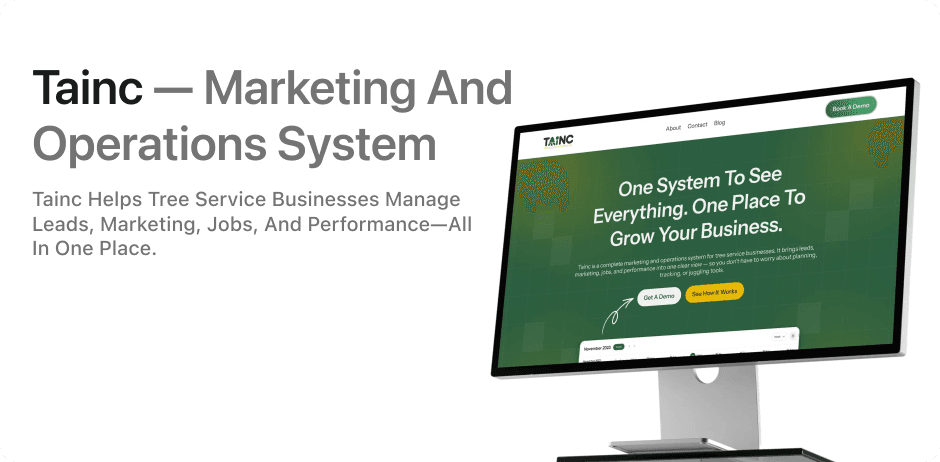
The same pattern shows up outside real estate. When we built the growth platform for tree service businesses, the win wasn't beating a national directory at its own game.
It was giving a local business a site and a booking flow good enough that customers stopped needing the directory at all.
A site built for that job does the same work for a brokerage. It turns a visitor who found you through a review into a lead you keep, not one a portal resells to three other agents.
Home service and real estate businesses compete on the same ground, which is why the groundwork behind a usable local-service website applies just as directly to a brokerage site. Neither one wins by out-listing Zillow. Both win by being the page a buyer already trusts enough to call.
Cover photo by Michael Tuszynski on Pexels