






Google's own share of review traffic slid from 83% to 71% in a single year, according to BrightLocal's 2026 local consumer review survey. A home service digital growth playbook built only around Google rankings is already chasing yesterday's map.
The same survey found something bigger underneath that number. AI tools like ChatGPT went from a niche habit to a genuine discovery channel in twelve months, moving ahead of Yelp for how people check on a local business before hiring one.
Star ratings got pickier too. Sixty-eight percent of consumers now want at least four stars before they'll even consider a business, up from 55% the year before.
One bad month of reviews can knock a plumbing or HVAC company out of consideration before a homeowner ever dials the phone.
Where the Home Service Digital Growth Playbook Starts Now
Showing up now means something different than it did two years ago. Ranking on Google Maps still counts, but a homeowner asking ChatGPT for a reliable electrician nearby is reading a summary stitched together from review text, not a paid placement.
Landing well in that summary depends on the same raw material that used to just move the Maps needle: specific, recent reviews that name the actual job.
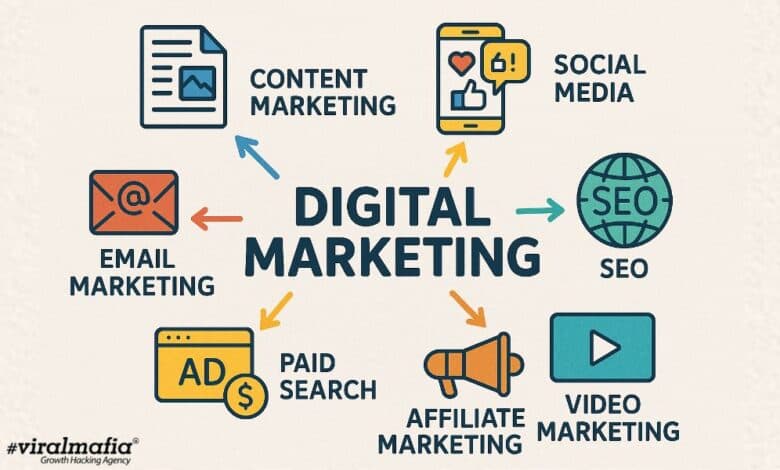
That's the work an ongoing digital marketing and growth program does for a home service business: prompting for a review right after the job, and answering a bad one quickly enough that it reads as resolved rather than ignored.
It also means keeping the Google Business Profile itself current, with real photos of finished jobs instead of stock ones.
Local Services Ads Are Changing Under You
Paid leads are shifting at the same time. Google has started folding Local Services Ads into Performance Max campaigns, in a migration Google documents for advertisers that began in August 2026 for plumbing, HVAC, electrical, appliance repair, house cleaning, lawn care, roofing, pest control and moving.
- August 2026: the first phase, for select home and storefront categories in the US.
- Late 2026: service-area businesses without a storefront, plus accounts running custom bidding.
- 2027: non-US accounts and any category not yet moved.
The pay-per-lead model survives the move. Businesses still pay only for a call, a message or a booking, never a click.
What doesn't survive is manual bidding on cost per lead, and weekly budgets convert automatically to daily averages.
A contractor running both plumbing and HVAC leads through one account will also see Google collapse two separate targets into a single campaign-level bid, worth catching before it quietly shifts what gets spent on which trade.
Speed and Reputation Close What Search Opens

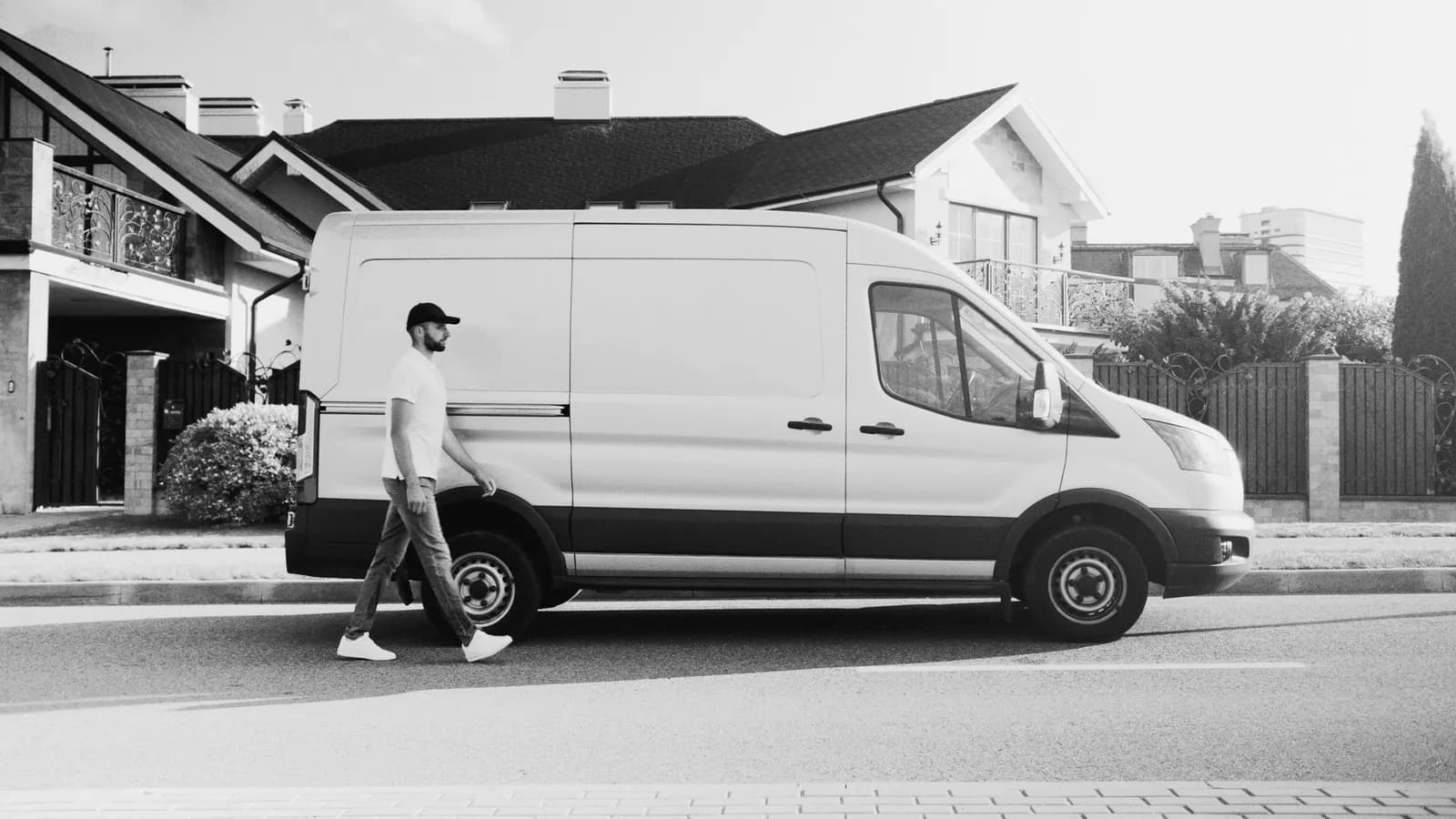
Photo by RDNE Stock project on Pexels
None of this matters if the phone rings and nobody picks up. Eighty-two percent of contractors plan to compete on reputation this year, according to ServiceTitan's research on the home services industry.
That only holds up if the operational side keeps pace. A missed call or a slow text back can undo weeks of review-building in one afternoon.
AI-driven lead qualification and follow-up needs a place early in this playbook, right alongside the ad spend and the review requests. A missed-call text-back, or a chat widget that books the job while a technician is mid-shift, keeps a lead from going to whoever else answers first.
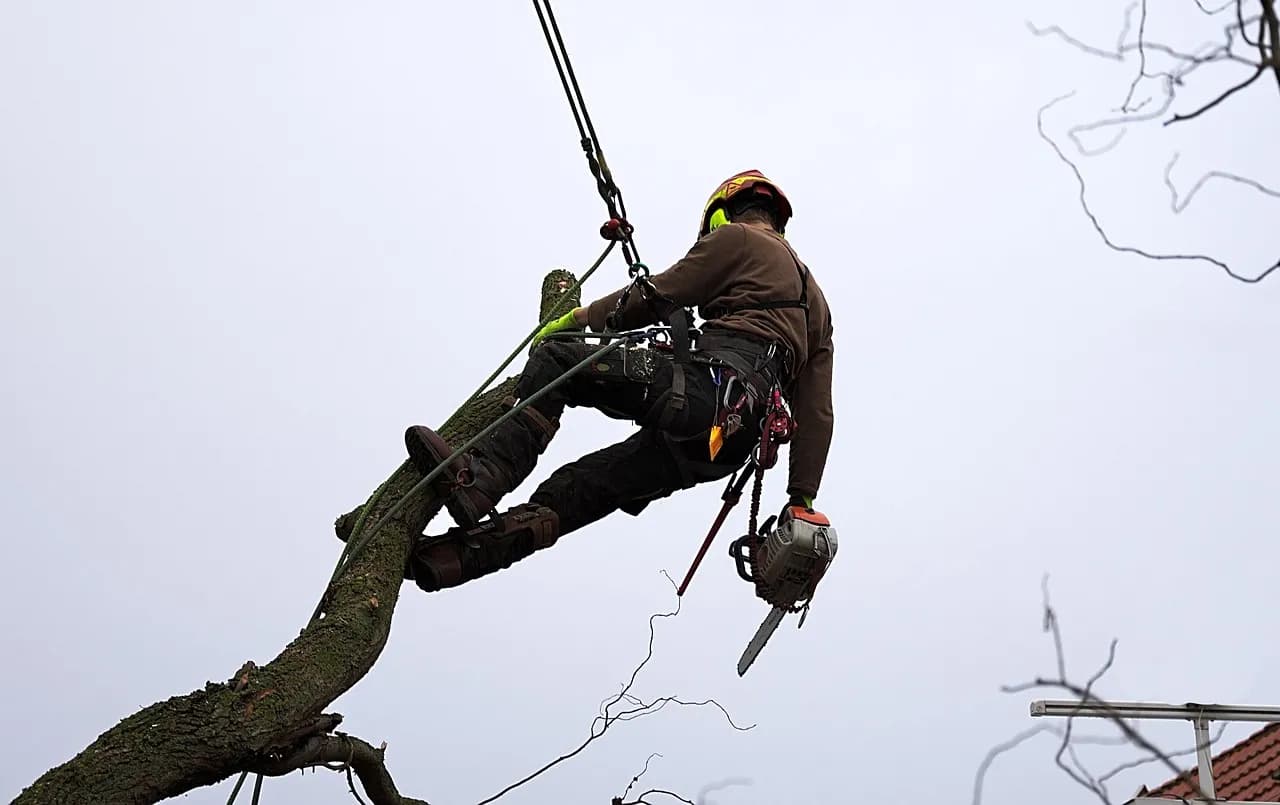
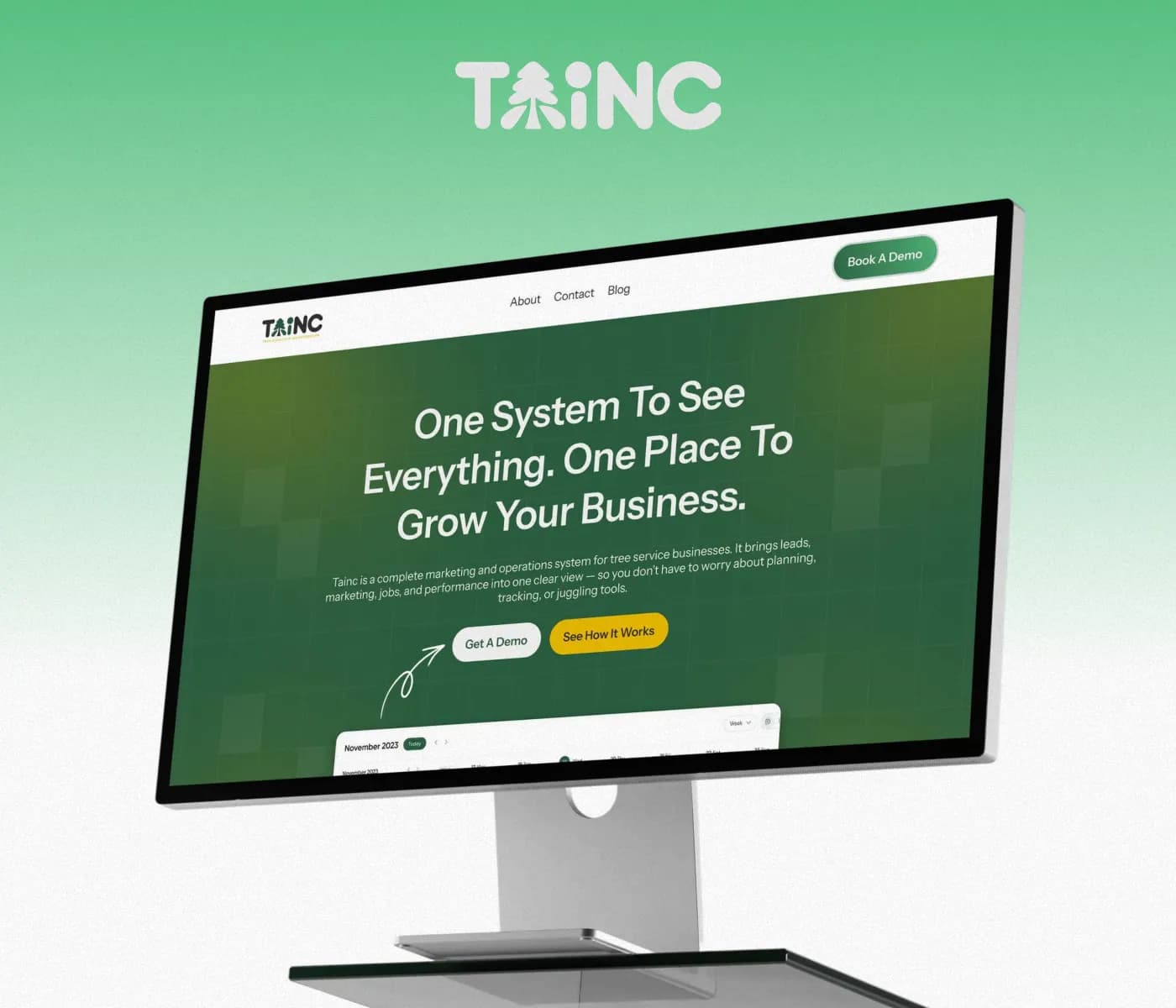
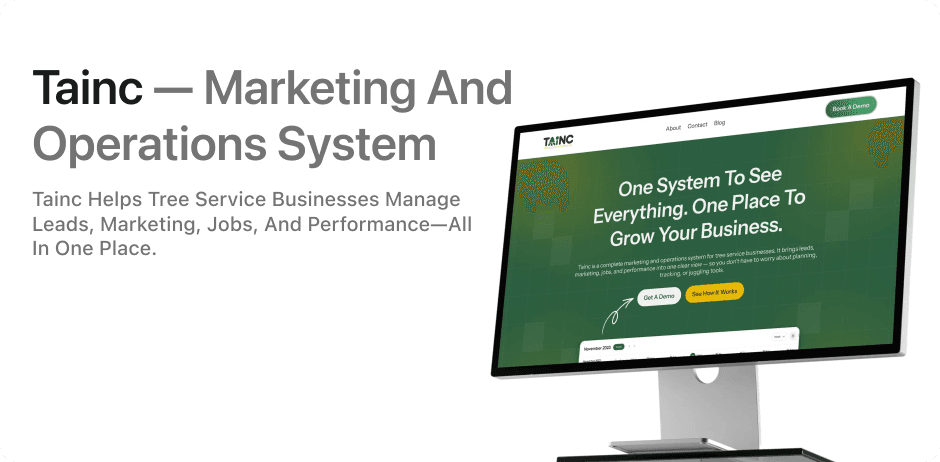
Our work building an all-in-one growth platform for a tree service business paired that kind of automated follow-up with the booking and review side rather than treating them as separate tools.
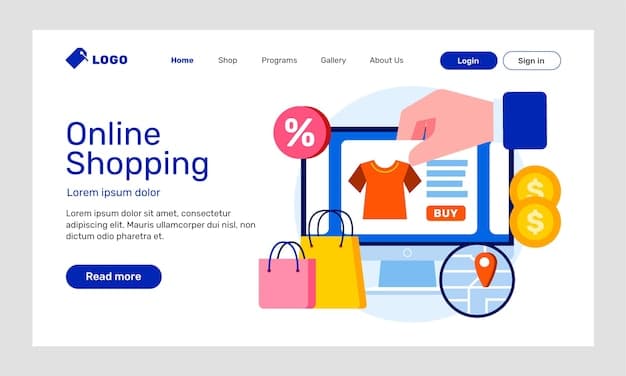
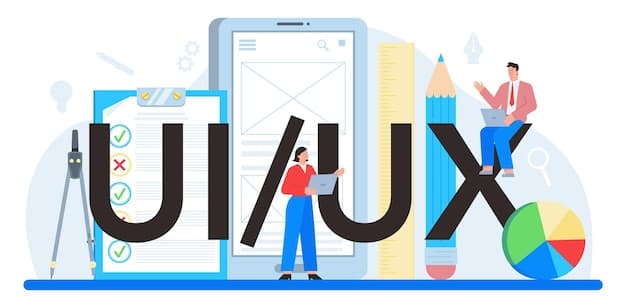
A homeowner choosing between two similarly-rated companies usually picks whoever answers first, and whoever's booking page doesn't demand five fields just to request a callback. Getting that right is as much a UI/UX problem as a marketing one.
Cover photo by Artem Podrez on Pexels
Sources
- Local Consumer Review Survey 2026 — BrightLocal
- Local Services Ads transition to Performance Max campaigns with pay-per-lead goals — Google Ads Help