













Pharmacy management software gets scoped around three regulatory clocks long before anyone argues about features: an e-prescribing standard that is changing version, a drug-tracing mandate that reaches the smallest pharmacies on November 27, 2026, and a certification audit for any application that handles controlled-substance prescriptions.
Each one changes the architecture, which makes them expensive to bolt on after launch. This guide walks through what they require and how to decide between building and buying.
What pharmacy management software has to handle at launch
A pharmacy system that goes live has to receive prescriptions in the federally mandated format, trace drug products through the supply chain, and pass a DEA-approved audit if it touches controlled substances. Dispensing screens and inventory counts come after those three, because they're the ones with deadlines and outside auditors.
| Requirement | Date | What it forces in the build |
|---|---|---|
| NCPDP SCRIPT version 2023011 for Medicare Part D e-prescribing | Both versions allowed July 17, 2024 to December 31, 2027; only 2023011 from January 1, 2028 | Prescription intake, medication history and prior authorization messages in the newer version |
| DSCSA enhanced security, larger dispensers | November 27, 2025 | Secure electronic exchange of product data with trading partners |
| DSCSA enhanced security, small dispensers (25 or fewer full-time pharmacists or technicians) | November 27, 2026 | The same exchange, for the smallest pharmacies |
| EPCS certification for controlled-substance prescriptions | Before deployment | Access controls, cryptography, record retention and audit logging built to the audit's checklist |
The first row comes from CMS's page on NCPDP SCRIPT version 2023011, dated September 10, 2024. For the DSCSA rows, the source is law firm Epstein Becker Green's October 2024 summary of FDA's exemptions.
Billing is a separate build with its own rules, which we cover in our guide to medical billing software development.
Which e-prescribing standard to build against
Build against NCPDP SCRIPT version 2023011 from day one. A system built on the older version CMS still permits starts life with a migration already scheduled.
The newer standard governs three kinds of traffic: prescriptions and related information, medication history, and electronic prior authorization. Each is a separate message flow with its own failure cases, and each needs a screen where a pharmacist can see what arrived and what went wrong.
That last part is easy to underbudget. Message handling is plumbing, but the exception queue is where staff spend their day, so it deserves design time. Our UI/UX team treats it as a first-class screen rather than an admin afterthought.
Drug tracing under DSCSA, and why the data is the hard part
Under the Drug Supply Chain Security Act, trading partners exchange product data through secure electronic systems, and the pharmacy's software is one end of that exchange. FDA granted exemptions in stages precisely because the data wasn't ready.
According to the Epstein Becker Green summary, industry groups reported that only 25% to 50% of drug products had accurate EPCIS data, which is the format the exchange uses. FDA's exemptions also require that a trading partner has either completed its data connections or documented its efforts to make them.
Plan for imperfect inbound data. A dispensing system that rejects every mismatched record will stall the counter, and one that accepts everything silently defeats the purpose. The workable middle is a reconciliation queue with clear ownership, which is a product decision as much as an engineering one.
Controlled substances and the certification audit

Photo by MART PRODUCTION on Pexels
Any pharmacy application used to receive, dispense and archive controlled-substance prescriptions needs DEA-approved certification before it's deployed. Drummond Group's EPCS certification guide lists what the audit covers: logical access controls, dispensing workflows, cryptography, renewal and change requests, record retention and audit logging.
Drummond is one of the certifying bodies, so treat its description as the auditor's view of the scope rather than neutral advice. Even so, the list is useful as a design brief.
Audit logging and record retention are the two items teams most often retrofit. Both are cheap on day one and painful in month nine, because every screen and every background job has to write to the log in the same way.
Build custom or buy off the shelf
Buying a packaged system is the right call when your dispensing workflow looks like everyone else's and you want the vendor to carry the compliance work. Building makes sense when the pharmacy sits inside a larger product, such as a patient app, a membership portal or a telehealth service.
There the pharmacy workflow has to behave in ways a packaged system won't allow. Either way, the three requirements above don't go away. A packaged vendor will have done the certification already, so ask for the audit report and the SCRIPT version it supports before you sign. A custom build has to budget for the certification audit and the DSCSA data exchange as scope items, not as a phase two.
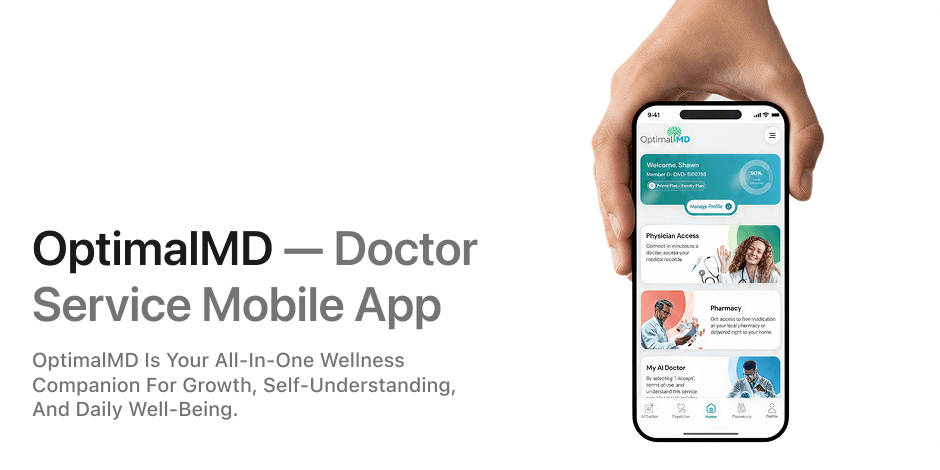
When we built OptimalMD's digital product, we designed and built it end to end, from design through development to launch: the website, the members portal and the mobile app. That experience is why we push for patient-facing and staff-facing screens to be designed together rather than in separate projects.
If you're scoping a pharmacy platform, our apps and SaaS team can map these requirements against your workflow before any code is written. Adjacent systems follow the same pattern, as our look at hospital management software features shows.
Frequently asked questions
Does a small pharmacy have to meet the DSCSA requirements in 2026?
Pharmacies with 25 or fewer full-time pharmacists or pharmacy technicians have an FDA exemption until November 27, 2026. Relying on it requires having completed data connections with trading partners or documented the effort to make them.
What changes for returns under DSCSA?
Since August 27, 2025, wholesalers accept saleable returns only for products they originally sold, according to Epstein Becker Green. Your software needs to record which wholesaler supplied each product so a return goes to the right place.
How often does a pharmacy application need EPCS recertification?
Drummond Group says recertification is required every two years and runs as two live calls, a kickoff and a demo. Check with your chosen certifying body, because the schedule is theirs to describe.
Cover photo by Yaroslav Shuraev on Pexels