





A new enquiry arrives while your team is on a job site, in a meeting or asleep, and the reply goes out whenever someone next opens their inbox. That gap is the real argument in the CRM automation vs manual follow-up debate, because the lead keeps moving while you wait.
Automation wins on speed and consistency. Manual follow-up wins on judgement. The best setup uses each where it's strong, and this post shows where that line sits.
How fast does a lead go cold?
Fast enough that the first five minutes matter more than the next five hours. In a lead response management study, as Copy.ai's summary of the research reports it, leads contacted within five minutes were 21 times more likely to qualify than leads contacted after thirty.
Treat that figure as a direction, not a promise for your trade. It fits what the authors of The Short Life of Online Sales Leads wrote in Harvard Business Review in 2011: most companies are not responding nearly fast enough.
Nobody on a busy team can promise a five-minute reply at every hour. A workflow can.
Where manual follow-up breaks down
Manual follow-up fails in quiet ways. Nobody decides to skip the third message; the person who owned it got pulled onto something urgent, and the lead sat in a list nobody opened.
Three things tend to go wrong, and they get worse as volume grows:
- The first reply waits for whoever happens to be free, so response time depends on the day rather than on a rule.
- Later touches rely on memory or a reminder someone set for themselves, and a missed reminder leaves no trace.
- Notes live in one person's head or inbox, so a colleague picking up the thread repeats questions the customer already answered.
Because each failure is invisible, a team can run this way for months and never see how many leads it lost. That's the cost that doesn't appear on any invoice.
What CRM automation does differently
A CRM workflow replaces the memory step with a rule: when this happens, send that, then wait, then check. The rule runs at 2 a.m. the same way it runs at 2 p.m.
The waiting is where follow-up usually gets lost, and it's the part modern tools handle best. HighLevel's documentation for its workflow Wait action lists seven ways to pause a contact, including these:
- A fixed delay, so a reminder goes out a set number of hours or days after the first message.
- A wait for the contact's reply on SMS or email, with an optional timeout that moves them forward if they stay silent.
- Timing relative to an appointment or booking, which suits confirmations and reminders.
- A custom condition, so the sequence continues only when a field on the contact record says it should.
The reply-wait with a timeout is the one that matters most. It lets one workflow handle both outcomes: stop chasing someone who answered, and keep nudging someone who didn't.
We've covered the build side in more detail in our walkthrough of setting up SMS automation in GoHighLevel.
Automation vs manual follow-up on trust
The usual objection is that automated messages feel cold. They do when they're generic, and they don't when the workflow uses what the CRM knows: the service requested, the appointment time, the last thing the customer said.
Even so, a message that reads as personal while being sent by rule has limits. Once a customer replies with a question, a pricing objection or a complaint, the right move is a person picking it up, and the workflow should hand over at exactly that point.
Our posts on ecommerce follow-up that still feels personal and on automating bookings and follow-ups for med spas show how that handover looks in two very different businesses.
What should stay manual

Photo by Ofspace LLC, Culture on Pexels
Anything that needs judgement or carries risk. Negotiating a quote, handling an upset customer and answering a question the CRM has no data for all belong with a person.
High-value accounts are the other exception. If one customer is worth a large share of your year, a personal call beats a sequence, and the automation's job is only to make sure that call happens on time.
This is also where regulated industries need care. Fintech teams, for example, can automate the timing of a follow-up while keeping the wording reviewed, a balance we looked at in fintech follow-up automation without losing trust.
A real example: one dashboard instead of scattered tools
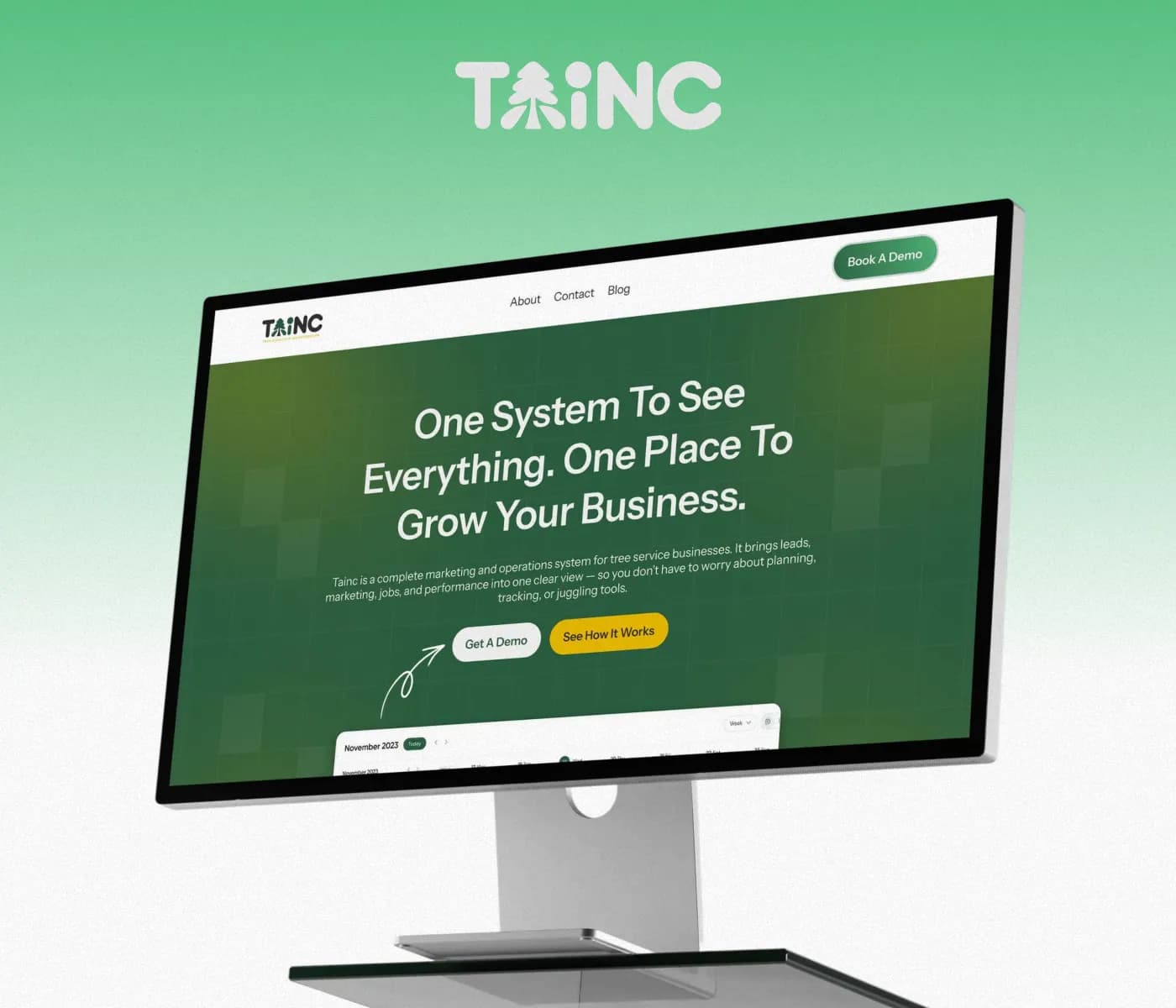
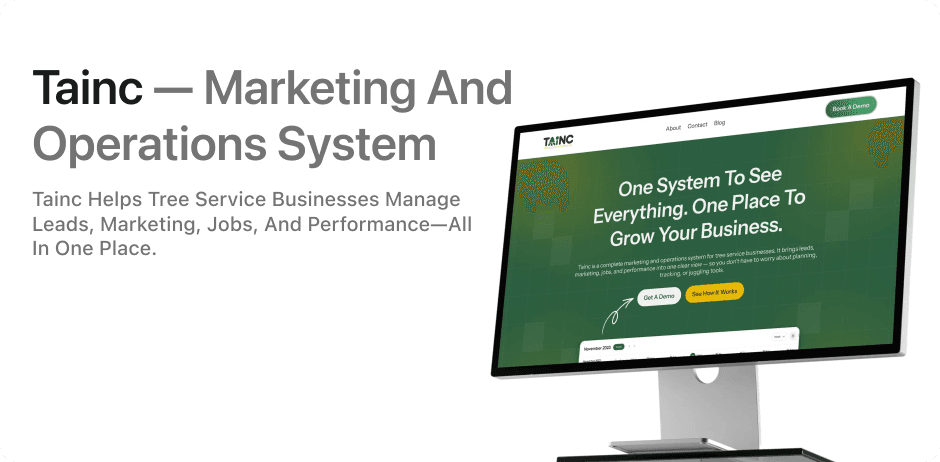
When we built the platform for TAINC, the problems we started from were leads lost to slow manual response, disconnected tools across teams and no automated follow-up system.
The result was a single dashboard combining lead capture, crew scheduling, AI-assisted proposals and billing, so a new enquiry and the work that follows it live in one place. You can read the full story in the TAINC case study.
How to move from manual to automated
Start with the single moment where leads are most likely to slip: the first reply. Automate that, measure how many enquiries now get a response inside your target window, and only then build the later steps.
After the first reply, add the follow-up sequence in the order customers experience it. A reminder after silence comes first, then booking or appointment reminders, then a check-in once the job is done.
Write each message as if one person were sending it, and decide in advance which replies stop the workflow and notify a human. If your team would rather not build and maintain this alone, our AI and automation service covers workflow design and setup.
Finally, review the workflow monthly. A sequence nobody reads quietly turns into the same neglected process you started with, only faster.
Frequently asked questions
Can a workflow stop messaging someone who has already replied?
Yes. HighLevel's Wait action can hold a contact until they reply on SMS or email, and a timeout moves them on only if they stay silent. A reply therefore ends the chase instead of triggering another message.
How quickly should the first response go out?
As soon as the enquiry arrives. The lead response research Copy.ai summarises compares five minutes against thirty, and the gap in qualification odds was large, so an instant automated acknowledgement is a sensible default.
Does automation mean nobody follows up personally?
No. Automation handles timing and routine messages, and a person takes over when a customer asks a question, objects to a price or is a high-value account.
Is CRM automation worth it for a small team?
Usually, because small teams are the ones where the person who owns follow-up is also doing the work. Start with one workflow for the first reply and judge it on how many enquiries get answered promptly.
Sources
- Inbound lead response time — Copy.ai
- The Short Life of Online Sales Leads — BYU ScholarsArchive