
















The Value of Real Estate Email Marketing
Email is the highest-ROI marketing channel for real estate agents, outperforming every other digital method according to Real Estate Agent Leads, with email marketing averaging a return of $36 for every $1 spent. That's a substantial advantage.
It's about more than just sending blasts; email helps agents nurture leads through buying cycles that can stretch six to 18 months, which is far longer than most industries. Consistency matters most here.
Agents who regularly stay in touch with their contacts can expect five to fifteen warm referrals each year from a list of 500. That adds up.
Open rates tell the story as well, with most real estate emails being opened about 41.8% of the time, nearly double the all-industry average. Listing alerts often perform even better, sometimes getting open rates of 48% or more. This is not due to volume; it happens because content remains relevant and always goes out on a regular schedule.
Building an Effective Real Estate Email Marketing Drip Campaign
At the core of any good real estate email program sits the drip campaign, a sequence of pre-written emails sent automatically and matched to where each lead stands, whether buyer or seller. Because drip campaigns match both timing and information to what people actually need, they far outperform random blasts.
Here's how a buyer-focused drip might run: On Day 1, send a personal hello along with one qualifying question about timeline or preferred area. Day 3 should bring an update about local market numbers that affect their search.
Send practical tips such as home financing or inspection advice by Day 7. About two weeks in, update them again with market data specific to their criteria, keeping the information personal and actionable each time you connect.
After Day 30, keep in touch monthly until they're ready or opt out.
Sellers get something different: home valuation updates, comps from recent nearby sales, staging advice that helps them prepare their homes for sale, and explanations of your marketing plan for their property launch. For past clients? They shift to monthly or quarterly newsletters packed with local news and practical homeowner info, plus gentle reminders you're available for referrals.
Drip sequences outperform manual follow-ups. Why? They keep you present throughout the typically long decision cycle in real estate. When emails are automated and triggered by behavior rather than mass-sent on a calendar, they see much higher open and click rates than generic blasts ever could.
Property Alert Automated Email Sequence: Delivering Relevant Listings
Automated property alerts let leads see new listings as soon as they match saved search criteria, delivering some of the highest open rates in any agent's toolkit because buyers want information right away about new options that fit their needs. That speed matters most.
This approach only works if your system integrates directly with your IDX or MLS feed so buyers receive listings instantly when there's a match instead of hours later; adding your own commentary, explaining why a property stands out, makes your alerts far more valuable than standard portal notifications can ever be.
This way you don't just send links; you show clients which properties fit best and explain why they should consider those first. Clients notice extra effort.
Real Estate Newsletter Lead Nurturing: Turning Contacts Into Clients
Email newsletters play a different role from property alerts. They build familiarity over time so your name stays top-of-mind even when people aren't ready to transact now. These should go out at least monthly and must offer content only a local agent can provide.
A market snapshot summarizing median prices and inventory trends in plain language
Stories from recent transactions, not sales pitches but anecdotes that demonstrate expertise
Around-town updates on local news or events relevant to homeowners
Seasonal homeowner tips offering practical value each month
Coming-soon property teasers exclusive to subscribers alone
Answers to reader questions collected through reply prompts that drive engagement
This mix keeps messages useful for people who may be buying now, thinking ahead for next year, or simply passing your info along when friends ask for agent recommendations. Regular email improves deliverability because platforms recognize active engagement more reliably than sporadic blasts flagged as spam. Newsletters are worth it.
Buyer vs Seller Email Segmentation Strategy
Email segmentation splits your list by who people are and what they want; buyers don't see seller-focused content while investors have their own needs entirely, and past clients shouldn't get open house invites every week like active prospects do. If everyone gets generic updates, relevance drops off fast, and unsubscribes climb almost immediately.
A typical approach divides lists by transaction type first:
Buyers: Get tailored property alerts matching their saved searches along with neighborhood guides designed for locals, mortgage tips geared toward their current stage (first-timers versus upgraders), inspection checklists that simplify the process, plus other relevant educational material tailored specifically for them.
Sellers: Receive home valuation snapshots pulled directly from comparables nearby along with staging guidance for prepping homes for sale and details about listing timelines based on planned moves.
The more granular your segments, the closer you can match both frequency and tone to each recipient's readiness, the better results your campaign achieves overall. Many CRMs track opens or website activity so you can adjust follow-ups based on who's engaged right now instead of guessing blindly after the fact. You save time, and gain accuracy.
Email Platform Selection & Automation Tools
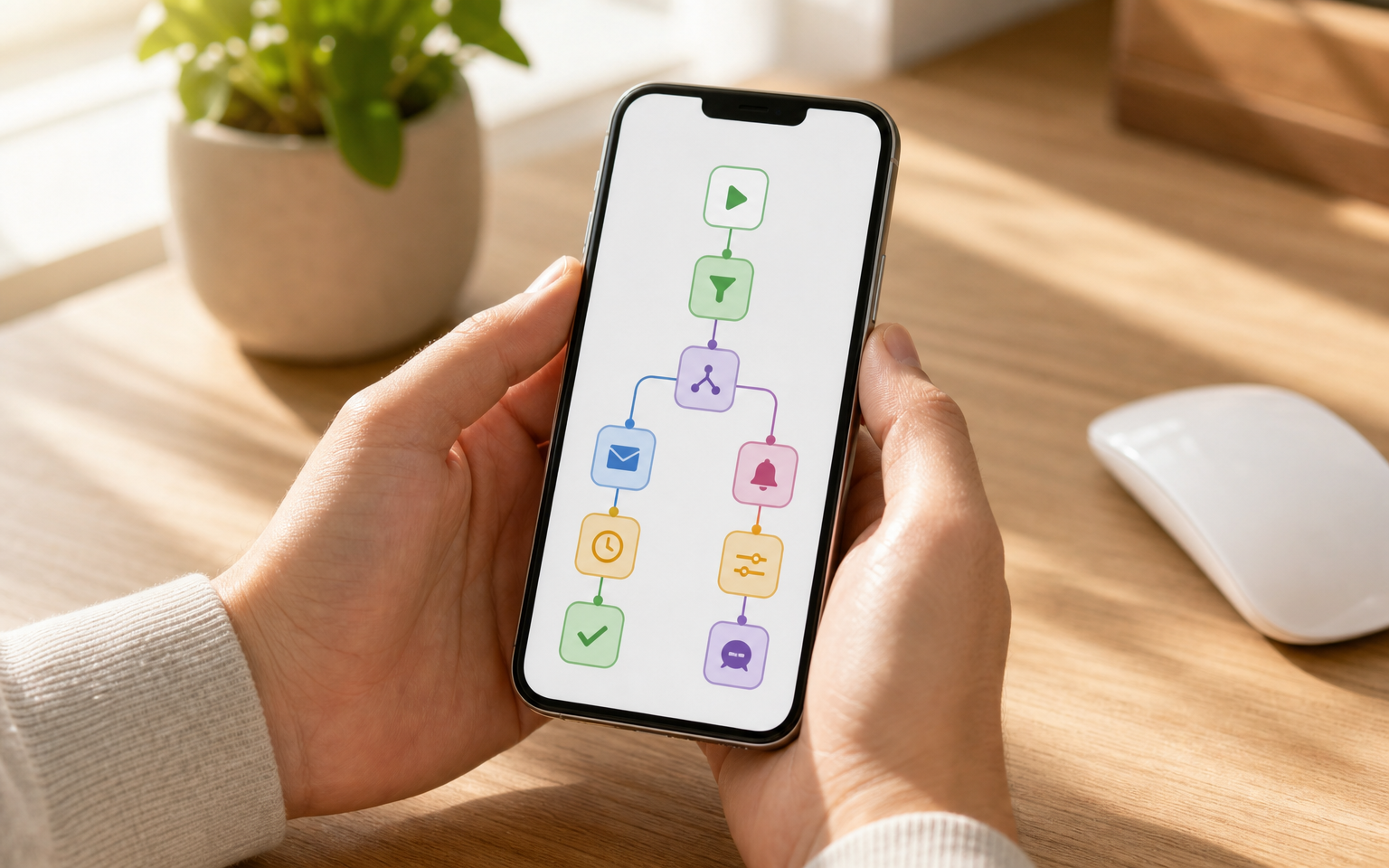
Your software choice impacts everything else about real estate email campaigns from timing to visuals. Platforms like Mailchimp offer automation workflows while purpose-built CRMs connect directly to listing feeds so property alerts trigger automatically without manual effort every day.
MAXA Designs provides fast tools for branded templates if visual consistency across large lists matters for your team.
Built-in dashboards let you track key metrics: open rates above 25%, click-throughs over 3%, unsubscribes under half a percent, and display reply counts plus conversion rates so you improve over time.
A/B testing tools in Mailchimp or HubSpot help test subject lines efficiently; shorter subjects (under fifty characters) typically outperform longer ones.
For more details on integrating branding into campaigns while meeting compliance standards across larger teams see Maxa's guide to real estate email marketing.
Tactics That Improve Results Over Time
Clean lists by removing bounced addresses quarterly, list hygiene protects deliverability always.
Add personalization beyond [First Name]; reference neighborhood interest or timeline for higher response rates among recipients looking for relevance.
Match sending cadence directly to recipient intent: active buyers may get two emails per week at peak interest but should shift back if unresponsive; past clients do best with monthly contact only unless they reach out first.
Nurtured leads close up to fifty percent more often than non-nurtured ones according to Real Estate Agent Leads' statistics report.
Behavior-triggered messages, for example when users save properties or repeatedly view listings, bring up to eight times more revenue than untargeted bulk sends ever could. A segmented database helps both initial conversions and ongoing loyalty.
It reactivates dormant contacts cheaper than chasing cold new prospects does. Keep showing up consistently instead of chasing perfection; agents who stick with it see steady growth from email every single month. Results build over time.
Email Segmentation In Practice: Buyer Persona Approaches
The latest playbooks recommend starting with three to five distinct personas, not dozens, instead of spreading yourself thin across too many micro-segments that don't change messaging meaningfully anyway.
A segment should exist only if it really changes what you say, not just because demographic data allows another grouping.
Each group gets tailored copy, not merely personalized greetings but proof points too such as “recently sold nearby” (for buyers) or “typical days on market” (for hesitant movers).
Anticipate objections ahead of time: first-time buyers worry about uncertainty while investors focus on risk mitigation above all else.
Calls-to-action must also change depending on where each person stands, researchers need very different next steps compared with someone ready now.
Systems built this way show higher open rates, improved reply counts overall, lower unsubscribe rates, and keep you top-of-mind when prospects decide they're ready.
Measuring & Updating Your Campaigns for Lasting Impact
The best-performing email programs evolve over time. They never gather dust after initial launch. Every month review which subject lines worked best last cycle and which sequences actually sparked replies, remove anything below target benchmarks (open rates below about 25%, click-throughs below roughly three percent).
Each quarter review content so it uses fresh stats and stories rather than headlines from last year still lingering among automated messages.
Small tweaks across hundreds of contacts add up fast in aggregate; agents who revisit campaigns monthly stay visible when clients get ready for big moves down the road.
Email remains central in real estate lead nurturing because no algorithm blocks delivery.
It reaches decision-makers directly where those decisions happen every time.
Personalization plus segmentation plus clear timing strategy, and ongoing optimization together lead to results that compound year after year.
Sources
The Realtor’s Guide to Real Estate Email Marketing That Drives Success — maxadesigns.com
Real Estate Drip Campaign Best Practices 2026 — softabase.com